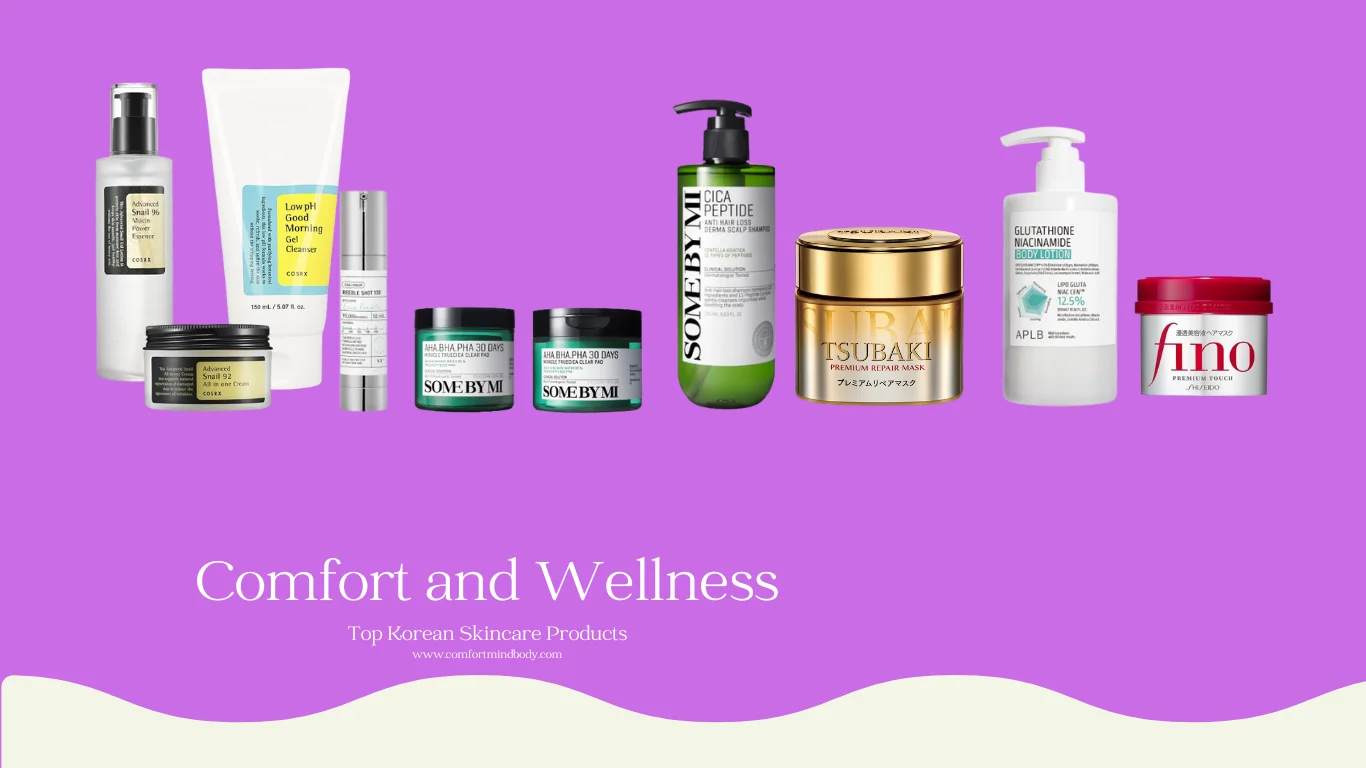
Korean skincare moves fast. One season, the conversation is all about toner pads and milky toners. The next, everyone is talking about PDRN, spicules, exosomes, collagen masks, barrier creams, or a sunscreen that feels almost invisible on skin.
This guide is a K-beauty trend tracker for readers who want to understand what is new, what may be useful, what needs caution, and what can probably wait. It is not meant to turn every viral product into a must-buy step.
Last updated for 2026. This K-beauty trend tracker should be refreshed every 3–4 months as products, ingredient trends, and safety guidance change.
For 2026, the biggest shift is that K-beauty trends are moving beyond simple glow. The conversation now includes barrier support, slow-aging, PDRN, spicules, toner pads, cooling skincare, Korean sunscreens, and hybrid formulas that combine skincare texture with makeup-like finish.
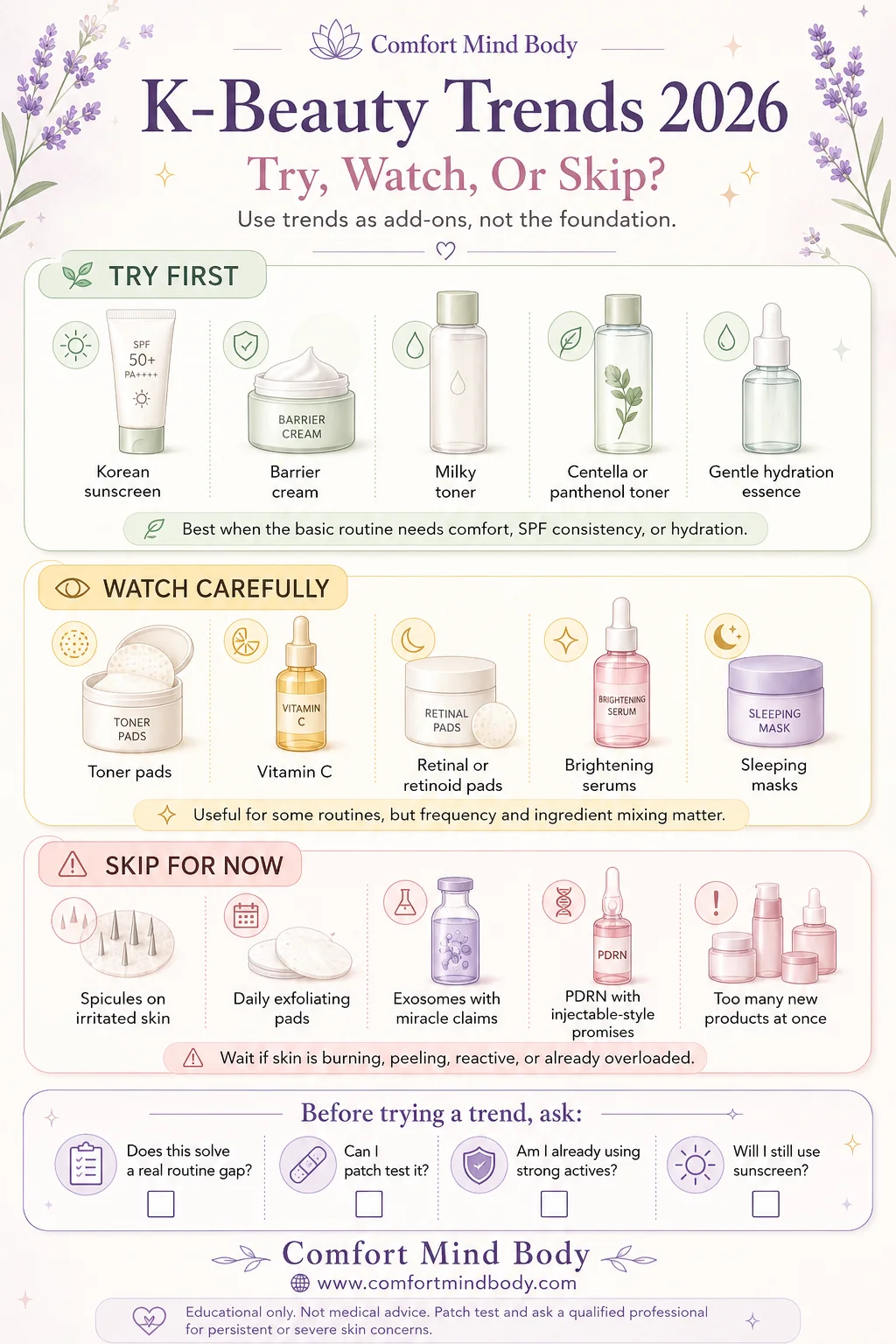
The short version is simple: Korean skincare trends can be fun and useful, but the best routine still starts with a gentle cleanser, moisturizer, sunscreen, and only one or two targeted treatments. Trend products should be add-ons, not the foundation.
Affiliate note: Some product links may be affiliate links, which means Comfort Mind Body may earn a small commission if a reader buys through them, at no extra cost to the reader. Product examples are included for comparison, not as medical advice.
Quick Navigation
ToggleQuick Answer: Which K-Beauty Trends Are Worth Watching In 2026?
The most useful K-beauty trends for 2026 are the ones that make a routine easier to follow. Comfortable Korean sunscreens, barrier-support creams, milky toners, centella formulas, calming toners, and hydrating essences can support the basics instead of replacing them.
The trends that need more caution include spicule products, exfoliating toner pads, retinoid pads, strong vitamin C products, PDRN formulas, and exosome-style skincare. These categories can sound exciting, but they may not suit every routine, especially when skin is sensitive, acne-prone, irritated, or already using strong actives.
The best way to approach new Korean skincare products is to ask one question first: does this product solve a real routine gap, or is it only interesting because it is viral?
Swipe left or right to view the full table on mobile.
| Trend | Best Use | Who May Like It | Watch For |
|---|---|---|---|
| Milky toners | Light hydration and soft glow | Dry, dull, or tight-feeling skin | Fragrance, ferments, or plant extracts if reactive |
| Barrier creams | Comfort, dryness, and recovery | Sensitive, dry, retinoid, or acne-treatment routines | Heavy textures on very oily skin |
| Korean sunscreens | Daily SPF consistency | Readers who dislike thick or greasy sunscreen | Use enough product and reapply when needed |
| Toner pads | Convenient calming, hydrating, or treatment step | Busy routines, texture concerns, dullness | Daily exfoliating pads can irritate |
| PDRN skincare | Trend-focused hydration and recovery-style claims | Curious advanced skincare users | Topical results may be more limited than marketing suggests |
| Spicules / Reedle products | Texture-focused advanced routines | Experienced users with stable skin | Stinging, barrier stress, and overuse |
| Slow-aging formulas | Long-term routine support | Readers focused on prevention, texture, and firmness-looking skin | Avoid miracle claims around peptides, exosomes, or NAD/NMN skincare |
How To Use This K-Beauty Trends Tracker
This page is for understanding trends, not buying everything at once. A useful trend tracker should help readers decide what is worth trying, what is better to skip, and what belongs in a more advanced routine.
For a fuller shopping guide, use the evergreen Korean skincare product guide here: Best Korean Skincare Products For Radiant, Glowing Skin. This article will stay focused on what is new, rising, and worth watching.
A good routine does not need every new ingredient. It usually needs a product that solves one clear problem: dryness, clogged pores, dullness, sunscreen discomfort, barrier stress, uneven tone, or rough-looking texture.
When a trend product does not solve a clear problem, it can wait. That is especially true for strong exfoliants, retinoid pads, prickly spicule products, and formulas with big claims around regeneration or instant transformation.
What Makes A K-Beauty Trend Worth Trying?
A Korean skincare trend is worth trying when it fits the skin, fills a real routine gap, and does not duplicate products already being used. For example, a lightweight Korean sunscreen may be worth trying if sunscreen is hard to wear every day. A barrier cream may be useful if active ingredients leave skin tight, dry, or uncomfortable.
A trend is less useful when it adds confusion. If a routine already has a toner, essence, serum, moisturizer, exfoliant, and retinoid, another viral product may not improve the routine. It may only make it harder to understand what is helping and what is irritating.
The safest approach is to add one new product at a time, use it consistently, and watch how the skin responds. K-beauty can be creative and layered, but good results still depend on patience, sunscreen, barrier support, and realistic expectations.
How To Use This K-Beauty Trends Tracker
Trend 1: PDRN Skincare
PDRN is one of the biggest K-beauty conversations of 2026. It is often described as a regenerative-style skincare ingredient, and many formulas position it around hydration, bounce, recovery, firmness-looking skin, and smoother-looking texture.
The careful reality is that PDRN is still a trend that needs realistic expectations. Professional treatments and cosmetic creams, serums, masks, or toner pads are not the same thing. A topical product may feel hydrating or soothing, but it should not be described as if it works like an injectable or medical treatment.
PDRN may be most interesting for readers who already have a stable routine and want to compare newer Korean formulas for dullness, dryness, or tired-looking skin. It is not the first step for beginners, and it is not more important than sunscreen, moisturizer, or a consistent routine.
Readers with very reactive skin, allergy concerns, pregnancy or nursing questions, or skin that flares easily should be more careful. If a product uses animal-derived ingredients, that may also matter for personal, ethical, or allergy reasons.
Anna’s note: PDRN is interesting, but I would treat it as a “maybe later” trend for most beginners. If the basic routine is not comfortable yet, a gentle moisturizer and daily sunscreen deserve attention first.
Trend 2: Spicules, Reedle Products, And At-Home “Micro” Skincare
Spicule skincare became popular because it feels high-tech and visible. These products are often described as using tiny needle-like structures to create a prickly feeling on skin and help formulas feel more active.
This does not mean spicule products are the same as professional microneedling. At-home skincare should be treated as cosmetic skincare, not a professional procedure. The main issue is tolerance. Some skin may handle a low-strength spicule product well, while sensitive or barrier-damaged skin may feel stinging, burning, dryness, or irritation.
This trend is better for experienced skincare users, not beginners. It should not be layered with strong acids, retinoids, exfoliating pads, harsh scrubs, or a damaged barrier routine. If skin is already burning, peeling, or tight, this trend should wait.
For readers dealing with irritation, the better next step is barrier support first. A helpful guide is here: How To Protect Your Skin Barrier.
Trend 3: Korean Toner Pads Are Becoming Mini Routine Tools
Korean toner pads are still rising because they are easy to use and feel practical. Some are calming, some are hydrating, some are exfoliating, and some are positioned around PDRN, collagen, pores, glow, or texture.
The important difference is the formula. A calming toner pad with centella or panthenol is not the same as an acid pad or retinoid pad. One may feel like a gentle routine helper, while the other may act more like a treatment.
Toner pads can be useful for readers who want a fast step, a targeted cheek-mask moment, or an easy way to apply a light treatment. But daily use is not always necessary. Exfoliating pads, retinoid pads, and strong brightening pads can irritate when used too often or mixed with too many actives.
If a routine already includes retinol, benzoyl peroxide, salicylic acid, strong vitamin C, or prescription acne care, toner pads need extra caution. This guide can help with layering and mixing decisions: Skincare Products You Shouldn’t Mix.
Trend 4: Cooling Skincare, Gel Masks, And Quick-Calm Products
Cooling skincare is another 2026 trend to watch, especially in toner pads, gel masks, lightweight moisturizers, and Korean sunscreens. These products can feel refreshing in warm weather or after a long day, and that makes them easy to love.
Cooling does not automatically mean soothing, though. A product can feel cold or fresh and still contain fragrance, alcohol, menthol, acids, or strong actives that may bother sensitive skin. The ingredient list still matters more than the cooling sensation.
This trend is most useful when it supports comfort without adding irritation. A simple hydrating gel mask or calming pad may fit a routine better than a strong treatment mask used too often.
Trend 5: Wrapping Masks, Collagen Masks, And Overnight Glow
Wrapping masks, collagen-style masks, and overnight masks are trending because they create a glossy, sealed-in finish. They are often marketed around bounce, hydration, plump-looking skin, and event-prep glow.
These products can be useful when skin feels temporarily dry or dull, but they should not replace a moisturizer, sunscreen, or treatment plan for persistent skin concerns. The glow from a mask is often temporary, and that is fine as long as expectations stay realistic.
Readers with acne-prone or easily clogged skin may need to be careful with rich overnight masks. A light layer may work better than applying a thick coat, especially in humid weather or under heavy skincare layers.
Trend 6: Milky Toners, Rice Toners, And Cushion Hydration
Milky toners and rice toners are one of the more beginner-friendly K-beauty trends because they usually focus on comfort, hydration, and glow rather than aggressive exfoliation. They can fit dry, combination, dull, or tight-feeling skin when the formula is well tolerated.
This trend works best when readers want skin to feel softer before moisturizer. It can also be useful when a routine feels too plain, but the skin is not ready for strong actives.
Rice toners, milky essences, and lightweight hydrating layers are also popular because they fit the modern “skin prep” routine. Skin may look smoother under sunscreen or makeup when it is comfortably hydrated instead of overloaded with heavy layers.
Still, gentle-looking products can contain fragrance, ferments, botanical extracts, or ingredients that do not suit every face. Patch testing is still useful, especially for reactive skin.
Trend 7: Barrier Repair Is Still The Smartest K-Beauty Trend
Barrier support is not new, but it is still one of the smartest trends because it helps many routines work better. Ingredients such as ceramides, panthenol, glycerin, centella, madecassoside, squalane, and cholesterol can support a more comfortable routine.
This trend matters because many skincare problems get worse when the barrier is stressed. Skin may feel tight, shiny but dehydrated, flaky, stingy, or reactive. Acne routines, retinoid routines, exfoliating routines, and dry-skin routines often need barrier support to stay tolerable.
A barrier cream is not as exciting as a viral serum, but it may be more useful. For many readers, the best “new” product is the one that helps skin feel calm enough to stay consistent.
Anna’s note: If a routine keeps failing, I usually look at the barrier before adding another active. Skin that feels comfortable is easier to care for than skin that is constantly being pushed.
Trend 8: Korean Sunscreens Keep Winning Because Texture Matters
Korean sunscreens remain popular because many formulas feel light, elegant, and easy to wear under makeup or on bare skin. Texture matters because sunscreen only helps when it is used consistently and in the right amount.
The trend is not only about SPF numbers. It is about whether the product feels comfortable enough for daily use. Readers who dislike thick, greasy, or heavy sunscreens may find Korean sunscreen textures easier to keep in rotation.
There is still a safety note here. Sunscreen rules and available UV filters vary by country. In the United States, sunscreen products are regulated differently than regular cosmetics. Labels, claims, and availability can change, so readers should check the current product label and use sunscreen as directed.
For daily sun protection basics, the American Academy of Dermatology remains a useful reference. Sunscreen is not only a beauty step; it is also a long-term skin health habit.
Trend 9: Peptides, Exosomes, NAD, And Slow-Aging Claims
The language around anti-aging is changing. More brands are using phrases like slow-aging, longevity skincare, regenerative skincare, peptides, exosomes, NAD, and skin resilience.
Some of this language is useful. A gentler, long-term routine focused on sunscreen, hydration, barrier support, and realistic active ingredients makes more sense than chasing harsh results. Peptides may also be useful in some formulas for smoother-looking, more supported skin.
But this category also needs careful wording. Exosomes, NAD, NMN, and regenerative-style claims can sound more proven than they are in everyday cosmetic products. These trends are better treated as advanced add-ons, not routine essentials.
A reader does not need exosome skincare to have a good routine. A stable sunscreen habit, gentle cleanser, moisturizer, and one well-chosen treatment will usually matter more.
Trend 10: Brightening Serums Are Moving Beyond Harsh Exfoliation
Brightening is still a major K-beauty category, but the better trend is not scrubbing or peeling skin aggressively. Many newer formulas focus on niacinamide, glutathione, tranexamic acid, vitamin C derivatives, rice, licorice, and barrier-friendly hydration.
This can be helpful for readers dealing with dullness, uneven-looking tone, or post-blemish marks. The key is patience. Brightening routines usually need sunscreen, consistency, and enough time to judge whether a formula is helping.
Dark spots, melasma, and stubborn hyperpigmentation may need professional guidance. A serum can support the look of tone, but it should not replace medical care when pigmentation is persistent, spreading, or difficult to manage.
Affiliate disclosure: Some links in this article may be affiliate links, including product links from Stylevana, ShareASale, Amazon, or other partners. If readers buy through these links, Comfort Mind Body may earn a small commission at no extra cost to them. Product examples are included for education and comparison only, not as medical advice or a guarantee that a product will work for every skin type.
Small Product Watchlist: Examples To Compare
The examples below show how current K-beauty trends appear in real products. This is a small trend watchlist, not a complete shopping guide. For fuller product comparisons, use the evergreen Korean skincare product guide instead.
Swipe left or right to view the full table on mobile.
| Product Example | Trend | Why Compare It | Watch |
|---|---|---|---|
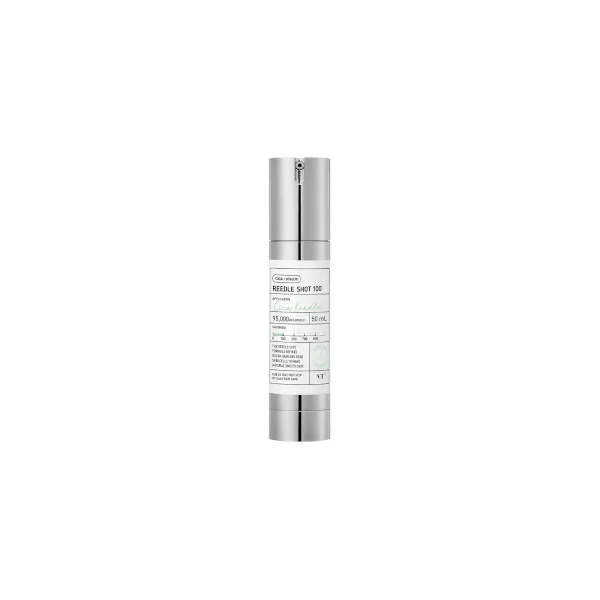 VT Reedle Shot 100
|
Spicule / reedle skincare | A clear example of the prickly spicule trend for experienced routines. | Avoid on irritated or barrier-damaged skin. |
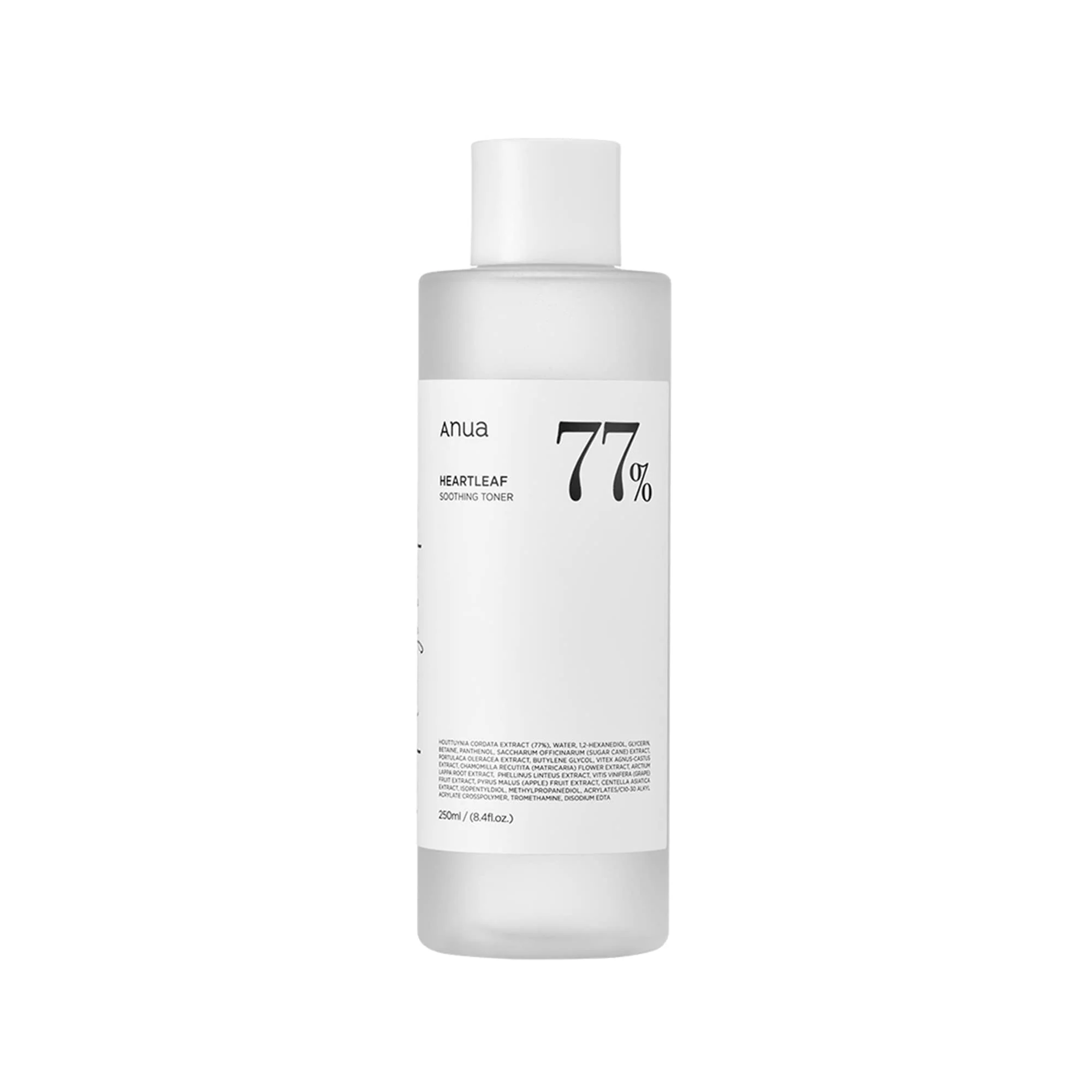 Anua Heartleaf 77% Soothing Toner
|
Heartleaf / calming toner | Shows the calming, redness-looking, barrier-friendly toner trend. | Patch test if reactive to plant extracts. |
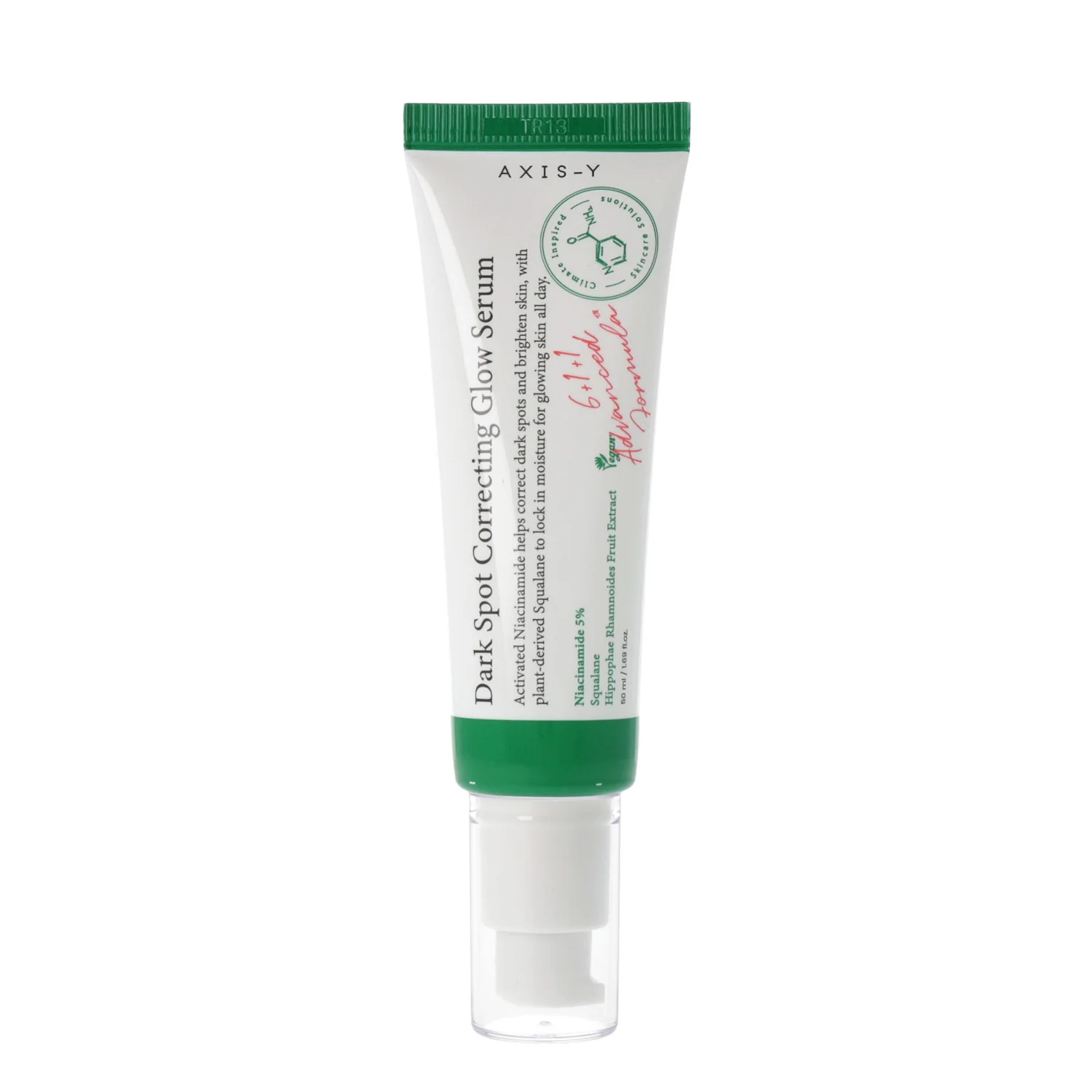 AXIS-Y Dark Spot Correcting Glow Serum
|
Niacinamide / glutathione glow | Fits the brightening and uneven-tone trend without relying on harsh exfoliation. | Results take time; sunscreen still matters. |
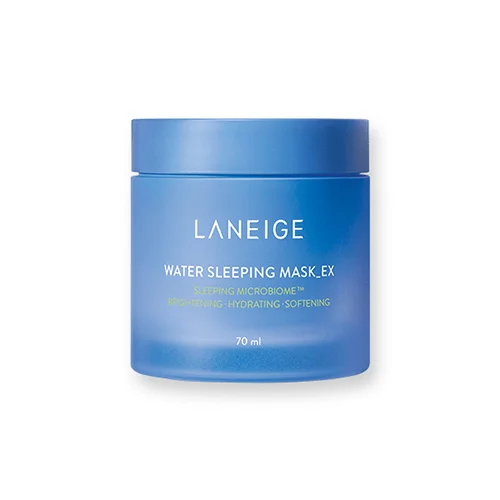 Laneige Water Sleeping Mask
|
Sleeping mask / microbiome trend | A well-known overnight hydration mask example for the glossy, sealed-in trend. | May not replace moisturizer for very dry skin. |
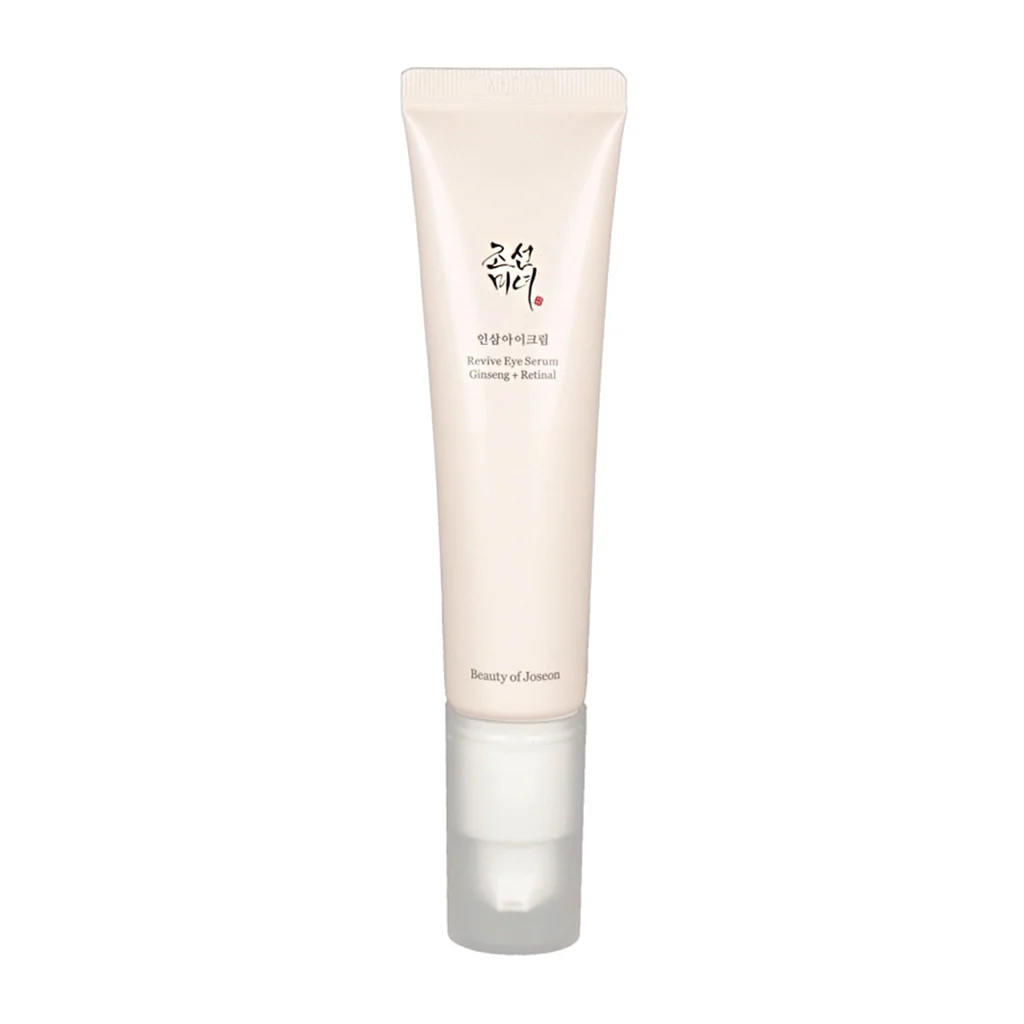 Beauty of Joseon Revive Eye Serum
|
Retinal / ginseng / slow-aging | Connects Korean herbal inspiration with a modern retinal-focused routine step. | Introduce slowly; avoid if retinoids are not tolerated. |
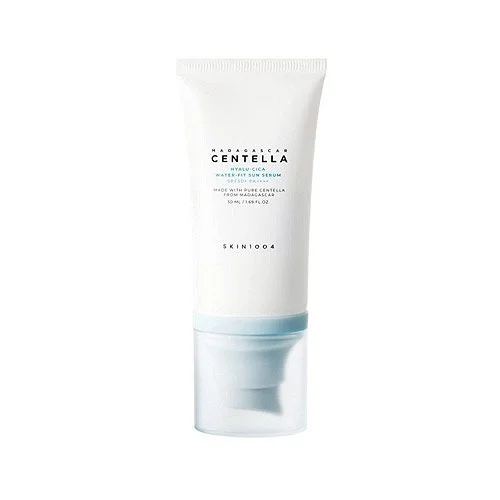 SKIN1004 Hyalu-Cica Water-Fit Sun Serum
|
Korean sunscreen texture | Represents the lightweight sunscreen trend that supports daily SPF consistency. | Use enough and reapply as directed. |
This table is only a trend snapshot. For fuller product comparisons, skin-goal picks, and routine-step examples, use the evergreen Korean skincare product guide instead of treating this tracker as a complete shopping list.
What Beginners Should Try First
Beginners do not need the most viral product first. The better starting point is the product category that fixes the weakest part of the routine.
If sunscreen is inconsistent, start with a comfortable sunscreen. If skin feels tight or irritated, start with barrier support. If skin looks dull but feels stable, a milky toner or hydrating essence may be easier than a strong active.
If acne, texture, dark spots, or fine lines are the main concern, one targeted treatment may help, but it should be added slowly. Strong products work better when the rest of the routine is calm and consistent.
For routine order, this guide may help: K-Beauty Secrets And Skincare Routine Steps.
What To Skip If Skin Is Sensitive, Acne-Prone, Or Irritated
Sensitive or acne-prone skin does not need to avoid every trend, but it does need a slower filter. The most common mistake is adding too many interesting products before the skin has adjusted.
Skip spicules for now if skin is burning, peeling, cracked, or reacting to basic moisturizer. Skip daily exfoliating toner pads if the routine already includes retinoids, benzoyl peroxide, salicylic acid, prescription acne care, or strong vitamin C.
Also be careful with fragrance-heavy products, unknown actives, multiple serums at once, and viral routines that show instant glow but ignore barrier stress. A product can be popular and still be wrong for a specific routine.
K-Beauty Hype Checks For 2026
K-beauty is innovative, but skincare marketing can move faster than the evidence. A useful trend tracker should separate exciting ideas from claims that need caution.
Swipe left or right to view the full table on mobile.
| Viral Claim | Reality Check | Better Way To Think About It |
|---|---|---|
| PDRN works like an injectable. | Topical skincare and professional treatments are not the same. | Treat it as an advanced cosmetic trend. |
| Spicules are the same as microneedling. | At-home cosmetic products are different from professional procedures. | Use only if skin is stable and tolerant. |
| Toner pads are gentle enough for daily use. | Some are calming, but others contain exfoliating or active ingredients. | Check the formula before choosing frequency. |
| Glass skin can happen overnight. | Temporary glow is different from long-term skin health. | Aim for comfort, consistency, and protection. |
| Korean skincare is always gentler. | Any product can irritate if the formula, frequency, or routine mix is wrong. | Judge the ingredient list and skin response. |
| More steps mean better results. | Too many layers can irritate, pill, or confuse the routine. | Use the fewest steps that work well. |
When To Ask A Dermatologist Or Qualified Professional
Trend products should not be used to manage serious or persistent skin concerns alone. Professional guidance is a better next step for painful acne, cystic acne, scarring, spreading rashes, swelling, hives, blistering, severe burning, or skin that reacts badly to nearly every product.
A dermatologist or qualified professional can also help with melasma, rosacea-like flushing, eczema-like irritation, prescription acne treatment, pregnancy or nursing skincare questions, and reactions that do not improve after simplifying the routine.
If a product causes strong burning, swelling, hives, or blistering, stop using it and seek appropriate medical guidance. A trend is never worth pushing through a serious reaction.
Helpful Resources
These resources can help readers separate general skincare education from product marketing:
Final Thoughts: Trends Are Optional, Skin Comfort Is Not
K-beauty trends can make skincare feel fresh, creative, and more enjoyable. That is part of why Korean skincare stays so influential. But new does not always mean necessary, and viral does not always mean better.
The most useful Korean skincare trends for 2026 are the ones that support a stable routine: sunscreen that feels easy to wear, moisturizer that helps the barrier feel comfortable, hydrating layers that do not overwhelm the skin, and targeted treatments used with patience.
PDRN, spicules, exosomes, toner pads, collagen masks, brightening serums, and slow-aging formulas may all have a place for some readers. They just belong after the basics are working, not before. A calm, consistent routine will usually do more for skin than chasing every new launch.
Affiliate Disclosure
Some links in this article may be affiliate links, including product links from Stylevana, ShareASale, Amazon, or other partners. If readers buy through these links, Comfort Mind Body may earn a small commission at no extra cost to them.
Product examples are included for education and comparison only. They are not medical advice, and they are not a guarantee that a product will work for every skin type, concern, or routine.
Safety Notes
K-beauty trends can be useful, but strong or unfamiliar products should be introduced slowly. Patch testing is helpful, especially for sensitive, acne-prone, reactive, or barrier-damaged skin.
Be careful with spicules, exfoliating toner pads, retinoid pads, strong vitamin C products, fragrance-heavy formulas, and products with bold claims around regeneration or instant results. These categories may irritate some skin, especially when mixed with other active ingredients.
Stop using a product and seek appropriate professional guidance if skin develops strong burning, swelling, hives, blistering, severe pain, spreading rash, or irritation that does not calm after simplifying the routine. Trend products should not replace care from a dermatologist or qualified professional when symptoms are persistent, painful, or unusual.
Add Your Heading Text Here
Lorem ipsum dolor sit amet, consectetur adipiscing elit. Ut elit tellus, luctus nec ullamcorper mattis, pulvinar dapibus leo.
Add Your Heading Text Here
Lorem ipsum dolor sit amet, consectetur adipiscing elit. Ut elit tellus, luctus nec ullamcorper mattis, pulvinar dapibus leo.
Add Your Heading Text Here
Lorem ipsum dolor sit amet, consectetur adipiscing elit. Ut elit tellus, luctus nec ullamcorper mattis, pulvinar dapibus leo.
Add Your Heading Text Here
Lorem ipsum dolor sit amet, consectetur adipiscing elit. Ut elit tellus, luctus nec ullamcorper mattis, pulvinar dapibus leo.
Add Your Heading Text Here
Lorem ipsum dolor sit amet, consectetur adipiscing elit. Ut elit tellus, luctus nec ullamcorper mattis, pulvinar dapibus leo.
Add Your Heading Text Here
Lorem ipsum dolor sit amet, consectetur adipiscing elit. Ut elit tellus, luctus nec ullamcorper mattis, pulvinar dapibus leo.
Add Your Heading Text Here
Lorem ipsum dolor sit amet, consectetur adipiscing elit. Ut elit tellus, luctus nec ullamcorper mattis, pulvinar dapibus leo.