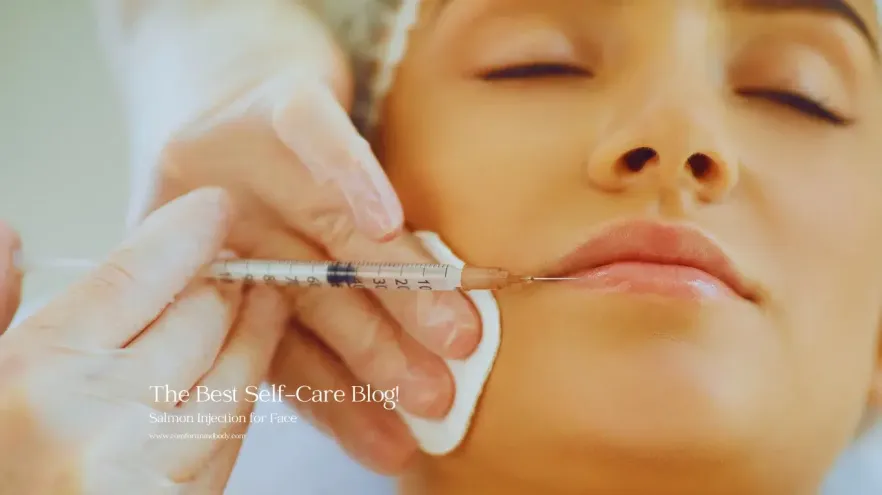
“Salmon injection for face” sounds strange enough to make anyone pause. The phrase usually points to PDRN, salmon DNA, polynucleotides, or skin booster-style treatments that became popular through Korean aesthetic trends and viral “salmon sperm facial” content.
The name gets attention, but the name is not the most important part. The real question is what is being used, how it is applied, who is applying it, and whether the risk makes sense for the skin goal.
Topical PDRN skincare is very different from injectable salmon DNA or polynucleotide treatments. A serum, mask, toner pad, mist, or patch sits on the skin. An injection or professional procedure involves more risk and needs qualified professional guidance.
This guide explains what PDRN treatment for face means, what salmon DNA skincare can and cannot do, what 2026 trends are worth watching, and what readers should ask before trying any professional treatment. For broader trend context, see the K-beauty trends tracker.
Quick Navigation
ToggleQuick Answer: Is Salmon Injection For Face Safe Or Worth It?
PDRN treatment for the face may be worth learning about, but safety depends on the delivery method. Topical PDRN skincare is usually lower-risk when used like normal skincare on intact skin. Injectable PDRN, salmon DNA, or polynucleotide skin boosters are medical-adjacent and need a qualified licensed professional.
DIY injection or at-home microneedling with PDRN should be avoided. A product made to sit on the skin should not be pushed into the skin without professional guidance.
PDRN is optional, not essential. Sunscreen, moisturizer, barrier support, retinoids, niacinamide, peptides, and dermatologist-guided care may matter more for many skin goals.
Anna’s Note
PDRN is a trend to understand, not a shortcut to skip the basics. If the skin is already irritated or the routine feels messy, sunscreen, moisturizer, and barrier support should come before any “regenerative” ingredient.
What Is PDRN In Simple Terms?
PDRN stands for polydeoxyribonucleotide. In simple terms, it refers to DNA fragments that are often derived from salmon or trout sources. This is why people often connect PDRN with salmon DNA or salmon-derived skincare.
PDRN has been discussed in medical and aesthetic settings for tissue repair, wound-healing support, and skin-quality treatments. In beauty marketing, it is often connected to hydration, glow, recovery, elasticity, and “regenerative” skincare.
That language needs caution. PDRN may be interesting, but a topical serum is not the same as an in-office procedure, and an in-office procedure is not the same as a viral facial trend. The delivery method matters as much as the ingredient name.
For readers who are mainly curious about at-home skincare, the safest way to think about PDRN is as an optional support ingredient. It may fit into a calm routine, but it should not replace cleanser, moisturizer, sunscreen, or professional care when the skin needs it.
Why Is Everyone Talking About Salmon DNA Skincare?
PDRN became easier to notice because it sits at the center of several beauty trends at once: Korean skin boosters, regenerative skincare, celebrity treatments, “salmon sperm facial” headlines, and topical K-beauty products that promise a softer glow.
In 2026, PDRN is also moving beyond clinic conversations. It now appears in serums, creams, hydrogel masks, toner pads, mists, melting patches, and recovery-style products. Some brands are also exploring plant-derived or vegan-style PDRN alternatives for readers who avoid animal-derived ingredients.
The trend sounds advanced, but the reality is simpler. A new delivery format does not automatically prove stronger results. Many PDRN products also include familiar supporting ingredients such as glycerin, hyaluronic acid, niacinamide, peptides, panthenol, collagen, or ceramides. The visible result may come from the whole formula, not PDRN alone.
2026 Trend Note
PDRN is trending in topical skincare, but topical PDRN is not the same as injectable salmon DNA or polynucleotide treatments. Treat it as an optional skincare trend, not a proven replacement for sunscreen, moisturizer, retinoids, peptides, niacinamide, or professional care.
PDRN, Salmon DNA, Salmon Sperm Facial, And Polynucleotides: What Is The Difference?
The terms around this trend can be confusing because social media, clinics, and product brands often use them loosely. “Salmon sperm facial” is a viral phrase. “Salmon DNA” is a simplified beauty phrase. PDRN and polynucleotides are more specific ingredient or treatment categories.
Before trying anything, readers should ask what the exact product is, how it is being used, and whether it is topical, microneedled, or injected.
Swipe left or right to view the full table on mobile.
| Term | What It Usually Means | Why It Matters |
|---|---|---|
| PDRN | Polydeoxyribonucleotide, often described as DNA fragments from salmon or trout sources. | Can appear in topical skincare or professional treatments; the delivery method changes the risk. |
| Salmon DNA | A simplified beauty phrase often used for salmon-derived PDRN or polynucleotide products. | Readers should ask for the exact product name, ingredient source, and method of use. |
| Salmon sperm facial | A viral nickname for PDRN, salmon DNA, or polynucleotide-style beauty treatments. | The nickname is not enough information to judge safety or evidence. |
| Polynucleotides / PN | A related category of DNA fragment-based ingredients or injectable skin booster treatments. | Often discussed in professional skin-quality treatments, especially outside the U.S. |
| PDRN skincare | Topical serums, creams, masks, toner pads, mists, or patches containing PDRN. | Usually lower-risk than injections, but results are still formula-dependent. |
| PDRN skin booster | A professional treatment category that may involve injection or procedure-based delivery. | Needs qualified professional care, sterile technique, and clear product sourcing. |
The Most Important Difference: Topical Vs Microneedled Vs Injected
The safest way to understand PDRN is to separate the ingredient from the delivery method. A PDRN cream is not the same as a PDRN product used after microneedling, and neither is the same as an injectable salmon DNA or polynucleotide treatment.
Topical products sit on intact skin. Professional procedures may disrupt or enter the skin. Injections carry more risk because product placement, sterility, anatomy, training, and complication management all matter.
For readers who are building a safer at-home routine, topical PDRN should sit inside a stable routine, not replace the basics. The main skin care hub can help keep the foundation simple before adding trend ingredients.
Swipe left or right to view the full table on mobile.
| Option | What It Means | Risk Level | Best Next Step |
|---|---|---|---|
| Topical PDRN serum, cream, mask, or toner pad | Used on the surface of intact skin like regular skincare. | Lower, but irritation or allergy is still possible. | Patch test and introduce one product at a time. |
| PDRN mist or melting patch | A trend format used as lightweight or targeted topical skincare. | Lower to moderate depending on formula and skin sensitivity. | Check added actives and avoid irritated skin. |
| PDRN used after professional microneedling or laser | Used around a procedure that disrupts the skin barrier. | Moderate to high depending on provider, product, and skin condition. | Use only with qualified professional guidance. |
| Injectable PDRN, salmon DNA, or polynucleotide treatment | A professional skin booster-style treatment involving injection. | Higher because anatomy, sterility, product source, and training matter. | Ask detailed safety questions before booking. |
| DIY injection or at-home microneedling with PDRN | Self-injecting or pushing topical products into the skin at home. | Avoid. | Do not do this. Infection, injury, and unsafe product use are serious concerns. |

Possible Benefits Of PDRN For Face
PDRN is often marketed for hydration, glow, skin quality, texture, elasticity, and recovery. Those claims can sound exciting, but the careful version is more useful: PDRN may support the look and feel of skin in some routines, especially when the full formula is well made and the skin barrier is not already stressed.
For topical PDRN skincare, the most realistic benefits are usually softer-feeling skin, a more hydrated look, and comfort support. Many products also include familiar ingredients such as glycerin, panthenol, hyaluronic acid, niacinamide, peptides, or ceramides, so the result may come from the whole formula rather than PDRN alone.
For professional treatments, readers should ask what evidence supports the exact product and method being offered. A topical serum, a melting patch, a microneedling add-on, and an injectable skin booster should not be treated as equal just because all of them mention PDRN.
Swipe left or right to view the full table on mobile.
| Possible Benefit | Careful Interpretation | Reality Check |
|---|---|---|
| Hydrated-looking skin | Some topical formulas may help skin look plumper or less dull. | Often depends on humectants and moisturizers in the formula. |
| Softer texture | Skin may feel smoother when hydration and barrier comfort improve. | Not a guaranteed scar, pore, or wrinkle treatment. |
| Barrier comfort | PDRN products often sit in recovery-style routines. | Ceramides, panthenol, glycerin, and moisturizers may do much of the work. |
| Post-procedure support | Some professional settings discuss PDRN for recovery or skin-quality support. | Only follow a qualified provider’s aftercare plan. |
| Glow support | Hydrated, calmer skin can look fresher. | Do not expect instant glass skin or dramatic reversal. |
What PDRN Cannot Do
PDRN cannot replace sunscreen, moisturizer, dermatologist-guided treatment, or a stable routine. It also cannot make an unsafe provider, unclear product, or poorly performed procedure safe.
Topical PDRN cannot be assumed to erase wrinkles, remove acne scars, clear acne, treat melasma, or reverse skin aging. It may support comfort and hydration in some formulas, but it should not be treated like a miracle repair ingredient.
This matters because many PDRN products use dramatic recovery language. A more realistic approach is to compare the full formula, delivery method, skin goal, and risk level before deciding whether it belongs in the routine.
PDRN Vs Exosomes, Peptides, Retinoids, And Niacinamide
PDRN is often grouped with other advanced-sounding skincare trends. That does not mean every ingredient has the same evidence, risk level, or routine role.
For many readers, the more established basics still matter most: sunscreen, moisturizer, retinoids when tolerated, niacinamide, vitamin C, and barrier-support ingredients. PDRN and exosomes may be interesting, but they should not push the routine into confusion.
Swipe left or right to view the full table on mobile.
| Ingredient Or Trend | Best Role | Realistic Note |
|---|---|---|
| PDRN | Optional recovery-style or hydration-support trend. | Promising but still trend-heavy for topical skincare. |
| Exosomes | Regenerative skincare and post-procedure marketing. | Very trend-driven; product quality and claims vary widely. |
| Peptides | Gentle support for hydration, firmness-looking routines, and barrier comfort. | Formula-dependent, usually not dramatic overnight. |
| Retinoids | Texture, acne, fine lines, and photoaging support when tolerated. | More established, but can irritate if overused. |
| Niacinamide | Barrier support, tone support, redness-looking concerns, and oiliness support. | More established in skincare, but high percentages may bother some skin. |
| Ceramides, panthenol, and barrier ingredients | Dryness, irritation, recovery nights, and barrier comfort. | Often more practical than chasing a trend when skin feels stressed. |
| Sunscreen | Daily protection for discoloration, photoaging, and long-term skin health. | Still more important than PDRN for many skin goals. |
Readers comparing trend ingredients should also understand skin barrier support. If the barrier is already irritated, adding more active or trend products usually makes the routine harder to read.
Topical PDRN Skincare: Safer At-Home Option Or Just Hype?
Topical PDRN skincare is usually the lower-risk way to explore the trend. Serums, creams, masks, toner pads, mists, and patches do not carry the same risks as injections when used on intact skin as directed.
Still, topical does not automatically mean effective or irritation-free. A PDRN product may also contain fragrance, exfoliating acids, retinoids, plant extracts, collagen, peptides, niacinamide, or rich emollients. The whole formula matters more than the trend ingredient alone.
A practical way to judge topical PDRN is to ask what else is in the formula. Glycerin, hyaluronic acid, panthenol, ceramides, niacinamide, and peptides may explain much of the hydration, softness, or bounce readers notice.
Do not microneedle random PDRN skincare products at home. A product designed to sit on the surface of the skin should not be pushed into the skin without professional guidance.
Topical PDRN Skincare Products To Compare
The products below are topical PDRN skincare examples. They are not injectable salmon DNA treatments and should not be treated like professional procedures. Compare the format, full formula, and caution points before adding anything new to the routine.
Affiliate Disclosure
This section includes affiliate links. If readers buy through these links, Comfort Mind Body may earn a small commission at no extra cost to them. Product examples are included for comparison and education, not as medical advice or guaranteed results.
Swipe left or right to view the full table on mobile.
| Product | Why Compare It | Watch |
|---|---|---|
| Anua PDRN Hyaluronic Acid Capsule 100 Serum | Hydration-focused topical PDRN serum. | Seal with moisturizer if tight. |
| Medicube PDRN Pink Peptide Serum | PDRN and peptide trend example. | Patch test first. |
| Anua Collagen PDRN Melting Patch | 2026 melting patch format. | Avoid irritated skin. |
| Rejuran Turnover Ampoule | Topical Rejuran ampoule example. | Not an injectable treatment. |
| Innisfree Retinol Green Tea PDRN Skin Booster Ampoule | PDRN plus retinol active example. | Do not stack strong actives. |
| Medicube PDRN Pink Collagen Cream | Richer PDRN cream texture. | May feel heavy for oily skin. |
| Medicube Salmon DNA PDRN Pink One Day Serum | Concentrated topical ampoule-style serum. | Not injectable salmon DNA. |
| Medicube Salmon DNA PDRN Pink CICA Soothing Toner | PDRN and cica toner example. | Soothing depends on tolerance. |
A Simple Routine If Readers Want To Try Topical PDRN
If readers want to try topical PDRN, the safest approach is to keep the rest of the routine boring. New trend ingredients are easier to judge when the routine is stable.
In the morning, a simple routine could include gentle cleansing or rinsing, one hydrating or PDRN product if tolerated, moisturizer, and sunscreen. At night, the routine could include cleansing, a PDRN serum, mask, patch, or cream if tolerated, followed by moisturizer or barrier cream.
Do not start PDRN, retinoids, exfoliating acids, vitamin C, and toner pads all at the same time. If irritation appears, it becomes difficult to know what caused the problem. For more help avoiding ingredient overload, see the guide to skincare products you should not mix.
Routine Tip
Add only one new PDRN product at a time. If the skin feels calmer, softer, or more hydrated after a few weeks, the product may fit. If stinging, bumps, burning, or worsening breakouts appear, pause and simplify.
Who Should Avoid PDRN Or Ask A Professional First?
Some readers should be more cautious with PDRN, especially if the product is animal-derived, used after a procedure, or injected. Topical skincare and professional treatments do not carry the same level of risk, but both can still cause reactions.
When the skin is already inflamed, infected, broken, sunburned, or reacting to many products, it is usually better to pause trend ingredients and focus on barrier comfort first. PDRN should not be used as a way to push through irritation.
Ask First Or Avoid Until Cleared If:
- Pregnant or breastfeeding
- Fish allergy or concern about animal-derived ingredients
- History of severe allergies or anaphylaxis
- Active skin infection, open wounds, or inflamed acne flare
- Eczema, rosacea, dermatitis, or barrier-damage flare
- Keloid tendency or poor wound healing
- Immune suppression or autoimmune concerns
- Blood thinners, bleeding disorder, or easy bruising
- Recent laser, chemical peel, microneedling, filler, surgery, or strong resurfacing treatment
- History of bad reactions to injectables, fillers, skin boosters, or numbing products
- Higher post-inflammatory hyperpigmentation risk after procedures
- Interest in under-eye PDRN treatment or any treatment near delicate facial anatomy
Sushi Note
If a treatment explanation feels rushed, that is a pause moment. A good provider should welcome questions, explain the product clearly, and never make safety questions feel annoying or excessive.
Red Flags Before Booking A Salmon DNA Or PDRN Treatment
A good provider should be able to explain what product is being used, how it is applied, what the risks are, and why the treatment fits the skin concern. If the consultation feels vague or rushed, it is safer to pause.
The red flags below matter most for injectable PDRN, salmon DNA skin boosters, polynucleotide treatments, microneedling add-ons, or any procedure that disrupts the skin barrier.
Red Flags To Watch For
- The provider cannot name the exact product.
- The treatment is described only as “salmon sperm” without details.
- There is no ingredient, manufacturer, or product documentation.
- The provider is not licensed or trained for the procedure.
- The treatment is offered at a party, home setup, or questionable non-medical space.
- There is pressure to book quickly because of a discount.
- No one asks about allergies, medical history, medications, pregnancy, or skin conditions.
- No aftercare instructions are provided.
- The provider says there are “no risks.”
- The product was bought online without clear sourcing.
- The treatment involves DIY injection.
- A product meant for topical use is being injected or pushed into skin.
- Under-eye treatment is treated casually instead of carefully.
Questions To Ask Before Any PDRN Treatment
A simple question list can protect readers from vague marketing. These questions are useful before any professional PDRN, salmon DNA, polynucleotide, microneedling, laser add-on, or skin booster treatment.
If the provider cannot answer clearly, the safer choice is to wait, ask another qualified professional, or choose a lower-risk topical routine instead.
Swipe left or right to view the full table on mobile.
| Question | Why It Matters |
|---|---|
| What exact product is being used? | “PDRN” is not enough information. Brand, source, sterility, and intended use matter. |
| Is it topical, microneedled, injected, or used after a procedure? | Risk changes depending on how the product enters or contacts the skin. |
| Is it legal and appropriate for this use where the treatment is being done? | Regulation varies, especially for injectables and skin boosters. |
| Who manufactures it and where does it come from? | Clear sourcing lowers the risk of mystery products or unsafe handling. |
| What training does the provider have? | Facial anatomy, sterility, injection technique, and complication management matter. |
| What are the risks for this skin type and skin history? | Acne-prone, sensitive, rosacea-prone, eczema-prone, and melanin-rich skin may need different caution. |
| What should be avoided before and after? | Good aftercare can reduce irritation, infection risk, and barrier problems. |
| What side effects are normal, and what symptoms need urgent care? | A serious provider should explain warning signs before treatment, not after something goes wrong. |
| What happens if there is a reaction? | The provider should have a clear plan for complications and follow-up care. |
| Are there safer alternatives for the same goal? | Sometimes sunscreen, retinoids, barrier repair, acne care, or dermatologist-guided treatment may fit better. |
PDRN For Acne, Wrinkles, Scars, Dark Spots, And Sensitive Skin
PDRN is marketed across many skin goals, but not every goal is equally realistic. The safest way to think about it is as a possible support ingredient or professional treatment discussion, not a cure-all.
PDRN For Acne-Prone Skin
PDRN is not an acne treatment. Acne-prone readers may tolerate some lightweight topical PDRN formulas, but breakouts usually need better-studied acne ingredients such as benzoyl peroxide, salicylic acid, adapalene, or dermatologist-guided options.
Rich creams, occlusive masks, fragrance, and too many new products can make acne-prone routines harder to manage. If the main concern is breakouts, see the skincare routine for acne before adding trend ingredients.
PDRN For Wrinkles And Fine Lines
Topical PDRN may help skin look more hydrated or plump depending on the formula, but it should not be treated as a wrinkle eraser. Sunscreen, retinoids, and professional care have clearer roles for many visible aging concerns.
If the skin is sensitive or dry, barrier-support ingredients may be more useful than jumping into an aggressive anti-aging routine. A calm routine is easier to maintain than one that constantly causes irritation.
PDRN For Acne Scars And Texture
Acne scars usually need professional evaluation. PDRN may be discussed in some professional skin-quality or post-procedure settings, but it should not be relied on alone for pitted scars or significant texture concerns.
Readers considering treatment for scars should ask about the full plan, not only the add-on ingredient. Microneedling, lasers, peels, subcision, fillers, or other options may be discussed depending on scar type and skin tone.
PDRN For Dark Spots Or Melasma
PDRN should not be presented as a dark spot or melasma treatment. Sunscreen consistency and targeted ingredients matter more for most pigmentation concerns.
Melasma is especially stubborn and often needs dermatologist-guided care. A trendy “regenerative” ingredient should not replace sunscreen, pigment-safe routine planning, or professional advice.
PDRN For Sensitive Skin
Sensitive skin should patch test first and avoid adding too many trend ingredients at once. Readers with fish allergies, fragrance sensitivity, rosacea, eczema, dermatitis, or frequent reactions should be more cautious.
If skin stings, burns, flushes, or reacts to many products, the safer next step is usually a simpler routine focused on barrier support, not a new trend product.
FAQ
What is PDRN treatment for face?
Is PDRN the same as salmon DNA?
Is salmon injection for face safe?
Is PDRN FDA-approved?
Is topical PDRN the same as injectable PDRN?
Can PDRN help wrinkles?
Can PDRN help acne scars?
Can PDRN help dark spots?
Who should avoid PDRN?
What are PDRN side effects?
Can I use PDRN after microneedling?
Should I try PDRN or retinol first?
Is vegan PDRN better?
What should readers ask before booking a PDRN treatment?
Final Thoughts
PDRN is one of the biggest regenerative skincare trends of 2026, but it should be understood clearly. A topical PDRN serum is not the same as a salmon DNA injection, and a viral treatment name is not enough information to judge safety.
For most readers, the safer path is to build a stable routine first, then treat topical PDRN as an optional support step. Professional PDRN, salmon DNA, or polynucleotide treatments require more caution, better questions, and a qualified provider.
The best foundation is still simple: sunscreen, moisturizer, barrier support, careful actives, and professional guidance when procedures are involved. PDRN may be interesting, but it is not worth taking unnecessary risks with the skin.
Safety Notes
This article is educational only and is not medical advice. PDRN injections, salmon DNA treatments, polynucleotide treatments, microneedling add-ons, laser add-ons, and skin boosters should be discussed with a qualified licensed professional.
Do not self-inject PDRN, salmon DNA, polynucleotides, fillers, skin boosters, or any cosmetic product. Do not buy injectable products online for home use. Do not allow anyone to inject a topical product or use a product in a way it was not designed for.
Avoid procedures on infected, inflamed, broken, sunburned, or actively irritated skin. Stop topical PDRN products if burning, swelling, hives, rash, blistering, worsening acne, or painful bumps appear.
Seek urgent medical help after any injection or procedure if severe pain, vision changes, skin color changes, spreading redness, fever, pus, severe swelling, trouble breathing, hives, or unusual neurological symptoms appear.

