Learning how to change skincare for the fall season does not mean replacing every product from summer. Most routines only need a few smart changes: keep what still works, switch what feels too light or drying, reduce irritation triggers, and avoid overcorrecting.
Summer-to-fall skincare can feel confusing because the weather changes before the skin fully adjusts. After months of heat, sweat, sunscreen, swimming, air conditioning, and outdoor time, skin may enter fall feeling oily in some areas, dry in others, dull, congested, tight, or more reactive than usual.
This guide focuses on practical fall skincare swaps: cleanser, moisturizer, sunscreen, exfoliation, retinol, body care, lips, hands, and barrier support. For the full AM and PM seasonal routine, read the main hub here: Fall Skincare Routine.
Quick Navigation
ToggleQuick Answer: How To Change Skincare For The Fall?
To change skincare for fall, keep sunscreen, gentle cleansing, moisturizer, and any products the skin already tolerates well. Switch to a gentler cleanser or richer moisturizer if skin feels tight, flaky, itchy, or uncomfortable. Reduce exfoliation, harsh cleansers, hot showers, and too many active nights.
Avoid stopping SPF, restarting retinol too quickly, exfoliating dry flakes, or buying a full new routine just because the season changed. Fall skincare should feel like a calm transition, not a panic reset.
The first signs that a routine needs changing are usually tightness after cleansing, moisturizer that stops working by midday, dry lips, rough hands, itchy body skin, or irritation from products that felt fine in summer.
Anna’s Note: Fall skincare changes should feel like small adjustments, not a full routine replacement. If the skin feels comfortable, not everything needs to change.
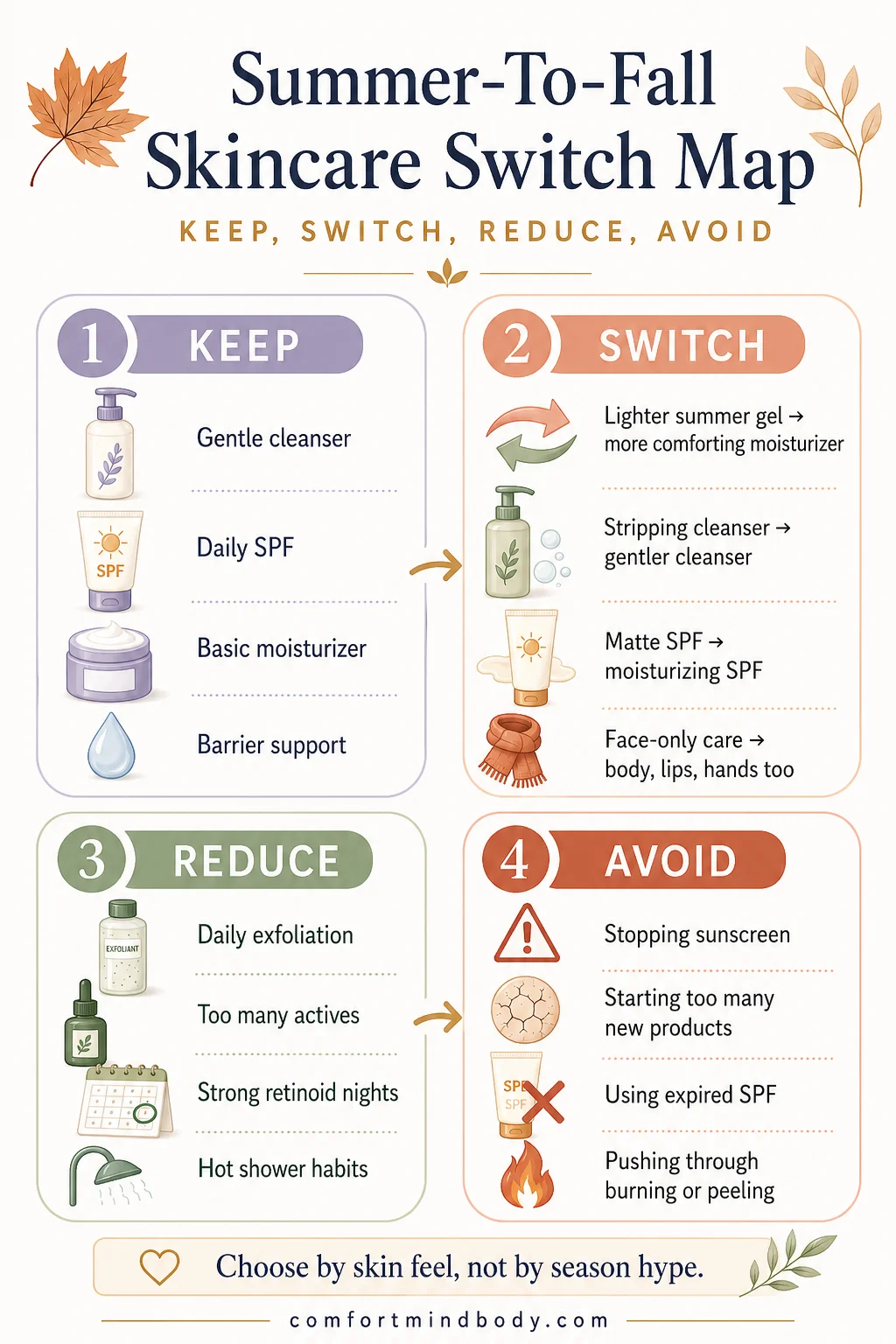
The Comfort Mind Body Fall Switch Framework: Keep, Switch, Reduce, Avoid
The easiest way to transition skincare from summer to fall is to sort the routine into four groups: keep, switch, reduce, and avoid. This helps prevent overbuying, over-exfoliating, and adding too many new products at once.
- Keep: sunscreen, gentle cleansing, moisturizer, and products that still feel comfortable.
- Switch: cleanser texture, moisturizer richness, sunscreen finish, body care, lip care, or hand care when the skin asks for more comfort.
- Reduce: harsh cleansing, frequent exfoliation, hot showers, active stacking, and strong products that make skin feel tight or irritated.
- Avoid: stopping SPF, replacing everything, treating irritation like purging, or adding trend products before the barrier feels calm.
This framework keeps the article practical. Fall skincare is not about doing more. It is about making the routine easier for the skin to tolerate as weather, humidity, and indoor heat change.
Swipe left or right to view the full table on mobile.
| Routine Area | Keep | Switch | Reduce | Avoid |
|---|---|---|---|---|
| Cleanser | A cleanser that leaves skin comfortable. | Creamy, milky, balm, oil, or gentle gel cleanser. | Strong foaming or active cleansers if skin feels tight. | Squeaky-clean skin or harsh scrubs. |
| Moisturizer | A moisturizer that still lasts through the day. | Richer cream or barrier-support moisturizer if needed. | Layers that pill or feel heavy under sunscreen. | Skipping moisturizer because skin is oily. |
| Sunscreen | Daily broad-spectrum SPF. | More moisturizing sunscreen if summer SPF feels drying. | Very matte formulas if they make skin feel tight. | Stopping SPF because summer is over. |
| Exfoliation | Gentle exfoliation only if tolerated. | Lower frequency or milder exfoliant. | Daily acids, rough scrubs, or exfoliating dry patches. | Using acids on cracked, irritated, or peeling skin. |
| Retinol And Actives | Actives the skin already tolerates. | Restart slowly with recovery nights. | Using several strong products in the same week. | Retinol, acids, spicules, and brightening products all at once. |
| Body, Lips, Hands | Basic cleansing and moisture habits. | Add body moisturizer, lip balm, and hand cream. | Hot showers and rough body scrubs. | Waiting until lips, hands, or body skin crack. |
| Trend Products | Patch testing and realistic expectations. | Try one optional trend only after the routine is stable. | Adding devices, spicules, or PDRN when skin is irritated. | Using trends to replace sunscreen, moisturizer, or professional care. |
Readers rebuilding more than one part of the routine can also use the complete Skin Care resource center.
What To Keep From Your Summer Routine
A product does not need to be replaced just because the season changed. If a cleanser, moisturizer, sunscreen, or serum still feels comfortable and does not irritate the skin, it may stay in the routine.
Sunscreen should stay. UV exposure continues in fall, even when the air feels cooler or the sky looks cloudy. Daily sunscreen also matters more when the routine includes retinol, exfoliating acids, vitamin C, or brightening products.
A gentle cleanser can also stay if skin feels soft and comfortable after washing. Vitamin C can stay if it does not sting or pill. Acne products can stay if they are helping and not creating dryness, peeling, or sensitivity.
The best summer-to-fall skincare change is often not a new product. It is noticing what still works and only adjusting what no longer feels right.
What To Switch First When Skin Feels Dry Or Tight
If skin starts feeling dry, tight, flaky, or uncomfortable in fall, switch the most likely problem first. For many routines, that means checking the cleanser and moisturizer before adding stronger treatments.
A cleanser that leaves skin tight may need to be gentler. A moisturizer that felt perfect in humid weather may need more support. A matte sunscreen that worked in July may feel too drying in October.
Hydration and moisture can also be different needs. A hydrating serum or essence can help skin feel less tight, while a moisturizer helps soften and support the barrier. This guide explains the difference: Difference Between Hydrating And Moisturizing.
Swipe left or right to view the full table on mobile.
| If This Happens | First Switch To Try | Why |
|---|---|---|
| Skin feels tight after cleansing. | Use a gentler cleanser or reduce active cleanser use. | The cleanser may be removing too much comfort from the skin. |
| Skin feels dry by midday. | Try a richer moisturizer or add a hydrating layer. | Fall air and indoor heat can make moisture fade faster. |
| Skin is oily but still tight. | Use lightweight hydration and a gel cream. | Oily skin can still look or feel dehydrated. |
| Sunscreen or makeup pills. | Use fewer layers or a moisturizer that sits better under SPF. | Too many layers can make a routine harder to repeat. |
| Lips and hands feel dry. | Add lip balm and hand cream before bed and after washing. | Small dry areas can crack if ignored. |
| Body skin feels itchy or rough. | Moisturize after showering and reduce hot water. | Body skin often gets dry before the face does. |
What To Reduce In Fall
Fall is a good time to reduce anything that makes the routine feel harsh. That may include daily exfoliation, strong foaming cleansers, active cleansers, hot showers, rough scrubs, or using several treatment products in the same week.
Exfoliation is one of the biggest areas to reassess. Skin may look dull or rough after summer, but that does not always mean it needs more acids. Sometimes roughness is dryness, irritation, or a stressed barrier.
Strong cleansers may also need less frequent use. A product that helped with summer sweat and oil may feel stripping once humidity drops and indoor heat starts running.
Comfort Mind Body Take: If fall skin feels rough, the first answer is not always exfoliation. Sometimes roughness is dryness asking for moisture.
What To Avoid When Transitioning From Summer To Fall
The biggest fall skincare mistake is doing too much at once. A full routine overhaul makes it harder to know what helped, what irritated the skin, and what was never needed.
- Stopping sunscreen because summer is over.
- Buying a full new routine before checking what still works.
- Exfoliating dry flakes before adding moisture.
- Restarting retinol too quickly.
- Using retinol and acids on the same night when skin is adjusting.
- Treating irritation like purging.
- Using harsh scrubs on dry or cracked skin.
- Adding spicules, PDRN, LED devices, and active products before the routine is stable.
- Ignoring dry lips, hands, neck, chest, and body skin.
- Using old or expired sunscreen from summer.
A Simple 7-Day Fall Skincare Transition Plan
A one-week transition plan can make fall skincare easier. The goal is not to fix everything in seven days. The goal is to notice what the skin actually needs before adding more products.
Use this plan as a gentle check-in. If skin already feels comfortable, the routine may only need small seasonal adjustments. If skin feels tight, itchy, flaky, or reactive, focus on recovery before adding more actives.
Swipe left or right to view the full table on mobile.
| Day | Focus | What To Do |
|---|---|---|
| Day 1 | Cleanser check | Notice whether skin feels tight, shiny, or squeaky after washing. |
| Day 2 | Sunscreen check | Keep SPF and decide whether the texture still feels comfortable. |
| Day 3 | Moisture check | If skin feels dry by midday, add hydration or switch moisturizer texture. |
| Day 4 | Body, lips, hands | Add body moisturizer, lip balm, and hand cream before dryness becomes cracking. |
| Day 5 | Exfoliation check | Reduce acids or scrubs if skin feels tight, flaky, or reactive. |
| Day 6 | Active schedule | Plan one treatment night and at least one recovery night. |
| Day 7 | Keep or switch | Decide what actually needs changing instead of replacing everything. |
This plan also helps prevent overbuying. If the cleanser is the problem, a richer cream may not fix the tightness. If sunscreen feels too matte, changing moisturizer may not be enough. Let the routine show what needs attention first.
Retinol, Exfoliation And Brightening Products In Fall
Fall can be a good time to restart retinol, exfoliating acids, vitamin C, azelaic acid, or brightening products, but the routine should move slowly. One active category at a time is easier to manage than several new treatment steps at once.
Retinol and exfoliating acids should usually be separated when skin is adjusting. Brightening products should be paired with consistent sunscreen. Recovery nights matter because they help the skin tolerate stronger steps over time.
A simple schedule may work better than daily treatment. For example, one retinol night, one recovery night, one gentle exfoliation night, and several recovery nights can be easier than using every active in the same week.
If burning, peeling, stinging, or unusual sensitivity appears, pause actives and return to cleanser, moisturizer, sunscreen, and barrier support. For ingredient combinations to be careful with, read: Skincare Products You Shouldn’t Mix. For barrier recovery, read: How To Protect Your Skin Barrier.
Anna’s Note: Fall is a good time to rebuild consistency. If retinol or acids were paused during summer, restart slowly instead of trying to make up for lost time.
2026 Fall Skincare Trends: What Fits And What Can Wait
Fall skincare trends are moving in a calmer direction. Instead of aggressive exfoliation and crowded routines, many 2026 trends focus on barrier repair, hydration, peptides, ectoin, smarter retinoids, and more consistent routines.
That fits fall well. Cooler air, indoor heat, wind, and post-summer skin stress can make the barrier feel more sensitive. A trend is only useful if it helps the routine feel more comfortable, steady, or easier to tolerate.
Ectoin is one ingredient worth knowing because it is being discussed for hydration and environmental stress support. Peptides are also trending as routines move toward barrier-friendly, skin-resilience formulas instead of constant exfoliation.
Targeted chemical exfoliants can still have a place in fall, especially when skin feels congested after summer sunscreen, sweat, and humidity. The key is frequency. A gentle exfoliant once weekly may be more useful than using acids every night.
Blue and red LED devices are also gaining attention, especially for acne-focused routines. These devices are optional, not essential. They should not replace sunscreen, moisturizer, acne care, or professional guidance, and readers with melasma, hyperpigmentation concerns, photosensitivity, or deeper acne should ask a dermatologist first.
Procedure-style trends such as microneedling, RF microneedling, spicules, PDRN, and exosome-inspired skincare belong in the “wait until the routine is stable” category. For a deeper look at those treatment-season topics, read the full fall hub: Fall Skincare Routine.
Sushi Note: Trends are not the problem. Adding them before the skin is ready is the problem.
Swipe left or right to view the full table on mobile.
| Trend | Fall Use | Use Carefully If |
|---|---|---|
| Ectoin | Barrier-support and hydration-focused formulas for dry, changing weather. | A formula contains other ingredients that already irritate the skin. |
| Peptides | Gentler routines focused on skin comfort, resilience, and long-term care. | Expecting instant firming or dramatic results from one product. |
| Gentle chemical exfoliants | Post-summer dullness, clogged-looking pores, or rough texture. | Skin is dry, tight, peeling, cracked, or already using retinol. |
| Blue or red LED devices | Optional device category for acne-focused or treatment-curious routines. | Melasma, hyperpigmentation concerns, photosensitivity, or irritated skin. |
| Spicules, PDRN, exosomes | Optional trend category after the basic routine is stable. | Skin is reactive, post-procedure, acne-flaring, or already over-treated. |
Body, Lips, Hands And Shower Habits
Fall skincare is not only for the face. Body skin, lips, hands, elbows, knees, feet, neck, and chest can all feel drier as the air changes.
A gentle body wash and moisturizer after showering can help. Warm showers are usually better than long hot showers, especially if the skin feels itchy or tight. Moisturizer works best when applied soon after washing, while the skin is still slightly damp.
Lip balm before bed and hand cream after washing can prevent small dry areas from turning into cracks. Scarves, hats, collars, masks, and pillowcases can also affect skin if they trap sweat, oil, sunscreen, hair products, or friction.
For a full body routine, read: Body Care Routine: How To Care For Skin From Neck To Toe.
Fall Product Categories To Consider
This article is not a fall product roundup. The goal is to understand which product category solves which fall problem, then compare specific products only if needed.
Start with the category that matches the skin concern. If skin feels tight after cleansing, compare gentler cleansers. If skin feels dry by midday, compare moisturizers. If sunscreen feels too matte or drying, compare a more moisturizing SPF.
Swipe left or right to view the full table on mobile.
| Fall Problem | Product Category | Why It Helps | Skip If |
|---|---|---|---|
| Tight after cleansing | Gentle or creamy cleanser | Cleanses without leaving skin stripped. | Current cleanser already feels comfortable. |
| Dry by midday | Richer moisturizer or barrier cream | Adds longer-lasting comfort in dry air. | Skin feels heavy, clogged, or greasy. |
| Oily but dehydrated | Light hydrating serum and gel cream | Adds comfort without heavy layers. | The routine already has enough hydration. |
| SPF feels drying | More moisturizing sunscreen | Keeps fall sunscreen habit easier to repeat. | The current SPF feels comfortable and layers well. |
| Dry lips or hands | Lip balm, ointment, or hand cream | Supports small dry areas before they crack. | There is persistent cracking, bleeding, or rash that needs care. |
| Congestion or dullness | Gentle exfoliant | May help rough texture when used carefully. | Skin is tight, peeling, cracked, or already irritated. |
| Active irritation | Barrier cream or recovery moisturizer | Supports comfort while actives are reduced. | Irritation is severe, spreading, painful, or unusual. |
| Treatment curiosity | Optional trend products or devices | Can be explored after the basic routine is stable. | Skin is reactive or the routine already feels overwhelming. |
For specific product comparisons, use the fall product guide here: The Ultimate Fall Skincare Products Guide.
Product Examples For Simple Fall Swaps
These examples are not a full fall product roundup. They are simple comparison options for common fall swaps: a gentler cleanser, a moisturizing SPF, a more supportive barrier moisturizer, and a richer comfort cream. For a larger shopping guide, use the dedicated fall product guide.
Affiliate Disclosure: Some product links below are affiliate links, which means Comfort Mind Body may earn a small commission if a purchase is made through them, at no extra cost to you.
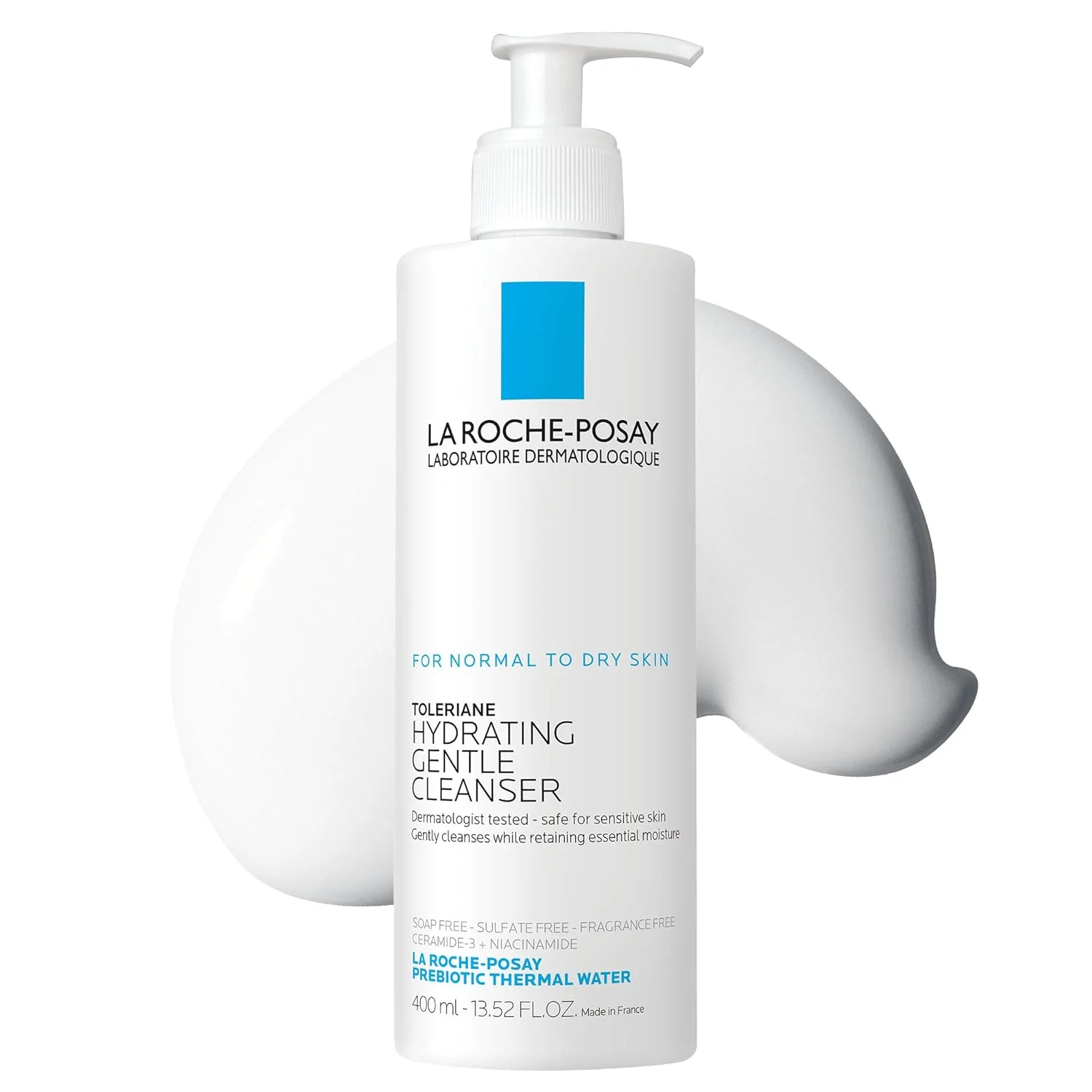
Gentler Cleanser Swap
La Roche-Posay Toleriane Hydrating Gentle Cleanser
A Western gentle cleanser option when summer cleanser starts leaving skin tight, dry, or uncomfortable. May feel too creamy for some very oily routines.
Compare Product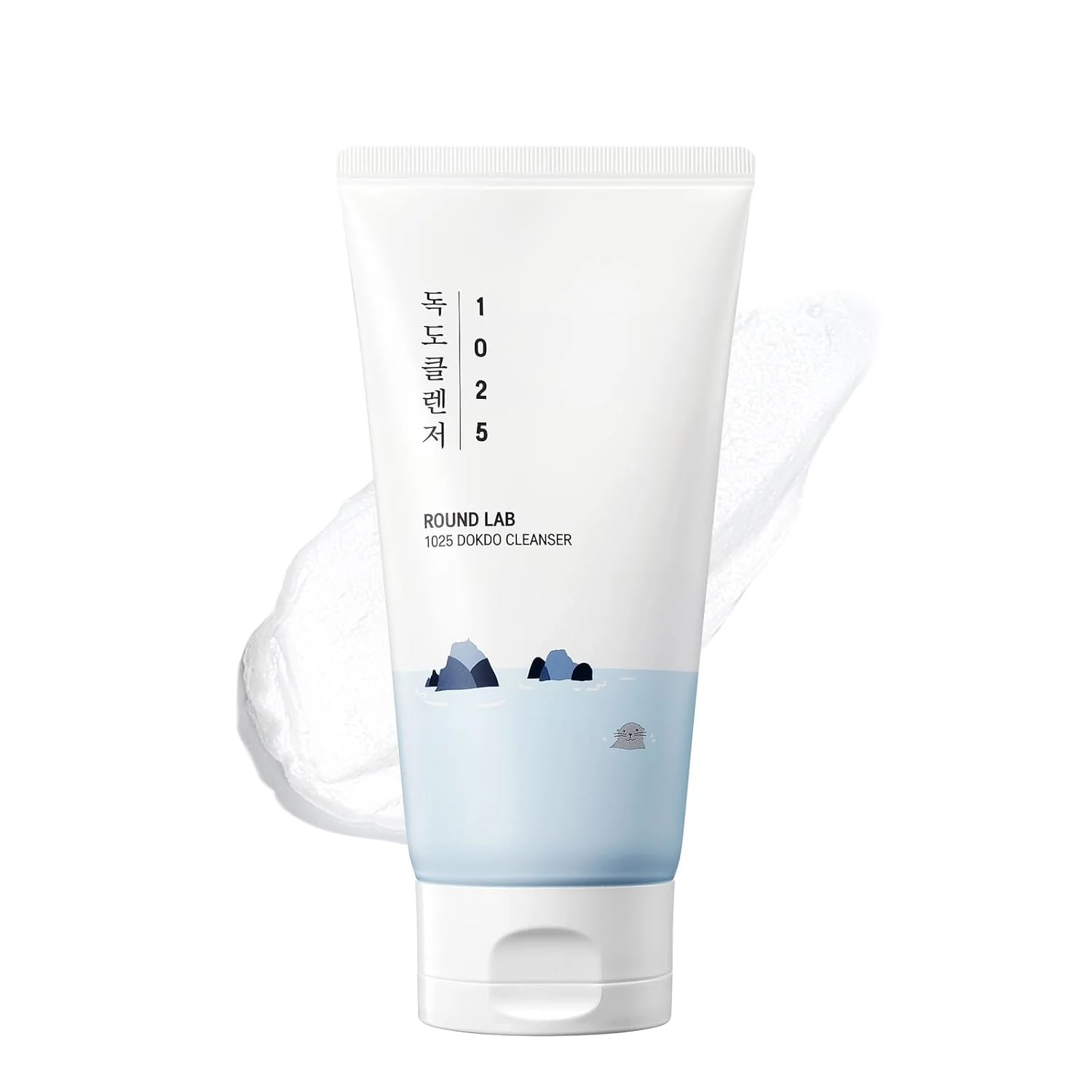
Gentler Cleanser Swap
Round Lab Birch Juice Moisturizing Cleanser
A Korean moisturizing cleanser option for fall dryness and comfort. Check tolerance if skin reacts to botanical ingredients.
Compare Product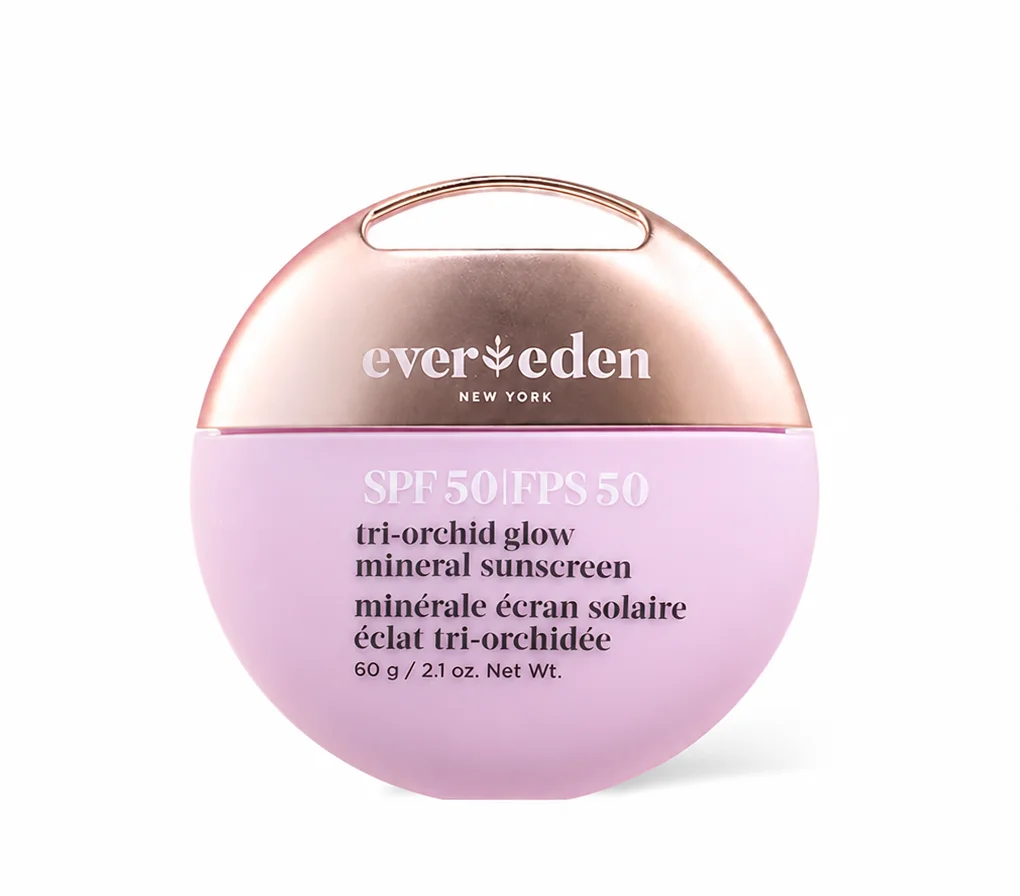
Moisturizing SPF Swap
Evereden Tri-Orchid Glow Mineral Sunscreen SPF50
A mineral sunscreen option for fall routines when skin wants daily UV protection with a more moisturizing feel. Reapply as directed, especially outdoors.
Compare Product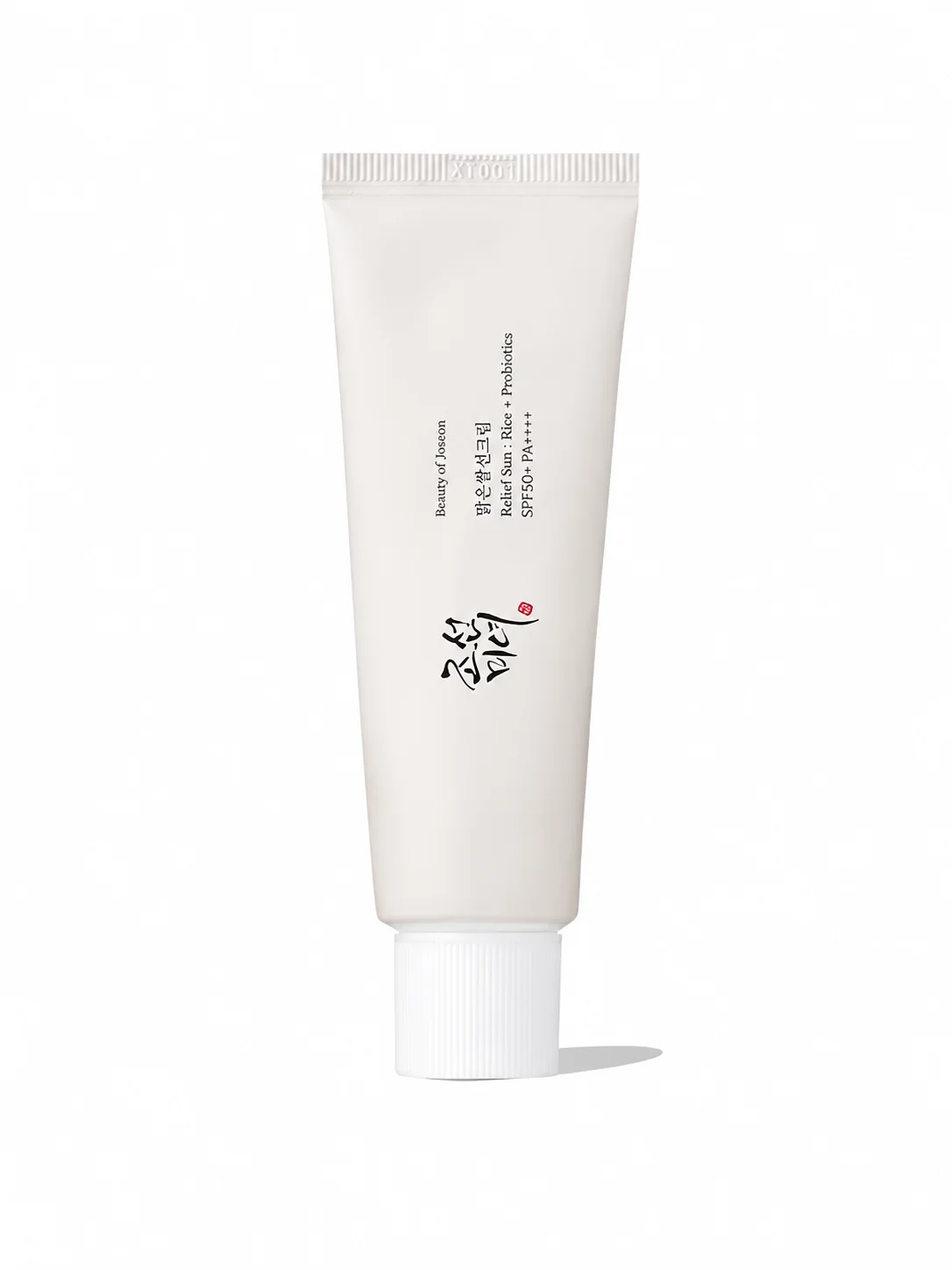
Moisturizing SPF Swap
Beauty of Joseon Relief Sun SPF 50
A Korean sunscreen option for readers comparing lightweight, moisturizing SPF textures for cooler weather. Sunscreen still matters in fall, especially with actives.
Compare Product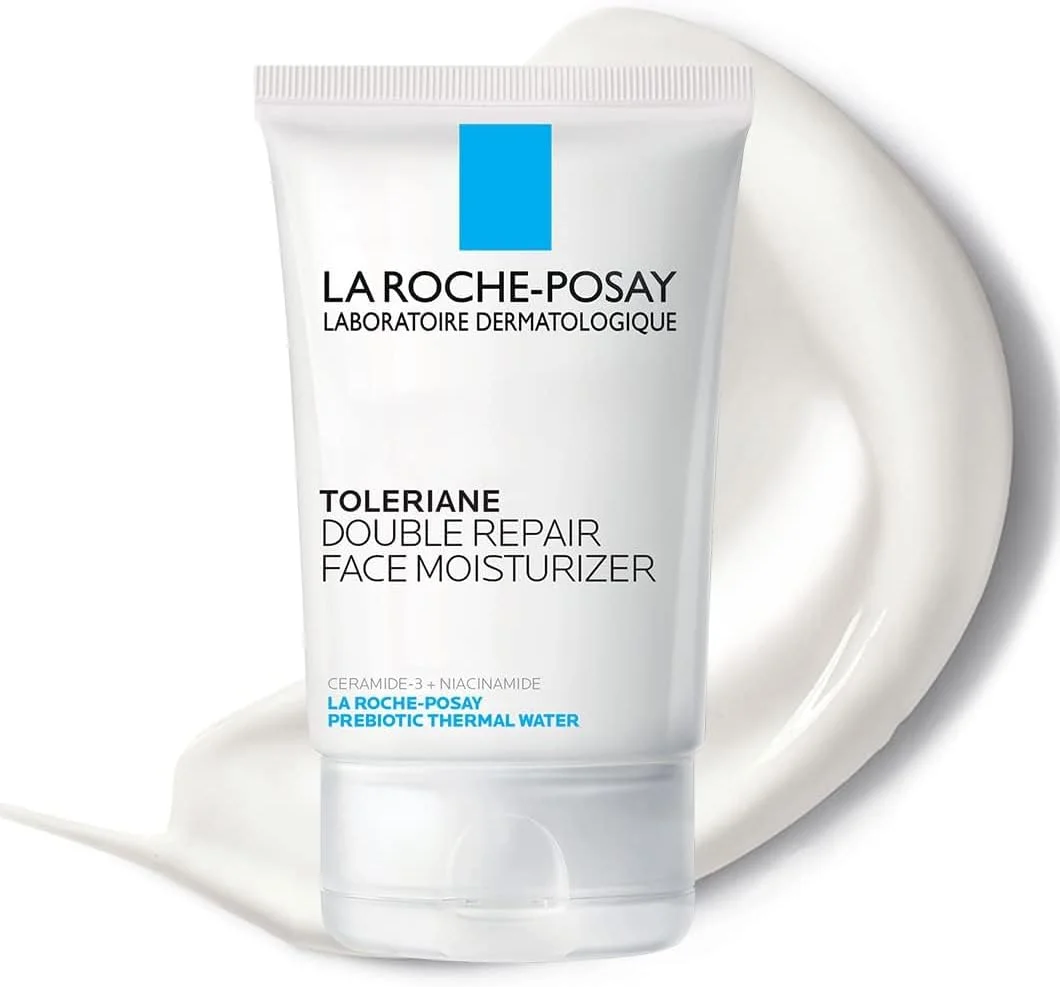
Barrier Moisturizer Swap
La Roche-Posay Toleriane Double Repair Face Moisturizer
A Western moisturizer option when fall skin needs more barrier support. Layer carefully if sunscreen or makeup pills.
Compare Product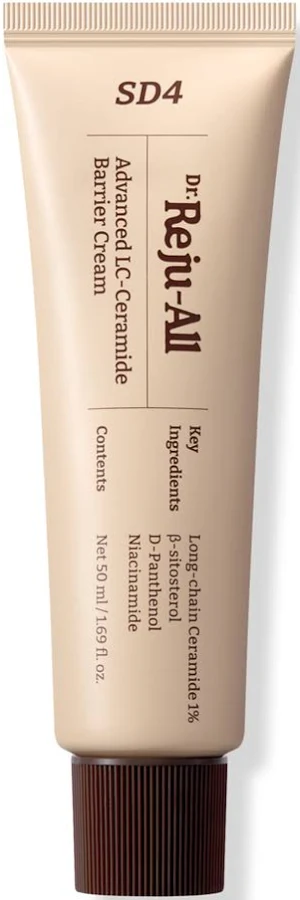
Barrier Cream Swap
Dr. Reju-All Advanced LC-Ceramide Barrier Cream
A Korean ceramide-focused option for recovery nights and fall barrier support. Richer creams may not suit every oily or acne-prone routine.
Compare Product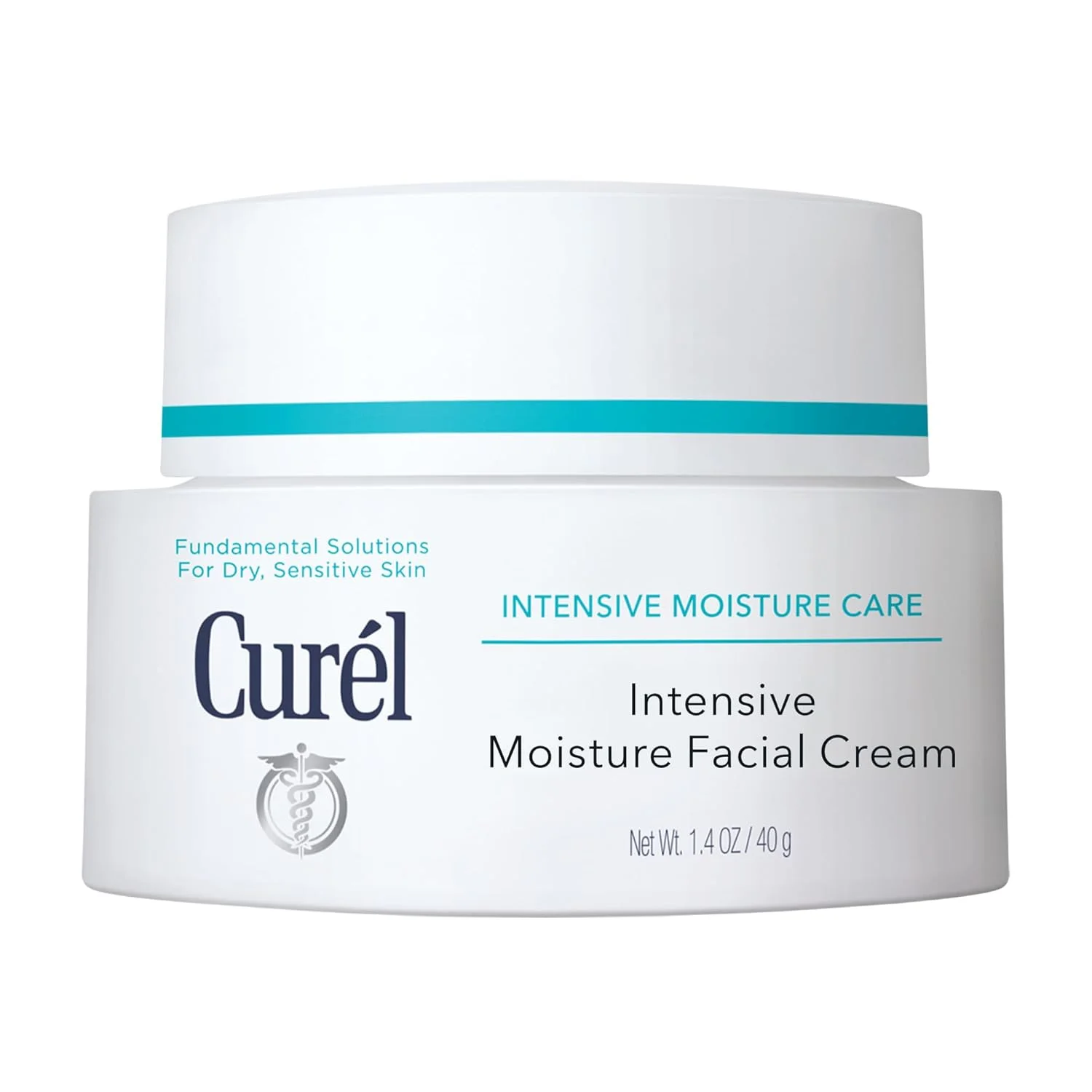
Richer Comfort Cream Swap
Curél Intensive Moisture Facial Cream
A Japanese moisturizer option for dry, sensitive, or easily uncomfortable fall skin. May feel richer than needed for some oily skin types.
Compare Product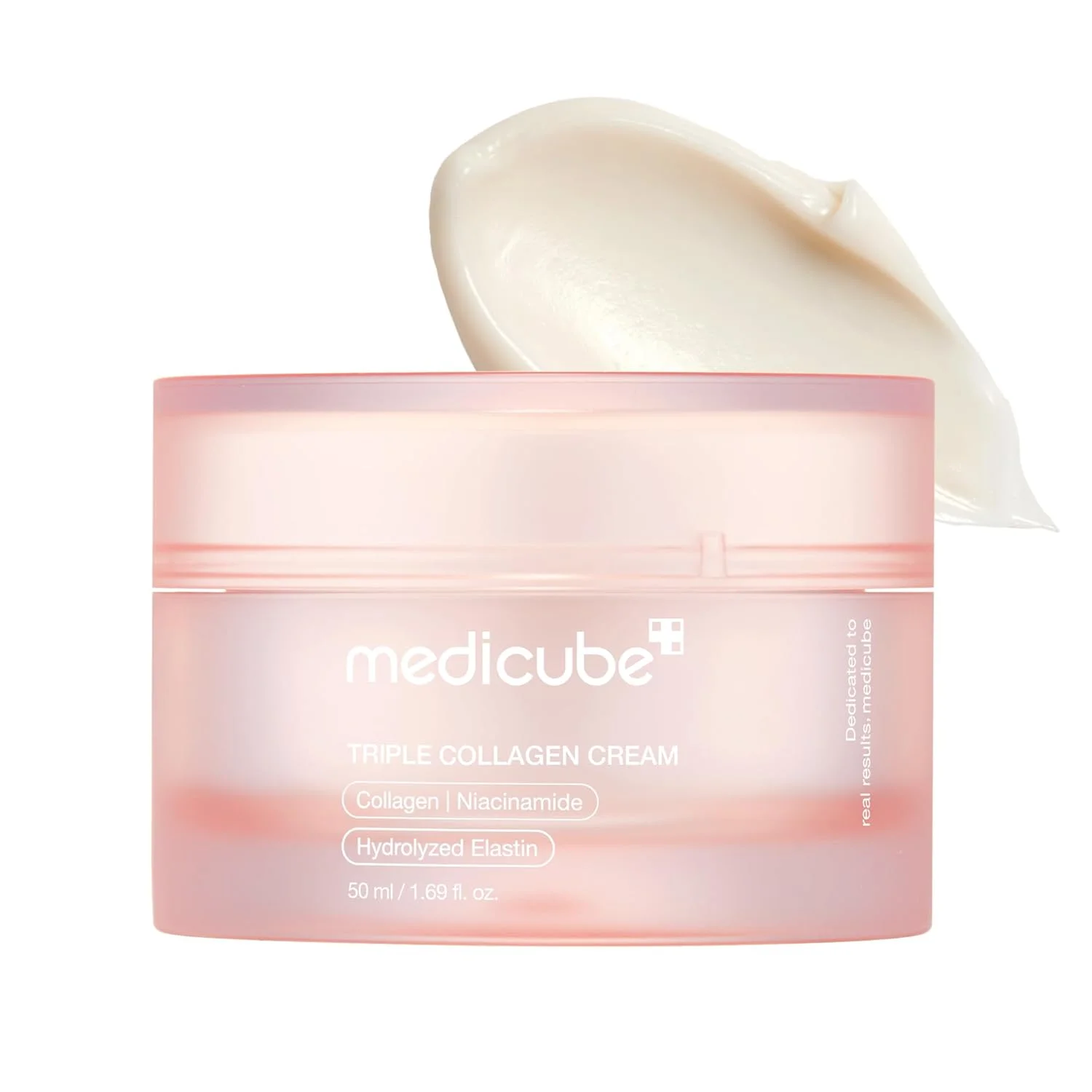
Richer Comfort Cream Swap
Medicube Triple Collagen Cream
A Korean cream option when lightweight summer moisturizer no longer feels like enough. May feel too rich if skin clogs easily.
Compare ProductChoose by need, not by trend. If skin feels tight after cleansing, start with the cleanser swap. If skin feels dry by midday, start with moisturizer. If sunscreen feels too matte or drying, compare a more moisturizing SPF. If skin is irritated, pause strong actives before adding richer products.
Two-Minute Fall Skincare Routine Audit
Before buying another fall skincare product, take two minutes to check how the current routine feels. This quick audit can reveal whether the cleanser, moisturizer, sunscreen, active schedule, or body-care routine needs attention.
- ☐ Does cleansing leave skin feeling tight, shiny, squeaky, or uncomfortable?
- ☐ Does moisturizer stop feeling comfortable before midday?
- ☐ Does sunscreen still apply and layer comfortably over the fall routine?
- ☐ Are too many retinol, exfoliation, or brightening nights scheduled?
- ☐ Are dry lips, hands, neck, chest, or body skin being ignored?
- ☐ Has more than one new product been introduced at the same time?
- ☐ Is burning, persistent stinging, peeling, or worsening irritation being mistaken for purging?
If only one concern applies, start with that part of the routine. Tightness after cleansing suggests checking the cleanser first. Dryness by midday points toward moisturizer or hydration. Pilling may mean the routine has too many layers.
If several concerns apply, simplify the routine before adding trend products. A gentle cleanser, comfortable moisturizer, daily sunscreen, and fewer active nights can create a steadier starting point.
Comfort Mind Body Take: The audit is not a score. It is a way to identify the first useful change without replacing the entire routine.
FAQs
Do I need to change skincare in fall?
What should I change first in fall skincare?
Should I use a heavier moisturizer in fall?
Should I change cleanser in fall?
Do I still need SPF in fall?
Can I use retinol in fall?
Should I exfoliate less in fall?
What skincare should I stop using in fall?
Why does my skin get dry in fall?
Are ectoin and peptides useful in fall?
Should I try microneedling or spicules in fall?
When should I see a dermatologist?
Final Thoughts
The best way to change skincare for fall is to make small, useful swaps. Keep what works, switch what no longer feels comfortable, reduce irritation triggers, and avoid replacing everything at once.
Fall skincare should help skin feel steady before winter. A calmer cleanser, better moisturizer, consistent sunscreen, fewer harsh steps, and more recovery nights can often do more than a crowded routine.
For the full seasonal AM and PM routine, use the main guide: Fall Skincare Routine.
Safety Notes
This article is educational only and is not medical advice. Stop using a product if burning, swelling, hives, blistering, rash, or worsening irritation appears.
Ask a dermatologist or qualified professional for persistent dryness, cracking, bleeding, painful acne, eczema, rosacea, melasma, infected-looking skin, or reactions to many products.
Use sunscreen year-round, especially when using retinol, exfoliating acids, vitamin C, brightening products, peels, microneedling, or other treatment-style steps. Avoid tanning beds.
Microneedling, RF microneedling, laser treatments, peels, and other procedure-style treatments should be discussed with a qualified professional. Avoid aggressive at-home microneedling on irritated, infected, acne-flaring, rosacea-prone, eczema-prone, broken, sunburned, or highly reactive skin.
Helpful Resources
- American Academy of Dermatology: Dermatologists’ Tips To Relieve Dry Skin
- American Academy of Dermatology: Shade, Clothing, And Sunscreen
- InStyle: Skincare Swaps To Make For Fall
- Allure: Dermatologist Fall Skin Tips
- Dermstore: Summer-To-Fall Skincare Transition Tips
- Allure: Biggest Skincare Trends Of 2026
- Vogue: 2026 Skincare Trends
- Glimpse: Google Trends Product Research