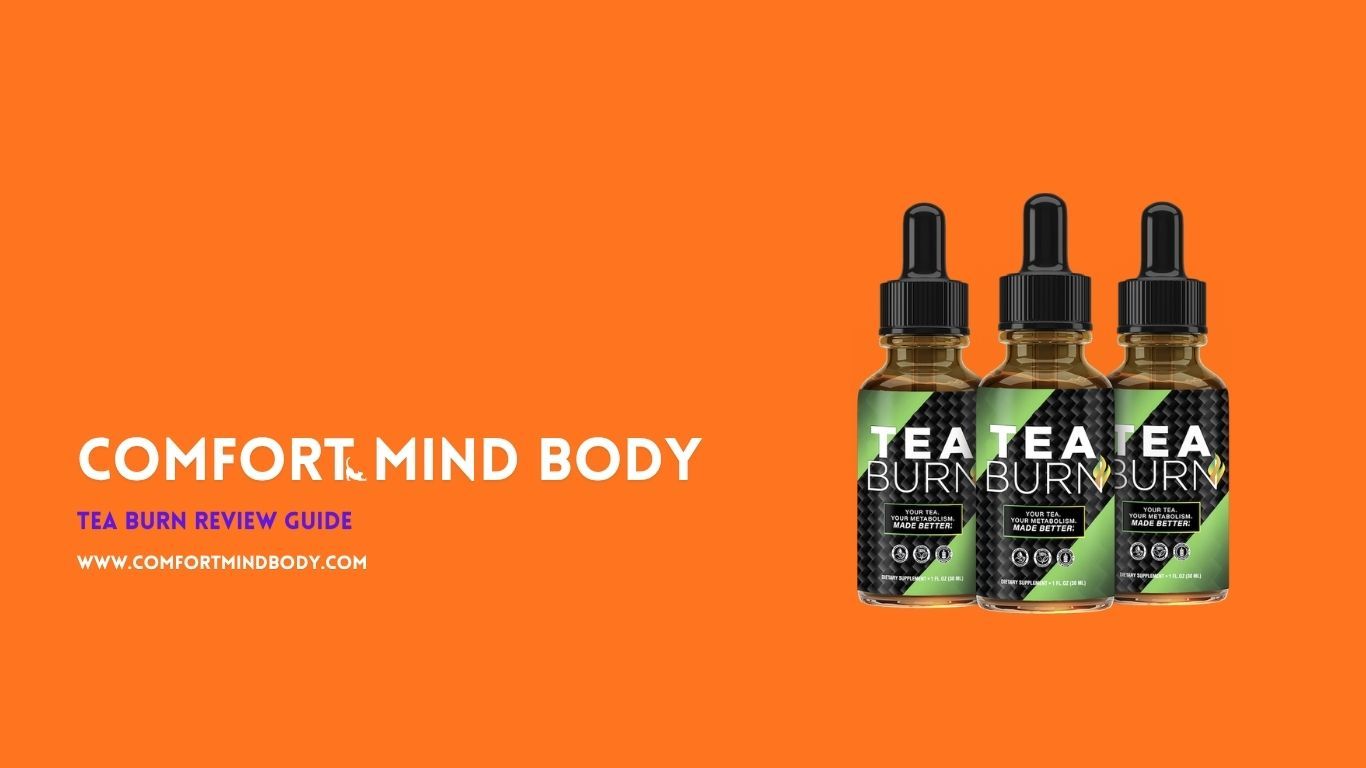
Tea Burn is a drinkable weight loss supplement made to be added to tea. The official page describes it as tasteless, easy to dissolve, and designed to work with hot or cold tea.
That sounds simple. Add it to tea, drink it, and support weight loss. But a supplement still needs a careful review. A tea product can support a routine, but it can also come with strong claims, caffeine concerns, ingredient questions, side effects, refund terms, and buyer confusion.
This Tea Burn review looks at the product in a safety-first way. It covers what Tea Burn claims to do, official ingredient claims, possible side effects, complaints, seller cautions, and whether it fits a realistic weight loss routine.
Tea Burn is not a prescription weight loss medication. It should not be treated like a GLP-1 drug, a fat-loss shortcut, or a replacement for filling meals, movement, sleep, stress care, and realistic calorie awareness.
For the larger drinkable supplement category, start with the Best Drinkable Weight Loss Supplements guide. For a broader supplement comparison, read the Best Weight Loss Supplements guide.
Anna’s Note:
A tea supplement should make a healthy routine easier, not make weight loss sound effortless. If the promise is bigger than the label, the product needs a closer look.
Quick Navigation
ToggleQuick Answer: Is Tea Burn Worth It?
Tea Burn may be worth researching for people who already drink tea and want to compare drinkable weight loss supplements. But it should not be treated as a proven fat-loss shortcut, a metabolism miracle, or a replacement for daily habits.
The safest answer is this: Tea Burn is a dietary supplement. Any possible benefit depends on the current label, ingredient amounts, health history, caffeine tolerance, and the routine around it.
A person may find Tea Burn interesting if it helps replace sugary drinks, creates a calmer tea ritual, or encourages consistency. But a supplement cannot erase eating patterns, low movement, poor sleep, stress eating, or medical needs.
Simple Verdict
- Tea Burn is a supplement added to tea, not a medication.
- It should be judged by the current label and ingredient evidence.
- It should not be treated as a stand-alone weight loss plan.
- Caffeine sensitivity, medications, and health history matter.
- Refund terms and seller source should be checked before buying.
If Tea Burn is used at all, it should be viewed as a possible support tool. It should not become the whole plan.
What Is Tea Burn?
Tea Burn is marketed as a tasteless nutritional supplement that can be mixed into tea. The official page says it can be used with hot or cold tea and is designed to dissolve without changing the flavor.
The product is positioned as a tea-based weight management support tool. It is often promoted around metabolism, fat-burning, hunger, energy, and wellness claims.
The important point is simple. Tea Burn is a dietary supplement. It is not an FDA-approved weight loss drug. It is not a prescription medication. It is not the same as Wegovy, Zepbound, Ozempic, Mounjaro, or any medical weight loss treatment.
Tea Burn Should Be Judged By:
- the current Supplement Facts label
- the ingredient amounts and serving size
- the strength of the weight loss claims
- possible side effects and caffeine concerns
- seller source, refund policy, and checkout terms
This makes Tea Burn different from plain tea. Plain tea is a simple drink. Tea Burn is a supplement added to tea, so it needs a more careful label and safety review.
What Does Tea Burn Claim To Do?
Tea Burn is promoted with several weight management claims. The official page mentions metabolism, fat-burning support, hunger, energy, and overall well-being. It also describes the product as tasteless and easy to mix with tea.
These claims need careful reading. A product can say it supports weight management without proving that it causes meaningful fat loss by itself. Support language is not the same as prescription-level evidence.
A safer way to read Tea Burn claims is to separate what the product suggests from what a buyer should verify.
| Claim Type | What It May Suggest | Better Question To Ask |
|---|---|---|
| Metabolism support | The product may suggest support for how the body uses energy. | Which ingredient supports this claim, and is the dose clear? |
| Fat-burning support | The product may imply easier fat loss when added to tea. | Does the product avoid promising fat loss without habit changes? |
| Hunger support | The product may suggest appetite or craving support. | Is this supported by the ingredient list or mostly marketing language? |
| Energy support | The product may suggest more daily energy or focus. | Could caffeine or stimulant effects affect sleep, anxiety, or heart rate? |
| Works with hot or cold tea | The product is marketed as easy to add to an existing tea routine. | Does convenience make the product useful, or just easier to buy? |
| Tasteless and dissolvable | The product claims it will not change the tea’s flavor. | Are serving size, ingredients, and cautions still easy to understand? |
A claim should make the product easier to understand. If the claim sounds dramatic but the label is unclear, that is a reason to pause before buying.
Sushi’s Note:
A tea routine can be comforting. But comfort is different from proof. The label still needs to do the work.
Tea Burn Ingredients: Official Claims To Check
Tea Burn ingredients should be checked from the current official label before buying. Product pages, bottle labels, and supplement formulas can change over time, so an old review should not be the final source.
The official Tea Burn page discusses ingredients such as chlorogenic acid, Camellia sinensis, chromium, L-carnitine, L-theanine, and a vitamin complex. These ingredients are commonly used in energy, metabolism, focus, or weight management supplement claims.
The important question is not only, “Are these ingredients natural?” A better question is, “What does each ingredient do, how much is included, and is it safe for this person’s health history?”
| Ingredient | Why It May Be Used | Reality Check | Safety Note |
|---|---|---|---|
| Chlorogenic acid | Often connected with coffee bean, metabolism, and blood sugar support claims. | It should not be treated as a stand-alone fat-loss solution. | Blood sugar concerns and medication use should be considered. |
| Camellia sinensis | The tea plant used for green tea, black tea, white tea, and other teas. | Tea may support a low-calorie drink routine, but it does not erase food habits. | Caffeine sensitivity, sleep, anxiety, and heart rate can matter. |
| Chromium | Often used in blood sugar, cravings, and metabolic supplement claims. | Weight-loss effects are usually limited and should not be overstated. | Diabetes medication and blood sugar concerns need professional guidance. |
| L-carnitine | Often marketed for fat metabolism and energy support. | It is not a magic fat burner and works best only within a full routine. | Digestive upset and medication concerns can matter for some people. |
| L-theanine | Often used for calm focus and to balance caffeine-like energy. | Calm focus support is not the same as proven weight loss. | Medication use, sedation, and sensitivity should be considered. |
| Vitamin complex | Often added for energy, wellness, and nutrition support claims. | Vitamins help correct gaps only when a gap exists. They do not directly cause fat loss. | Check total intake if other multivitamins or supplements are used. |
The NIH Office of Dietary Supplements explains that weight loss supplements may include ingredients such as botanicals, caffeine, minerals, and other compounds, but evidence and safety vary. That is why Tea Burn should be judged by the current label, not only by the sales page.
Anna’s Tip:
If a product lists attractive ingredients but does not make the amounts easy to check, the buyer still does not have enough information.
Tea Burn Serum vs Powder: What The Official Page Says
Tea Burn is sometimes described in product language as a serum-style nutritional supplement. The official page says the formula is designed to dissolve quickly and work with hot or cold tea without changing the taste.
This format may sound more advanced than a normal powder, but it should still be reviewed the same way any supplement is reviewed. A buyer should look for serving size, ingredient amounts, warnings, directions, storage instructions, and clear refund terms.
Product format can make a supplement easier to use. It does not prove that the supplement causes weight loss.
| Official-Style Claim | What It Means For The Buyer | What Still Needs Checking |
|---|---|---|
| Tasteless | It may be easier to add to a normal tea routine. | Taste convenience does not prove effectiveness. |
| Instantly dissolvable | It may mix more easily than some powders. | The label and dose still matter more than mixability. |
| Works with hot or cold tea | It may fit different tea habits. | Caffeine, sweeteners, and total drink calories still matter. |
| Nutritional serum format | It is a product-format claim. | Evidence, dosage, safety, and current label clarity still matter. |
A supplement can be convenient and still have limited evidence. Convenience should be treated as a practical feature, not a proof of fat loss.
Sushi’s Note:
Easy to mix is useful. Easy to trust is different. The label still needs to be clear.
Does Tea Burn Really Work For Weight Loss?
Tea Burn should not be treated as a stand-alone weight loss solution. No tea supplement can replace the daily habits that support healthy weight management.
If Tea Burn helps at all, the effect would likely be indirect. It may support a tea routine, replace higher-calorie drinks, or add ingredients commonly used in weight loss supplements. But that does not prove that Tea Burn alone causes meaningful fat loss.
A person can use a drinkable supplement and still not lose weight if meals, portions, protein, fiber, movement, sleep, stress, and overall consistency are not supporting the goal.
Tea Burn Reality Check
- It does not replace balanced meals.
- It does not erase extra calories from sugary drinks or snacks.
- It does not spot-reduce belly fat.
- It should not be used to ignore poor sleep or low movement.
- Results can vary, even when directions are followed.
The better question is not, “Will Tea Burn melt fat?” The better question is, “Does this product solve a real routine problem?”
For calorie planning support, read How Many Calories Should I Eat To Lose Weight?.
Anna’s Note:
A supplement can support a routine. It cannot do the routine for the body.
Tea Burn And Tea: What To Know
Tea Burn is designed to be added to tea, so it helps to understand the tea routine first. Plain tea is usually very low in calories. It can be a helpful drink swap when it replaces sugary drinks, sweet coffee, soda, juice, or high-calorie café drinks.
However, tea itself does not become a weight loss meal. Adding Tea Burn to tea does not make the drink a complete breakfast, lunch, or dinner. A person still needs enough protein, fiber, real meals, hydration, and daily energy.
Tea can also contain caffeine, depending on the type. Black tea, green tea, white tea, and matcha can all add caffeine. If Tea Burn is used with caffeinated tea, total caffeine intake should be considered.
| Tea Habit | Why It May Help | What To Watch |
|---|---|---|
| Plain unsweetened tea | Can replace sugary drinks with a low-calorie option. | Caffeine may still matter depending on the tea type. |
| Tea with sugar, honey, or syrup | May feel comforting and easy to repeat. | Added sugar can quietly raise daily calories. |
| Tea with cream or milk | May feel more satisfying for some people. | Calories can rise quickly depending on the amount used. |
| Tea Burn added to tea | May fit an existing tea routine and feel easy to use. | It is still a supplement, so label, dose, cautions, and claims matter. |
| Tea used instead of a meal | May reduce calories short term. | Can lead to hunger, low protein, cravings, or overeating later. |
A safer tea routine should feel steady, not restrictive. Tea can support hydration and a calming ritual, but it should not replace the food the body needs.
Sushi’s Note:
Tea can be part of a calm routine. It becomes a problem when a drink is expected to do the work of a real meal.
Tea Burn Side Effects And Safety Cautions
Tea Burn side effects can vary from person to person. A supplement may feel easy for one person and cause symptoms for another. Health history, medications, caffeine tolerance, digestion, sleep, and dose all matter.
Possible supplement-related side effects may include stomach upset, nausea, headache, reflux, sleep changes, jitters, anxiety, or digestive discomfort. If Tea Burn is used with caffeinated tea, total caffeine intake should be considered.
Ingredients such as chromium, tea extracts, chlorogenic acid, and L-carnitine may also matter for people with blood sugar concerns, medication use, digestive sensitivity, or medical conditions.
| Safety Area | Why It Matters | Ask First If... |
|---|---|---|
| Caffeine sensitivity | Tea and supplement ingredients may affect sleep, jitters, anxiety, or heart rate. | There is insomnia, anxiety, heart rhythm concern, or stimulant sensitivity. |
| Blood sugar | Chromium and other ingredients may matter for glucose control. | There is diabetes, prediabetes, low blood sugar, or diabetes medication use. |
| Digestion | Some ingredients may cause nausea, reflux, cramps, or stomach upset. | There is reflux, IBS, digestive disease, or sudden severe stomach pain. |
| Medication use | Supplements can interact with prescriptions, OTC drugs, and other supplements. | Any prescription medication is being used. |
| Pregnancy or breastfeeding | Weight loss supplements are usually not casual choices during these times. | A person is pregnant, breastfeeding, or trying to become pregnant. |
| Eating history | Diet products can increase restriction, food fear, or obsessive tracking for some people. | There is a history of an eating disorder or obsessive restriction. |
A person should stop and seek medical help if symptoms feel severe or unusual. Chest pain, fainting, severe allergic reaction, severe abdominal pain, black or bloody stools, racing heart, or sudden mood changes should not be ignored.
Safety Reminder:
Side effects are not proof that a supplement is working. They are information from the body.
Tea Burn Complaints And Buyer Cautions
Tea Burn complaints may come from different issues. Some buyers may be disappointed with results. Others may have questions about shipping, refunds, seller pages, bundle pricing, or expectations created by the sales copy.
A complaint does not automatically prove a product is fake. But it does show what a buyer should check before ordering. Weight loss supplement pages often use strong claims, urgency, discounts, and long sales pages. Those signals deserve careful reading.
The FTC warns that weight loss ads can use unrealistic promises, including claims that results happen without meaningful changes. Any Tea Burn page that makes the process sound effortless should be reviewed with caution.
| Buyer Concern | Why It Matters | What To Check Before Buying |
|---|---|---|
| Refund confusion | Buyers may not understand return windows, conditions, or shipping responsibilities. | Read the refund policy before checkout and save order details. |
| Fake or duplicate seller pages | Popular supplements may have lookalike pages or confusing sellers. | Check the website address, seller details, and contact information. |
| Bundle pressure | Large discounts can push a person to buy more before testing tolerance. | Make sure the first purchase still feels reasonable without pressure. |
| Unrealistic results | Before-and-after stories may not reflect typical results. | Look for realistic claims, safety notes, and clear ingredient information. |
| Missing label clarity | A buyer cannot judge safety well without the full label and serving size. | Pause until the Supplement Facts label is visible and readable. |
A safe buying decision should feel clear. The label should be clear. The seller should be clear. The refund terms should be clear. If the page creates urgency, fear, or confusion, that is a reason to slow down.
Anna’s Tip:
Complaints are useful because they show what to check before buying. Look at the product, but also look at the seller, billing terms, refund rules, and proof behind the claims.
Optional Product Check
Compare Tea Burn Before Buying
If a person is still interested in Tea Burn, the safest next step is to review the current label, ingredient claims, serving directions, price, refund terms, and seller details before ordering.
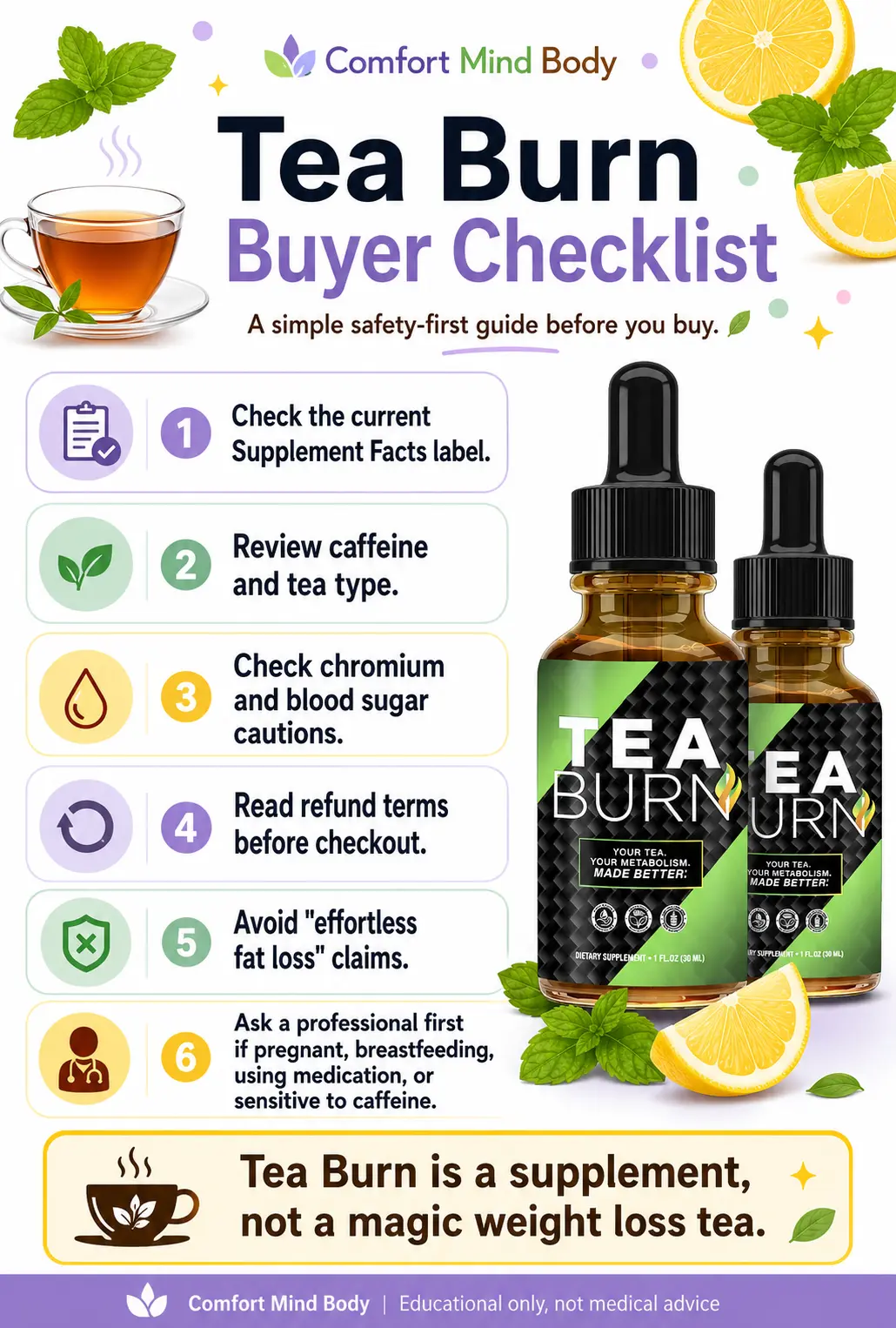
- ✓ Check the current Supplement Facts label and serving directions.
- ✓ Review caffeine-related cautions, medication concerns, and side effects.
- ✓ Read refund terms and seller details before checkout.
Affiliate link. Comfort Mind Body may earn a small commission at no extra cost to the reader. Educational only. Not medical advice.
Is Tea Burn Safe?
Tea Burn may be tolerated by some people, but that does not mean it is safe for everyone. Safety depends on the current label, ingredient amounts, tea choice, caffeine intake, health history, medications, and how the body responds.
“Natural” does not automatically mean risk-free. Dietary supplements can still cause side effects, interact with medications, or be inappropriate for certain health conditions.
The FDA explains that dietary supplements are not approved for safety and effectiveness before they are marketed. That is why a product like Tea Burn should be checked carefully before use.
Safety Questions Before Using Tea Burn
- Is the full Supplement Facts label easy to read?
- Are ingredient amounts and serving directions clear?
- Does the person already drink caffeinated tea or coffee?
- Could any ingredient affect blood sugar, sleep, anxiety, digestion, or heart rate?
- Are prescription medications or other supplements already being used?
- Is there pregnancy, breastfeeding, or a medical condition that needs guidance first?
A safer choice should feel calm and clear. If a product requires ignoring symptoms, rushing a purchase, or trusting claims without a label, it is not a good sign.
Tea Burn vs Regular Tea
Tea Burn should be compared with regular tea because the product is designed to be added to tea. This comparison helps separate the benefits of a tea habit from the claims of a supplement.
Plain tea can be a helpful low-calorie drink. It may support hydration and replace sugary drinks. Tea Burn is different because it adds supplement ingredients to that routine.
| Drink Option | What It Offers | Main Caution |
|---|---|---|
| Plain unsweetened tea | Low-calorie drink, hydration support, and a calm routine. | Caffeine can still matter depending on the tea type. |
| Tea with sugar, honey, or cream | Comfort, taste, and a more satisfying drink for some people. | Added calories can build up quickly. |
| Green tea extract | A concentrated supplement form sometimes used for metabolism claims. | More concentrated than brewed tea and may carry more side-effect risk. |
| Tea Burn added to tea | A supplement add-on that may fit an existing tea routine. | Claims, ingredients, side effects, and seller terms need careful checking. |
| Meal replacement shake | Can provide protein, calories, and meal structure when a meal is skipped. | Different category. It is not the same as tea or a tea supplement. |
This comparison matters because a tea habit and a supplement claim are not the same thing. Tea may be useful on its own, especially when it replaces sugary drinks. Tea Burn needs a separate label and safety review.
Sushi’s Note:
Plain tea is simple. Tea Burn is a supplement. That difference matters before buying.
Tea Burn vs Other Drinkable Supplements
Tea Burn belongs in the drinkable supplement category. That means it should be compared with other drinkable tools, not only with other tea products.
A person looking at Tea Burn may actually need protein, fiber, meal structure, hydration, or a safer drink swap. Comparing the category can make the decision clearer.
| Drinkable Option | Best Use | Main Caution |
|---|---|---|
| Tea Burn | A tea supplement to compare if a person already has a tea routine. | It should not be treated as a proven fat-loss shortcut. |
| Protein shake | Useful when meals are low in protein. | Can add calories if used on top of full meals. |
| Fiber drink | May support fullness and digestion. | Needs water and gradual use to avoid discomfort. |
| Meal replacement shake | Helpful when a normal meal would otherwise be skipped. | Should not replace most meals without medical guidance. |
| Slimming tea | Usually not a strong first choice for fat loss. | Watch laxatives, dehydration, cramps, and temporary scale changes. |
| Detox drink | Often marketed for cleansing or quick scale drops. | Detox claims do not prove fat loss. |
For a broader comparison, read the Best Drinkable Weight Loss Supplements guide.
Anna’s Tip:
The best drinkable supplement is the one that solves the real problem. If the problem is low protein, tea may not be the missing tool.
Who Should Avoid Tea Burn?
Tea Burn is not the right fit for everyone. Even if a supplement is added to tea and described as natural, it can still affect the body. Ingredients, caffeine exposure, health history, and medication use all matter.
Some people should avoid Tea Burn or speak with a qualified healthcare professional before using it. This is especially important when a supplement may affect blood sugar, blood pressure, digestion, sleep, anxiety, appetite, or medication safety.
| Ask A Professional First If... | Why It Matters |
|---|---|
| There is caffeine sensitivity, anxiety, or insomnia. | Tea and supplement ingredients may affect sleep, jitters, mood, or heart rate. |
| There is high blood pressure, heart disease, or heart rhythm concern. | Stimulant-like effects and caffeine intake may not fit every heart or blood pressure history. |
| There is diabetes, prediabetes, or blood sugar medication use. | Chromium and other ingredients may matter for blood sugar safety. |
| There is reflux, IBS, or digestive disease. | Tea, caffeine, and supplement ingredients may trigger stomach discomfort for some people. |
| A person is pregnant, breastfeeding, or trying to become pregnant. | Weight loss supplements are usually not a casual choice during these times. |
| There is kidney disease, liver disease, or thyroid concern. | Some ingredients may not fit every medical condition or medication plan. |
| There is a history of an eating disorder or obsessive restriction. | Diet supplements can increase food fear, control, or unsafe restriction patterns. |
| Prescription medications or multiple supplements are already being used. | Supplement interactions can happen, even with natural ingredients. |
A person should also stop and get help if Tea Burn or any supplement causes chest pain, fainting, severe stomach pain, allergic reaction, racing heart, black or bloody stools, severe mood changes, or symptoms that feel unusual.
Safety Reminder:
A tea supplement should not require pushing through warning signs. If the body feels worse, the safer answer is support and a better plan.
Better Alternatives To Consider First
Before buying Tea Burn, it helps to ask what problem the product is supposed to solve. Many people buy weight loss drinks when the real issue is low protein, low fiber, skipped meals, sugary drinks, poor sleep, or stress eating.
A simpler tool may be more useful than a tea supplement. This does not mean Tea Burn must be avoided by everyone. It means the first choice should match the real problem.
| Real Problem | What May Help First | Why It May Be Better |
|---|---|---|
| Sugary drink habit | Plain tea, unsweetened green tea, sparkling water, or low-sugar coffee. | Replacing sugar can support weight loss without adding a supplement. |
| Low protein meals | Protein shake, Greek yogurt, eggs, tofu, fish, beans, or cottage cheese. | Protein supports fullness and muscle maintenance during weight loss. |
| Hunger between meals | Fiber-rich foods, psyllium, vegetables, berries, oats, chia, or flaxseed. | Fiber can support fullness and digestion more directly than a vague fat-burning claim. |
| Skipped breakfast | Meal replacement shake, simple protein breakfast, or prepared snack plan. | Meal structure can prevent overeating later in the day. |
| Stress eating | Mindful eating, walking, sleep support, journaling, or stress care. | A supplement does not fix the emotional trigger behind the eating pattern. |
| Medical weight concerns | Doctor-guided care, lab review, medication review, or dietitian support. | Some weight concerns need medical context before supplements are added. |
For a safer foundation, read the Healthy Weight Loss Guide. For food-first support, visit Natural Weight Loss Remedies. For calmer eating patterns, the Mindful Eating For Weight Loss guide may help.
Sushi’s Note:
The best alternative is not always another supplement. Sometimes it is a steadier breakfast, a lower-sugar drink, or a calmer evening routine.
Final Verdict: Is Tea Burn Legit Or Hype?
Tea Burn appears to be a real supplement product with a defined official offer, ingredient claims, and refund language. But that does not automatically mean it is necessary, proven to cause major fat loss, or right for every person.
The safest way to judge Tea Burn is to look at the current label, ingredient evidence, side effects, tea routine, seller source, refund terms, and whether the product supports a realistic routine.
Tea Burn should not be treated as a prescription medication, a GLP-1 product, or a magic fat-burning tea. It should also not replace filling meals, movement, sleep, stress care, calorie awareness, or medical guidance when needed.
Comfort Mind Body Verdict
Tea Burn is best viewed as a tea-based supplement to research carefully, not a magic weight loss answer. A person who is still interested should check the full label, avoid unrealistic claims, review seller and refund terms, and ask a healthcare professional first if medical conditions or medications are involved.
The best weight loss plan is still the one the body can live with. If a product makes the process feel urgent, confusing, expensive, or risky, it may not be the right tool.
Anna’s Reminder:
The goal is not to find the strongest tea hack. The goal is to build a steady routine that protects comfort, supports the mind, and respects the body.
Frequently Asked Questions About Tea Burn
What is Tea Burn?
Tea Burn is a dietary supplement marketed to be mixed into tea. The official page describes it as tasteless, easy to dissolve, and usable with hot or cold tea. It should be reviewed as a supplement, not as a medication.
Does Tea Burn really work?
Tea Burn should not be treated as a stand-alone weight loss solution. Any possible benefit would depend on the current label, ingredient amounts, tea routine, health history, and the habits around it. Meals, movement, sleep, and consistency still matter most.
Is Tea Burn legit?
Tea Burn appears to be a real supplement product with an official sales page and ingredient claims. That does not automatically mean it is proven, necessary, or right for every person. A buyer should check the label, seller source, refund terms, and realistic claims before ordering.
Is Tea Burn FDA-approved?
Tea Burn is a dietary supplement, not an FDA-approved weight loss drug. Dietary supplements are not approved by the FDA for safety and effectiveness before they are marketed, so label clarity and safety cautions matter.
What are Tea Burn ingredients?
The official Tea Burn page discusses ingredients such as chlorogenic acid, Camellia sinensis, chromium, L-carnitine, L-theanine, and a vitamin complex. The current Supplement Facts label should always be checked before buying because formulas and labels can change.
Is Tea Burn a serum or powder?
Tea Burn is described on the official page with serum-style supplement language and is marketed as easy to dissolve in tea. Product format can make it convenient, but it does not prove weight loss results by itself.
Does Tea Burn have side effects?
Possible side effects may include stomach upset, nausea, headache, reflux, sleep changes, jitters, anxiety, or digestive discomfort. Caffeine tolerance, medications, blood sugar concerns, and health history can all affect safety.
Can Tea Burn be used with any tea?
The official page says Tea Burn can be used with hot or cold tea. A person should still consider the type of tea, total caffeine intake, added sugar, milk, cream, and whether the drink replaces or adds to the daily routine.
Does Tea Burn contain caffeine?
Tea Burn is used with tea, and some Tea Burn ingredients are related to tea compounds. The total caffeine impact depends on the formula and the tea used with it. Anyone sensitive to caffeine should check the label and ask a professional if unsure.
Who should avoid Tea Burn?
A person should ask a healthcare professional first if there is pregnancy, breastfeeding, caffeine sensitivity, anxiety, insomnia, high blood pressure, heart disease, diabetes, reflux, kidney or liver disease, eating disorder history, unexplained weight changes, or medication use.
Sources And Safety Notes
This Tea Burn review is educational and is not a substitute for medical advice. Weight loss supplements can affect people differently based on age, health history, medications, pregnancy status, breastfeeding, blood pressure, blood sugar, digestion, sleep, anxiety, eating history, activity level, and current symptoms.
Tea Burn is a dietary supplement, not an FDA-approved weight loss medication. Dietary supplements are different from prescription drugs and over-the-counter medications. They should not be described as working like prescription weight loss medications or GLP-1 drugs.
Anyone with diabetes, heart disease, high blood pressure, kidney disease, liver disease, digestive disease, thyroid concerns, pregnancy, breastfeeding, eating disorder history, unexplained weight changes, dizziness, faintness, chest pain, racing heart, severe digestive symptoms, stimulant sensitivity, or medication use should speak with a qualified healthcare professional before using Tea Burn or any weight loss supplement.
The safest supplement choice is one that has a clear label, realistic claims, transparent seller information, honest cautions, and a purpose that supports a realistic routine.
Affiliate And Medical Disclosure
This article is for educational and informational purposes only. It is not medical advice and should not replace guidance from a doctor, registered dietitian, pharmacist, or qualified healthcare professional.
Some links on Comfort Mind Body may be affiliate links. This means the site may earn a small commission if a purchase is made through certain links, at no extra cost to the reader.
Affiliate partnerships do not determine safety guidance. Product mentions should focus on ingredients, realistic claims, possible side effects, medication cautions, refund terms, seller clarity, and whether the product fits a healthy routine.
Tea Burn, tea supplements, slimming teas, detox products, drinkable weight loss supplements, appetite-support products, and fat-burning claims should be compared carefully before use. Medical guidance is important when health conditions, pregnancy, breastfeeding, medication use, stimulant sensitivity, digestive symptoms, or unusual symptoms are present.