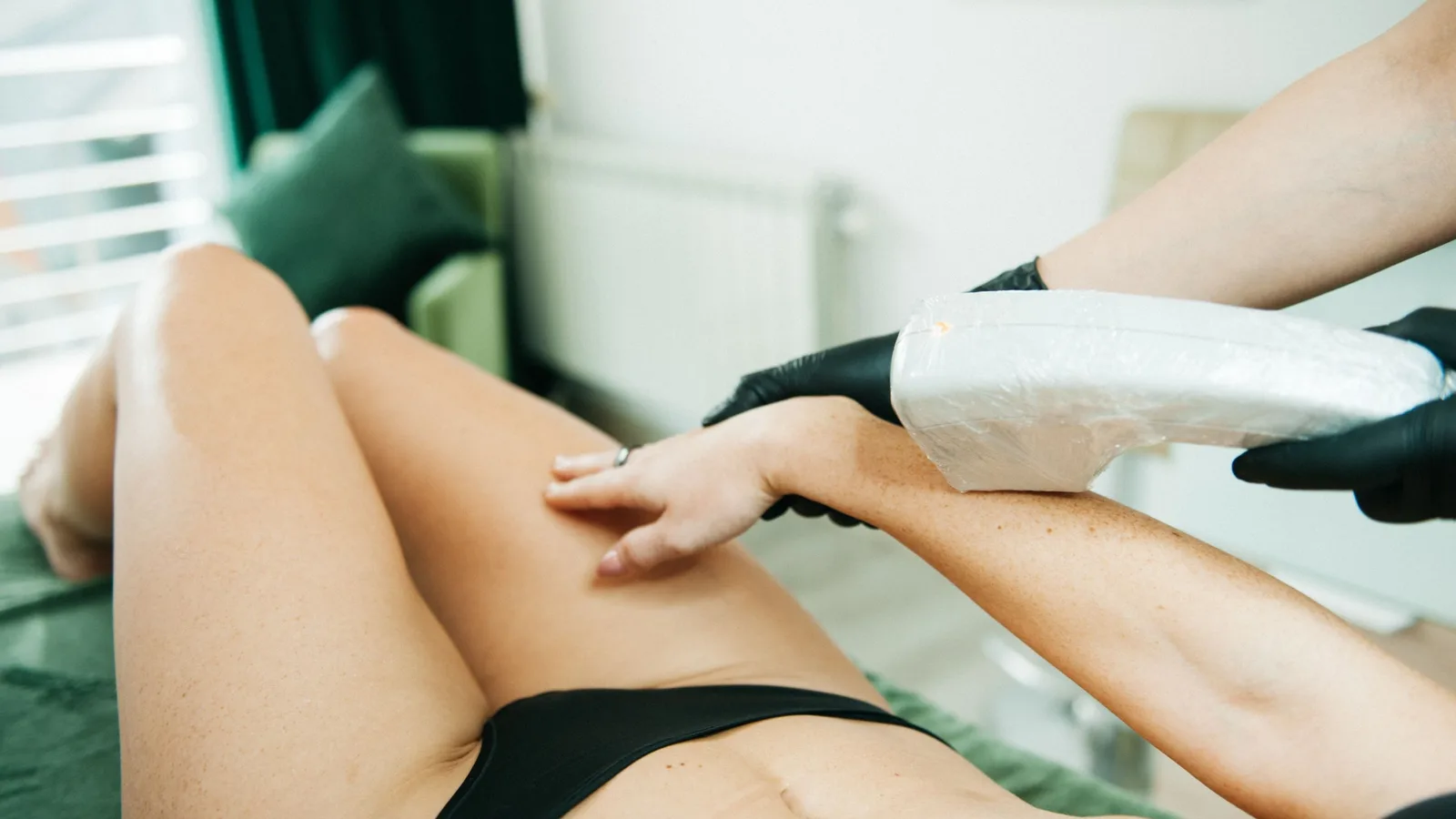
Light-based hair removal device held over a woman’s leg during a hair removal session

Permanent Hair Removal at Home: Does At-Home Laser Hair Removal Work?

Last updated: November 2026. Updated based on research, Ulike’s current lineup and dermatology guidance.

Affiliate disclosure: This post contains affiliate links. If you buy through them, Comfort Mind Body may earn a small commission at no extra cost to you. Read my affiliate disclosure.

How this guide was made: we haven’t used a Ulike device ourselves, so every device here is marked “Worth comparing” and described from Ulike’s own product pages. Researched with American Academy of Dermatology and Cleveland Clinic guidance. Drafted with AI help, then edited by Anna.

Please note: this is general education, not medical advice. Check with a dermatologist before using IPL if you have a skin condition, tattoos in the area, or take light-sensitizing medication.

Shaving every other day, waxing appointments, razor bumps on the bikini line: at some point most of us wonder if there’s a way to just be done with it. Welcome to Comfort Mind Body, where I look into the things I’m curious about before spending money on them, and permanent hair removal at home was high on that list.

Here’s what at-home laser hair removal can actually do, who it suits (and who it doesn’t), how often to use it, how to use it without burning your skin, and how Ulike’s current models compare, plus what happened to the Ulike Air 3 and Air+.

Yes, IPL hair removal does work, for the right person. At-home IPL reduces hair regrowth over a few weeks of regular sessions, and works best on light to medium skin with dark hair. It’s “permanent hair reduction”, not removal: most people keep some finer, lighter hair and need touch-ups every few weeks. It doesn’t work on blonde, red, grey or white hair, and it isn’t safe for very dark skin.

Permanent Hair Removal at Home: What “Permanent” Really Means

The word “permanent” gets used loosely. At-home IPL devices are FDA-cleared for “permanent reduction in hair regrowth”, which means fewer hairs grow back over the long term, not zero. Even professional laser works this way: the American Academy of Dermatology says most people stay hair-free for months or even years, and any regrowth tends to be finer and lighter.

So think of IPL as “shave a lot less”, not “never shave again”. If you want the closest thing to truly permanent, professional laser or electrolysis at a dermatologist’s office is the stronger option.

IPL vs Laser Hair Removal: What’s the Difference?

How Does IPL Hair Removal Work?

IPL (intense pulsed light) sends a broad flash of light into the skin. The pigment in the hair absorbs it, heats up and damages the follicle, so the hair grows back slower and thinner. Because it targets pigment, it needs contrast: dark hair against lighter skin. Hair grows in cycles, which is why you repeat sessions for several weeks to catch each hair while it’s actively growing.

Laser uses one focused wavelength instead of a broad flash, so it’s stronger and more precise. Professional lasers can also be tuned for darker skin, which home IPL devices can’t do safely. Both are less powerful at home than in a dermatologist’s office.

Laser Hair Removal at Home vs Professional

At-home IPLProfessional laserShavingWaxing
Results lastMonths, with touch-upsMonths to years1 to 3 days3 to 6 weeks
SessionsAbout 3 a week for a month, then 1 to 2 a monthUsually 2 to 6, 4 to 6 weeks apartEvery few daysEvery few weeks
CostOne device, a few hundred dollarsPer session, adds upLow but ongoingOngoing
Skin tonesLight to medium onlyWider range, with the right laserAllAll
Feels likeA warm snapA stronger snapNothing (until bumps)Painful
Razor bumps and ingrownsFewer over timeFewer over timeCommonCommon

Is At-Home Laser Hair Removal Safe for Dark Skin? Skin Tone and Hair Color

This matters more than which device you buy. Ulike says IPL works best on dark hair and fair skin, is least effective on blonde, grey and red hair, and isn’t suitable for very dark skin. Cleveland Clinic’s dermatologist says the same: these devices rely on contrast, and darker skin absorbs more of the light, which raises the risk of burns and dark or light patches.

Your hairFair to medium skinTan skinDeep skin
Black or dark brownWorks wellGo slowly, check the chartNot suitable
BrownWorks wellGo slowly, check the chartNot suitable
Dark blondeLimitedLimitedNot suitable
Light blonde, red, grey or whiteWon’t workWon’t workNot suitable

If you’re not in the “works well” zone, a dermatologist can use lasers made for darker skin, which home devices can’t safely match.

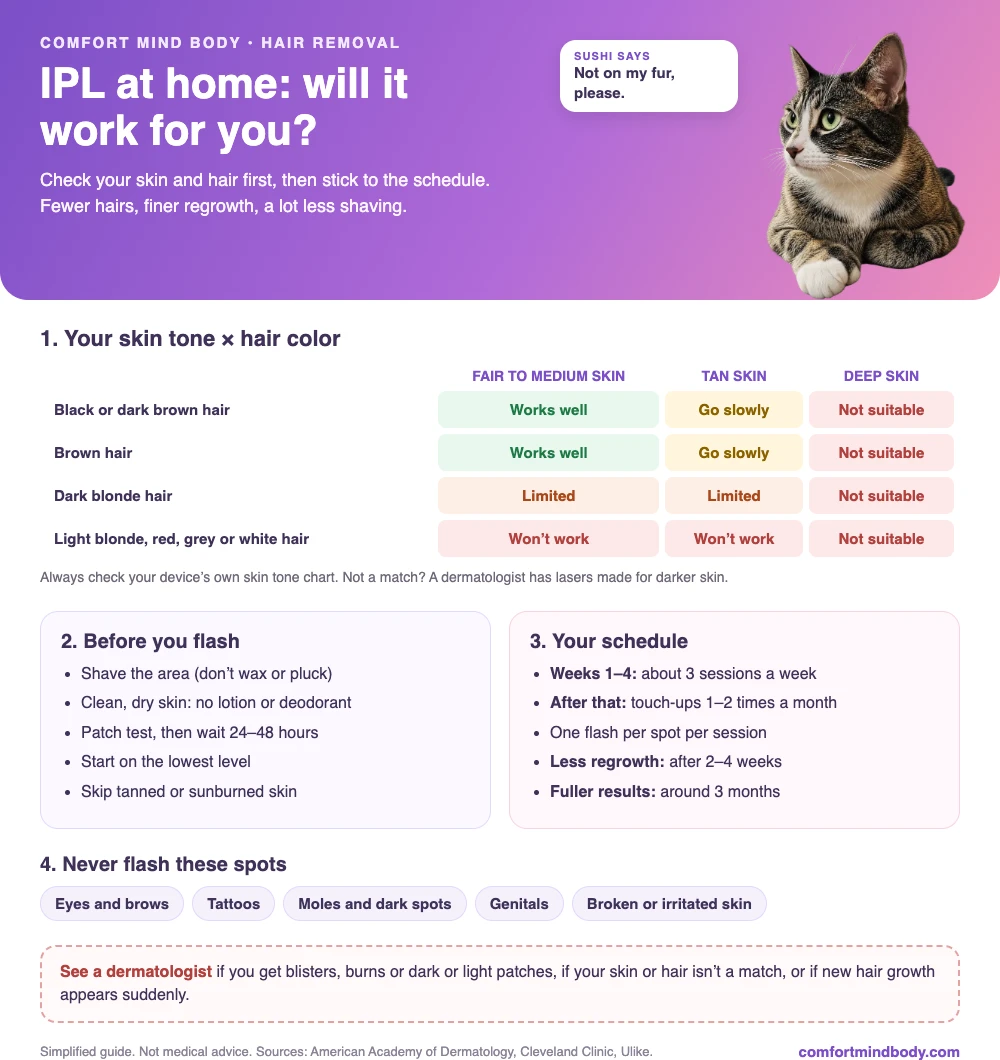
Infographic: whether at-home IPL hair removal works for your skin tone and hair color, what to do before you flash, the treatment schedule and spots to avoid, with Sushi the cat
Save it: will at-home IPL work for you?
Read the infographic text

Sushi says: Not on my fur, please.

Your skin tone and hair color: Black, dark brown or brown hair works well on fair to medium skin; on tan skin, go slowly and check the chart. Dark blonde hair gets limited results. Light blonde, red, grey or white hair won’t respond. Home IPL isn’t suitable for deep skin, whatever the hair color.

Before you flash: Shave the area (don’t wax or pluck). Start with clean, dry skin, no lotion or deodorant. Patch test, then wait 24 to 48 hours. Start on the lowest level. Skip tanned or sunburned skin.

Your schedule: About 3 sessions a week for weeks 1 to 4, then touch-ups 1 to 2 times a month. One flash per spot per session. Less regrowth after 2 to 4 weeks, fuller results around 3 months.

Never flash these spots: Eyes and brows, tattoos, moles and dark spots, genitals, broken or irritated skin.

See a dermatologist if you get blisters, burns or dark or light patches, if your skin or hair isn’t a match, or if new hair growth appears suddenly.
Ulike Air 10 vs Air 4: Which One to Compare

Ulike currently sells two main IPL devices in the US. Ulike says both are FDA-cleared for hair removal, both have Sapphire Ice Cooling to keep the skin cool during flashes, and both follow the same schedule: about three sessions a week for the first month, then touch-ups. The differences are speed, power and price.

Ulike Air 10Ulike Air 4
Price on Ulike’s site$349 regular price; often on sale$259 regular price; often on sale
Ulike’s hair reduction claim96% in 2 weeks (lab test)95.8% in 4 weeks
Full-body sessionAbout 10 minutesAbout 12 minutes
ModesFast, Normal, High, plus Super Hair RemovalSoft, Body, Power and USHR
Skin protectionSkin-tone sensing that lowers or blocks the flashSapphire Ice Cooling
Best forLarge areas and thicker hairSmaller budgets and smaller areas
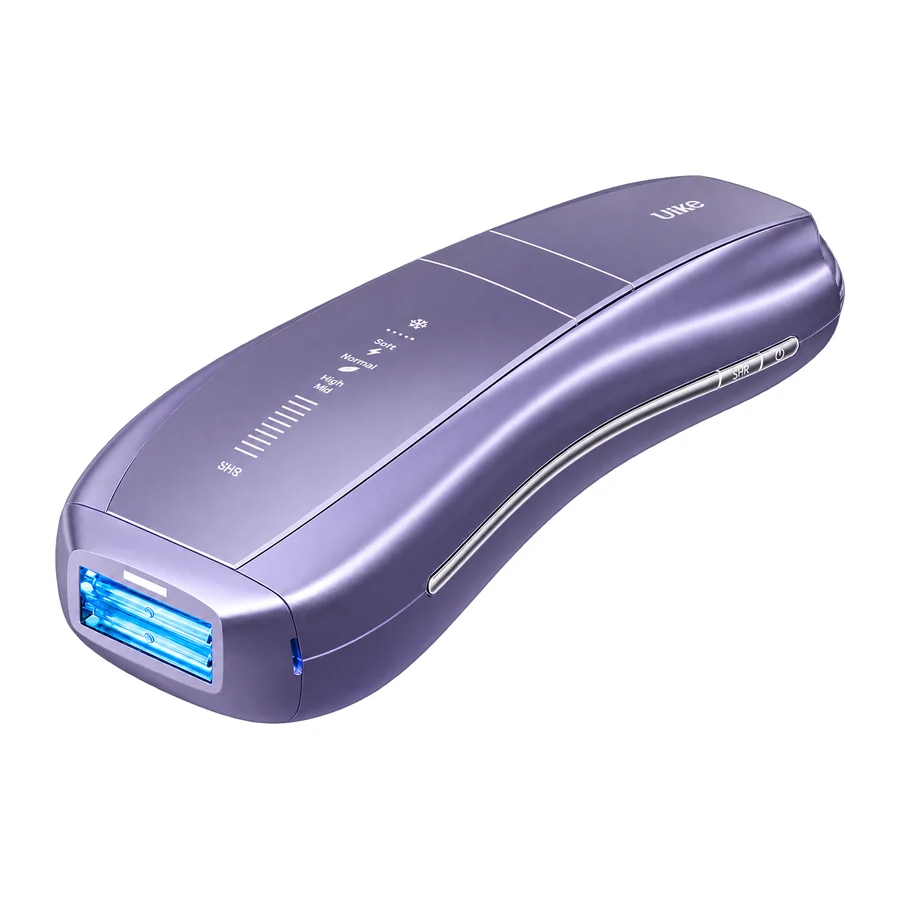
Ulike Air 10 purple at-home IPL hair removal device

Worth comparing

Ulike Air 10

Best fit: anyone covering large areas or thicker, coarser hair: legs, underarms, chest.

Why compare: Ulike’s newest model, with about 10-minute full-body sessions, a Super Hair Removal mode for stubborn hair, and skin sensing that lowers or blocks the flash on skin that’s too dark. Ulike reports 96% hair reduction in 2 weeks in its lab test. Regular price $349 on Ulike’s site; it’s often discounted, so check the current price.

Watch: lab claims aren’t the same as real-life results; not for very dark skin or light, red or grey hair.

Check on Ulike
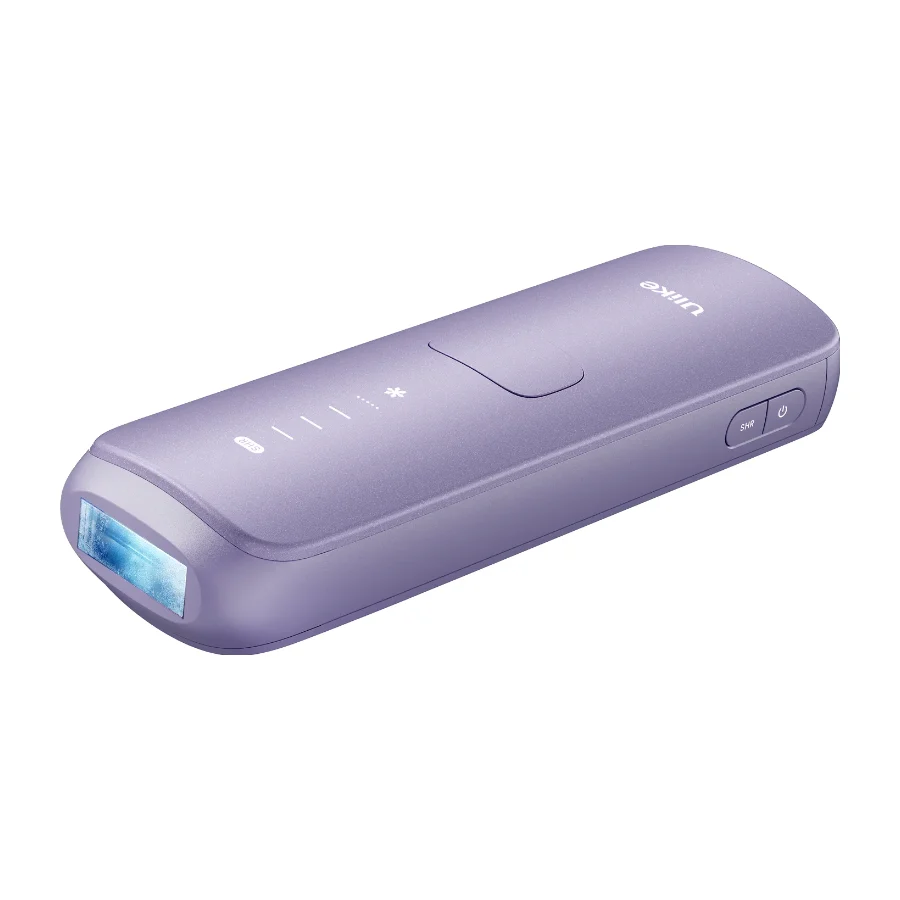
Ulike Air 4 lavender at-home IPL hair removal device

Worth comparing

Ulike Air 4

Best fit: smaller budgets, or smaller areas like underarms and the bikini line.

Why compare: Ulike calls it the Air 3 upgraded. Regular price $259 on Ulike’s site (often discounted), with four modes and a 100-day money-back guarantee. Ulike reports 95.8% hair reduction in 4 weeks.

Watch: slightly longer sessions (about 12 minutes full body) and the same skin tone and hair color limits as every IPL device.

Check on Ulike

Ulike also sells the Swift 5 ($329 regular price). Its page doesn’t show a clear advantage over the Air 10, so I’d compare the two above first.

How to Use At-Home Laser Hair Removal Safely, Step by Step

  1. Check your skin tone and hair color against the device’s chart before you buy.
  2. Shave the area the day before or the same day. Don’t wax, pluck or epilate, since IPL needs the root in place.
  3. Start with clean, dry skin: no lotion, deodorant or self-tanner.
  4. Do a patch test on a small spot and wait 24 to 48 hours.
  5. Start on the lowest setting and only go up if your skin is comfortable.
  6. Flash once per spot and move on. Don’t go over the same spot twice in a session.
  7. Follow the schedule (next section).
  8. Keep treated skin out of the sun and use SPF 30 or higher on exposed areas.

How Often Should You Do Laser Hair Removal at Home?

More often at the start, then much less. Ulike recommends about three sessions a week for the first 4 weeks, so you catch each hair while it’s growing, then touch-ups once or twice a month. Don’t flash the same spot more than once per session, and don’t add extra sessions to speed things up: it won’t work faster and raises the risk of irritation. Most people see less regrowth after 2 to 4 weeks and fuller results after about 3 months.

IPL by Area: Legs, Underarms, Bikini Line and Face

Legs

The easiest area to treat, but the slowest because of the size. Faster modes help here.

Underarms

Usually shows results fastest, since underarm hair is dark and thick. Skip a session if your skin is irritated, and don’t flash over deodorant.

Bikini Line

Fine on the bikini line itself, but not on the genitals, which Cleveland Clinic’s dermatologist says to avoid. Go a level lower here, since the skin is more sensitive.

Face

Below the cheekbones only (upper lip, chin, jaw), never near the eyes. Facial hair can be hormone-driven, so it may keep coming back; if it’s new or sudden, mention it to your doctor.

What Happened to the Ulike Air 3 and Air+?

The Ulike Air 3 and Air+ were Ulike’s popular models a few years ago, and they’re no longer sold on Ulike’s US site. Ulike describes the Air 4 as the Air 3 upgraded, and the Air 10 is its current flagship. If you already own an Air 3 or Air+, it still works the same way: follow the same skin tone rules, safety steps and schedule above. If you’re buying now, compare the Air 10 and Air 4 instead.

Can IPL Help With Razor Bumps and Ingrown Hairs?

It can, indirectly: fewer and finer hairs means less shaving and fewer hairs growing back into the skin. Let existing bumps heal first, since IPL shouldn’t go on irritated or broken skin. For calming them in the meantime, see my guide on how to get rid of razor bumps. Already have an ingrown hair? Here’s how to get rid of an ingrown hair safely.

When to See a Dermatologist Instead

  • Your skin is darker than the device chart allows, or your hair is light, red or grey.
  • You have sudden or new hair growth on the face, chest or belly.
  • You get blisters, burns, or dark or light patches after a session.
  • You want the strongest, longest-lasting result.

Frequently Asked Questions

Does IPL permanently remove hair?
It permanently reduces regrowth for most people, but some finer, lighter hair usually comes back, and touch-ups are normal.
How long until I see results?
Many people notice less regrowth after 2 to 4 weeks of regular sessions; fuller results take about 3 months.
Does IPL hurt?
Most people feel a warm snap. Ice cooling makes it more comfortable; lower the setting on sensitive spots.
Can I use IPL if I have dark skin?
Most home IPL devices aren’t safe for very dark skin. Ask a dermatologist about lasers made for darker skin.
Is IPL the same as laser?
No. Both use light to target hair pigment, but laser uses one focused wavelength and is stronger; IPL is a broader, gentler light used in home devices.
Does Ulike hair removal work?
Ulike’s own tests report 95 to 96% hair reduction within 2 to 4 weeks, but those are lab results. Real results depend on your skin tone, hair color and sticking to the schedule.
Is IPL hair removal safe?
FDA-cleared home devices are made for home use, and they’re safe when you match the skin tone chart, avoid the eyes, tattoos and moles, and follow the instructions.
Does at-home laser hair removal cause cancer?
There’s no evidence it does: the light works at the hair follicle and isn’t UV. Still, don’t flash moles or spots that are changing; have those checked by a dermatologist.
Can I use IPL during pregnancy?
Most makers say to avoid it, since it hasn’t been studied in pregnancy. Check with your doctor.

Final Thoughts

At-home IPL isn’t magic, but for the right skin and hair it can turn hair removal from a daily chore into a few minutes every couple of weeks. Check the skin tone chart first, start slow, and give it a full month before you judge it. And if shaving bumps are what sent you here, my razor bumps guide covers what to do until then.

Less shaving, fewer bumps, and a lot more time for everything else.
Anna

Sushi the tabby cat lounging on the couch, close up
Sushi, guarding her very full coat
P.S. from Sushi: Mom read all about light-based hair removal and decided I’m not a candidate. Good. I spent years growing this coat.

Safety Notes

Safety Notes

  • Don’t use IPL near the eyes, on tattoos, moles or dark spots, or on the genitals.
  • Not for very dark skin or for light, red or grey hair; burns and lasting color changes can happen.
  • Skip sessions on sunburned, tanned, broken or irritated skin.
  • Avoid IPL if you’re pregnant, take light-sensitizing medication, or have a skin condition in the area, unless your doctor says otherwise.
  • Stop and see a dermatologist if you get blisters, burns or color changes.
Scroll to Top