Last updated: November 17, 2026. Rewritten from scratch: simple bedtime habits, a sleep-friendly bedroom checklist, when to talk to a doctor, and 10 sleep gifts for yourself or someone you love. Every link and stock status was checked on November 17, 2026.
Affiliate disclosure: This post contains affiliate links. If you buy through them, Comfort Mind Body may earn a small commission at no extra cost to you. As an Amazon Associate I earn from qualifying purchases. Read my affiliate disclosure.
How this guide was made: The sleep tips follow public guidance from the CDC and the National Heart, Lung, and Blood Institute. The 10 products are researched picks chosen from product listings, ratings and seller information on the brands’ own sites and on Amazon. I have not tested them.
Please note: This guide is for everyday sleep, not medical advice. If you have trouble sleeping most nights, snore loudly or feel very sleepy during the day, talk to a doctor.
Welcome to Comfort Mind Body, where we pick gifts by the person, not the price tag, and check every link before you shop.
Good sleep is one of the kindest things you can give yourself, and one of the most thoughtful things you can give someone you love. A rested person is more patient, more focused and simply happier to be around.
This guide covers the small habits that make a real difference, how to turn a bedroom into a place that is easy to sleep in, when sleep trouble needs a doctor, and 10 sleep gifts for a darker, quieter, cozier night.
Quick picks by sleeper
| If they… | Start with |
|---|---|
| Wakes up to every siren or snore | Yogasleep Dohm white noise machine (#1) |
| Needs real quiet to fall asleep | Loop Quiet 2 ear plugs (#2) |
| Shares a room with a night reader | Dryft Drowsy silk eye mask (#3) |
| Hates dark winter mornings | Philips SmartSleep Wake-up Light (#5) |
| Needs help winding down | Nighty Night tea and a plush robe (#6) |
| Feels restless at night | YnM weighted blanket (#8) |
Quick Navigation
ToggleWhy Sleep Is the Best Gift
The CDC recommends 7 or more hours of sleep a day for adults ages 18 to 60, 7 to 9 hours for ages 61 to 64, and 7 to 8 hours for adults 65 and older. Yet a CDC data brief published in 2026 found that about 3 in 10 U.S. adults slept less than 7 hours a night in 2024.
Too little sleep is linked to a higher risk of obesity, diabetes, high blood pressure, heart disease, stroke and frequent mental distress. That is why a gift that helps someone sleep better is never just a “nice extra.”
Small Habits That Help You Sleep Better
These are simple, free and backed by public health guidance. Pick one or two and keep them for a few weeks before adding more.
- Keep the same schedule. Go to bed and get up at about the same time every day, weekends included.
- Turn off screens early. Put phones, tablets and laptops away at least 30 minutes before bed.
- Watch the caffeine. Skip coffee, tea with caffeine and energy drinks in the afternoon and evening.
- Go easy at night. Avoid large meals and alcohol close to bedtime.
- Move during the day. Regular exercise helps, but finish hard workouts a few hours before bed.
- Get morning light. A short walk or coffee by the window helps set your body clock.
- Create a wind-down ritual. A warm shower, a cup of caffeine-free tea, a few pages of a paper book. The same small steps every night tell your body it is time to sleep.
How to Set Up a Sleep-Friendly Bedroom
The CDC suggests keeping the bedroom quiet, relaxing and cool. In practice, that means four things:
- Cool: Most sleep experts suggest a bedroom temperature around 60 to 67°F (about 16 to 19°C), but comfort is personal, so adjust for your bedding and pajamas.
- Dark: Blackout curtains or a soft sleep mask block streetlights and early sunrises. For a permanent fix, motorized blackout roller shades from SmartWings work with Alexa, Google Home and Apple HomeKit.
- Quiet: We live in New York City, where sirens and late-night traffic are part of life. Steady white noise and comfortable ear plugs make a big difference.
- Comfortable: A pillow that suits how you sleep, breathable bedding and a bed used mostly for sleep.
Sleep Gifts for a Quieter, Darker Room
Noise and light are the two easiest sleep problems to fix, and these make thoughtful gifts for light sleepers, city dwellers and anyone sharing a bedroom.

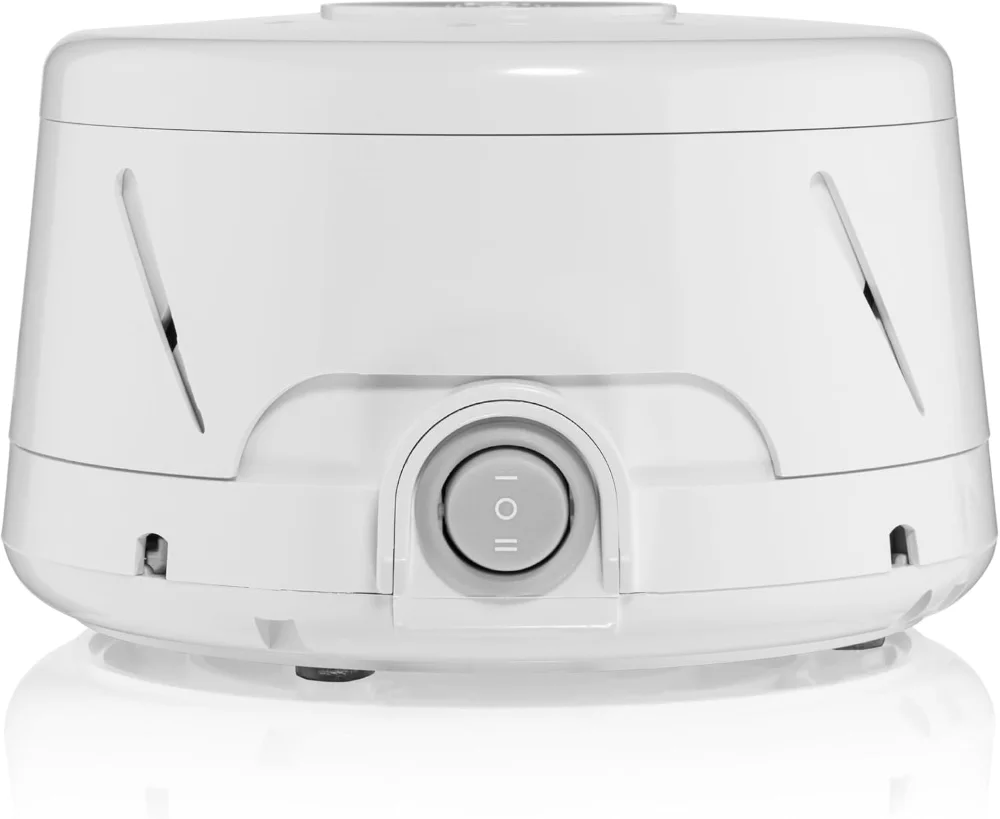
Best fit: Light sleepers, city apartments and anyone with a snoring partner.
Why it’s special: The original fan-based white noise machine, first made in 1962. A real fan inside creates a natural rushing sound that softens street noise, voices and slamming doors, with no app and no looping tracks.
Good to know: Twist the cap to adjust the tone and volume, and keep it at a comfortable level.
View on Amazon
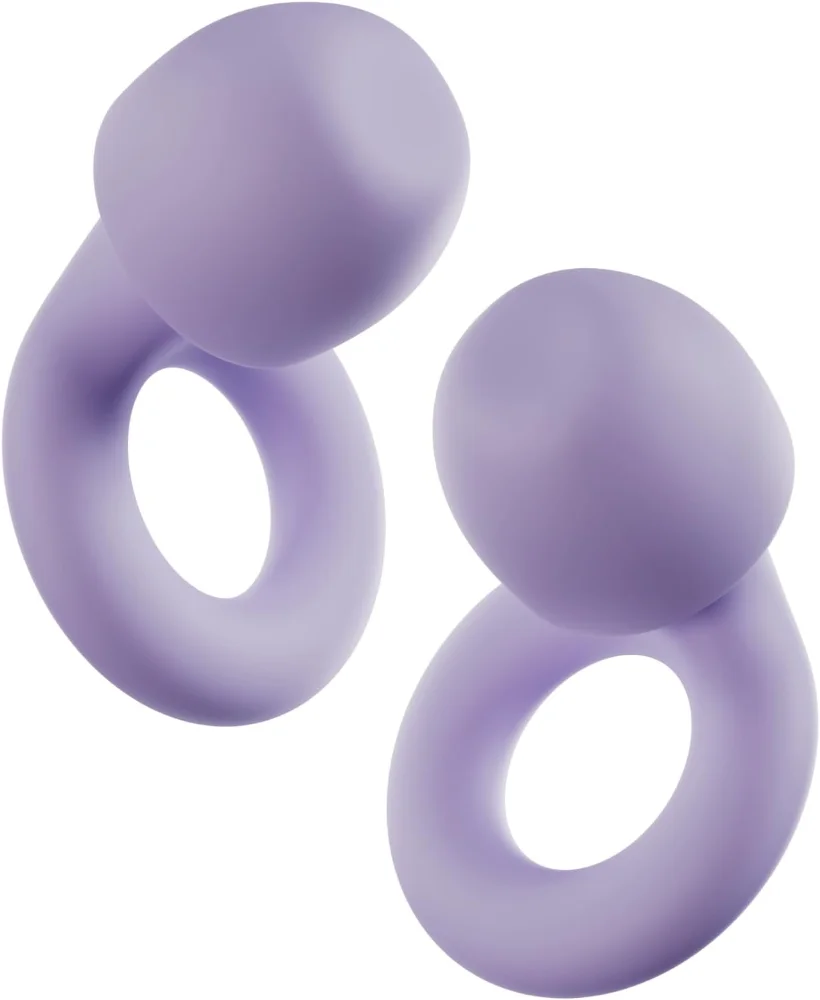
Best fit: Side sleepers and anyone who needs near-silence to fall asleep.
Why it’s special: Soft, flexible silicone ear plugs with up to 24 dB (SNR) of noise reduction, according to Loop. They are reusable and come with several tip sizes for a comfortable fit.
Good to know: Make sure you can still hear your alarm and smoke alarms with them in.
View on Amazon
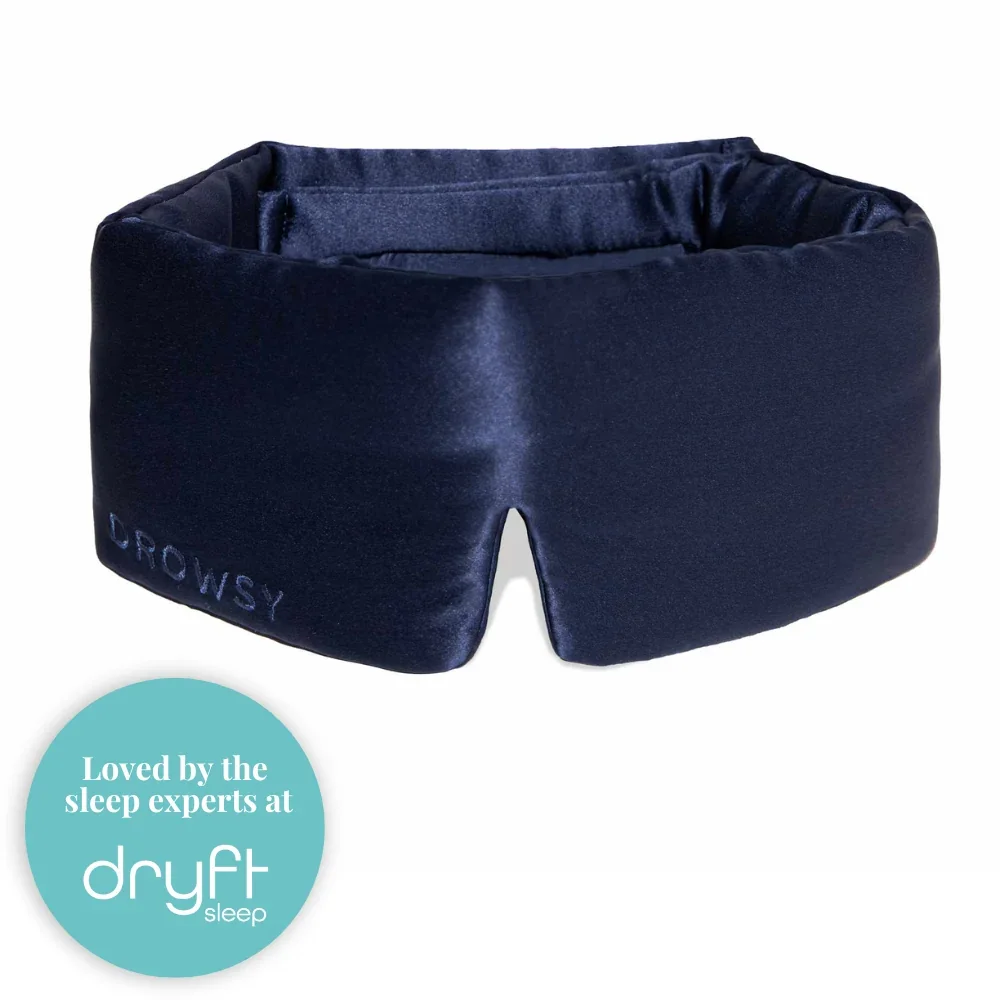
Best fit: Couples where one person reads late, travelers and nap lovers.
Why it’s special: A padded, wrap-around mask made of 22-momme mulberry silk, designed for total blackout without pressing on the eyes. The adjustable head strap stays put, and the mask is washable.
Good to know: Follow the care label so the silk stays soft.
View at Dryft Sleep
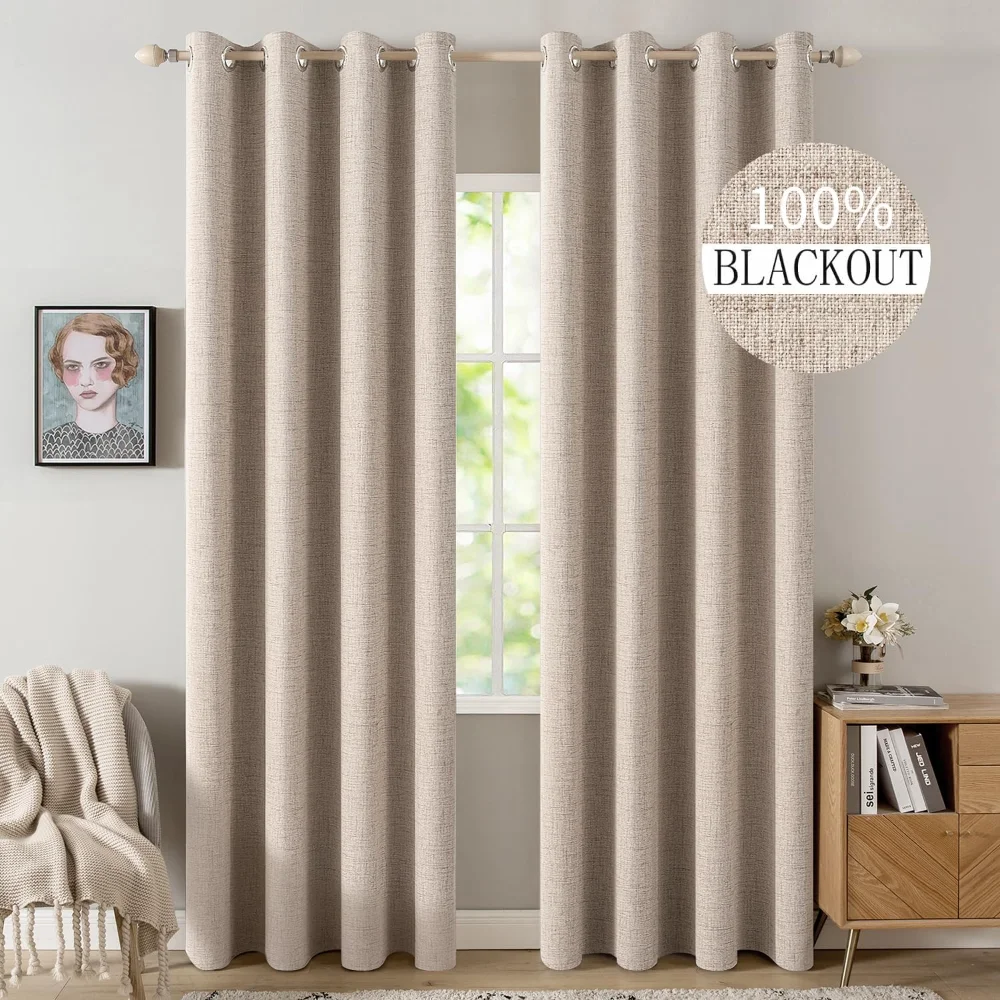
Best fit: Anyone woken by streetlights, early sunrises or a neighbor’s porch light.
Why it’s special: Linen-look curtains with a blackout lining that block light while still looking soft and natural during the day.
Good to know: Measure your window, including height, before you choose the size.
View on AmazonSleep Gifts for an Easier Wake-Up
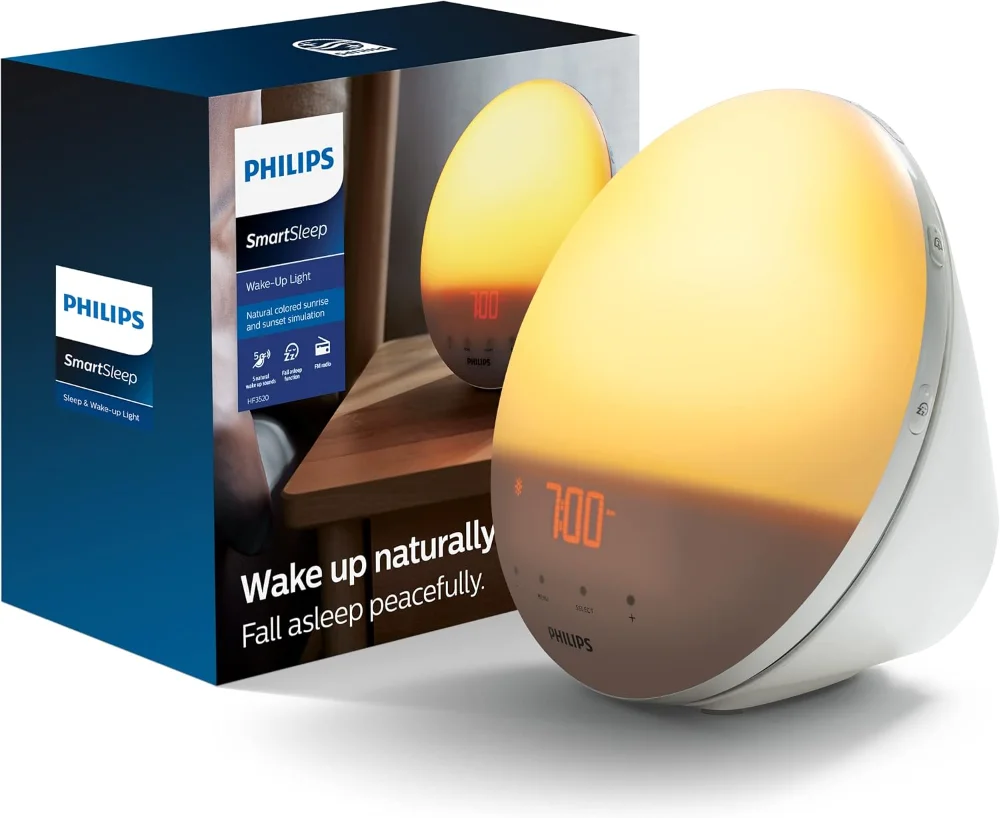
Waking up well is half of sleeping well, especially on dark winter mornings.

Best fit: People who dread dark winter mornings or jump at a loud alarm.
Why it’s special: A lamp that slowly brightens like a sunrise before your alarm and dims like a sunset at night. It has five natural wake-up sounds, an FM radio and tap snooze.
Good to know: It needs a spot near the bed and an outlet, and works best if the room is otherwise dark.
View on AmazonSleep Gifts for Winding Down
A calm hour before bed is a gift in itself. These make the ritual cozier.

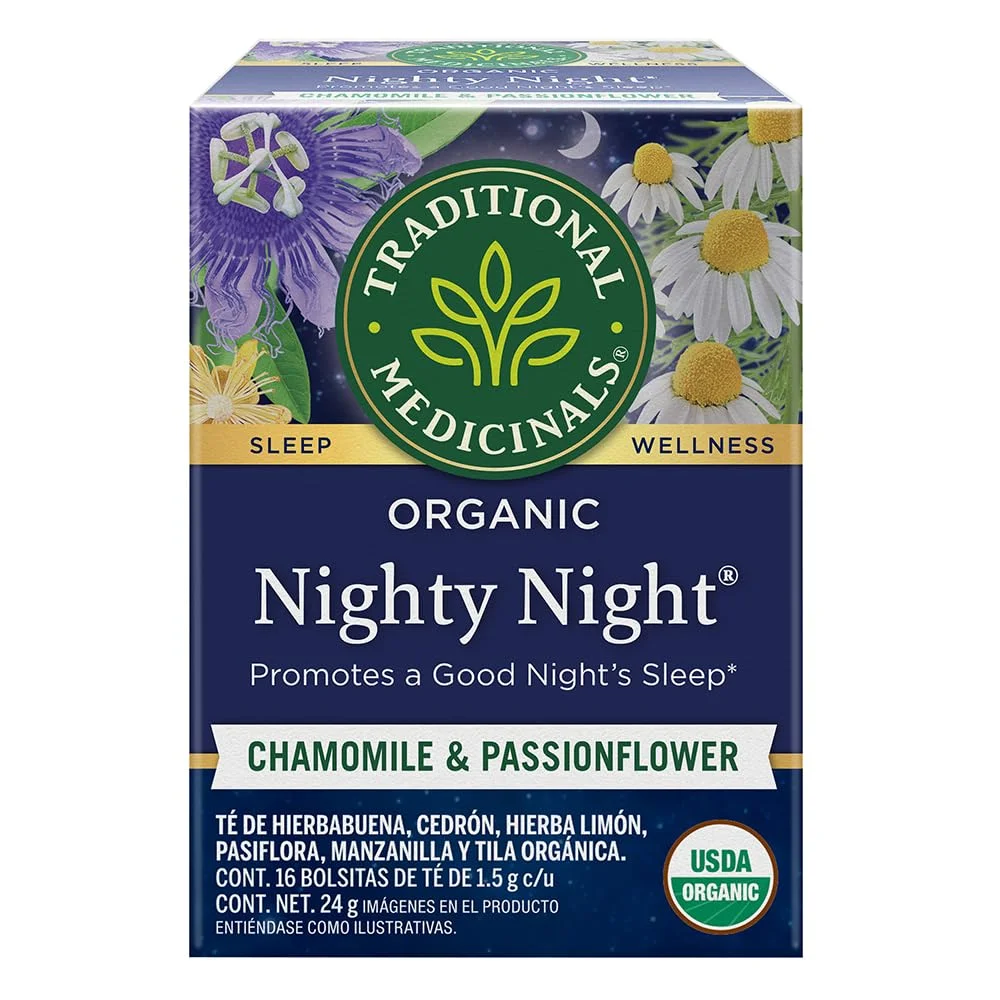
Best fit: Tea lovers who want a caffeine-free evening ritual.
Why it’s special: An organic, caffeine-free herbal tea with chamomile and passionflower, plus peppermint and lemongrass. Making a cup is a simple signal that the day is over.
Good to know: Read the ingredients if you have allergies, and check with your doctor if you are pregnant or take medication.
View on Amazon
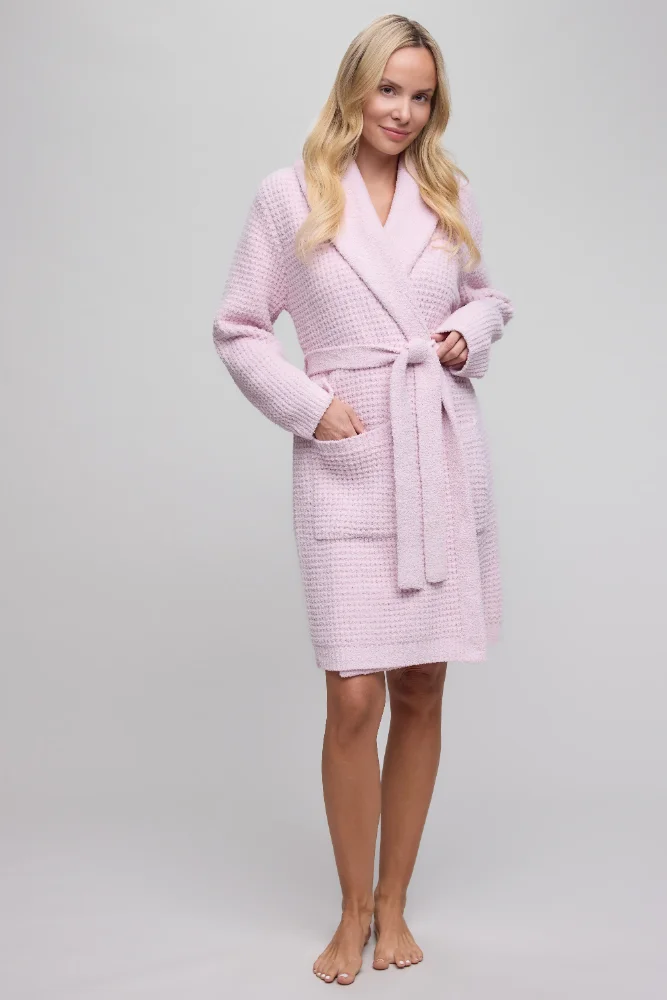
Best fit: Someone who loves a slow evening at home.
Why it’s special: Barefoot Dreams’ famously soft CozyChic knit in a waffle texture, with patch pockets and a waist tie. It turns the after-shower hour into part of the bedtime routine instead of a rush.
Good to know: It comes in three colors and three sizes, so check the size chart. Keep plush robes away from candles, stoves and space heaters.
View at Barefoot Dreams
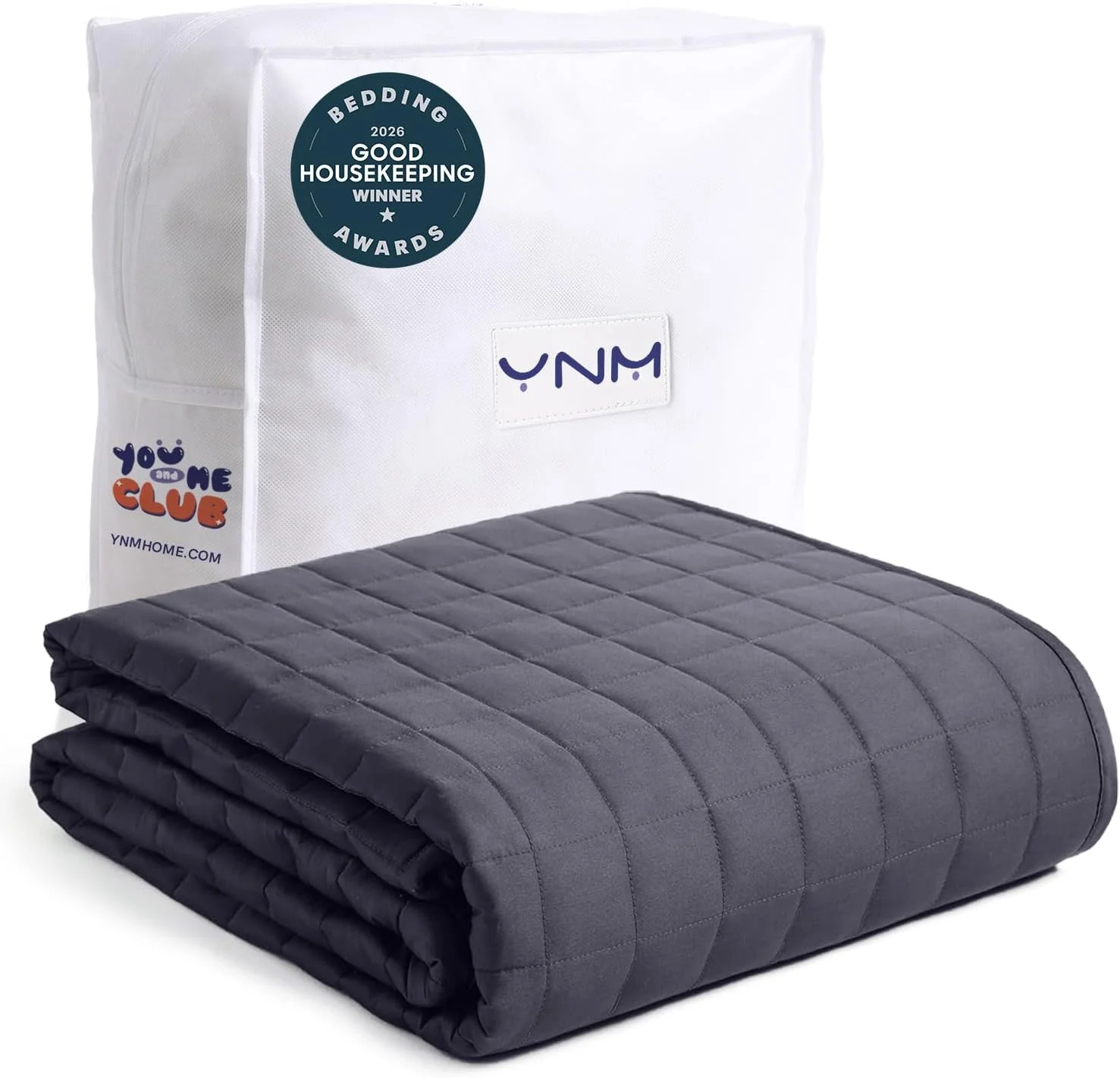
Best fit: Adults who like the feeling of a heavy blanket.
Why it’s special: A 15-pound, 48 x 72-inch blanket made for one adult, with small stitched pockets that keep the weight evenly spread. Many people find the gentle pressure relaxing.
Good to know: Sellers usually suggest about 10% of your body weight. Never use it for babies or young children.
View on AmazonSleep Gifts for Comfort in Bed
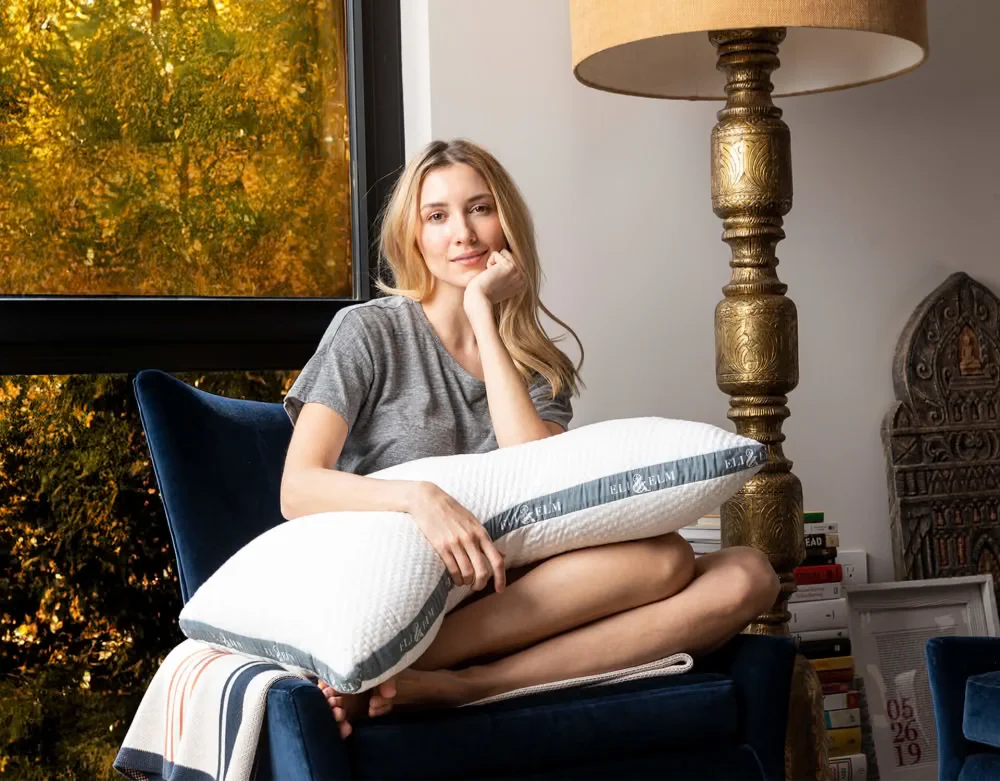
Small upgrades that make the bed feel like the best place in the house.

Best fit: Side sleepers who wake up with a stiff neck or shoulder.
Why it’s special: A curved pillow shaped to fit around the shoulder, with adjustable fill (latex or shredded memory foam) so you can add or remove some until the height feels right. The cover is removable and machine washable, and Eli & Elm offers a 45-day money-back guarantee.
Good to know: Choose the fill type when you order, and give your neck a few nights to adjust.
View at Eli & Elm
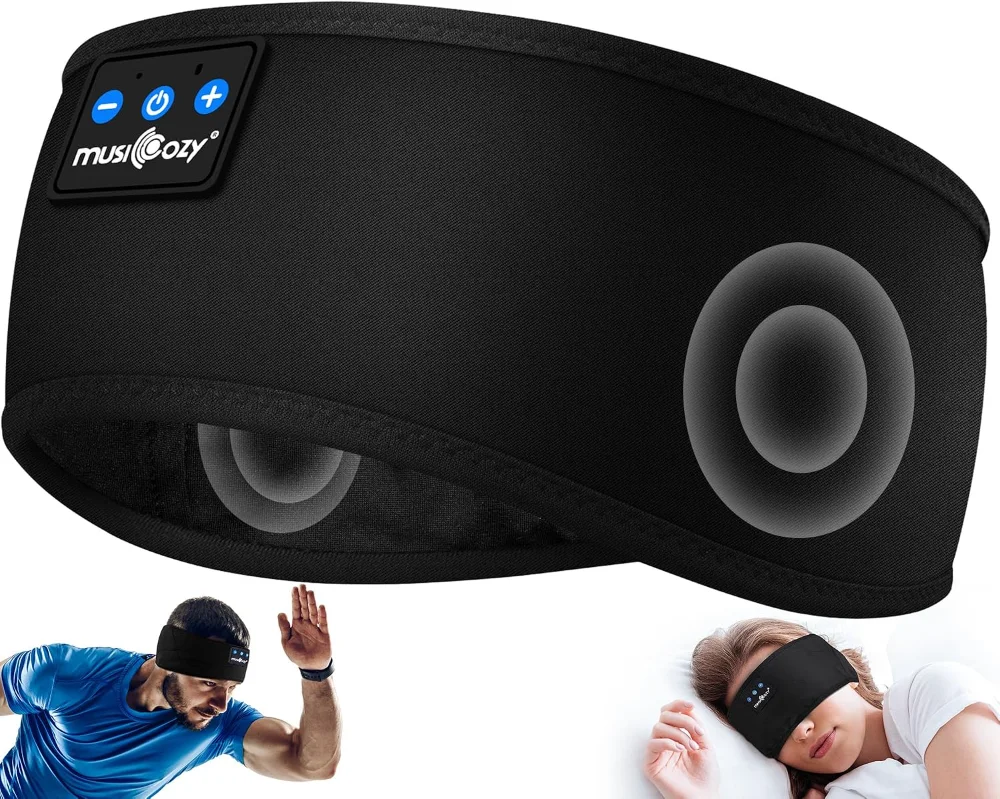
Best fit: Side sleepers who fall asleep to music, podcasts or sleep stories.
Why it’s special: A soft headband with thin built-in speakers, so you can listen without hard earbuds pressing into your ears. It doubles as a light-blocking band.
Good to know: Keep the volume low, and charge it during the day.
View on AmazonHow to Give Someone the Gift of Sleep
- Make a bedtime kit. Pair a sleep mask, a box of tea and a handwritten note that says “go to bed early tonight.”
- Give time, not just things. For new parents or a busy friend, offer to take over a morning so they can sleep in.
- Match the gift to the problem. Noise, light, a racing mind and dark mornings all need different solutions.
- Pair it with a guide. Self-care gifts work best with a little care around them. My 27 self-care gifts for her has more ideas for everyday rituals.
When to Talk to a Doctor About Sleep
Gifts and habits help with everyday sleep, but some problems need a professional. Talk to a doctor if you or someone you love:
- Has trouble falling or staying asleep most nights for weeks, even with time to sleep and a good bedroom. That can be insomnia, which the National Heart, Lung, and Blood Institute describes as a common sleep disorder.
- Snores loudly, or someone notices pauses in breathing or gasping during sleep. These can be signs of sleep apnea.
- Feels very sleepy during the day even after a full night in bed.
- Has an uncomfortable urge to move the legs at night.
Do not try to fix these with a new gadget. A doctor can find the cause and suggest treatment that works.
Frequently Asked Questions
How many hours of sleep do adults need?
The CDC recommends 7 or more hours a day for adults 18 to 60, 7 to 9 hours for ages 61 to 64, and 7 to 8 hours for adults 65 and older.
What is the best bedroom temperature for sleep?
Most sleep experts suggest about 60 to 67°F (16 to 19°C), but it is personal. Adjust for your bedding, pajamas and how warm you tend to run.
Is it okay to sleep with white noise every night?
For most people, yes. Keep the volume at a comfortable level, not loud, and place the machine a little away from your head.
Are weighted blankets safe for everyone?
No. They should never be used for babies or young children, and anyone who cannot easily move it off themselves should not use one. If you have a breathing or circulation condition, ask your doctor first.
Final Thoughts
Better sleep rarely comes from one big change. It comes from small things done every night: the same bedtime, a cool, dark room, a quiet moment before bed. Start with one habit, pick one gift that solves one real problem, and give yourself a few weeks to feel the difference.
Wishing you quiet nights and slow, rested mornings.
Anna and Sushi
Safety Notes
Safety Notes
- Weighted blankets: Never use them for babies or young children; the CPSC warns that weighted blankets and swaddles are not safe for infant sleep. Adults should be able to move the blanket off easily, and anyone with breathing, circulation or mobility problems should ask a doctor first.
- Ongoing sleep problems: Loud snoring, pauses in breathing, gasping at night or strong daytime sleepiness can be signs of sleep apnea. See a doctor rather than relying on products.
- Ear plugs: Make sure you can still hear alarms, smoke detectors and a baby monitor. Clean reusable ear plugs regularly.
- Headphones and white noise: Keep the volume low and comfortable, especially if you listen all night.
- Herbal tea: Herbal teas can interact with some medications and are not right for everyone during pregnancy. Read the ingredients and ask your doctor or pharmacist if you are unsure.
- Pets and essential oils: Many sleep sprays and diffusers use essential oils. The ASPCA warns that cats are especially sensitive to them, so keep oils, sprays and diffusers away from pets.
- Robes and blankets near heat: Keep fleece and plush fabrics away from candles, stoves and space heaters.
Helpful Resources
- CDC: About Sleep — How much sleep adults need, by age, and simple healthy sleep habits.
- NHLBI: Insomnia — What insomnia is, its causes and treatment.
- NHLBI: Sleep Apnea — Signs of sleep apnea and when to see a doctor.
- CPSC: Weighted Infant Products Are Unsafe for Sleep — Why weighted blankets and swaddles should never be used for babies.
- ASPCA: Essential Oils Around Pets — How to keep cats and other pets safe around essential oils and diffusers.


