
Last updated: November 2026. Updated based on research, our family’s picks and dermatology guidance.
Affiliate disclosure: This post contains affiliate links. If you buy through them, Comfort Mind Body may earn a small commission at no extra cost to you. As an Amazon Associate I earn from qualifying purchases. Read my affiliate disclosure.
How this guide was made: products marked “In our home” are ones my husband and I use. Products marked “Worth comparing” are popular picks we haven’t tried; for those I rely on the brands’ own descriptions. Researched with American Academy of Dermatology guidance. Drafted with AI help, then edited by Anna.
Please note: this is general education, not medical advice. See a doctor for bumps that are painful, full of pus, or spreading.
Razor bumps are one of those things nobody talks about, yet almost everyone who shaves gets them. Welcome to Comfort Mind Body, where I share what works in our home. In our house it’s not just me: my husband gets them all the time, mostly on his neck, and I get them on my legs, underarms and bikini line.
Below is what razor bumps actually are, how to calm them fast, how to shave so they don’t come back, and the simple products we use, area by area.
Quick Navigation
ToggleQuick Answer: How to Get Rid of Razor Bumps
Stop shaving the area for a few days, put a warm, damp washcloth on the bumps for a few minutes, and keep your hands off: no picking, squeezing or tweezing. Moisturize with something gentle. Once the skin calms down, change how you shave: shave less often, in the direction the hair grows, with shaving cream and a sharp blade, or switch to an electric shaver or trimmer that doesn’t cut as close.
What Are Razor Bumps?
Razor bumps are small, red, sometimes itchy or painful bumps that show up after shaving. They happen when a shaved hair curls back and grows into the skin, and the skin reacts to it. The medical name is pseudofolliculitis barbae.
Anyone who shaves can get them, on any part of the body. They’re more common if your hair is coarse or curly, and the American Academy of Dermatology notes they’re especially common in men with darker skin tones.
Razor Bumps vs Razor Burn vs Ingrown Hairs
| Razor bumps | Razor burn | Ingrown hairs | |
|---|---|---|---|
| What it is | Hairs curling back into the skin after shaving | Irritation from the blade itself | A hair growing sideways or back into the skin, after any hair removal |
| What it looks like | Small red or skin-colored bumps, sometimes with a hair inside | Red, stinging, rash-like patch | One bump, sometimes with a trapped hair you can see |
| When it shows up | A day or more after shaving | Right after shaving | Days after shaving, waxing or plucking |
| Usually lasts | Until the hairs grow out, if you stop shaving | A few days | Varies |
How to Get Rid of Razor Bumps Fast
- Give the area a break. Skip shaving there for a few days, or longer if you can.
- Use a warm compress. Hold a warm, damp washcloth on the bumps for a few minutes, a couple of times a day. It softens the skin and calms it.
- Don’t pick. Squeezing or tweezing a hair out of a bump can make new bumps and leave marks.
- Moisturize. A gentle, fragrance-free moisturizer helps. I use coconut oil on my body; it doesn’t suit everyone, so see how your skin reacts.
- Exfoliate gently, later. Once the redness has calmed, gentle exfoliation helps loosen trapped hairs. Never scrub bumps that are red or sore.
Can you get rid of razor bumps overnight? Honestly, no. A warm compress and leaving them alone can make them calmer by the morning, but the bumps go away when the hairs grow out, and that takes days, not hours.
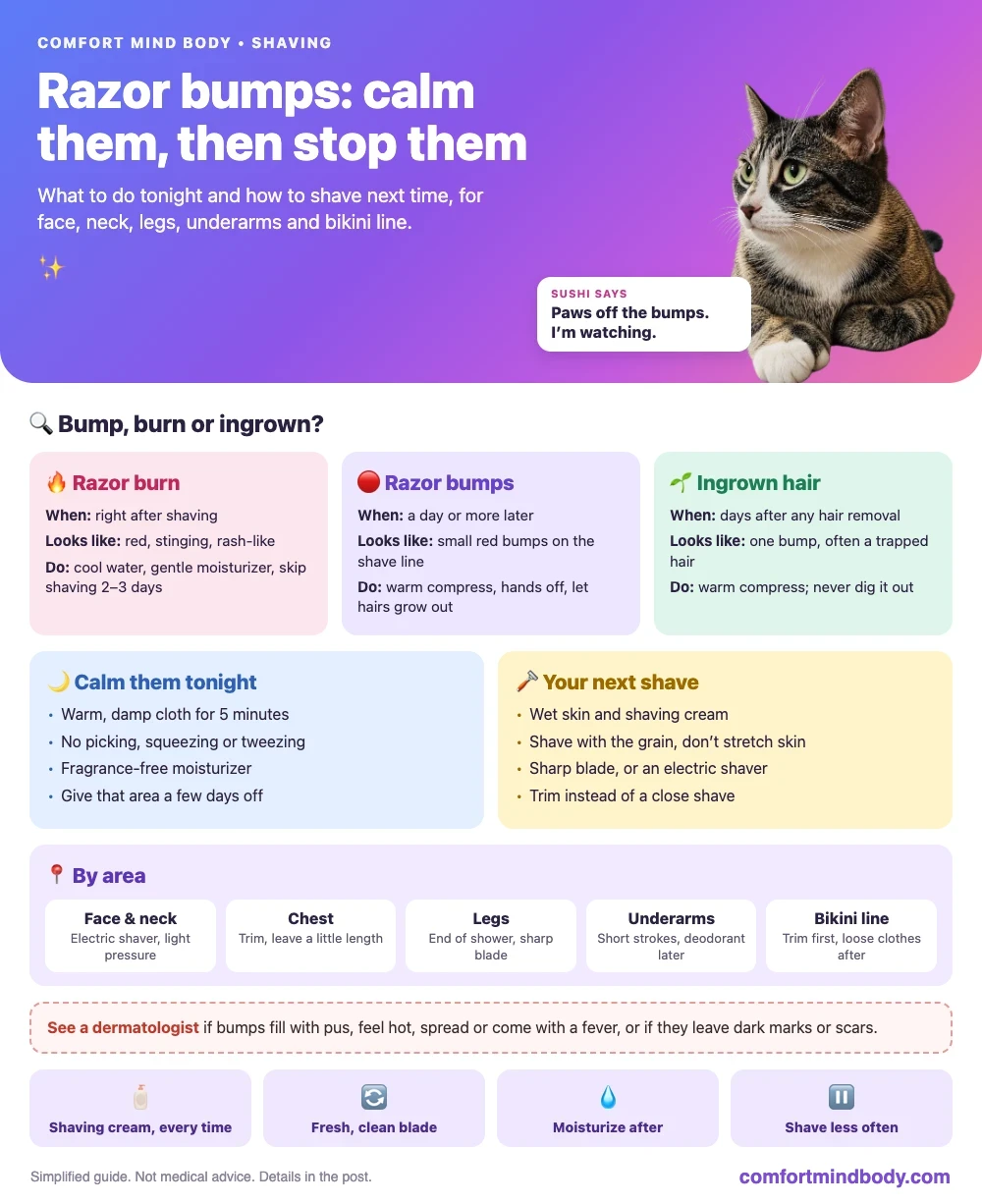
Read the infographic text
Sushi says: Paws off the bumps. I’m watching.
Razor burn: Shows up right after shaving. Red, stinging and rash-like. Cool water, a gentle moisturizer, and skip shaving for 2 to 3 days.
Razor bumps: Show up a day or more later. Small red bumps along the shave line. Warm compress, hands off, and let the hairs grow out.
Ingrown hair: Shows up days after any hair removal. One bump, often with a trapped hair. Warm compress; never dig it out.
Calm them tonight: Warm, damp cloth for 5 minutes. No picking, squeezing or tweezing. Fragrance-free moisturizer. Give that area a few days off.
Your next shave: Wet skin and shaving cream. Shave with the grain and don’t stretch the skin. A sharp blade or an electric shaver. Trim instead of a close shave.
By area: Face and neck: electric shaver, light pressure. Chest: trim, leave a little length. Legs: end of the shower, sharp blade. Underarms: short strokes, deodorant later. Bikini line: trim first, loose clothes after.
Every time: Shaving cream, a fresh clean blade, moisturize after, and shave less often.
See a dermatologist if bumps fill with pus, feel hot, spread or come with a fever, or if they leave dark marks or scars.
Razor Bumps by Area
Razor Bumps on the Face and Neck
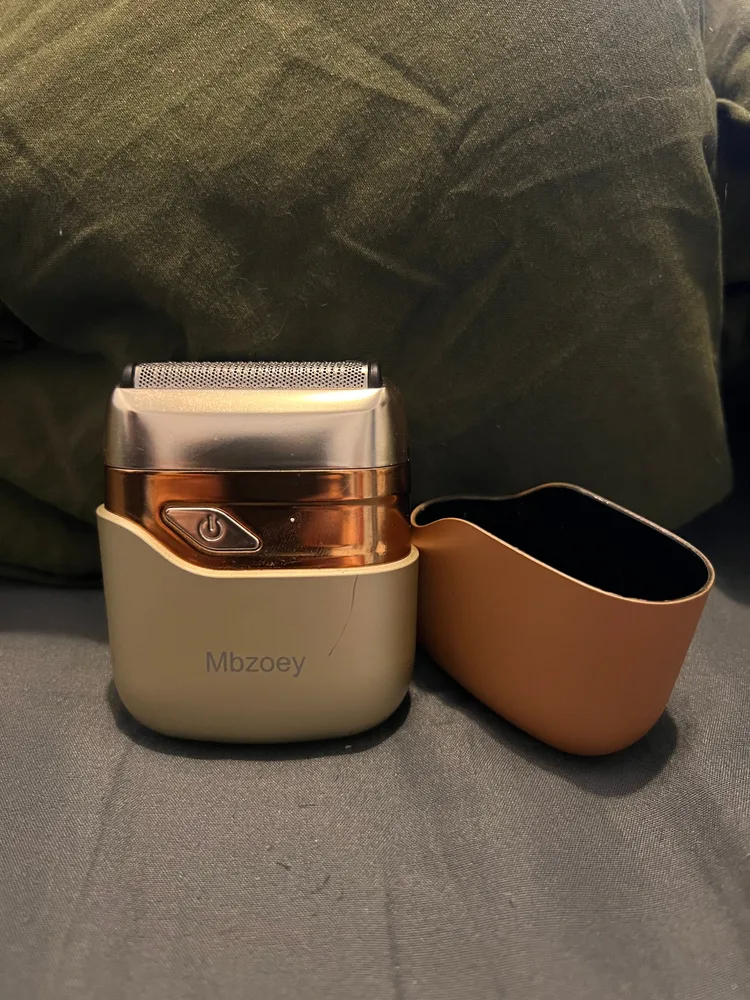
The neck is where my husband gets them most. Neck hair often grows in several directions, so it’s easy to shave against the grain without noticing. What helps him: an electric foil shaver instead of a razor (he uses a Mbzoey foil shaver on his face), shaving cream, and moisturizer afterward. If you use a blade, the American Academy of Dermatology suggests a single- or two-blade razor, shaving in the direction the hair grows, and not stretching the skin.
Razor Bumps Under a Beard
Growing a beard is the most reliable fix: the AAD says razor bumps usually start fading within a month and are gone after about three months of not shaving. If you keep a beard, trim the edges with a trimmer instead of shaving close, and wash and moisturize the skin underneath. For beard oil and a comb, see the beard picks in my best skin care for men guide.
Razor Bumps on the Chest
Chest hair is often coarse and curly, which makes it prone to growing back in. My husband gets bumps there too. A body trimmer that leaves a little length is gentler than a razor; if you want it smooth, use shaving cream and shave with the grain.
Razor Bumps on Legs
Legs are a big area, so it’s tempting to rush. I get bumps when I shave dry or go over the same spot again and again. What helps me: my body trimmer, shaving cream on wet skin, and coconut oil afterward. To avoid razor bumps on legs, shave at the end of a shower, use a sharp blade, and don’t press hard.
Razor Bumps Under the Armpits
Underarm hair grows in different directions and the skin rubs and sweats, so bumps and razor burn are common. Shave in several short strokes following the hair, use shaving cream, and wait a few hours before deodorant if it stings.
Razor Bumps on the Bikini Area
The bikini line and groin are the most sensitive places to shave, for women and men. We both get bumps there; my husband uses a Tulzim foil shaver for that area. To avoid razor bumps on the bikini area: trim long hair first, use a body trimmer rather than a close shave when you can, shave in the direction of growth, and wear loose clothes for a day afterward. Don’t pick at bumps here; it’s an easy place for them to get infected.
How to Prevent Razor Bumps
- Shave less often, or trim instead of shaving close.
- Shave on soft, wet skin, at the end of a shower.
- Use a shaving cream or gel, even with an electric shaver if it’s waterproof.
- Shave in the direction the hair grows, and don’t stretch the skin.
- Use a sharp, clean blade and rinse it often; a dull one tugs at hairs.
- Try a single- or two-blade razor, or an electric shaver.
- Moisturize afterward with something gentle and fragrance-free.
Shave Less Often: At-Home IPL as an Alternative to Shaving
If you shave the same spot several times a week and the bumps keep coming back, the simplest fix is shaving less. Dermatologists sometimes recommend laser hair removal for stubborn razor bumps, and at-home IPL (intense pulsed light) devices work on the same idea more gently: over a few weeks they reduce regrowth, so there’s less hair to shave and fewer chances for it to grow back into the skin.
IPL works best on light to medium skin with darker hair. It doesn’t work on blonde, red, grey or white hair, and if you have a darker skin tone, check the device’s skin tone chart or ask a dermatologist about laser instead. Let bumps heal before you start, since IPL shouldn’t go on broken or irritated skin. I’ve written more in my guide to permanent hair removal at home, including how the current Ulike models compare.
Worth comparing • Shave less
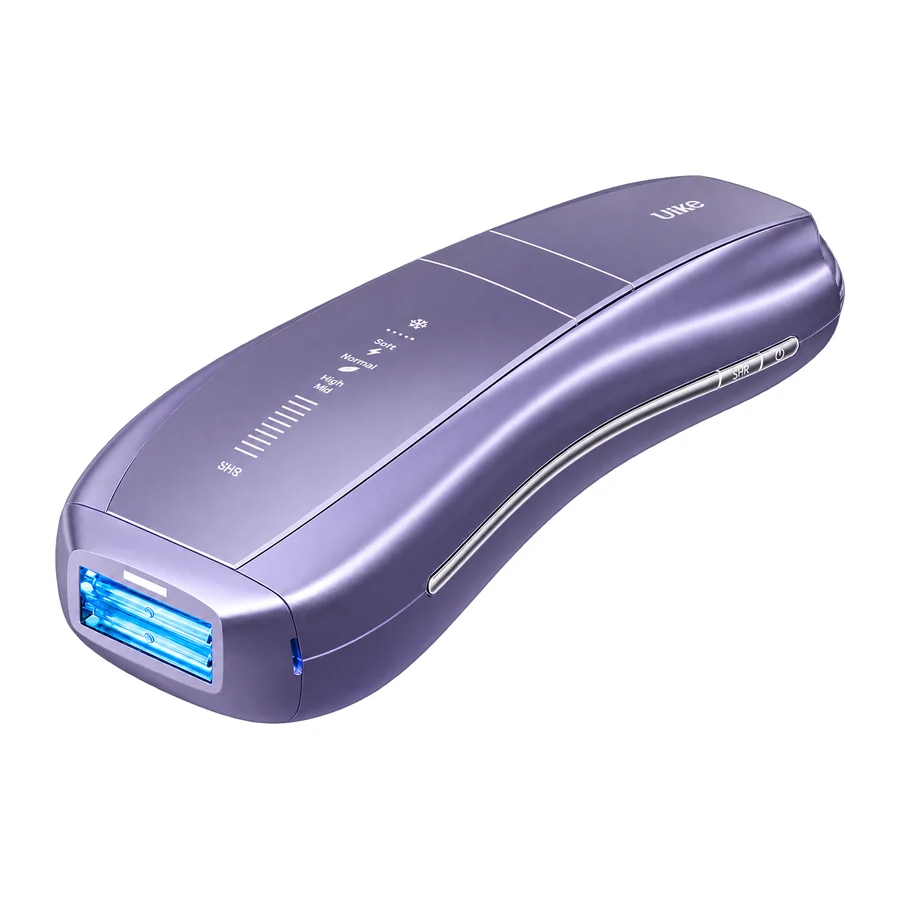
Ulike Air 10 IPL Hair Removal Device
Best fit: legs, underarms, bikini line, chest and other areas you shave several times a week. Ulike describes it as FDA-cleared, with Ice Cooling for comfort and about 10-minute full-body sessions.
Why compare: fewer shaves means fewer chances for new bumps, and it’s a one-time cost instead of a steady supply of blades. $279 on Ulike’s site at the time of writing (usually $349).
Watch: not for very dark skin or for blonde, red, grey or white hair; check Ulike’s skin tone chart first, skip broken or irritated skin and tattoos, and expect regular sessions plus touch-ups.
Check on UlikeWhat We Use at Home
These are the products my husband and I actually use. None of them is a cure for razor bumps; they’re the tools that make shaving gentler.
In our home (both of us)
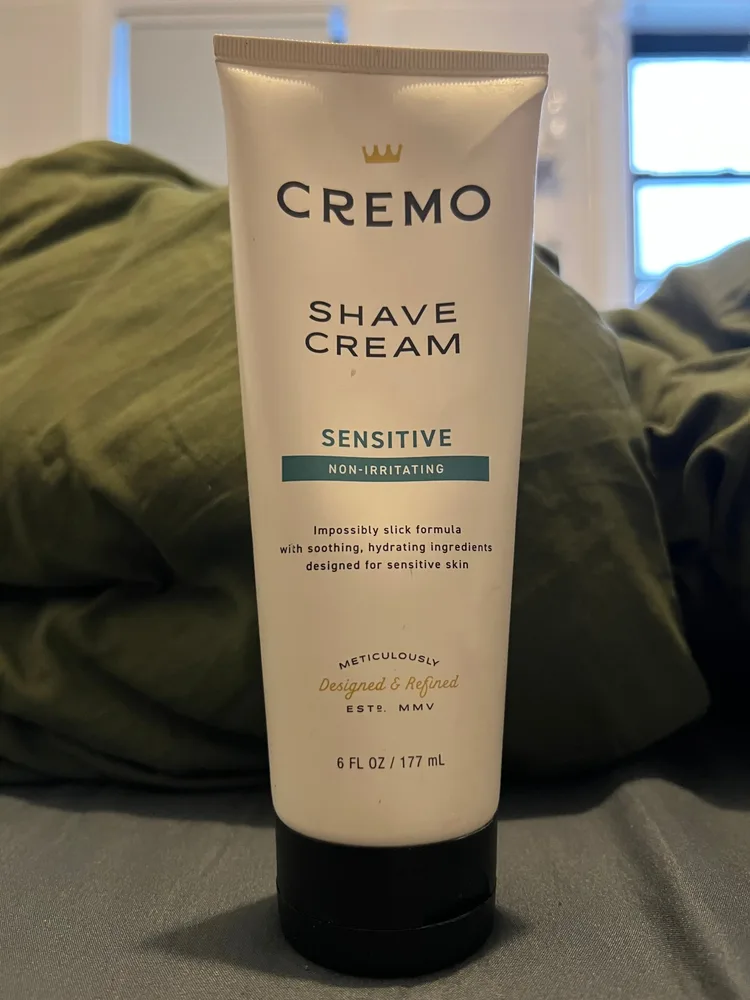
Cremo Sensitive Shave Cream
Best fit: body shaving: legs, underarms, chest and bikini area. Cremo describes it as a shave cream for sensitive skin with no synthetic fragrance.
Why we use it: it’s the one tube we both reach for when we shave our bodies.
Watch: use a thin layer on wet skin and rinse well; patch test on the bikini line first.
Check on Amazon
My husband’s
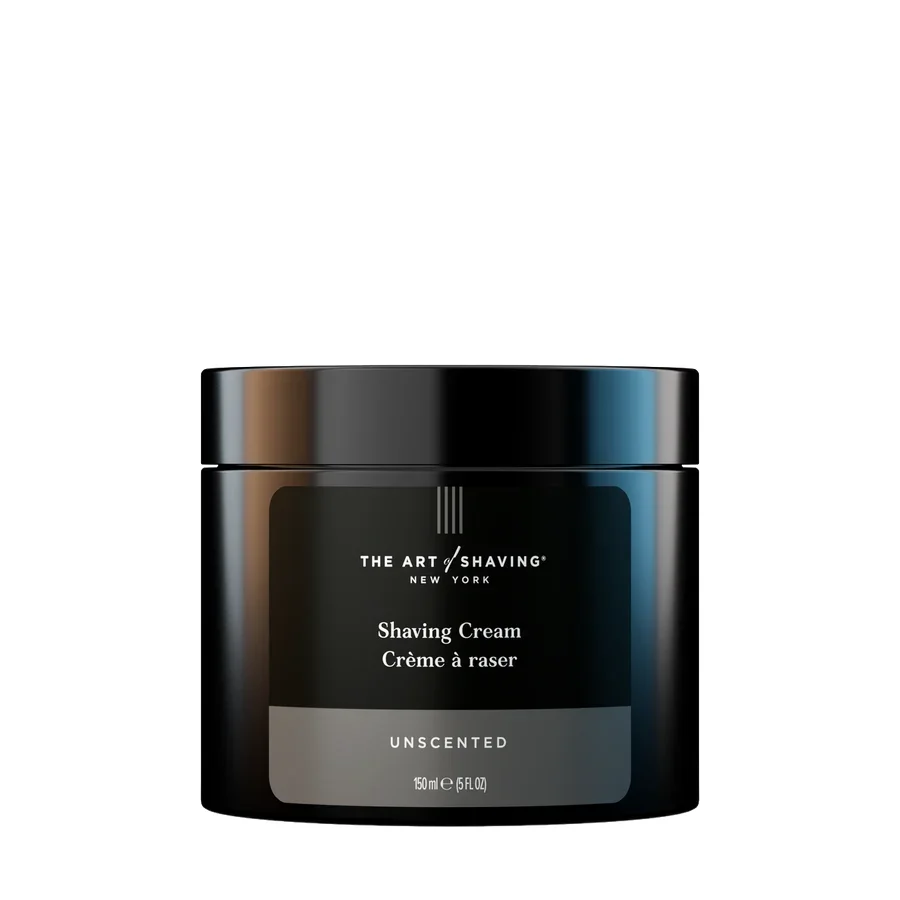
The Art of Shaving Shaving Cream
Best fit: face and neck. He uses the Unscented and the Bergamot & Neroli versions.
Why we use it: it’s his face shaving cream, used with his electric shaver.
Watch: scent can bother sensitive skin, so the unscented one is the safer start.
Check on Amazon
My husband’s
Mbzoey Electric Foil Shaver
Best fit: face and neck.
Why we use it: it’s what he uses on his face instead of a razor, with shaving cream.
Watch: don’t press hard on the neck, and keep the foil clean.
Check on Amazon
In our home (one each)
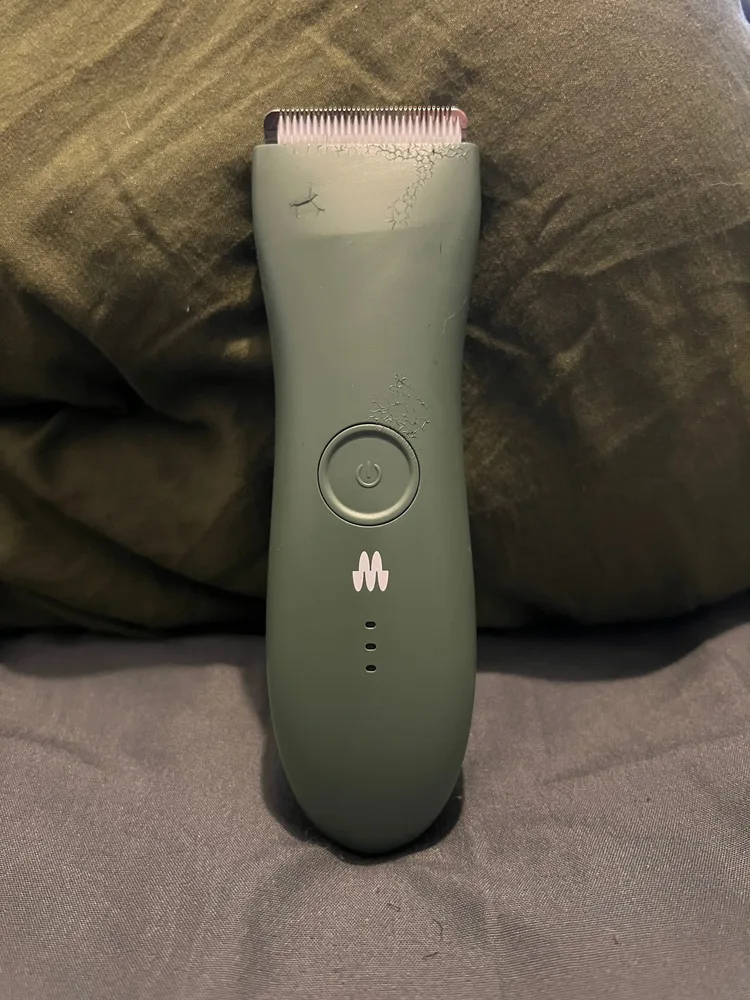
MERIDIAN The Trimmer Original
Best fit: body hair. His (Onyx) is for his chest and body; mine (Sage) is for my legs, underarms and bikini line.
Why we use it: trimming instead of a close shave is the easiest way to get fewer bumps.
Watch: it trims, it doesn’t shave completely smooth.
Check on Amazon
Mine
Viva Naturals Organic Coconut Oil
Best fit: moisturizing legs and body after shaving.
Why we use it: it’s what I use on my body, and you can also find it at Costco.
Watch: coconut oil can clog pores, so skip it on breakout-prone areas and the face.
Check on Viva Naturals Also on AmazonWorth Comparing: Popular Razor Bump Products
We haven’t tried these, but they’re among the most talked-about razor bump and ingrown hair products right now, and each covers a step our own routine doesn’t. I describe them from the brands’ own information.
Worth comparing
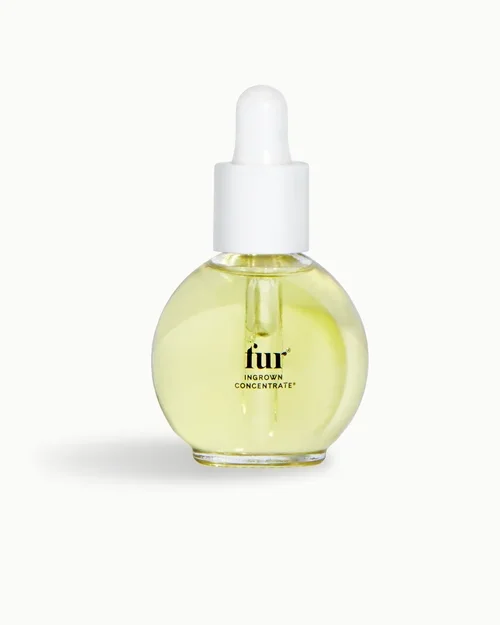
Fur Ingrown Concentrate
Best fit: small spots: bikini line, underarms, face and neck. It comes with a textured finger mitt; Fur lists chamomile, coconut oil, tamanu and tea tree oil.
Why compare: a soothing oil for spot-treating bumps, plus a mitt for gentle exfoliation in the shower.
Watch: tea tree can irritate and coconut oil can clog pores for some skin, so patch test first.
Check on Amazon
Worth comparing
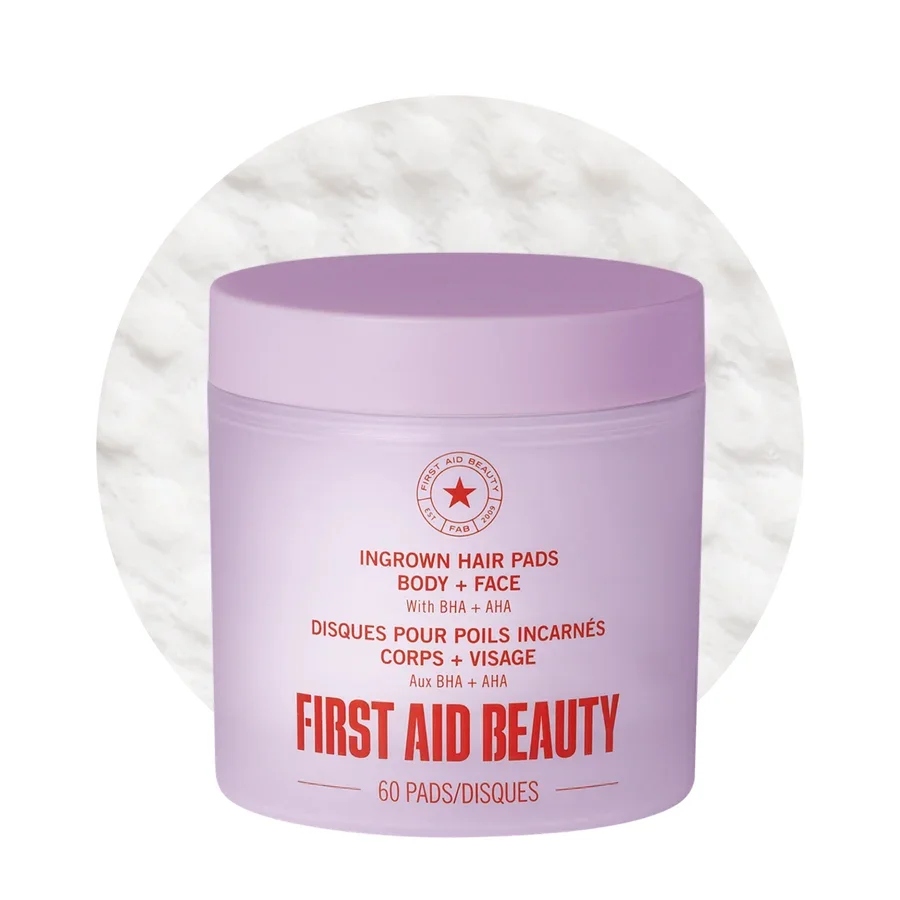
First Aid Beauty Ingrown Hair Pads
Best fit: body and face after shaving. First Aid Beauty describes them as pads with BHA and AHA for ingrown hairs and razor bumps.
Why compare: pre-soaked pads are the easiest way to exfoliate legs, chest or the bikini line.
Watch: don’t use them on nicks or right after a close shave, or on the same day as other exfoliating acids.
Check on Amazon
Worth comparing
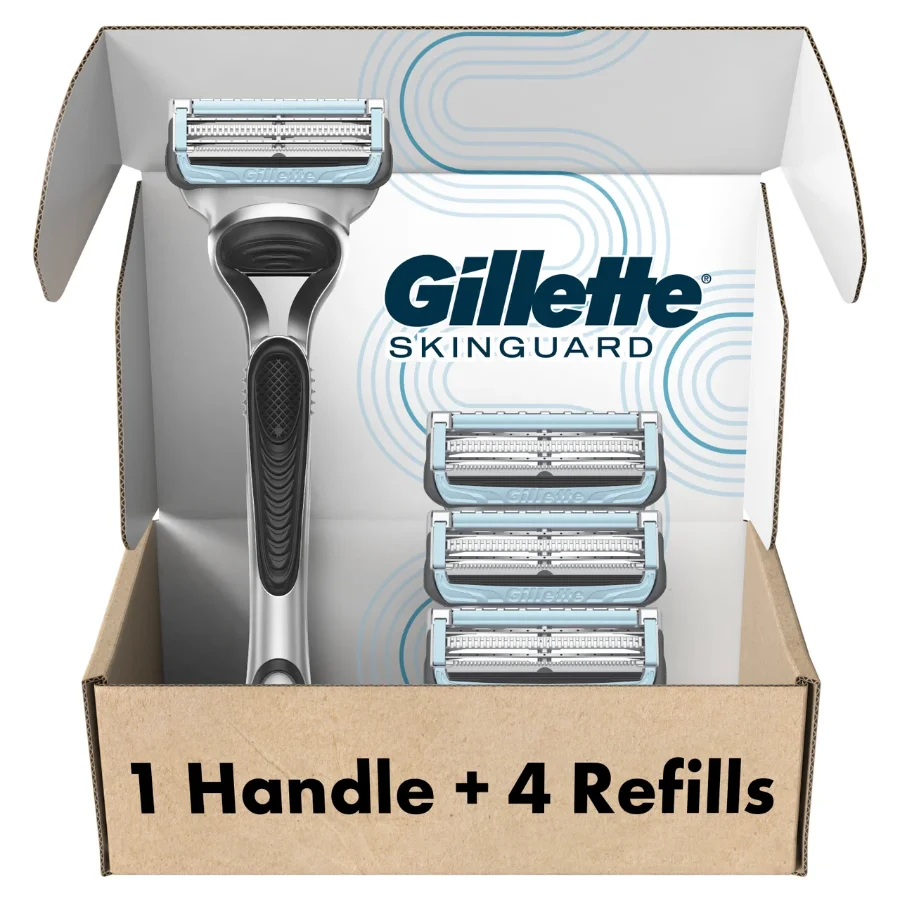
Gillette SkinGuard Razor
Best fit: men who still shave the face and neck with a blade. Gillette says its two spaced blades and guard cut hair at skin level to help prevent new razor bumps.
Why compare: one of the few razors designed specifically for sensitive skin and razor bumps.
Watch: it’s still a blade: shave with the grain, use shaving cream, and replace refills when they tug.
Check on AmazonWhen to See a Dermatologist
See a doctor or dermatologist if:
- bumps fill with pus, feel hot, hurt more each day, or the redness spreads; these can be signs of infection
- you get a fever along with the bumps
- bumps leave dark marks or scars, or turn into firm, raised scars (keloids)
- you get bumps every time you shave, even after changing how you shave
A dermatologist can prescribe treatments for stubborn razor bumps and talk to you about options like laser hair removal.
Frequently Asked Questions
How long do razor bumps last?
Are razor bumps the same as razor burn?
Should I pop razor bumps?
Does an electric shaver help with razor bumps?
Can women get razor bumps on the bikini line?
Final Thoughts
Razor bumps aren’t a hygiene problem or something you just have to live with. They’re hairs growing back into your skin, and the fix is mostly about shaving gentler: less often, with the grain, with cream, or with a trimmer or electric shaver instead of a blade. That’s what changed things in our home, for both of us. For the rest of a simple routine, see my skin care for men guide and Korean skin care for men.
Smooth enough, gentle enough, and no more bumps worth hiding.
Anna
Safety Notes
Safety Notes
- This guide is general education, not medical advice.
- Don’t pick, squeeze or tweeze razor bumps.
- See a doctor for bumps with pus, heat, spreading redness or fever.
- Patch test new shaving creams and oils, especially on the bikini area.
- Coconut oil can clog pores; avoid it on breakout-prone skin.
- See a dermatologist for dark marks, scars or keloids.