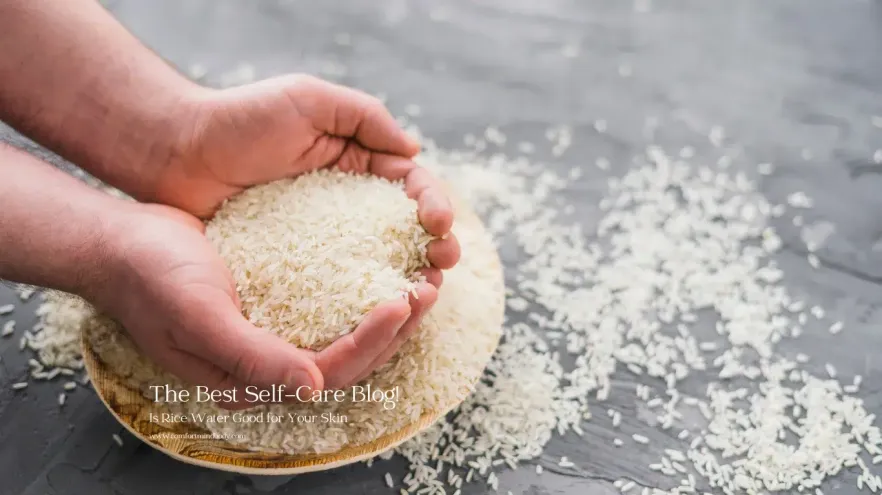
Is Rice Water Good for Your Skin

Is Rice Water Good For Your Skin? Benefits, Risks, and Rice Skincare Explained

Rice water is one of those beauty ideas that sounds simple: rinse rice, save the cloudy water, and use it on the skin. It has roots in traditional beauty routines, and it also fits naturally into the larger interest around Korean skincare, Japanese skincare, fermented ingredients, soft hydration, and barrier-friendly routines.

The honest answer is more balanced. Rice water may help skin feel softer, calmer, and lightly hydrated, but it is not a miracle treatment for acne, dark spots, wrinkles, or damaged skin. It also is not the same as a properly formulated rice toner, rice extract serum, rice bran product, or fermented rice essence.So, Is Rice Water Good for Your Skin?

For most readers, the safest and most useful approach is not “rice water fixes everything.” It is this: rice-inspired skincare can be a gentle support step when the formula is well made, the skin barrier is calm, and expectations stay realistic.

Readers who enjoy Korean and Japanese skincare may see rice in toners, essences, masks, powders, and moisturizers. These products are usually easier to use than homemade rice water because they are preserved, tested for cosmetic use, and designed to sit on facial skin.

For readers building a full routine, this guide works best as a support article under the main skin care hub, the Korean skincare guide, and the Japanese skincare product guide.

Affiliate Disclosure

This article may include affiliate links. If readers buy through those links, Comfort Mind Body may earn a small commission at no extra cost to them. Product examples are included for comparison and education, not as medical advice or guaranteed results.

Quick Answer: Is Rice Water Good For Your Skin?

Rice water may be helpful for some skin routines, but it is not essential. It may support a softer, more hydrated-looking feel, especially when used gently and not treated like a strong active ingredient.

The bigger difference is between homemade rice water and formulated rice skincare. Homemade rice water can spoil quickly and may irritate sensitive or acne-prone skin if it is stored or fermented carelessly. A rice toner, rice essence, rice bran product, or fermented rice formula is usually more practical for facial skincare.

Best fit: readers who want a gentle hydration-support step, a softer glow, or a Korean/Japanese-inspired routine. Skip or patch test carefully if skin is reactive, broken, inflamed, very acne-prone, or currently irritated.

What Is Rice Water In Skincare?

Rice water is the starchy liquid left after rice is rinsed, soaked, or cooked. It can contain small amounts of starches, amino acids, minerals, and other rice-derived compounds, depending on the rice, water, method, and storage time.

In beauty content, “rice water” is often used very loosely. Sometimes it means homemade rice water. Sometimes it means rice extract in a toner. Sometimes it refers to fermented rice filtrate, rice bran oil, rice powder, or rice-based exfoliating products.

That difference matters. A homemade bowl of rice water is not the same as a cosmetic product made with preserved rice extract. A rice toner is not the same as rice bran oil. A rice powder polish is not the same as a fermented essence.

For this article, the most useful way to think about rice skincare is by format.

Swipe left or right to view the full table on mobile.

Rice Format What It Means Best Use Watch For
Homemade rice water Water left after rinsing, soaking, or cooking rice. Occasional DIY use if skin is calm and tools are clean. Can spoil quickly; may irritate skin.
Rice extract A cosmetic ingredient made from rice and used in toners, essences, masks, or creams. Gentle hydration, softness, and glow-support routines. Formula still matters more than the ingredient name.
Rice bran The outer layer of rice, often used as rice bran oil, extract, or powder. Softening, nourishing, or cleansing products. Oils or powders may not suit every acne-prone routine.
Fermented rice Rice-derived ingredients processed through fermentation and used in essences or treatment products. Brightening-looking, softening, and texture-support routines. May bother very reactive skin; patch test first.
Rice powder Finely milled rice used in wash-off powders, masks, or polish-style products. Occasional smoothing or gentle polish routines. Over-scrubbing can irritate the barrier.

Rice Water Vs Rice Skincare Products

Homemade rice water has one advantage: it is simple and inexpensive. But that does not automatically make it better for facial skin.

A formulated rice toner, rice essence, or rice cream is usually more consistent. It may also include helpful supporting ingredients such as glycerin, panthenol, niacinamide, hyaluronic acid, ceramides, or soothing plant extracts.

The most important difference is preservation. Cosmetic products are made to stay stable for a reasonable period after opening when used as directed. Homemade rice water is not preserved in the same way. It can change quickly, especially if it is stored too long, exposed to heat, or handled with unclean containers.

That does not mean every rice skincare product is perfect. Some may contain fragrance, essential oils, alcohol, exfoliating acids, or rich textures that do not suit every routine. The product label still matters.

For readers who want a low-risk routine, rice skincare products are usually easier to control than DIY rice water. For readers who enjoy DIY, rice water should be treated as an occasional experiment, not a daily cure.

What Rice Water May Do For Skin

Rice water may help skin feel softer, smoother, and more comfortable, especially when the routine is simple and the skin barrier is not already stressed. It is usually best understood as a gentle support step, not a treatment step.

Some readers use rice water or rice-based skincare because they want a calmer-looking glow without jumping straight into strong acids, retinoids, or multiple brightening products. That can make sense for a beginner routine, as long as the product is used carefully and expectations stay realistic.

Rice-derived skincare may support the look and feel of skin in a few practical ways.

Swipe left or right to view the full table on mobile.

Possible Benefit What It May Mean Best Routine Fit
Softer feel Rice-based products may leave skin feeling smoother or less rough. Dry, dull, or slightly rough-feeling skin.
Light hydration support Toners and essences may add a watery layer before moisturizer. Dehydrated-looking skin or tightness after cleansing.
Glow support Skin may look fresher when hydration and barrier comfort improve. Dull-looking skin that does not tolerate strong exfoliation well.
Barrier comfort Some formulas pair rice with calming or barrier-support ingredients. Routines that need softness, not more strong actives.
Gentler routine feel Rice products may feel easier to use than acids or retinoids for beginners. Beginner Korean or Japanese skincare routines.

What Rice Water Cannot Do

Rice water cannot replace acne treatment, prescription skincare, sunscreen, or a complete routine. It should not be presented as a cure for breakouts, melasma, eczema, rosacea, scarring, or deep hyperpigmentation.

It also cannot “whiten” skin safely or permanently remove dark spots. If a rice product makes skin look brighter, that is usually because the skin looks more hydrated, smoother, or less dull. True discoloration usually needs sunscreen consistency, time, and carefully chosen ingredients.

Rice water also cannot repair a damaged skin barrier overnight. When skin is burning, peeling, stinging, or reacting to almost everything, the better first step is usually to simplify the routine and focus on skin barrier support.

For deeper acne, persistent rashes, sudden swelling, painful irritation, or pigmentation that is changing quickly, a dermatologist or qualified professional is a better next step than a DIY rice water routine.

Is Rice Water Good For Acne-Prone Skin?

Rice water is not an acne treatment. It does not replace benzoyl peroxide, salicylic acid, adapalene, prescription options, or dermatologist-guided acne care.

Some acne-prone readers may still like rice-based toners or essences if the formula is lightweight, fragrance-free, and not too rich. The goal would be hydration and comfort, not clearing acne directly.

The main risk is assuming “natural” means safe for acne-prone skin. Homemade rice water can become contaminated, and some rice products may include fragrance, oils, heavy emollients, or extra actives that do not suit every acne routine.

A careful approach is better: patch test, use one new product at a time, and stop if breakouts, burning, itching, or clogged pores seem to worsen. For a fuller acne routine structure, see the skincare routine for acne.

Is Rice Water Good For Dark Spots Or Dull Skin?

Rice water may help dull skin look fresher when it adds hydration and softness. That can make the overall complexion look more even, especially if dryness or rough texture is part of the problem.

But dark spots are different. Post-acne marks, sun spots, melasma, and uneven tone usually need a more complete plan. Daily sunscreen is the foundation. Ingredients such as niacinamide, azelaic acid, vitamin C, retinoids, or dermatologist-guided treatments may be more relevant depending on the concern.

Rice skincare can still fit into a brightening-looking routine as a gentle support layer. It should not be the only strategy for stubborn pigmentation.

For this article, the honest wording should stay around “glow,” “dullness,” “softness,” and “even-looking skin,” not dramatic brightening claims.

Is Rice Water Good For Sensitive Skin?

Rice water may sound gentle, but sensitive skin still needs caution. Skin can react to almost anything, including natural ingredients, fermented ingredients, fragrance, preservatives, or DIY mixtures.

For sensitive skin, a formulated rice toner or essence is usually a better option than homemade rice water. Look for simple formulas, fragrance-free options, and products that focus on hydration rather than exfoliation.

Patch testing matters. Apply a small amount to a limited area first, then wait to see whether redness, burning, itching, bumps, or swelling appear. If skin is already irritated, it is better to pause experiments until the barrier feels calmer.

Readers with rosacea, eczema-prone skin, frequent reactions, or a history of allergies should be especially careful with DIY rice water and fermented products.

Where Rice Fits In Korean And Japanese Skincare

Rice fits naturally into both Korean and Japanese skincare, but the role is usually gentle support. It is not the whole routine.

In Korean skincare, rice often appears in toners, milky toners, essences, masks, and glow-focused products. These products may be used after cleansing and before moisturizer to add a soft, hydrated feel.

In Japanese skincare, rice and rice bran may appear in lotions, cleansing products, powders, essences, and traditional-inspired formulas. Japanese routines often focus on softening, cleansing well, hydrating in layers, and protecting the skin with sunscreen.

The shared idea is simple: rice can be part of a soft, consistent routine. It does not need to become a complicated 10-step process.

For readers comparing routines, rice skincare is usually most useful after cleansing and before moisturizer. For a full routine structure, see the step-by-step skincare routine guide. Sunscreen still matters more for long-term tone, dark spots, and visible aging than any rice water step.

Rice water vs rice toner infographic comparing DIY rice water, toner, fermented rice essence, and rice cleanser options

Rice skincare can support softness and hydration, but it is optional—not a replacement for moisturizer, sunscreen, or dermatologist-guided care.

How To Use Rice Water Or Rice Skincare Safely

Rice skincare works best when it is treated like a gentle support step. It should not replace cleanser, moisturizer, sunscreen, acne treatment, or professional care when the skin needs it.

For most routines, a rice toner, essence, or lightweight milky toner fits after cleansing and before moisturizer. If the skin feels dry or tight, a moisturizer should still go on top to help seal in comfort. For more help with this difference, see the guide to hydrating vs moisturizing.

Start slowly. Use the rice product once daily or a few times per week at first, especially if the skin is sensitive, acne-prone, or already using actives such as retinoids, exfoliating acids, benzoyl peroxide, or vitamin C.

If the skin becomes itchy, hot, bumpy, tight, red, or more congested, stop and simplify the routine. A rice product should make the routine feel calmer, not more complicated.

A Simple Rice Skincare Routine

Rice skincare does not need a long routine. A simple structure is usually enough, especially for beginners.

Swipe left or right to view the full table on mobile.

Step Product Type How Rice May Fit Notes
Morning Gentle cleanser or rinse Rice is usually not needed here unless using a rice cleanser. Avoid stripping the skin.
Morning Rice toner or essence Adds light hydration and softness before moisturizer. Use one layer first.
Morning Moisturizer Helps keep the routine comfortable after watery layers. Choose texture by skin type.
Morning Sunscreen More important than rice water for dark spots and visible aging. Use daily.
Evening Cleanser A rice cleanser may fit if it is gentle and non-stripping. Remove sunscreen and makeup well.
Evening Rice toner, essence, or mask May support softness, glow, or comfort after cleansing. Do not stack too many new products.
Evening Moisturizer or barrier cream Helps support comfort overnight. Use more on recovery nights.

DIY Rice Water Vs Store-Bought Rice Skincare

DIY rice water is popular because it feels simple and inexpensive, but it is not preserved like a cosmetic product. Homemade rice water can vary from batch to batch, spoil quickly, and become irritating if it is stored too long, handled with unclean tools, or fermented without care.

Store-bought rice skincare is usually more practical for facial use. It may still irritate some people, but the formula is designed for cosmetic use, preserved for stability, and easier to apply consistently.

That does not mean every product is automatically better. A rice toner with fragrance or extra exfoliating acids may be more irritating than a simple homemade rinse for some readers. The safest choice depends on the whole formula and the condition of the skin.

Swipe left or right to view the full table on mobile.

Option Pros Cautions
Homemade rice water Low cost, simple, easy to try occasionally. Not preserved; can spoil; higher risk if stored or fermented poorly.
Rice toner Easy hydration step; often lightweight and beginner-friendly. Check fragrance, alcohol, acids, and added actives.
Rice essence Can feel softening and more treatment-like than a basic toner. Fermented ingredients may bother reactive skin.
Rice bran oil or cream May feel nourishing for dry skin. Could feel heavy for oily or acne-prone skin.
Rice powder polish May help skin feel smoother when used gently. Overuse or scrubbing can damage the barrier.

Is Rice Water Better Than Rice Toner?

For most readers, a rice toner is the better choice. A rice toner is usually preserved, easier to apply, and more consistent than homemade rice water. It may also include supporting ingredients such as glycerin, panthenol, niacinamide, hyaluronic acid, or soothing plant extracts.

Homemade rice water may appeal to readers who like DIY beauty, but it comes with more uncertainty. If the goal is facial skincare, especially for sensitive or acne-prone skin, a properly formulated rice product is usually the more practical option.

Rice Skincare Products With Examples

These product examples show several ways rice can appear in skincare, including rice toners, a rice bran toner, a wash-off rice cleanser, a rice powder polish, and an eye cream. They are not required for a good routine, but they can help readers compare rice skincare formats before choosing what fits their skin.

Affiliate Disclosure

This section includes affiliate links. If readers buy through these links, Comfort Mind Body may earn a small commission at no extra cost to them. Product examples are included for comparison and education, not as medical advice or guaranteed results.

Swipe left or right to view the full table on mobile.

Product Example Why Compare It Watch For
A milky rice toner example for readers comparing soft, glow-focused Korean skincare textures. Milky textures may feel too rich for some oily routines.
A popular rice toner example for readers comparing leave-on rice skincare for softness and glow support. Patch test first, especially if skin is reactive.
A rice bran toner example for readers comparing softening, watery rice skincare. Large bottles can take time to finish; patch test before regular use.
A wash-off rice product example for readers who prefer rice skincare in the cleansing step. Avoid over-cleansing or leaving cleanser on longer than directed.
A rice powder polish example for readers comparing smoother-feeling, wash-off rice skincare. Use gently; do not over-polish.
A rice and bakuchiol eye-area example for readers comparing gentle-looking slow-aging routine options. Avoid getting product into the eyes.

For more product-focused guides, readers can compare the Korean skincare product guide and the Japanese skincare product guide. This article stays focused on rice water and rice skincare as an ingredient decision.

Readers who want more product-focused guidance can also compare the broader Korean skincare product guide and the Japanese skincare product guide. This rice water article should stay focused on the ingredient and routine decision, not become a full shopping list.

Rice water skincare guide infographic comparing DIY rice water, rice toner, and rice essence safety tips

Common Mistakes With Rice Water Skincare

Rice water skincare sounds simple, but it can still cause problems when it is treated like a miracle fix or used without basic skincare safety. The goal is gentle support, not aggressive experimentation.

Swipe left or right to view the full table on mobile.

Mistake Why It Can Backfire Better Approach
Using old DIY rice water Homemade rice water is not preserved and can spoil quickly. Use fresh only, or choose a formulated rice product.
Fermenting without understanding spoilage Uncontrolled fermentation can change the mixture and increase irritation risk. Use a formulated fermented product instead.
Leaving rice water on overnight Long contact time may increase irritation, especially with DIY mixtures. Use briefly at first and rinse if skin feels uncomfortable.
Using it instead of sunscreen Rice water does not protect against UV damage or prevent dark spots from worsening. Use sunscreen daily.
Expecting fast dark-spot results Dark spots usually need time, sunscreen, and targeted ingredients. Think of rice skincare as support, not treatment.
Adding it with too many new products If irritation happens, it becomes harder to know what caused it. Introduce one new product at a time.
Using harsh rice scrubs or powders too often Too much physical exfoliation can weaken the skin barrier. Use gentle pressure and avoid daily polishing.
Assuming natural means safe Natural ingredients can still irritate skin or trigger reactions. Patch test and watch the skin’s response.
Ignoring irritation Burning, swelling, rash, or worsening acne can be signs to stop. Stop using it and simplify the routine.

Safety Notes

Rice water and rice skincare are usually discussed as gentle, but gentle does not mean risk-free. Skin can react to natural ingredients, fermented ingredients, fragrance, preservatives, oils, exfoliating particles, or contaminated DIY mixtures.

In the United States, cosmetic products are regulated, but they are generally not FDA-approved before they go on the market. This is one reason product claims, ingredient labels, and skin tolerance still matter.

Patch test first, especially if the skin is sensitive, acne-prone, eczema-prone, rosacea-prone, or currently irritated. Apply a small amount to a limited area and watch for redness, itching, bumps, burning, or swelling before using it more widely.

Stop using rice water or rice skincare if burning, swelling, hives, rash, blistering, worsening acne, painful bumps, or strong itching appears. These signs need caution, not another layer of skincare.

Do not apply homemade rice water to broken, infected, inflamed, or open skin. Homemade mixtures should be made with clean tools, used fresh, and discarded quickly.

Ask a dermatologist or qualified professional for persistent irritation, painful acne, acne scarring, melasma, eczema, rosacea, infection signs, sudden swelling, or skin that reacts badly to many products.

Helpful Resources

FAQ: Is Rice Water Good for Your Skin?

Is rice water good for your face?
Rice water may help some skin feel softer, calmer, or more hydrated-looking, but it is not essential. A formulated rice toner or essence is usually more practical for facial skincare than homemade rice water.
Can rice water brighten skin?
Rice water may support a brighter-looking routine when skin looks dull from dryness or rough texture. It should not be used to bleach, whiten, or dramatically change skin tone.
Can rice water help dark spots?
Rice water should not be relied on as a dark spot treatment. Dark spots usually need sunscreen consistency, time, and targeted ingredients or professional care. Rice skincare may support softness and glow, but it is not a quick fix.
Is rice water good for acne-prone skin?
Rice water is not an acne treatment. Some lightweight rice toners may fit acne-prone routines as hydration support, but acne usually needs proven ingredients or dermatologist-guided care.
Is homemade rice water safe for skin?
It can be safe for some people when made cleanly and used fresh, but it is less predictable than a cosmetic product. Homemade rice water can spoil quickly and may irritate sensitive or acne-prone skin.
How often should I use rice water on my face?
Start a few times per week rather than daily. If skin tolerates it well, a formulated rice toner can usually be used as directed. Homemade rice water should be used more cautiously.
Can I leave rice water on my face overnight?
It is better not to start that way, especially with DIY rice water. Long contact time can increase irritation risk. A formulated overnight product is usually a safer option if overnight skincare is the goal.
Is fermented rice water better than regular rice water?
Not always. Fermented rice ingredients can be useful in cosmetic formulas, but homemade fermentation is unpredictable. A formulated fermented essence is usually more consistent than DIY fermented rice water.
What is the difference between rice water and rice toner?
Rice water is usually homemade liquid from rinsing, soaking, or cooking rice. Rice toner is a cosmetic product that may contain rice extract, rice bran, fermented rice, humectants, preservatives, and other supporting ingredients.
Should I use rice water before or after serum?
Rice water or rice toner usually goes after cleansing and before serum or moisturizer. If the product is thicker, follow the directions on the label and layer from lighter textures to richer textures.
Can rice water replace moisturizer?
No. Rice water may add a watery hydration step, but moisturizer helps soften skin and reduce water loss. Dry, tight, or barrier-stressed skin usually still needs moisturizer.
Is rice water for hair the same as rice water for skin?
Not exactly. The ingredient may start from rice, but hair and facial skin have different needs. A rice water conditioner bar or hair rinse should not automatically be treated as a facial skincare product.

Final Thoughts: Is Rice Water Worth Trying?

Rice water can be a gentle, supportive skincare idea when expectations stay realistic. It may help some routines feel softer, calmer, and more hydrated-looking, but it is not a cure for acne, dark spots, melasma, damaged skin, or visible aging.

For most readers, rice-derived skincare products are more practical than DIY rice water. A formulated rice toner, rice essence, rice cleanser, or rice cream is usually easier to use consistently and is less unpredictable than homemade mixtures.

The best results still come from a stable routine: gentle cleansing, enough moisturizer, daily sunscreen, and careful use of active ingredients. Rice skincare is optional, not essential, and it works best as a soft support step beside the basics.

Scroll to Top