Last updated: November 19, 2026 (first published December 10, 2023). Rewritten as a short list of 7 face oils by skin type, with outdated oil advice corrected.
Affiliate disclosure: This post contains affiliate links. If you buy through them, Comfort Mind Body may earn a small commission at no extra cost to you. As an Amazon Associate I earn from qualifying purchases. Read my affiliate disclosure.
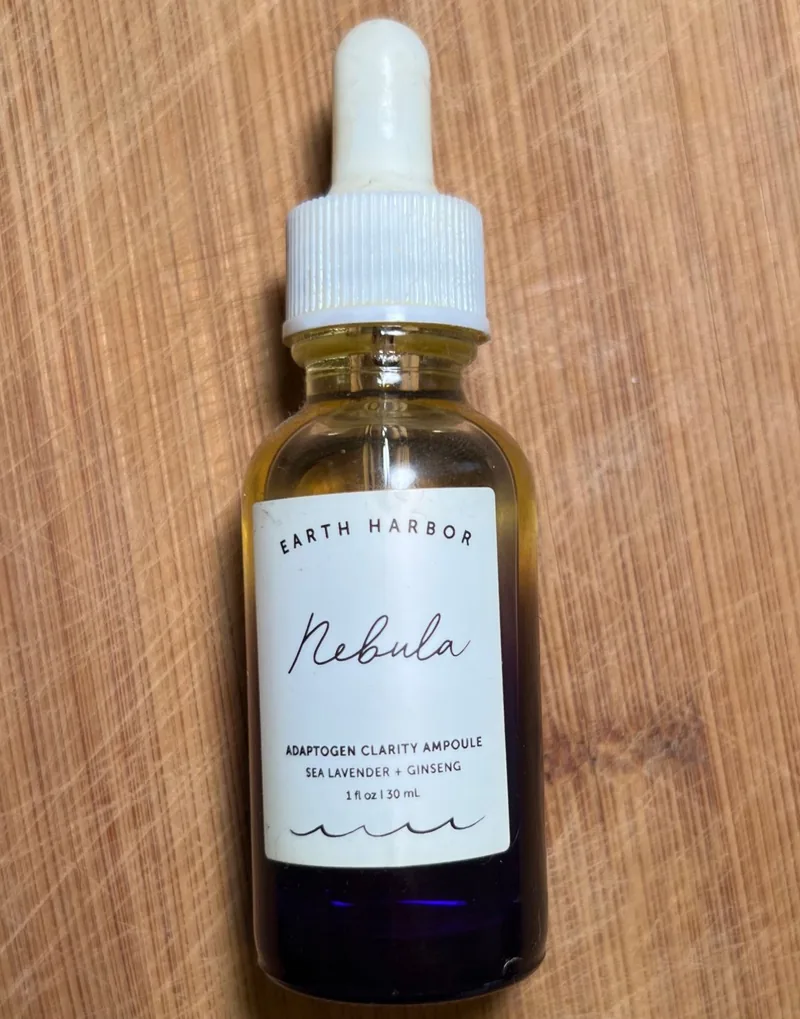
How this guide was made: researched from dermatology sources and each brand's ingredient list. Anna uses Earth Harbor Nebula for facial massage and gua sha; the 7 oils below are researched picks, not ones she has tested. Drafted with AI help, then checked and edited by Anna.
Please note: this is general education, not medical advice. Patch test new oils, especially if you have sensitive skin or a nut allergy.
Welcome to Comfort Mind Body, where we check skincare claims against the research so you can skip the hype.
A good face oil can make dry skin feel soft, give dull skin a glow, and turn a facial massage into the best five minutes of your day. The wrong one can leave oily skin greasy or set off breakouts.
Below are 7 face oils sorted by skin type, the oils I’d skip on your face, and how to use oil without clogging pores. For a deeper look at each type of oil, read my guide to choosing a face oil.
Quick Navigation
ToggleQuick Answer: The Best Face Oil for Your Skin Type
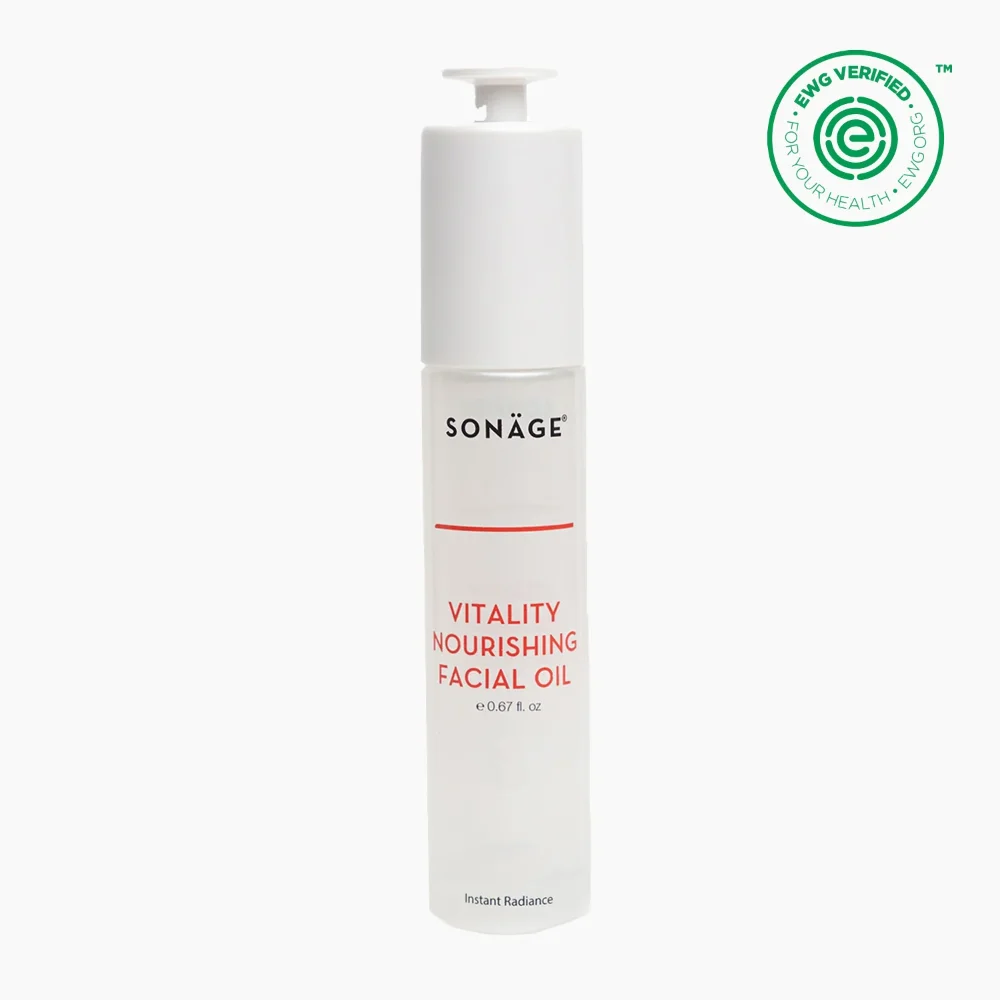
- Dry skin: argan, marula and rosehip oils. Try Sonage Vitality Nourishing Facial Oil.
- Oily or acne-prone skin: squalane, or an oil made for breakouts. Try The Ordinary Squalane or Alpyn Clarifying Facial Oil.
- Sensitive skin: a short, fragrance-free formula. Try Lochtree KelpGlow (Fragrance Free).
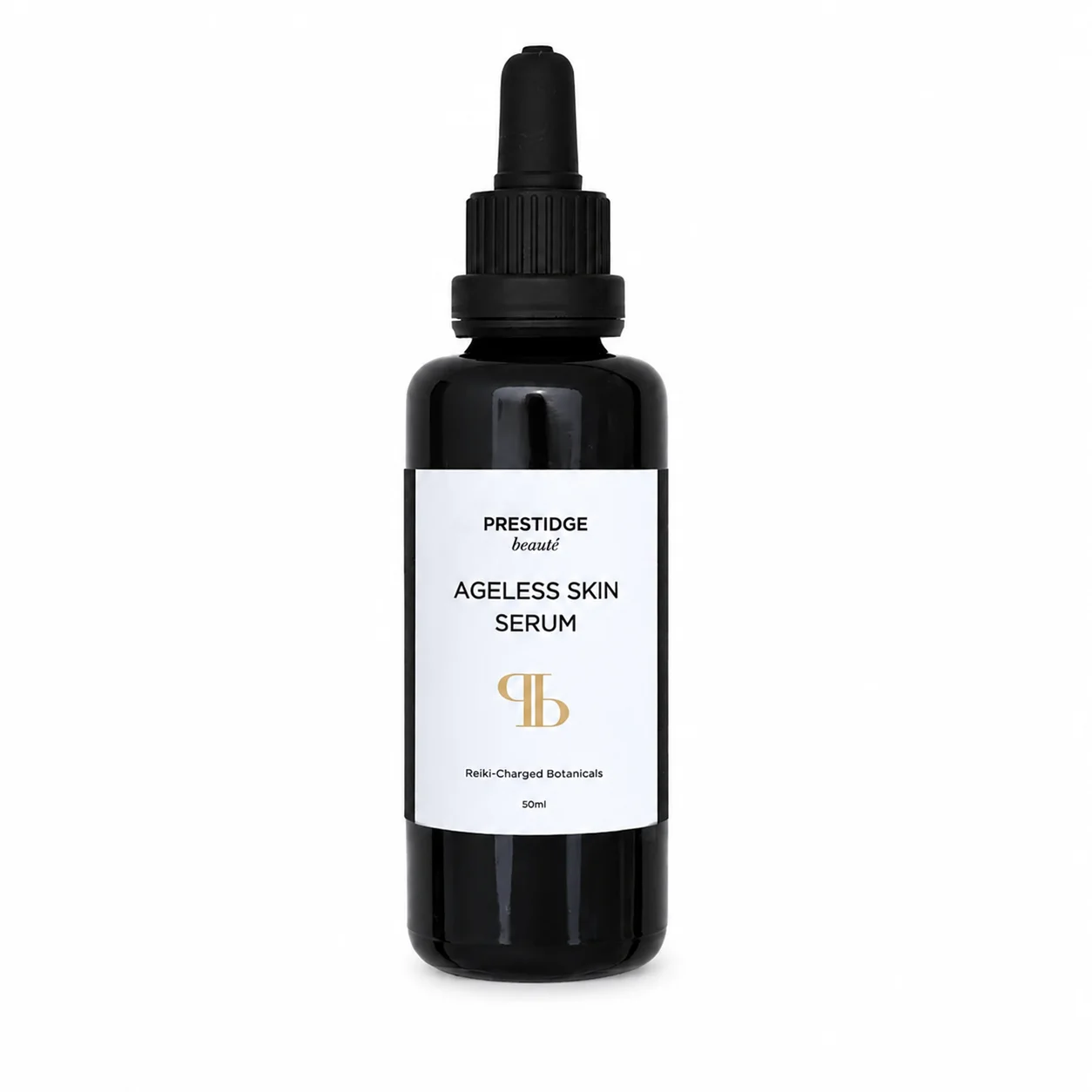
- Mature or dull skin: rosehip oil or a rich multi-oil blend. Try The Ordinary Rose Hip Seed Oil or PRESTIDGE Ageless Skin Serum.
- Combination skin: a light, fast-absorbing blend. Try Activist Precious Oils.
Whatever your skin type, use 2 to 4 drops, apply it as the last step at night, and patch test first.
What a Face Oil Does (and Doesn't Do)
Face oils are emollients. They soften skin and slow down water loss by leaving a thin layer of lipids on top. A review of plant oils on skin notes that emollients can improve the skin barrier by restoring hydration and cutting water loss. That makes them great for dry, tight or flaky skin, and for giving your hands or a gua sha stone some slip during massage.
They don’t add water, though. Hydration comes from water-based steps like toners, serums and moisturizers with glycerin or hyaluronic acid. A face oil works best on top of those, sealing them in.
Face oils also don’t “balance” or “regulate” how much oil your skin makes. A light oil can feel fine on oily skin, but it won’t make your skin produce less sebum. To see which actives pair well with an oil, read my guide to dermatologist-recommended skincare ingredients.
The 7 Best Face Oils by Skin Type
These are researched picks based on each brand’s ingredient list, not oils I’ve tested on my face. I use face oil for massage, and I cover that below.
Best Face Oil for Dry Skin
Dry skin likes richer oils such as argan and marula. Press a few drops over your moisturizer at night to seal it in. For more winter help, see my dry skin in winter guide.
Nourishing oil
Sonage Vitality Nourishing Facial Oil
Best fit: Dry, tight or dull skin.
Why compare: Argan and marula oils in a blend made for the face.
Watch: Contains essential oils. Skip it if fragrance bothers your skin.
View at SonageBest Face Oil for Oily and Acne-Prone Skin
Oily skin can still feel tight, especially in winter or when you use acne treatments. Pick a light, non-comedogenic face oil like squalane, or an oil made for breakouts. If you use actives, read my oily skin in winter guide too.
Oil for breakouts
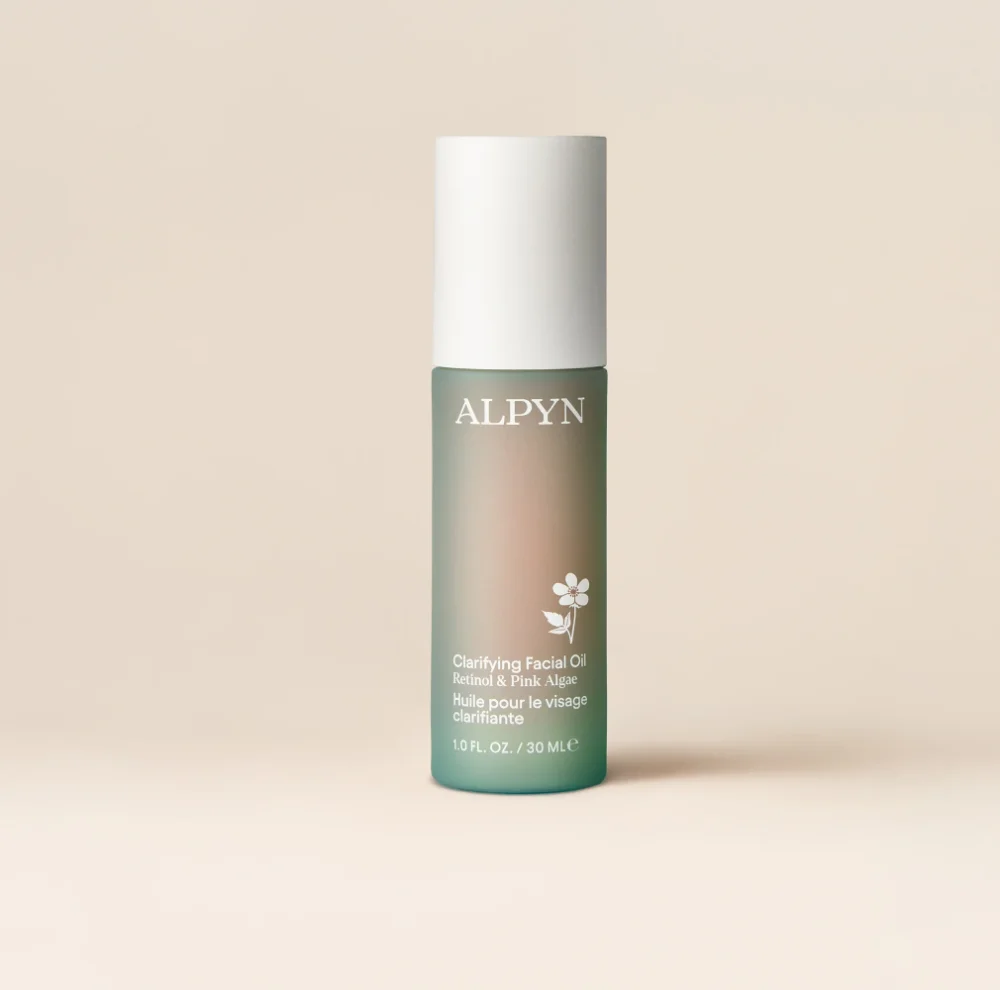
Alpyn Beauty Clarifying Facial Oil
Best fit: Oily or acne-prone skin that still feels dry.
Why compare: Light oils with retinol and salicylic acid in one step.
Watch: It counts as an active: night only, and skip other retinoids and acids that night.
View at Alpyn Beauty
Lightweight oil
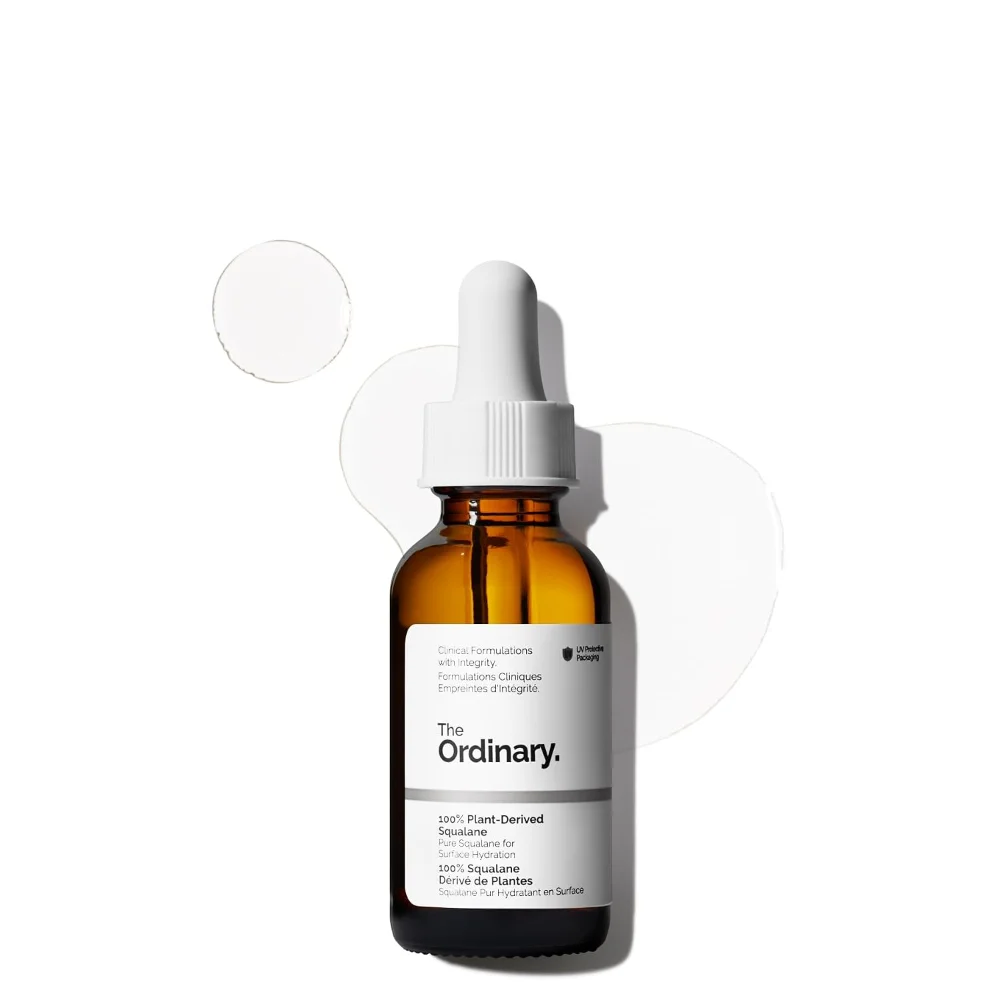
The Ordinary 100% Plant-Derived Squalane
Best fit: Oily, combination or sensitive skin.
Why compare: A single-ingredient, fragrance-free oil that feels light.
Watch: It softens skin but won’t treat acne on its own.
View on AmazonBest Face Oil for Sensitive Skin
With sensitive skin, shorter is better: few oils, no fragrance, no essential oils. Patch test for a few days before using it all over.
Fragrance-free blend
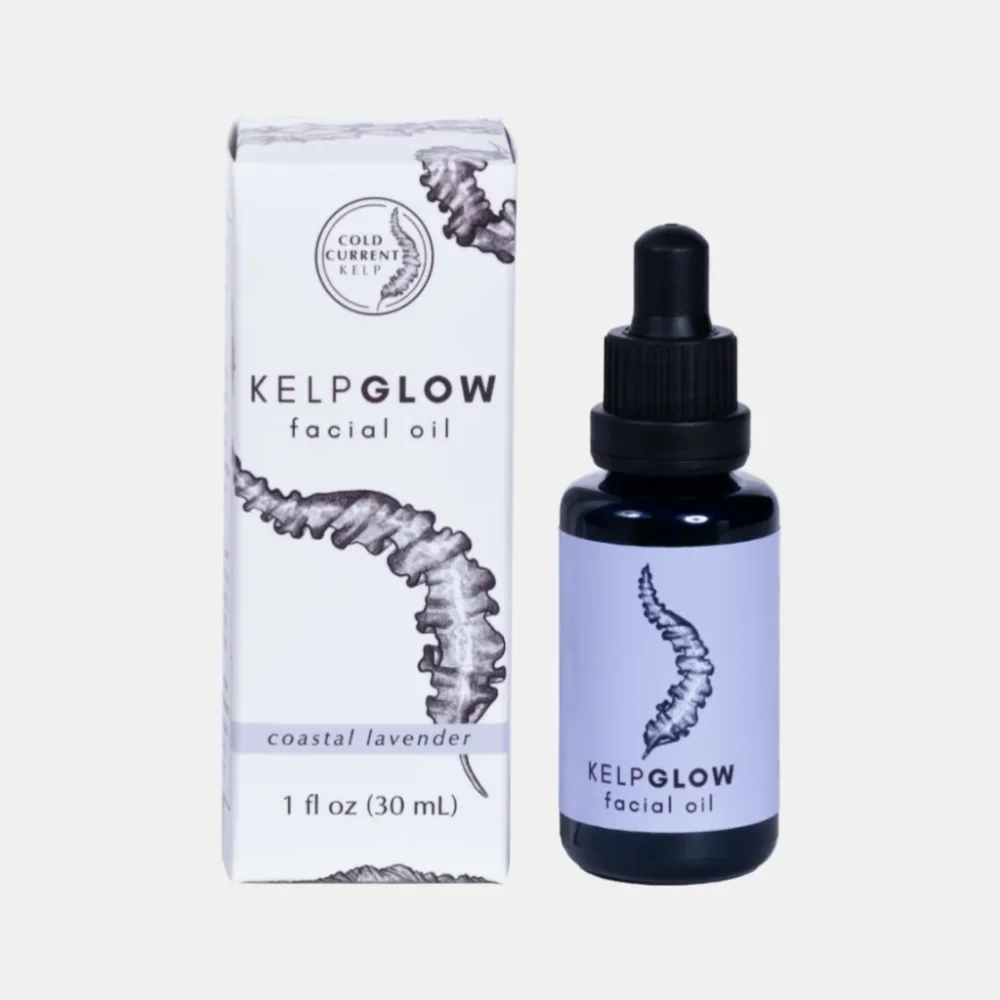
Lochtree KelpGlow Facial Oil (Fragrance Free)
Best fit: Sensitive skin that reacts to fragrance.
Why compare: Jojoba, sunflower and kelp, with a fragrance-free version.
Watch: Choose Fragrance Free at checkout. Contains sweet almond oil, so skip it with a nut allergy.
View at LochtreeBest Face Oil for Mature and Aging Skin
Mature skin often gets drier, so a richer oil can make it look smoother and more glowy. Rosehip seed oil is a budget favorite; a multi-oil blend feels more luxurious.
Single oil
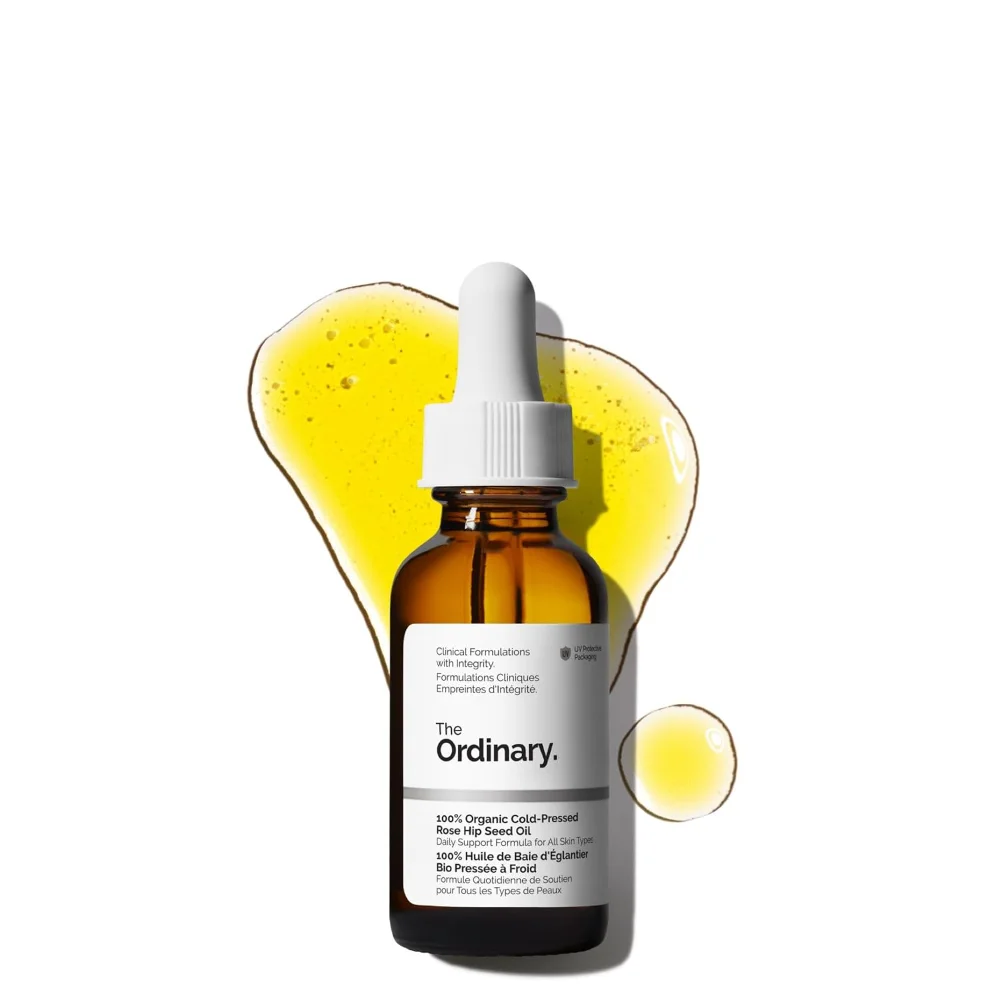
The Ordinary 100% Organic Cold-Pressed Rose Hip Seed Oil
Best fit: Dull, dry or mature skin.
Why compare: One fragrance-free oil, rich in linoleic acid.
Watch: Keep it away from heat and light, and toss it if it smells off.
View on Amazon
Splurge blend
PRESTIDGE beauté Ageless Skin Serum
Best fit: Dry or mature skin, including dryness around menopause.
Why compare: Pomegranate, rosehip, argan, jojoba and sea buckthorn oils in one blend.
Watch: It’s called a serum but it’s an oil, and it contains several essential oils.
View at PRESTIDGEBest Face Oil for Combination Skin
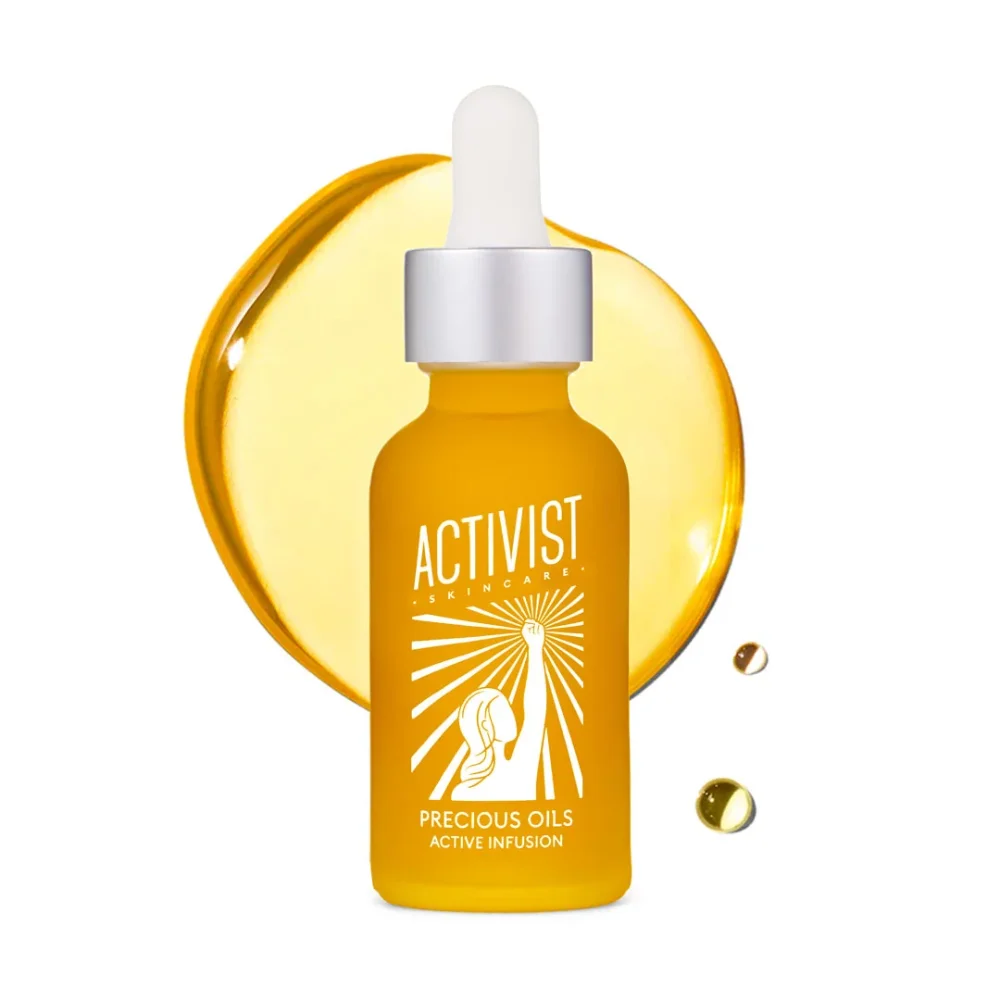
Combination skin needs a blend that feels light on the T-zone. Use one or two drops and focus on the drier areas, like your cheeks.
Light blend
Activist Precious Oils Active Infusion
Best fit: Combination or normal skin.
Why compare: Lighter oils like grapeseed and jojoba, plus avocado and tamanu.
Watch: Contains added fragrance and macadamia oil.
View at ActivistFace Oils to Skip or Use Carefully
Coconut oil: a Cleveland Clinic dermatologist says it’s generally not recommended for the face, because it’s highly comedogenic and can clog pores. It’s fine on your body, but if you break out easily, keep it off your face.
Olive oil: in a small study of 19 adults, olive oil applied to the forearms for four to five weeks weakened the skin barrier and caused mild redness, while sunflower seed oil didn’t. That makes it a poor pick for your face, especially if your skin is dry, eczema-prone or irritated.
Undiluted essential oils, including tea tree oil: they can cause redness and irritation. Never apply them undiluted or swallow them. If you want tea tree for breakouts, choose a product made for skin.
When to Skip Face Oil
Not everyone needs a face oil. Cleveland Clinic dermatologists suggest being careful with face oils if you have:
- Acne-prone skin or active breakouts, unless the oil is labeled noncomedogenic.
- Seborrheic dermatitis, since oily skin is part of what drives it.
- Rosacea, which weakens the skin barrier and makes dryness and flares more likely.
The same goes for irritated or damaged skin, or if you keep reacting to fragrance or plant oils. A fragrance-free moisturizer with ceramides is usually the safer pick. If you have a skin condition, ask your dermatologist before adding an oil.
How to Use Face Oil
- Apply your water-based steps first: toner, serum, moisturizer.
- Warm 2 to 4 drops between your palms and press them onto your face.
- Use oil at night. In the morning, sunscreen stays your last step, so skip the oil or mix one drop into your moisturizer.
Too shiny the next morning? Use fewer drops, or use oil only on dry areas.
Best Face Oil for Gua Sha and Face Massage
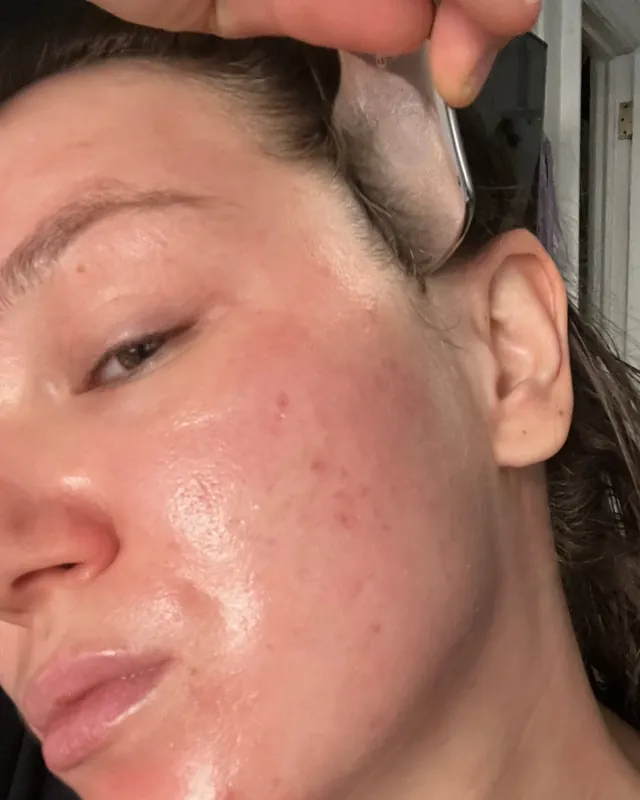
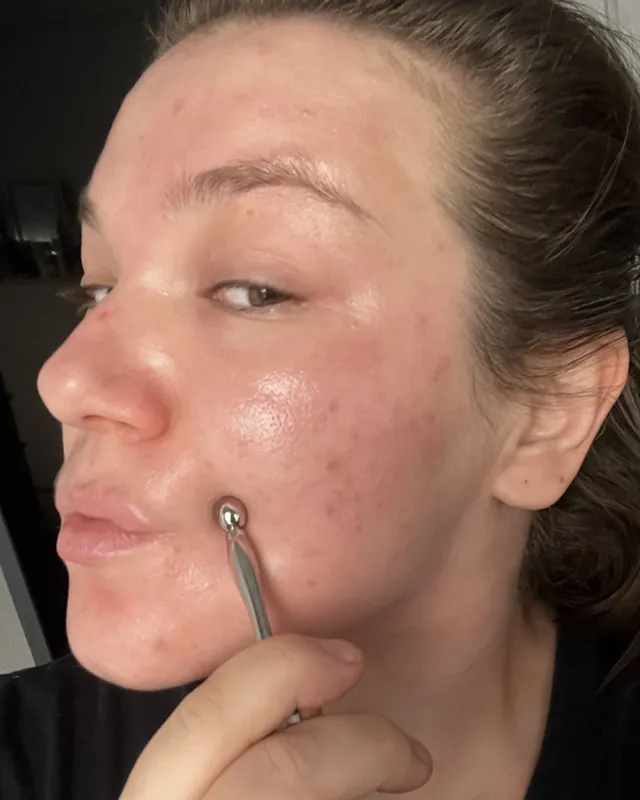
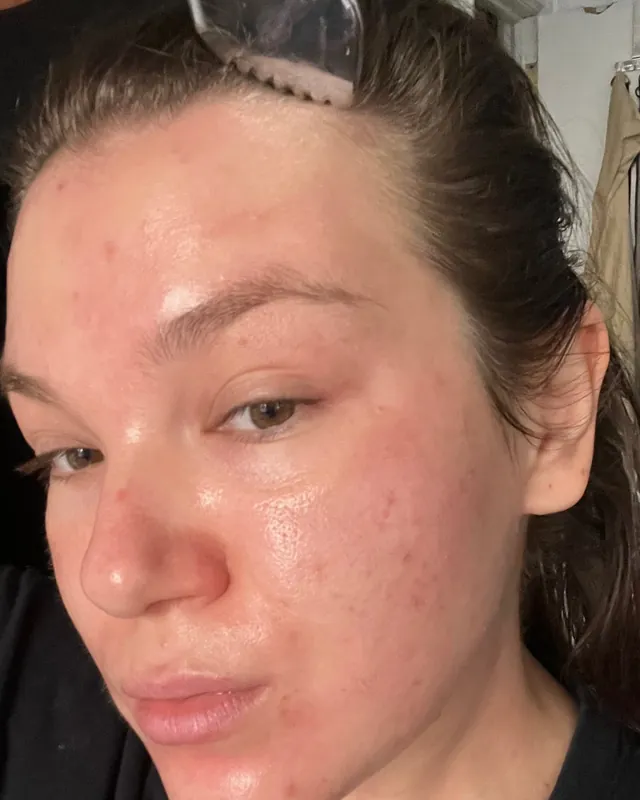
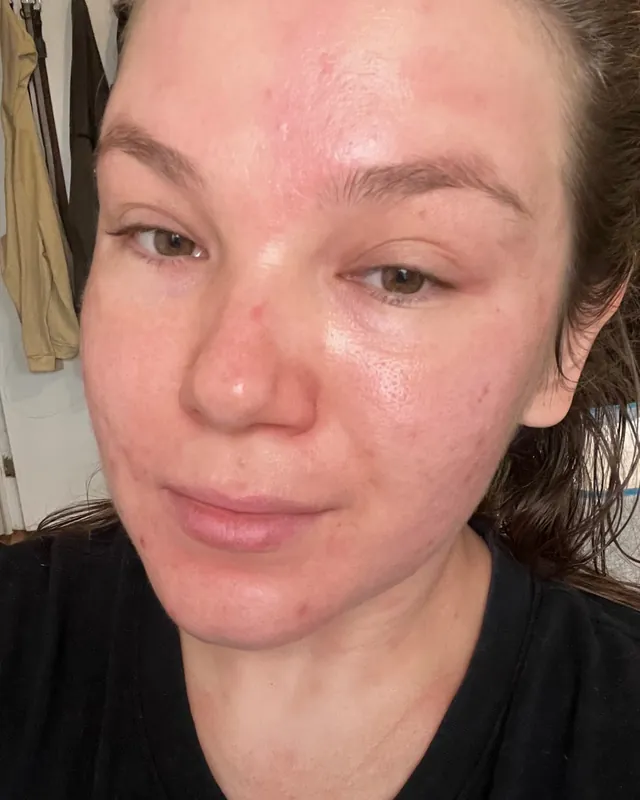
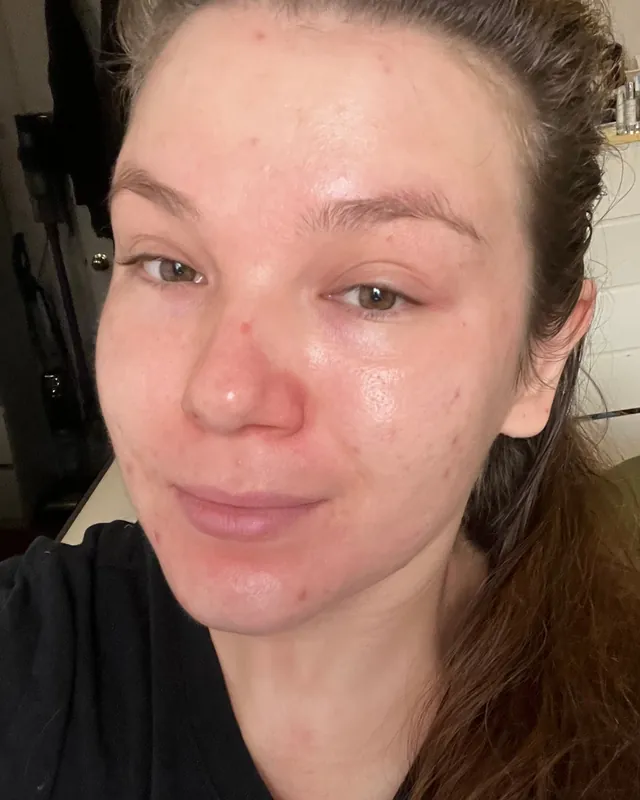
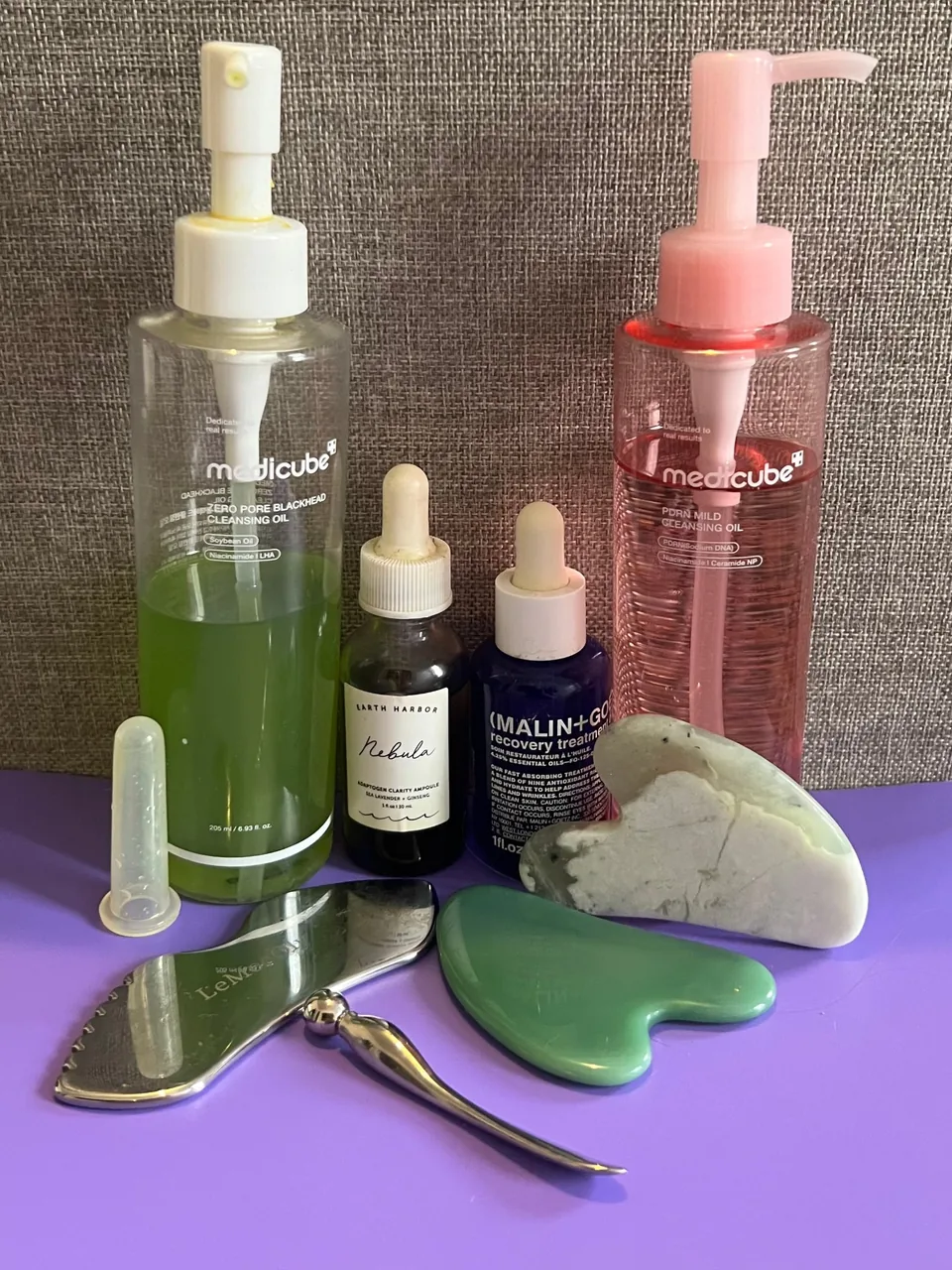
In my routine: massage is the only way I use face oil, and Earth Harbor Nebula is my oil for it. I do either deep-tissue gua sha or, now and then, cupping with a small facial suction cup, never both in one session. It's a featherlight oil with squalane, sea lavender, ginseng and rose, and it gives the stone or cup enough slip to glide instead of tug. Right after, my face is pink, but that fades fast and my skin feels very soft and plump. I also use Malin+Goetz Recovery Treatment Oil for massage, but it's getting hard to find.
My bottle says Adaptogen Clarity Ampoule; Earth Harbor now sells it as NEBULA Adaptogen Calm Concentrate.
- Pick a gentle oil like Nebula, squalane or rosehip. Skip retinol oils like Alpyn Clarifying for gua sha.
- Use enough that the tool glides; add a drop if it starts to drag.
- Clean your stone after each use, and cleanse your face afterward if you’re acne-prone.
My gua sha session in photos


My gua sha tools:
- Stainless steel gua sha for face sculpting: View on Amazon
- Pointy stainless steel kit for dot gua sha: View on Amazon
- Jade heart-shaped gua sha, MissLady (2-piece set): View at Stylevana
- Jade gua sha comb for scalp massage, anillO: View at Stylevana
On my wish list: two ceramic gua sha tools I'm thinking of buying next.
- milktouch Slim Face Ceramic Gua Sha: View at Stylevana
- WELLDERMA Face & Body Ceramic Gua Sha: View at Stylevana
Oil Cleansing
Cleansing oils aren’t face oils. They contain emulsifiers, so they mix with water and rinse off, taking sunscreen and makeup with them. Follow with your regular cleanser if you like a double cleanse.
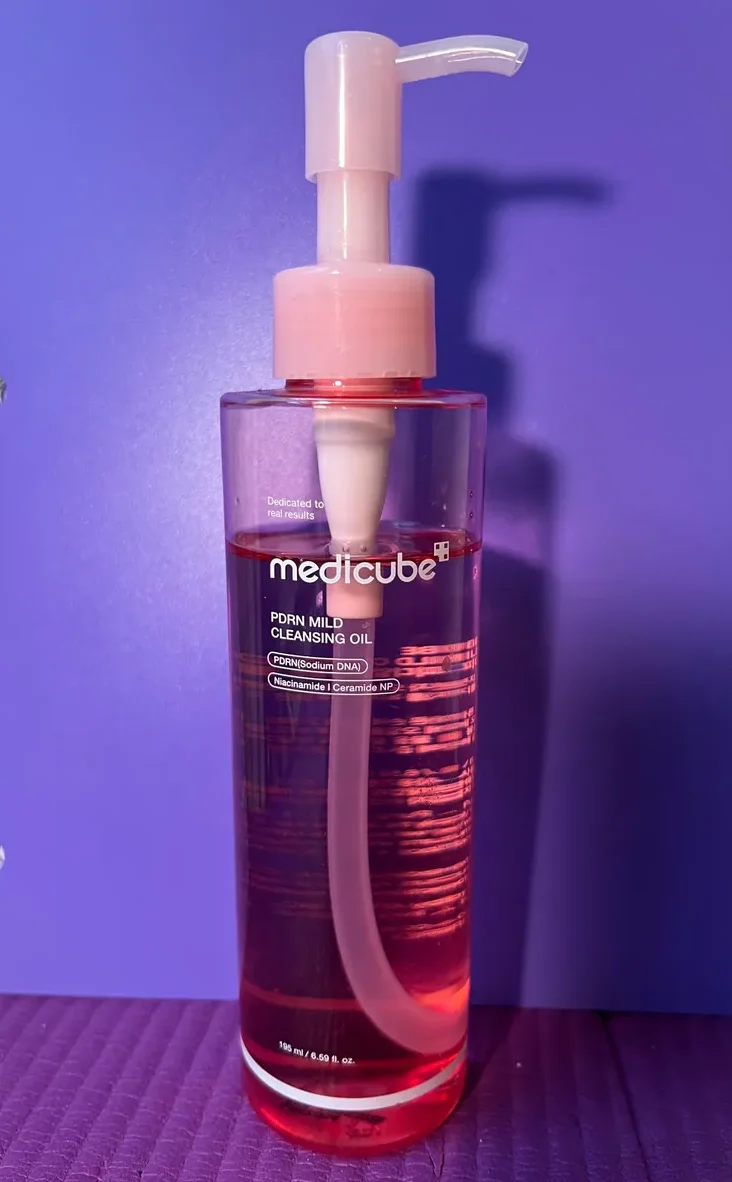
In my routine: my cleansing oil is the Medicube PDRN Mild Cleansing Oil. It melts my sunscreen and turns milky when I add water, so it rinses clean.

Face Oil FAQ
Can face oil replace moisturizer?
Do face oils clog pores?
Does face oil go before or after moisturizer?
Is face oil good for oily skin?
Can I use face oil with retinol?
Final Thoughts
The best face oil is the one that suits your skin type and feels good to use. Start with a few drops at night, keep fragrance low if your skin is sensitive, and go easy on coconut and olive oil on your face, especially if you break out or your skin barrier is weak.
For how each oil works, read my guide to choosing a face oil, and for the actives you can pair with oil, see my dermatologist-recommended skincare ingredients.
A few drops, a little glide, and a good night’s sleep,
Anna
Safety Notes
Safety Notes
- This guide is general education. It isn't a diagnosis or treatment plan.
- Patch test first: apply a little behind your ear or on your jaw for a few days before using a new oil on your whole face.
- Some oils come from nuts (sweet almond, macadamia, argan). Check the ingredient list if you have a nut allergy.
- Essential oils and fragrance are common irritants. Never put undiluted essential oils, including tea tree oil, on your skin, and never swallow them.
- Retinol oils (like Alpyn Clarifying) are actives: use them at night, wear sunscreen daily, and ask your doctor first if you're pregnant or breastfeeding.
- For facial cupping, use a small cup with light suction and keep it moving. Skip broken, sunburned or inflamed skin, since cupping can leave marks.
- If you get new clogged pores or bumps after starting an oil, stop and see if they clear.
- See a dermatologist for acne that won't settle, rashes, or dryness that cracks or bleeds.
Helpful Resources
- Cleveland Clinic: Is coconut oil good for your skin?
- Danby et al., 2013: Effect of olive and sunflower seed oil on the adult skin barrier (Pediatric Dermatology)
- NCCIH: Tea tree oil
- Cleveland Clinic: Are face oils good for your skin?
- Lin, Zhong and Santiago, 2017: Anti-inflammatory and skin barrier repair effects of topical application of some plant oils (International Journal of Molecular Sciences)