
Changing skincare for summer does not mean replacing every product on the shelf. In most cases, the best summer skincare switch is smaller and smarter: keep the routine stable, make sunscreen easier to wear, adjust heavy textures, cleanse well after sweat and SPF, and avoid overdoing strong actives during heat, travel, or long outdoor days.
Summer can change how skin behaves. More sunlight, sweat, sunscreen, humidity, air conditioning, swimming, travel, and friction from hats or sunglasses can make a normal routine feel too heavy, too weak, or too irritating. That does not mean the whole routine is wrong. It usually means the routine needs seasonal editing.
This guide is about how to change skincare for summer when a basic routine already exists. For a full AM and PM routine with sunscreen, sweat, hydration, breakouts, and beach-day steps, read the main summer skincare guide here: Summer Skincare Routine: AM And PM Steps For Sunscreen, Sweat, Breakouts And Hydration.
Quick Navigation
ToggleQuick Answer: How Should Skincare Change For Summer?
To change skincare for summer, keep the core routine and adjust the parts that feel uncomfortable in heat. Cleanser, moisturizer, sunscreen, and working treatments can usually stay. What may change is the texture, the timing, the cleansing method, and the sunscreen reapplication plan.
A heavy winter cream may become a lighter lotion or gel cream during the day. A quick evening cleanse may become a more careful cleanse when sunscreen, sweat, makeup, or outdoor buildup sits on the skin. A casual sunscreen habit may need a stronger plan for reapplication, especially during swimming, walking, sports, gardening, beach days, or travel.
The goal is not a longer routine. The goal is a routine that still protects the skin, feels comfortable in warm weather, and does not create irritation from too many new products at once.
Anna’s Note: A summer skincare switch should feel like editing, not panic-buying. If the routine already works, start with the smallest useful changes: sunscreen, texture, cleansing, and actives.
What Changes Most In Summer?
Summer skin is affected by more than temperature. UV exposure usually increases, sunscreen is worn more often, and sweat can mix with SPF, makeup, sebum, hair products, towels, hats, sunglasses, helmets, or workout clothes.
Humidity can make rich creams feel greasy or heavy. Dry heat and air conditioning can make skin feel tight, even when the weather is hot. Swimming can add another layer of stress because chlorine, salt water, sun exposure, and repeated towel drying may leave skin feeling dry or reactive.
Travel can also confuse the routine. Skin may move from airplane dryness to humid heat in the same day. A product that feels perfect at home may feel too heavy, too drying, or too irritating in a different climate.
That is why summer skincare changes should be practical. The routine should answer what the skin is dealing with: more UV, more sweat, more SPF, more friction, more swimming, more travel, or more air conditioning.
What Should Stay The Same In Summer?
The basics should not disappear in summer. A gentle cleanser, moisturizer, sunscreen, and any treatment that already works well can often stay in place. The routine may need a lighter texture or better timing, but the foundation stays similar.
Moisturizer is still important, even for oily skin. Sunscreen is still important, even on cloudy days or quick errands. Gentle cleansing is still better than scrubbing. Barrier support still matters, especially when the routine includes retinol, acids, acne products, swimming, or frequent sunscreen removal.
If a dermatologist has recommended a treatment plan for acne, eczema, rosacea, melasma, or another skin concern, summer is not the time to stop it without guidance. It may need adjustment, but that decision is best made carefully.
For readers still building the basics, this guide can help: Step-By-Step Skincare Routine: Simple AM And PM For Every Skin Type.
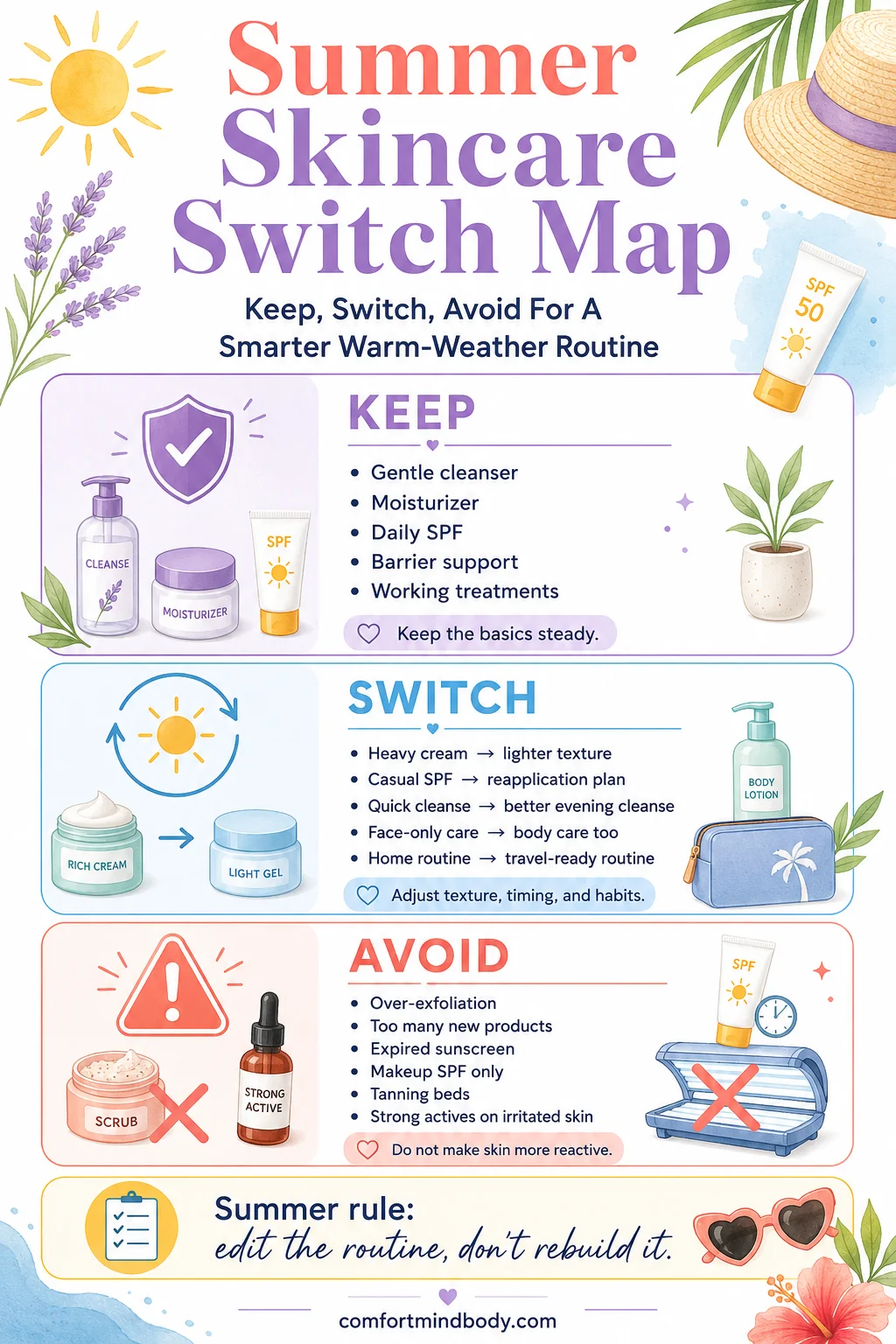
The Summer Skincare Switch Framework: Keep, Switch, Avoid
The easiest way to change skincare for summer is to separate the routine into three groups. Keep the products that protect and calm the skin. Switch the textures or habits that no longer fit the season. Avoid changes that increase irritation, breakouts, or sun sensitivity.
Swipe left or right to view the full table on mobile.
| Routine Area | Keep | Switch If Needed | Avoid |
|---|---|---|---|
| Cleanser | A gentle cleanser that leaves skin comfortable. | A more thorough evening cleanse if sunscreen, sweat, or makeup builds up. | Harsh scrubbing, over-cleansing, or tight-feeling skin after washing. |
| Moisturizer | Moisturizer, even if skin feels oily in heat. | A lighter lotion, gel cream, or daytime texture in humid weather. | Skipping moisturizer completely when skin feels shiny. |
| Sunscreen | Daily broad-spectrum sunscreen. | A more wearable SPF texture and a clear reapplication plan. | Relying on makeup SPF only or forgetting reapplication outdoors. |
| Vitamin C | A vitamin C product that skin already tolerates. | Use less often if skin feels irritated, dry, or reactive. | Adding multiple brightening products at once before travel or sun-heavy days. |
| Retinol | A steady nighttime retinol routine if already tolerated. | Reduce frequency during irritation, sunburn, peeling, or travel stress. | Starting strong retinol right before vacation or heavy sun exposure. |
| Exfoliation | Gentle exfoliation only if skin already tolerates it. | Use less often if skin feels hot, tight, rough, or sensitive. | Daily acids, rough scrubs, or exfoliating to “remove sweat.” |
| Makeup | Products that feel comfortable and remove easily at night. | Lighter layers, non-comedogenic formulas, or less base makeup in heat. | Heavy makeup over heavy sunscreen without proper cleansing later. |
| Travel Routine | A simple routine that already works at home. | Pack lighter daytime textures, enough sunscreen, and one recovery product. | Testing a full new routine in a hot or humid destination. |
This framework keeps the routine focused. Most summer skin problems do not need ten new products. They need a better match between the weather, the skin, and the products already being used.
How To Change Moisturizer For Summer
Moisturizer should usually stay in the routine during summer. The texture may need to change, but the step itself still matters. Heat can make skin feel oily, while sunscreen, swimming, acne treatments, air conditioning, and frequent cleansing can still leave skin feeling dry or tight.
If a winter cream feels heavy by midday, a lighter lotion, gel cream, or breathable moisturizer may fit better for daytime. If skin feels tight after cleansing or sunscreen, a light hydrating layer under moisturizer may be more useful than removing moisturizer completely.
Dry skin may still need a richer moisturizer at night, especially after pool days, beach days, air travel, or long hours in air conditioning. Combination skin may need a lighter layer on the T-zone and more comfort on dry areas.
Sensitive or reactive skin should be handled carefully. If skin stings, burns, or feels rough after several summer products, the best switch may be fewer products, not more. A simple moisturizer and sunscreen routine can be more helpful than adding another active.
Hydration and moisture are not the same thing. A watery serum or essence may help skin feel plumper, while moisturizer helps soften and support the skin barrier. This guide explains the difference in more detail: Difference Between Hydrating And Moisturizing.
How To Change Cleanser For Summer Sweat And SPF
Summer cleansing should remove buildup without stripping the skin. Sweat, sunscreen, makeup, outdoor dust, and body heat can make skin feel sticky by the end of the day, but that does not mean the face needs harsh cleansing.
In the morning, some readers may do well with a gentle cleanse. Others may prefer a water rinse if skin feels balanced and not oily. At night, cleansing becomes more important because sunscreen and sweat may sit on the skin for hours.
Double cleansing may be helpful when wearing water-resistant sunscreen, heavy makeup, or long-wear products. That can mean an oil cleanser or cleansing balm first, followed by a gentle water-based cleanser. If skin feels tight, squeaky, or irritated afterward, the routine may be too stripping.
For acne-prone skin, the goal is not to scrub away every trace of oil. The better goal is to remove buildup gently and keep the skin barrier steady. More acne routine support is here: Skincare Routine For Acne.
How To Change Sunscreen Habits In Summer
Sunscreen is usually the most important summer skincare change. The product does not need to be complicated, but the habit needs to be realistic. A sunscreen that feels comfortable is easier to use generously and reapply when needed.
A broad-spectrum sunscreen with SPF 30 or higher is a practical daily choice for many routines. Apply it generously before sun exposure, and reapply during outdoor time. Reapplication becomes especially important after swimming, sweating, or towel drying.
The FDA explains that no sunscreen is truly waterproof. Water-resistant sunscreens still need to be reapplied according to the label, often after 40 or 80 minutes in water or heavy sweating. Sunscreen also works best with shade, hats, sunglasses, and protective clothing.
Commonly missed areas include the ears, lips, neck, hands, hairline, exposed scalp, and tops of the feet. These spots matter more in summer because sandals, ponytails, hats, swimming, and outdoor plans can leave more skin exposed.
Sunscreen storage also matters. A bottle left in a hot car or direct sun may not be the best product to rely on all season. Check expiration dates, and replace sunscreen that is expired, separated, unusually watery, or changed in smell or texture.
Summer Sunscreen Checklist
- Choose broad-spectrum SPF 30 or higher.
- Apply enough sunscreen before sun exposure.
- Use sunscreen on the face, neck, ears, hands, and exposed body skin.
- Use lip SPF outdoors, not only a regular lip balm.
- Reapply during outdoor time, especially after swimming, sweating, or towel drying.
- Choose water-resistant sunscreen for pool, beach, sports, or heavy sweating.
- Use shade, hats, sunglasses, and protective clothing with sunscreen.
- Check expiration dates and avoid storing sunscreen in direct heat.
How To Handle Sweat, Oil And Breakouts In Summer
Sweat itself is not automatically a skincare problem. The issue is usually sweat mixed with sunscreen, makeup, sebum, friction, heat, hats, helmets, masks, towels, or tight clothing.
After heavy sweating, a gentle rinse or cleanse can help. If cleansing is not possible right away, blotting with a clean towel and cleansing later is usually better than rubbing the face aggressively.
Summer breakouts can also show up around the hairline, chest, back, shoulders, or areas where clothing and sweat sit close to the skin. Body sunscreen, sweat, hair products, hats, and workout clothes may all contribute to clogged-feeling skin.
The main mistake is treating every summer breakout with more exfoliation. Skin that is hot, tight, peeling, or stinging usually needs a calmer routine first.
Sushi Note: If a routine only works on perfect indoor days, it may need a summer version. The summer version should be easier to wear, easier to reapply, and easier to clean off at night.
How To Change Body Care For Summer Sweat, SPF And Dryness
Summer skincare does not stop at the face. Body skin also deals with more sunscreen, sweat, shaving, friction, swimming, sandals, exposed shoulders, and air-conditioned dryness. A good summer switch should include body care too, especially if the chest, back, arms, legs, or shoulders feel dry, bumpy, clogged, or irritated.
The biggest body care change is cleansing after heavy sweat, sunscreen, pool days, beach days, or outdoor workouts. Body sunscreen can build up on the shoulders, chest, back, arms, and legs. A gentle but effective body wash can help remove that buildup without leaving skin tight or stripped.
Moisturizer also matters more than it seems. Chlorine, salt water, shaving, towel drying, and hot showers can make body skin feel dry even when the weather is humid. Moisturizing after showering is usually more helpful than trying to exfoliate dryness away.
Body exfoliation can be useful for rough texture, dry patches, or bumpy-feeling skin, but it should be gentle and occasional. Avoid strong scrubs, acids, or exfoliating products on sunburned, freshly shaved, broken, or irritated skin.
Lip care is part of summer body care too. A lip treatment can help lips feel softer and more comfortable after air conditioning, travel, wind, or dry heat, but hydration and sun protection are not the same thing. Use a separate SPF lip balm outdoors unless the lip product label clearly includes SPF.
For a deeper body routine, read the full guide here: Body Care Routine: How To Care For Skin From Neck To Toe.
Swipe left or right to view the full table on mobile.
| Summer Body Concern | Helpful Switch | Avoid |
|---|---|---|
| Body SPF buildup | Cleanse after sunscreen-heavy days, workouts, beach days, or pool time. | Sleeping in sunscreen, sweat, and tight clothing. |
| Dry arms or legs | Moisturize after showering, especially after swimming or shaving. | Using hot showers and skipping moisturizer. |
| Back or chest breakouts | Shower after sweating and choose breathable clothing when possible. | Heavy oils or rich body creams on breakout-prone areas. |
| Rough texture | Use gentle body exfoliation occasionally if skin tolerates it. | Scrubbing sunburned, freshly shaved, or irritated skin. |
| Shaving irritation | Use calming moisture after shaving and avoid strong actives right away. | Applying acids, fragrance-heavy products, or rough scrubs right after shaving. |
| Pool or beach dryness | Rinse, moisturize, and reapply sunscreen before going back outside. | Treating dryness with exfoliation first. |
Summer Skincare Changes By Skin Type
Summer skincare is not the same for every skin type. Oily skin may need lighter textures, while dry skin may still need richer support at night. Sensitive skin may need fewer actives, while acne-prone skin may need better sweat and sunscreen removal.
The goal is to match the summer switch to the actual skin concern. A product that feels perfect for oily skin in humidity may not be enough for dry skin in air conditioning. A strong exfoliant that seems useful for clogged pores may be too much for sensitive or sun-exposed skin.
Swipe left or right to view the full table on mobile.
| Skin Type Or Concern | Common Summer Issue | Helpful Switch | Avoid |
|---|---|---|---|
| Oily skin | Shine, sunscreen slip, clogged-feeling skin. | Use lightweight moisturizer, gel textures, and careful evening cleansing. | Skipping moisturizer or over-cleansing several times a day. |
| Dry skin | Tightness from air conditioning, swimming, or sunscreen removal. | Use light hydration during the day and richer support at night if needed. | Assuming summer means dry skin no longer needs moisture. |
| Combination skin | Oily T-zone with dry cheeks or tight areas. | Use lighter layers overall and add extra moisturizer only where needed. | Treating the whole face as oily or the whole face as dry. |
| Sensitive skin | Stinging, redness, heat sensitivity, or sunscreen irritation. | Keep the routine simple and introduce new products slowly. | Trying multiple new actives, exfoliants, or fragranced products at once. |
| Acne-prone skin | Breakouts from sweat, SPF buildup, friction, or heavy textures. | Choose non-comedogenic textures and cleanse well after sunscreen-heavy days. | Scrubbing breakouts or adding too many acne products at once. |
| Mature skin | Dryness, dullness, sun exposure, and texture changes. | Prioritize sunscreen, hydration, moisturizer, and gentle antioxidant support. | Over-exfoliating to chase smoothness quickly. |
| Melanin-rich skin | Uneven-looking tone, post-breakout marks, or sunscreen white cast. | Use a wearable sunscreen consistently and avoid irritation that may worsen marks. | Skipping sunscreen because a formula leaves a cast. |
For any skin type, the best summer skincare switch is the one that solves a real problem. If the current cleanser, moisturizer, and sunscreen still feel good, there is no need to replace them just because the season changed.
Should Vitamin C, Retinol Or Exfoliating Acids Change In Summer?
Active ingredients can stay in a summer routine, but they need more respect when skin is dealing with heat, sweat, stronger sun exposure, swimming, travel, or irritation. The question is not always whether an active is allowed in summer. The better question is whether the skin is tolerating it well right now.
Vitamin C In Summer
Vitamin C can fit into a summer morning routine if skin tolerates it. Many readers use it for antioxidant support and a brighter-looking routine, especially under sunscreen. It should not replace sunscreen, and it should not be layered with too many other strong products if skin feels sensitive.
If a vitamin C serum stings, pills under sunscreen, or makes the routine feel too complicated, it can be used less often or paused. A calm, consistent sunscreen routine matters more than forcing a brightening serum into every morning.
For a deeper guide, read: Can Vitamin C Skincare Products Be Used During Summer?.
Retinol In Summer
Retinol is usually used at night, and it is not automatically off-limits in summer. The problem is tolerance. If skin is already dry, peeling, sunburned, or irritated, retinol may feel stronger than usual.
Readers who already tolerate retinol may keep a steady routine, but summer is not the ideal time to suddenly increase frequency before a beach trip, outdoor event, or hot-weather vacation. It is also not the best time to start a strong retinoid without a careful plan.
Exfoliating Acids In Summer
Exfoliating acids can help some routines, but more exfoliation is not always better in summer. Sweat, sunscreen, and oil can make skin feel clogged, but daily acids or harsh scrubs can leave the barrier more irritated.
A gentle once-or-twice-weekly approach may be enough for some readers. Sensitive, dry, sun-exposed, or acne-treated skin may need less. If skin feels hot, raw, shiny, tight, or stinging, exfoliation should usually pause.
For ingredient combinations to be careful with, read: Skincare Products You Shouldn’t Mix.
Comfort Mind Body Take: In summer, active ingredients should support the routine, not fight against heat, sun, sweat, and irritation. If the skin feels stressed, simplify first.
How To Change Skincare For A Hot Or Humid Trip
Travel is one of the easiest ways to disrupt a routine. Skin may go from air conditioning to airplane dryness to tropical humidity within the same day. A product that feels balanced at home may suddenly feel heavy, sticky, drying, or irritating.
A travel skincare switch should be planned before the trip, not after the skin is already reacting. The safest approach is usually to pack familiar basics and make small texture changes only when needed.
Before The Trip
Before traveling somewhere hot, humid, sunny, or beach-heavy, test sunscreen at home first. A sunscreen that stings, pills, leaves a strong cast, or breaks down under sweat should not be discovered on the first vacation day.
Avoid starting strong retinol, exfoliating acids, peels, acne treatments, or multiple new products right before travel. If a product causes irritation, it is much harder to manage when the routine is already dealing with sun, sweat, swimming, and climate changes.
Travel Day
Travel day should stay simple. Airplane cabins and long car rides can make skin feel dry, but that does not mean the routine needs masks, acids, retinol, and several layers. A gentle cleanse, moisturizer, lip comfort, and sunscreen when needed are usually enough.
If skin tends to feel tight during travel, a light hydrating layer or moisturizer can help. If skin tends to clog easily, avoid heavy occlusive layers before a long, sweaty travel day.
The First 48 Hours In A Hot Destination
The first 48 hours are not the time to test every new product. Let skin adjust to the new climate. Use the familiar basics: cleanser, moisturizer, sunscreen, and a simple evening routine.
If humidity makes skin feel greasy, reduce heavy layers before removing moisturizer completely. If dry heat or air conditioning makes skin tight, keep hydration and moisturizer steady.
Beach, Pool Or Outdoor Days
Beach, pool, hiking, sightseeing, and outdoor sports days need more sunscreen planning. Apply enough sunscreen before going outside, reapply during outdoor time, and reapply after swimming, sweating, or towel drying.
After swimming, rinse when possible, moisturize if skin feels dry, and avoid exfoliating irritated or sun-exposed skin. Chlorine, salt water, and towel friction can make skin feel rough, but that does not always mean it needs acids or scrubs.
After The Trip
After travel, give skin a few calm days before treating every breakout, dark spot, or rough patch aggressively. A gentle reset often works better than immediately adding acids, scrubs, retinol, and brightening products all at once.
What Not To Change Too Fast
Summer can make skin feel different quickly, but changing too much at once can make the routine harder to understand. If skin becomes irritated or breaks out, it may be impossible to know whether the cause was sunscreen, cleanser, exfoliation, heat, sweat, travel, or a new product.
The safest summer switch is usually slow. Change one or two things first, then watch how skin responds before adding more.
- Do not switch every product in one week.
- Do not skip moisturizer just because skin feels oily.
- Do not exfoliate daily to remove sweat or sunscreen buildup.
- Do not start strong retinol, acids, peels, or acne treatments right before vacation.
- Do not rely on makeup SPF as the only sunscreen step.
- Do not use expired sunscreen or sunscreen that has changed texture.
- Do not forget the neck, ears, lips, hands, scalp, shoulders, and tops of feet.
- Do not use harsh DIY masks or rough scrubs after sun exposure.
- Do not sleep in sunscreen, sweat, and makeup.
Simple Summer Skincare Switch Checklist
This checklist can help keep the routine practical. It is not about adding every possible summer product. It is about making the existing routine work better in heat, humidity, sun, sweat, and travel.
- Check sunscreen expiration dates.
- Choose a sunscreen texture that feels wearable.
- Plan sunscreen reapplication for outdoor days.
- Keep moisturizer, but lighten the texture if needed.
- Cleanse well at night after sweat, SPF, or makeup.
- Use body sunscreen on exposed body skin.
- Shower or rinse after heavy sweating, swimming, or sunscreen-heavy days.
- Moisturize body skin after pool, beach, shaving, or dry-air days.
- Reduce actives if skin feels irritated.
- Keep one barrier-support product in the routine.
- Test new products before travel, not during travel.
- Pack lip SPF for outdoor time and lip treatment for comfort if lips feel dry.
Some links below are affiliate links. If readers buy through these links, Comfort Mind Body may earn a small commission at no extra cost to them. Product examples are included to show the type of item that may fit a summer skincare switch; they are not required for every routine.
Optional Product Examples For A Summer Skincare Switch
The most useful summer products solve a specific problem. A sunscreen should make daily protection easier. A cleansing oil should help remove sunscreen and makeup at night. A hydrating essence should make skin feel more comfortable without a heavy layer. Body care should help with sunscreen, sweat, rough texture, dryness, or lip comfort.
Use this section as a comparison guide, not a shopping checklist. Most routines only need a few seasonal edits.
Face Skincare Switch Products
Swipe left or right to view the full table on mobile.
| Product And Summer Role | Best For |
|---|---|
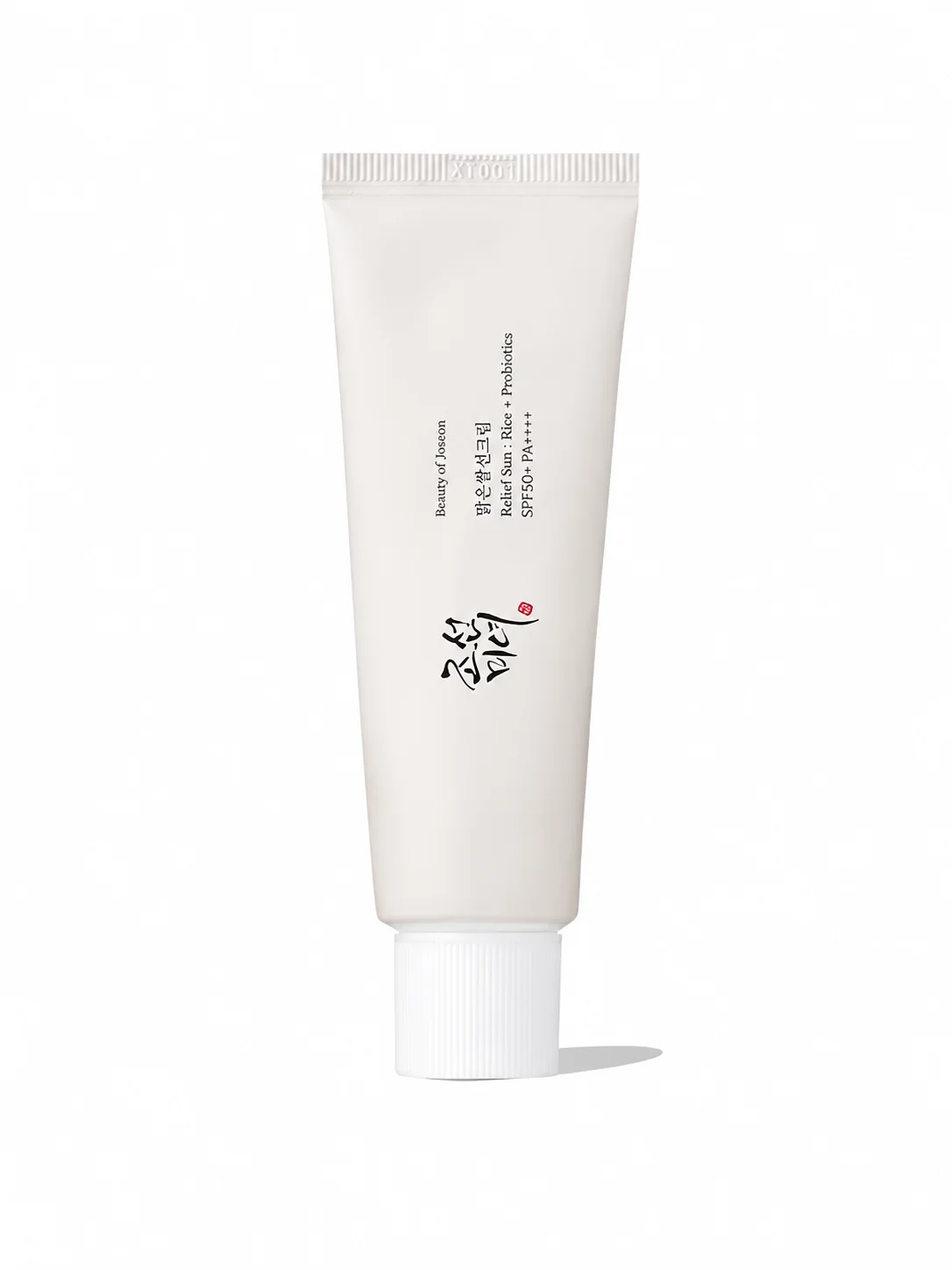
Beauty of Joseon Relief Sun SPF 50
Daily face sunscreen |
A lightweight SPF step for daily summer routines. |
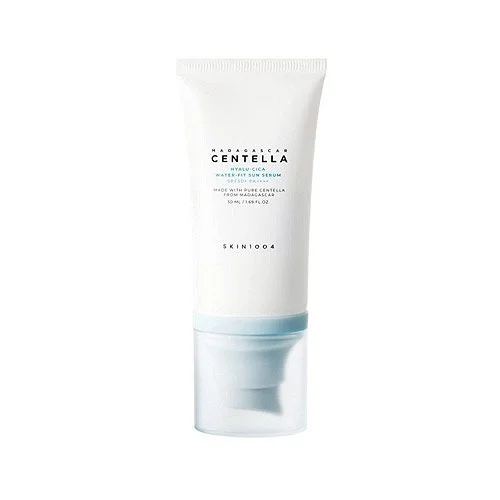
SKIN1004 Hyalu-Cica Water-Fit Sun Serum
Dewy face sunscreen |
Skin that prefers a serum-like sunscreen feel. |
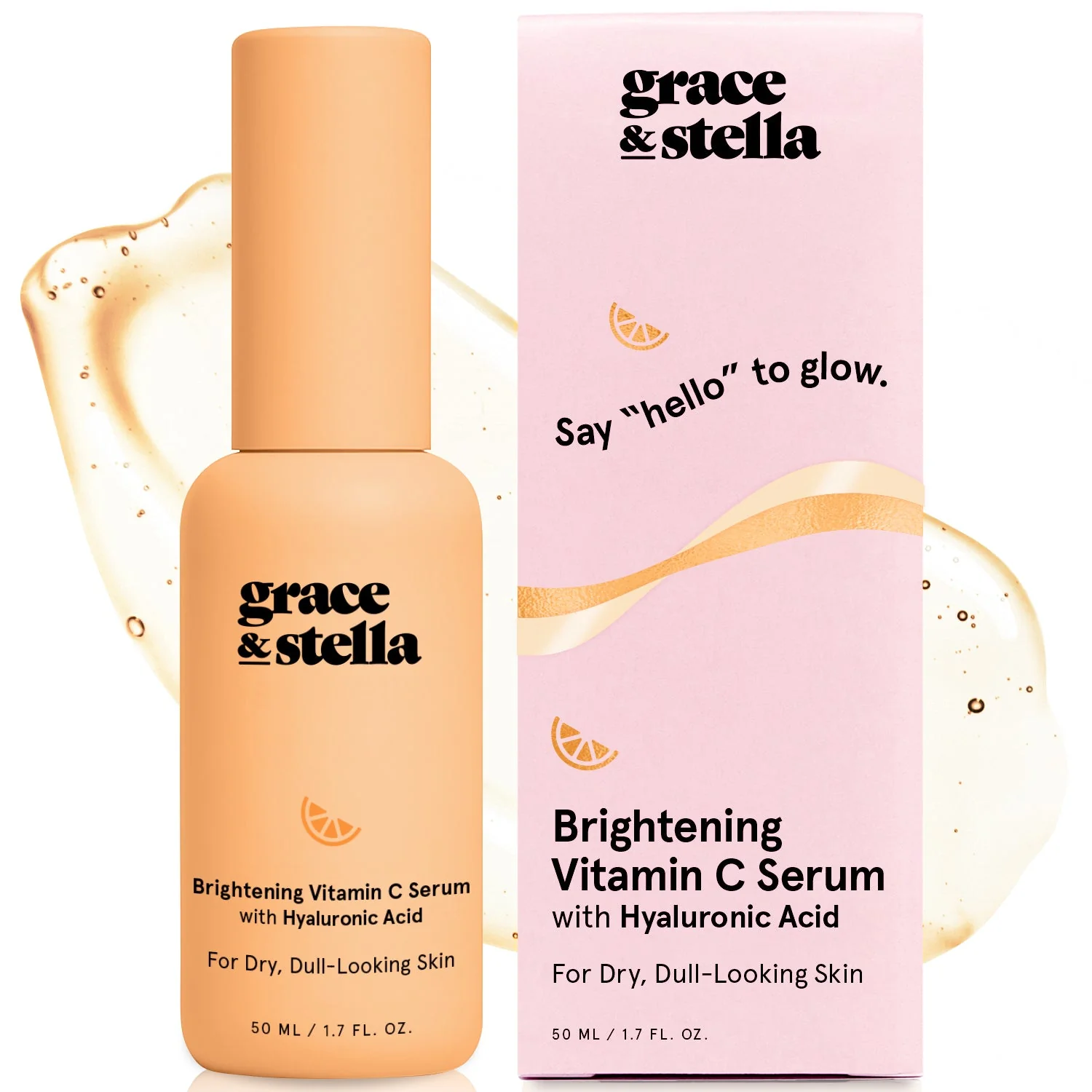
Grace & Stella Brightening Vitamin C Serum
Morning antioxidant step |
Dull-looking skin or a simple brightening-focused morning routine. |
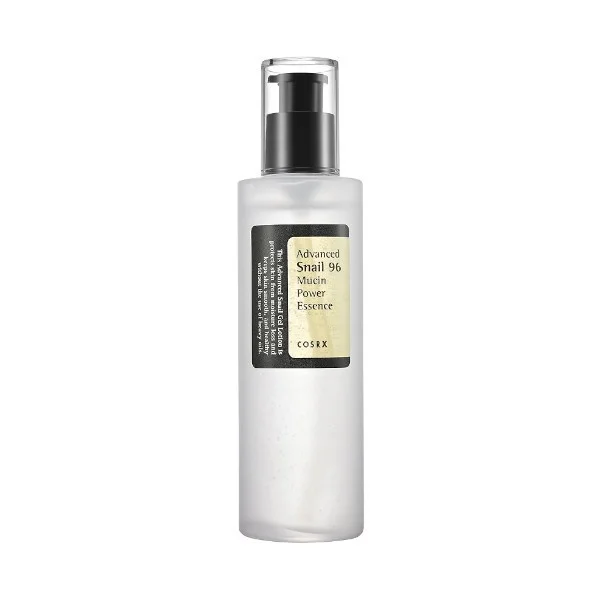
COSRX Advanced Snail 96 Mucin Essence
Light hydration layer |
Tight-feeling or dehydrated-looking skin that dislikes heavy creams. Avoid if allergic or uncomfortable with snail-derived skincare. |
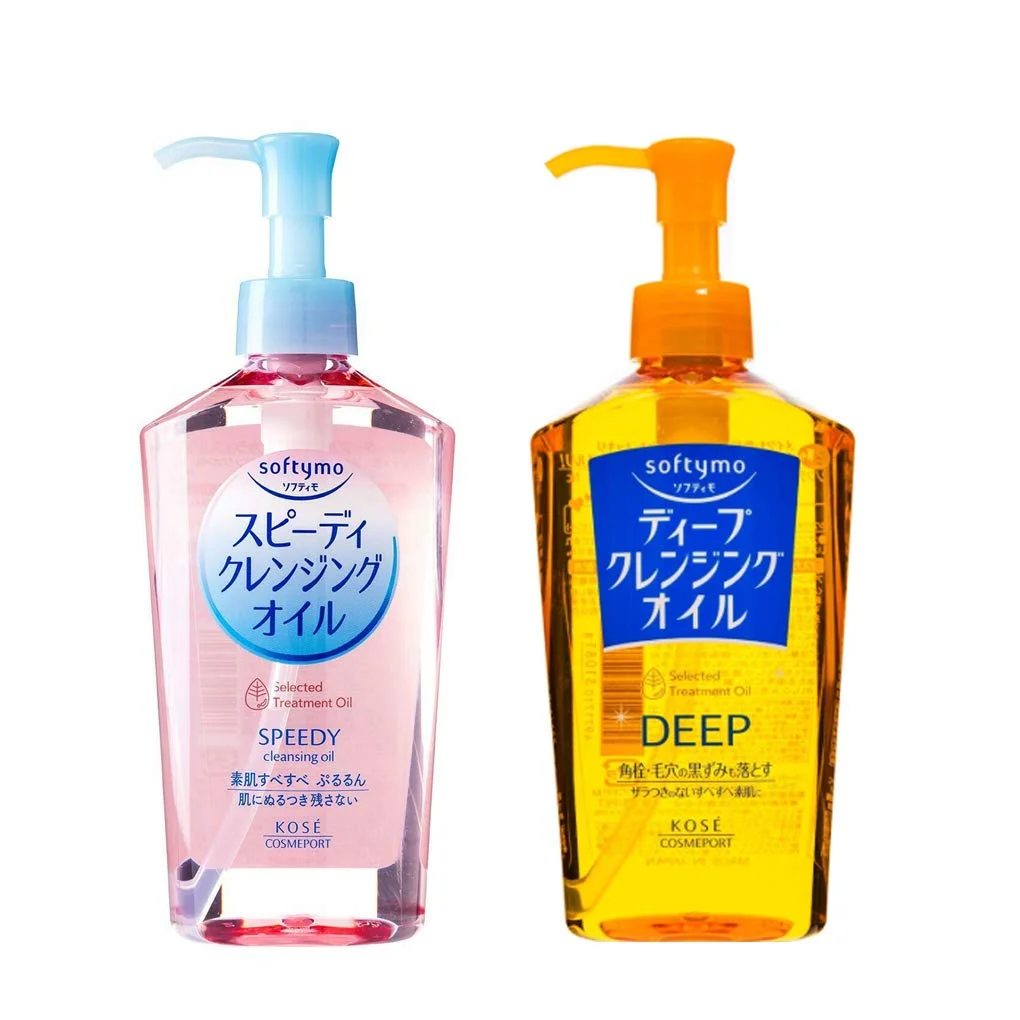
Kose Softymo Speedy Cleansing Oil
Evening sunscreen removal |
Water-resistant sunscreen, makeup, or heavy SPF days. |
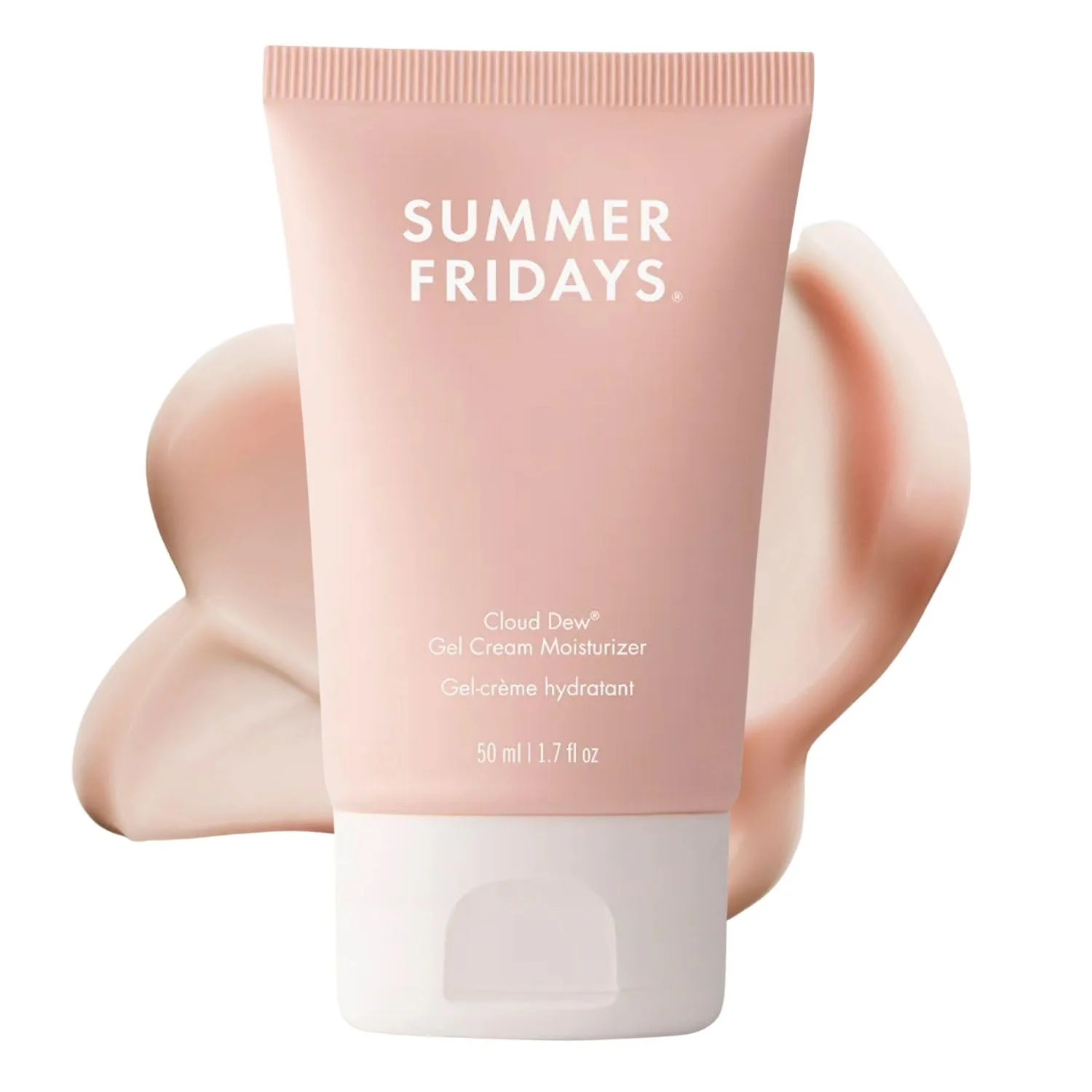
Summer Fridays Cloud Dew Gel Cream
Lightweight moisturizer |
Routines where rich creams feel too heavy in summer. Very dry skin may still need richer support at night. |
Body Care And Lip Comfort Switch Products
Body care products can be useful when summer skin feels sticky, dry, rough, or uncomfortable from sunscreen, sweat, swimming, shaving, and friction. Lip comfort products can help with dryness, but they should not replace SPF lip balm outdoors unless they clearly include SPF on the label.
Swipe left or right to view the full table on mobile.
| Product And Summer Role | Best For |
|---|---|
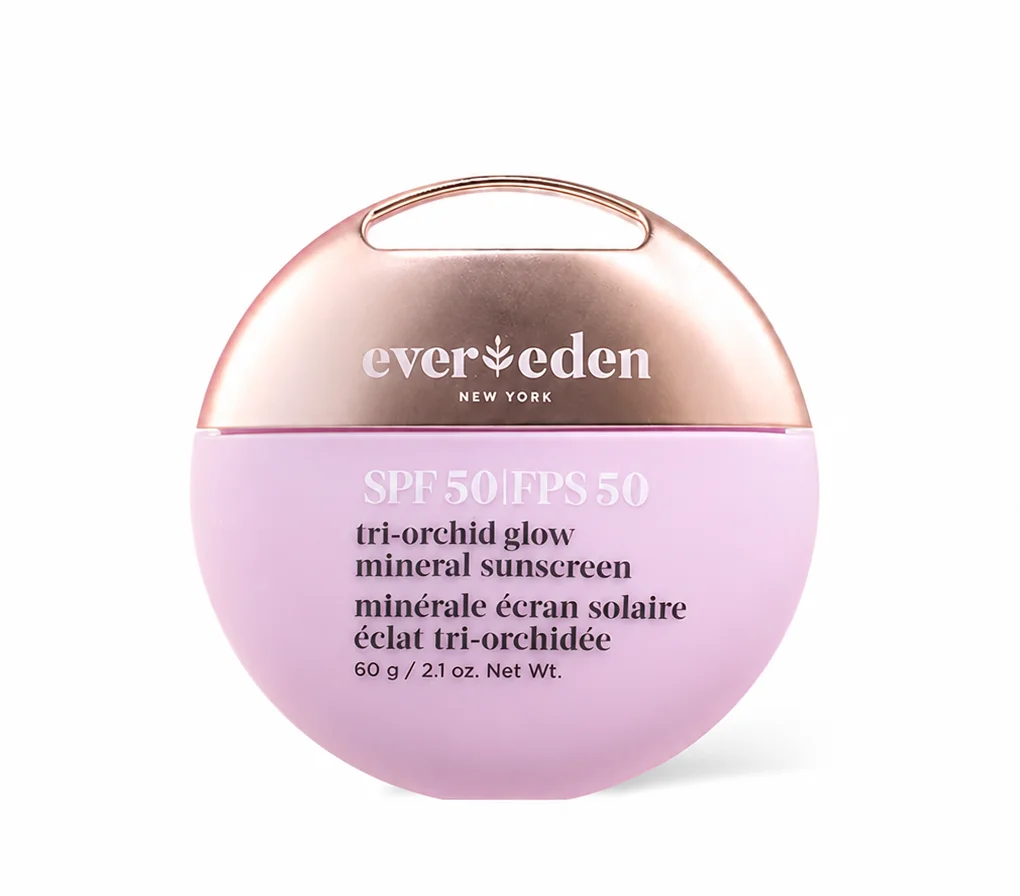
Evereden Tri-Orchid Glow Mineral Sunscreen SPF50
Mineral sunscreen option |
Readers comparing mineral SPF for face or exposed skin. |
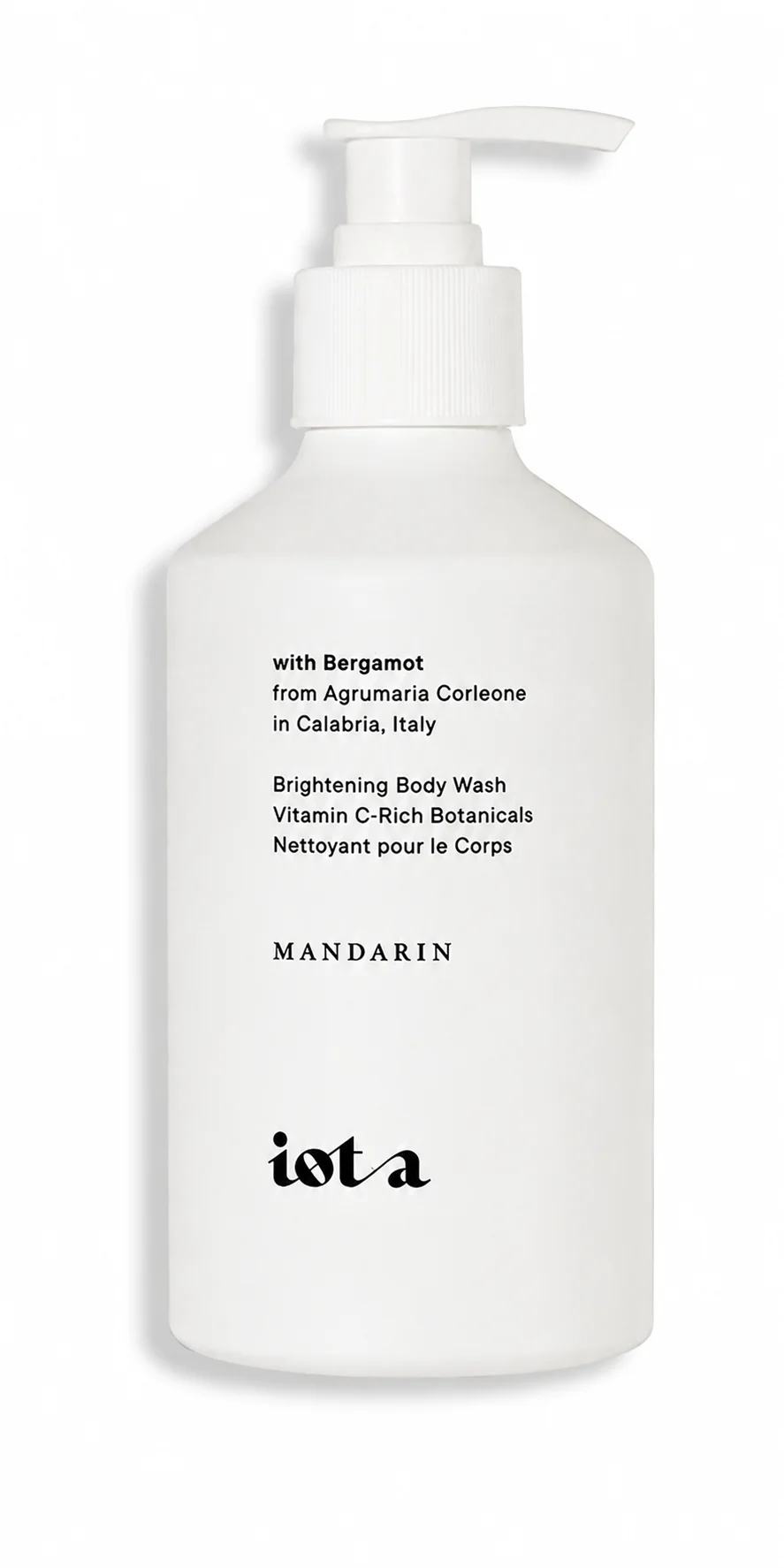
Iota Supervitamin Body Wash⁺ Brightening
Summer body cleanser |
Sunscreen, sweat, and dull-looking body skin. |
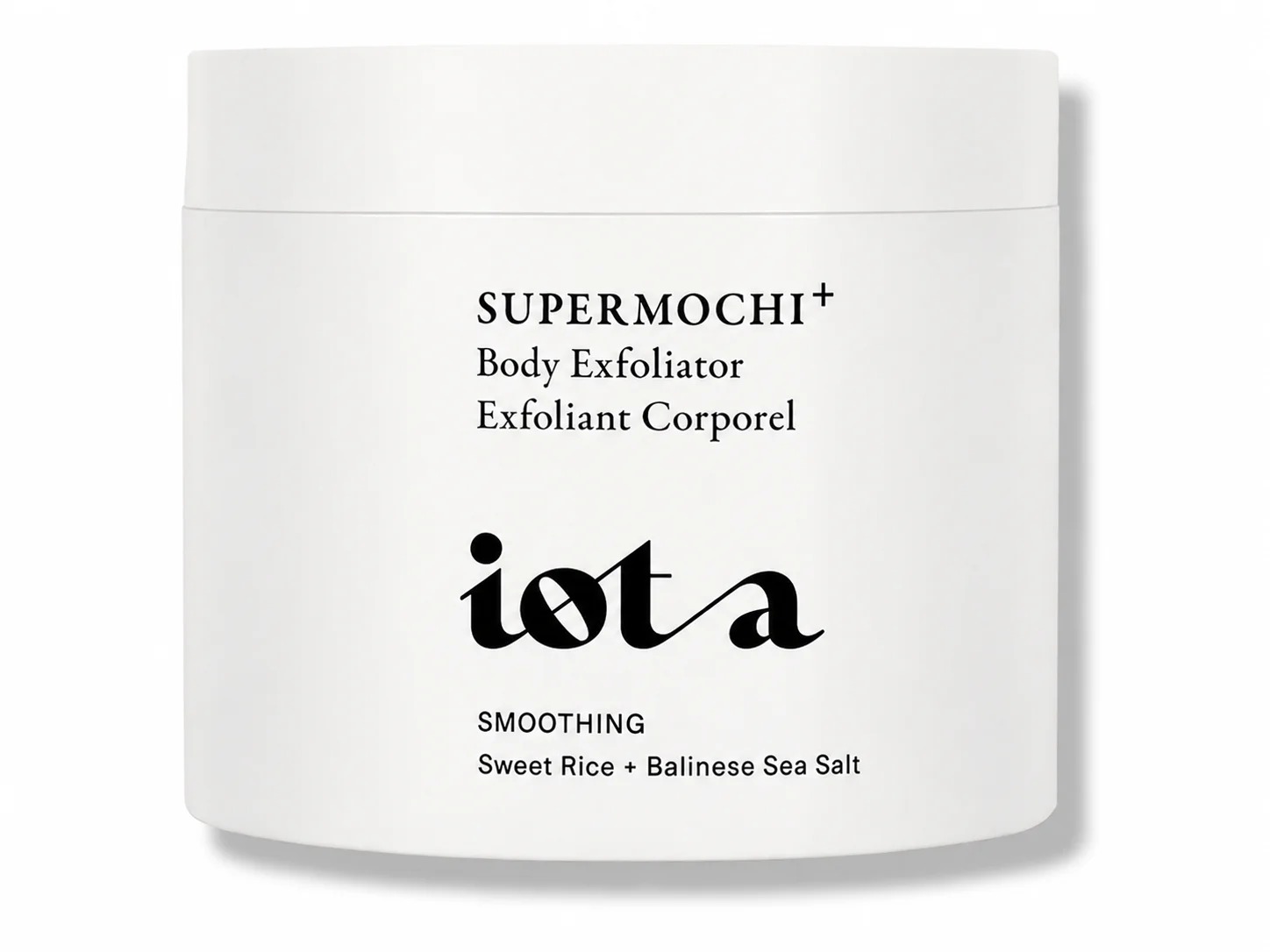
Iota Supermochi Body Exfoliator
Body exfoliation |
Rough-feeling body texture when skin is not irritated. Do not use on sunburned, broken, freshly shaved, or irritated skin. |
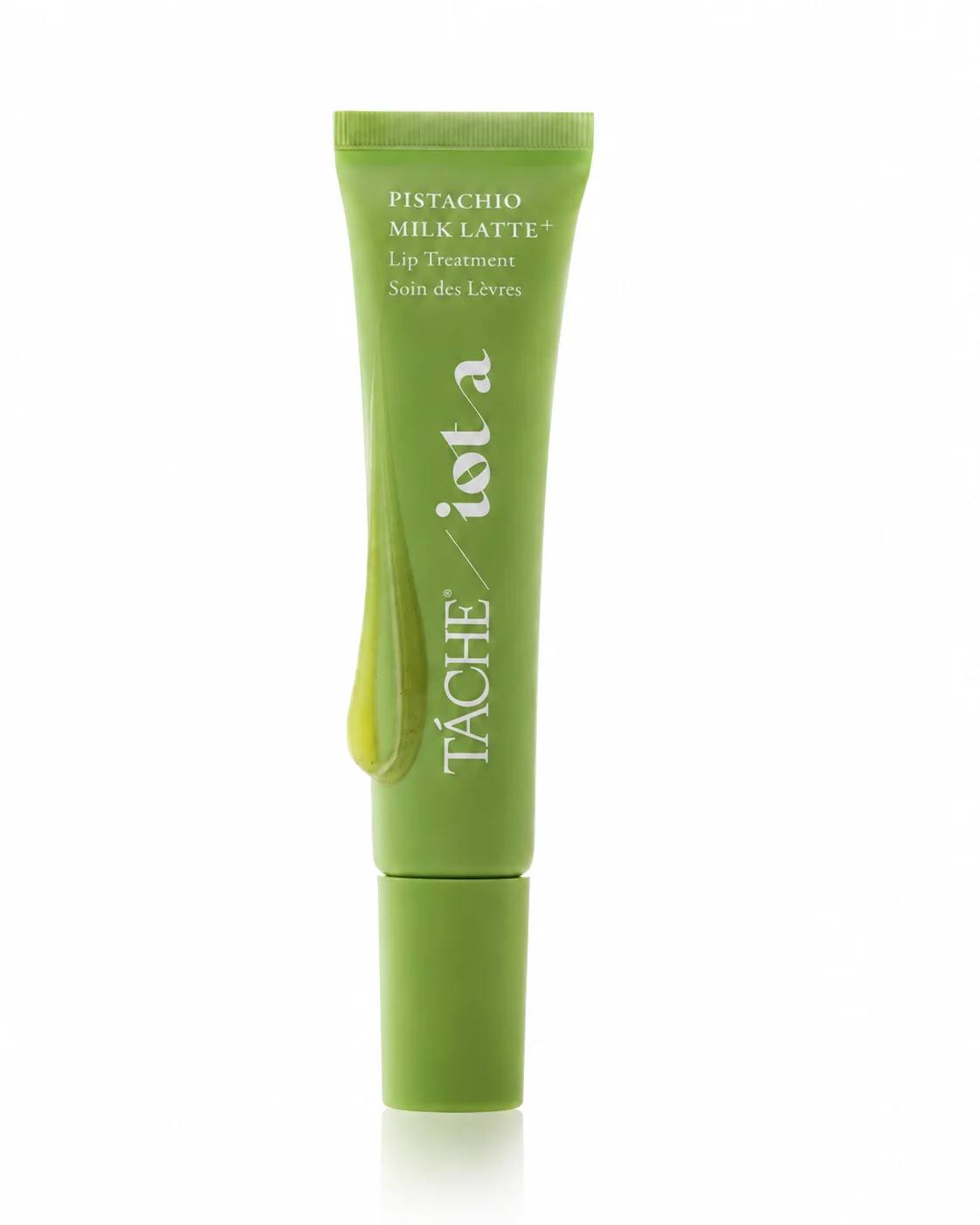
Iota / Táche Pistachio Milk Latte Lip Treatment
Lip hydration and comfort |
Dry-feeling lips, air conditioning, travel, wind, or dry heat. Not SPF. |
2026 Summer Skincare Trends Worth Knowing
The most useful summer skincare trends are practical, not complicated. Lightweight sunscreen textures, body SPF awareness, lip SPF, scalp protection, barrier-first routines, and fewer routine steps all fit the way people actually use skincare in warm weather.
Summer skinimalism is especially useful. Instead of layering several serums under sunscreen, many routines work better with cleanser, light hydration, moisturizer if needed, sunscreen, and a clear evening cleanse. A shorter routine can be easier to repeat consistently.
Body care is also becoming more skincare-focused. Body washes, body exfoliators, body serums, and smoother body moisturizers are becoming more common because summer skin concerns often show up on the chest, back, arms, legs, and shoulders, not only the face.
In June 2026, the FDA added bemotrizinol as a permitted sunscreen active ingredient in the United States. This does not mean every sunscreen routine needs to change immediately, but it is worth watching because sunscreen filters and formulas may continue to improve.
The reality check is simple: trends do not replace sunscreen, shade, hats, sunglasses, protective clothing, and a routine that skin can tolerate.
Common Summer Skincare Mistakes
Most summer skincare mistakes come from either doing too little protection or doing too much treatment. Skin needs sunscreen, cleansing, moisture, and recovery. It does not need constant scrubbing or a full new routine every time the weather changes.
- Using too little sunscreen.
- Forgetting to reapply sunscreen outdoors.
- Relying on makeup SPF as the only sunscreen step.
- Forgetting the ears, neck, lips, hands, scalp, shoulders, and tops of feet.
- Skipping moisturizer because skin feels oily.
- Over-cleansing after sweat.
- Over-exfoliating to chase a smoother summer glow.
- Starting several strong products before vacation.
- Using retinol, acids, or scrubs on sunburned or irritated skin.
- Sleeping in sunscreen, sweat, and makeup.
- Leaving sunscreen in hot places for long periods.
- Using harsh DIY treatments after sun exposure.
- Forgetting body care after sunscreen-heavy, sweaty, pool, or beach days.
FAQs
Should I change my skincare routine in summer?
How do I transition skincare from spring to summer?
What is the first skincare product to switch for summer?
Should I use a lighter moisturizer in summer?
Do oily skin types still need moisturizer in summer?
Should I change my cleanser in summer?
Can vitamin C be used in summer?
Can retinol be used in summer?
Should I exfoliate more in summer?
How often should sunscreen be reapplied in summer?
What should I change when traveling to a hot country?
What should I pack for summer skincare travel?
What should I do if my skin gets oily after sunscreen?
Can I use the same skincare routine year-round?
Final Thoughts
Changing skincare for summer works best when the changes are small, practical, and easy to repeat. The routine does not need to become crowded. It needs to fit the season.
Keep the basics steady: gentle cleansing, moisturizer, sunscreen, and any products that already work well. Switch only what feels uncomfortable, too heavy, too drying, or unrealistic in heat, humidity, sweat, swimming, or travel.
The strongest summer routine is usually not the most complicated one. It is the one that protects skin consistently, removes sunscreen and sweat gently, supports hydration, and avoids chasing every warm-weather skin concern with stronger products.
Safety Notes
This article is educational only and is not medical advice. Sunscreen helps reduce UV exposure, but no sunscreen blocks all UV rays. Use sunscreen with shade, hats, sunglasses, and protective clothing, especially during long outdoor days.
Stop using a product if burning, swelling, hives, blistering, rash, or worsening irritation appears. Ask a dermatologist or qualified professional for persistent irritation, painful acne, melasma, eczema, rosacea, severe sunburn, or reactions to many products.
Do not use exfoliating acids, retinol, rough scrubs, or strong treatments on sunburned, broken, freshly shaved, or irritated skin. Avoid tanning beds because they increase UV exposure and are not a safe way to prepare skin for summer.