Last updated: November 2026. Updated based on research, our family’s picks and dermatology guidance.
Affiliate disclosure: This post contains affiliate links. If you buy through them, Comfort Mind Body may earn a small commission at no extra cost to you. As an Amazon Associate I earn from qualifying purchases. Read my affiliate disclosure.
How this guide was made: products marked “In our home” are ones my husband and I use. Products marked “Worth comparing” are popular picks we haven’t tried; for those I rely on the brands’ own descriptions. Researched with American Academy of Dermatology guidance. Drafted with AI help, then edited by Anna.
Please note: this is general education, not medical advice. See a doctor for a bump that’s very painful, hot, spreading, or comes with a fever.
That one stubborn bump on the bikini line, the red dot on your leg that won’t go away, the sore spot under a beard: ingrown hairs show up wherever hair gets removed. Welcome to Comfort Mind Body, where I share what works in our home, and ingrown hairs are something we deal with after shaving and trimming too.
Here’s how to get rid of an ingrown hair without making it worse, what to do if it turns into a cyst or gets infected, and how to stop them coming back, area by area.
Quick Navigation
ToggleQuick Answer: How to Get Rid of an Ingrown Hair
Most ingrown hairs go away on their own in a week or two. To help: hold a warm, damp cloth on it for 5 to 10 minutes a few times a day, and leave it alone. Once the skin is calm (not sore, broken or full of pus), gentle exfoliation around the area can help. If the hair is clearly visible above the skin, you can lift the tip out with clean tweezers, but never dig for it. Stop removing hair in that spot until it heals, and see a doctor if it gets hot, very painful, or keeps growing.
What Is an Ingrown Hair?
An ingrown hair is a hair that curls back or grows sideways into the skin instead of growing out. The skin treats it like a splinter, so you get a red or skin-colored bump, sometimes with pus or a dark dot where the hair is trapped. They’re most common with curly or coarse hair, and after shaving, waxing, epilating or plucking, because those leave sharp tips or broken hairs right at the skin’s surface.
Ingrown Hair vs Pimple vs Razor Bump: How to Tell
| Ingrown hair | Pimple | Razor bumps | |
|---|---|---|---|
| Where | Anywhere you remove hair | Face, chest, back, oily areas | Along the shave line |
| Looks like | One bump, often with a trapped hair or dark dot | A whitehead or red bump, no hair | Several small red bumps after shaving |
| Cause | A hair growing back into the skin | A clogged pore | Many hairs curling back after a close shave |
| What helps | Warm compress, gentle exfoliation, hands off | Acne care (salicylic acid, benzoyl peroxide) | Shaving less often and gentler shaving |
Razor bumps are basically lots of ingrown hairs at once from shaving. If that’s what you’re dealing with, my guide on how to get rid of razor bumps covers shaving technique and products.
Is It an Ingrown Hair, Folliculitis or Something Else?
Not every red bump after hair removal is an ingrown hair.
- Folliculitis is inflamed or infected hair follicles. It usually looks like a sudden crop of small, acne-like bumps or pustules around hairs, and it can follow shaving, tight clothes or a poorly maintained hot tub (American Academy of Dermatology). Some cases need an antibiotic or other medication.
- Acne forms in clogged pores, often on the face, chest and back, with no trapped hair.
- Boils and abscesses are deeper, painful, pus-filled lumps that grow over a few days.
- Recurring painful lumps in the armpits or groin can be a separate skin condition, and bumps in the genital area can sometimes be an infection that only looks like an ingrown.
If you’re not sure what a bump is, or it keeps coming back, a dermatologist can tell you in one visit.
How to Remove an Ingrown Hair Safely, Step by Step
- Stop shaving, waxing or plucking that spot.
- Use a warm compress: a clean, warm, damp cloth for 5 to 10 minutes, 2 to 3 times a day.
- Once the bump is calm, not sore or broken, exfoliate gently around it (never over it) with a soft glove or a mild acid product. Skip this step for anything tender, infected or cyst-like.
- If the hair loops above the skin, clean fine-point tweezers with rubbing alcohol and lift just the tip out. Don’t pull the whole hair out; just free the end.
- If you can’t see the hair, don’t dig, squeeze or use a needle. That’s how ingrowns turn into infections, cysts and dark marks.
- Moisturize, and give it a week or two.
Should You Pull Out an Ingrown Hair?
Only the tip, only if it’s already out of the skin, and only with clean tweezers. Pulling the whole hair out restarts its growth cycle, and the new hair can grow in the same way.
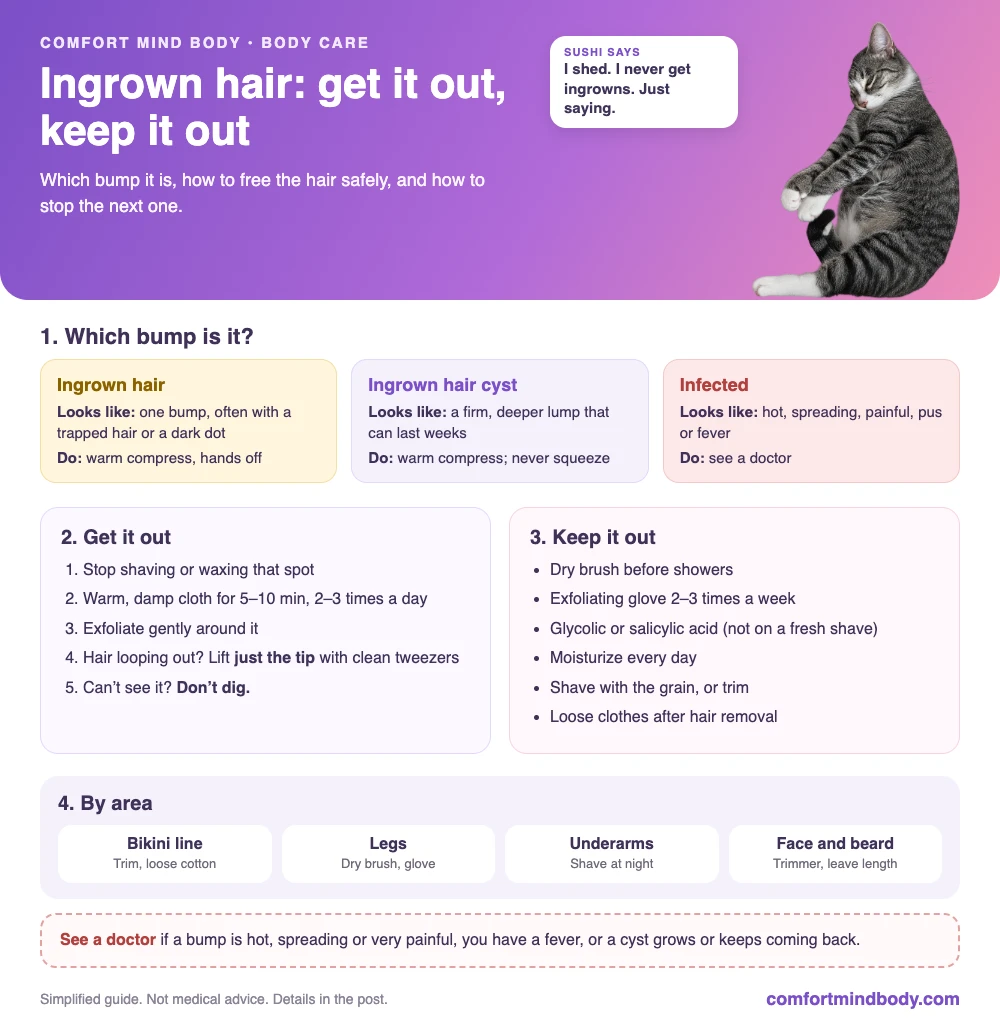
Read the infographic text
Sushi says: I shed. I never get ingrowns. Just saying.
Which bump is it: An ingrown hair is one bump, often with a trapped hair or a dark dot: warm compress, hands off. An ingrown hair cyst is a firm, deeper lump that can last weeks: warm compress, never squeeze. An infected ingrown is hot, spreading, painful, with pus or fever: see a doctor.
Get it out: Stop shaving or waxing that spot. Warm, damp cloth for 5 to 10 minutes, 2 to 3 times a day. Once it’s calm, exfoliate gently around it. If the hair is looping out, lift just the tip with clean tweezers. If you can’t see it, don’t dig.
Keep it out: Dry brush before showers. Exfoliating glove 2 to 3 times a week. Glycolic or salicylic acid (not on a fresh shave). Moisturize every day. Shave with the grain, or trim. Loose clothes after hair removal.
By area: Bikini line: trim, loose cotton. Legs: dry brush, glove. Underarms: shave at night. Face and beard: trimmer, leave length.
See a doctor if a bump is hot, spreading or very painful, you have a fever, or a cyst grows or keeps coming back.
Ingrown Hair Cyst: What It Is and What to Do
Sometimes the hair stays trapped deeper and the bump grows into a firm, round lump under the skin, often on the bikini line, inner thighs, armpits, neck or beard area. That’s an ingrown hair cyst. It can last weeks and feel sore or tender.
Warm compresses help it settle or drain on its own. Don’t squeeze it, and don’t try to tweeze a hair you can’t see: pushing on a cyst can spread the inflammation deeper and leave a scar or dark mark. See a dermatologist if it’s large, painful, keeps coming back, or doesn’t go down in a couple of weeks. Depending on the cyst, a doctor may use a steroid injection or cream, antibiotics if it’s infected, or drain or remove it, as Cleveland Clinic explains.
Not every deep lump under the skin is an ingrown hair cyst. Recurring lumps, boils or abscesses, especially in the armpits, groin or between the buttocks, can have other causes, so have a lump checked if it grows, hurts, or keeps coming back in the same spot.
Infected Ingrown Hair: Signs and Treatment
Signs of infection: growing redness, warmth, swelling, pus, pain that gets worse instead of better, and sometimes a fever. A small whitehead on an ingrown hair isn’t always an infection. But increasing redness, warmth, swelling or pain, pus that keeps coming back, or a fever all mean it’s time to have it checked.
For a mild one, keep using warm compresses and keep the area clean; an over-the-counter antibiotic ointment can help. See a doctor if it spreads, you get a fever, or it isn’t better in a few days, since you may need prescription antibiotics.
Ingrown Hairs After Waxing, Shaving and Epilating
After Waxing
Hairs that break instead of coming out from the root grow back with a weak or blunt tip that can curl under. Exfoliate gently starting 2 to 3 days after waxing (not right away), and moisturize every day.
After Shaving
A close shave leaves a sharp tip at or under the skin. Shave with the grain, use shaving cream, and consider an electric shaver. The full routine is in my razor bumps guide.
After Epilating or Plucking
Same problem as waxing: broken hairs and new hairs growing into a closed-up follicle. Epilate after a warm shower and exfoliate between sessions.
Ingrown Hairs by Area
Bikini Line and Pubic Area
The most common spot, because the hair is coarse and curly and clothes rub. Trim instead of shaving close where you can, wear loose cotton underwear after hair removal, and exfoliate with a glove (not acids right after shaving).
Legs and Inner Thighs
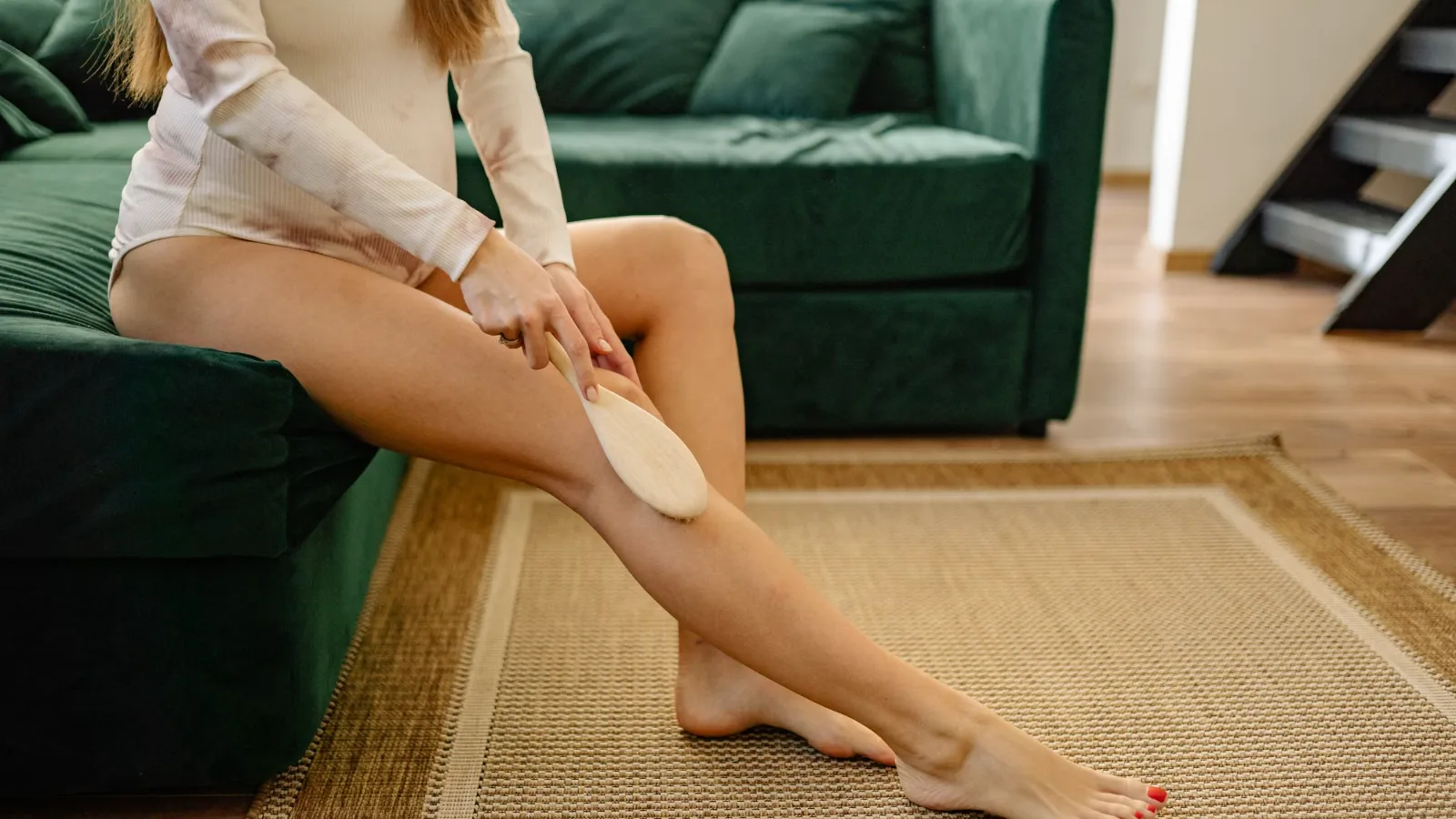
A dry brush before the shower and an exfoliating glove in it are what we use here, and we moisturize right after. Keep both off any bump that’s sore or broken.
Underarms
Sweat and deodorant irritate fresh ingrowns. Shave at night and put deodorant on in the morning.
Face, Neck and Beard
Common for men who shave close. A trimmer or electric shaver that leaves a little length helps most. Don’t use body exfoliating gloves or dry brushes on the face.
How to Prevent Ingrown Hairs
- Exfoliate 2 to 3 times a week: a dry brush, an exfoliating glove, or a glycolic or salicylic acid product (one at a time, not all on the same day).
- Moisturize every day, especially right after the shower.
- Use a sharp, clean blade or an electric shaver, and shave with the grain.
- Leave a little length: trim instead of shaving close where you can.
- Wear loose clothes after hair removal.
- Shave or wax less. At-home IPL or professional laser reduces the hair itself, which means fewer ingrowns; see my guide to permanent hair removal at home.
Hair removal technique matters most. Mayo Clinic’s prevention advice centers on avoiding very close shaves: use shaving cream and a sharp single-blade razor, shave with the grain, and don’t pull the skin tight. Exfoliating and moisturizing are extras on top of that, not a replacement.
What We Use at Home for Ingrown Hairs
Our routine is simple: dry brush before the shower, exfoliating gloves in the shower, an acid toner a few evenings a week, and coconut oil after. Here’s what that looks like.
In our home
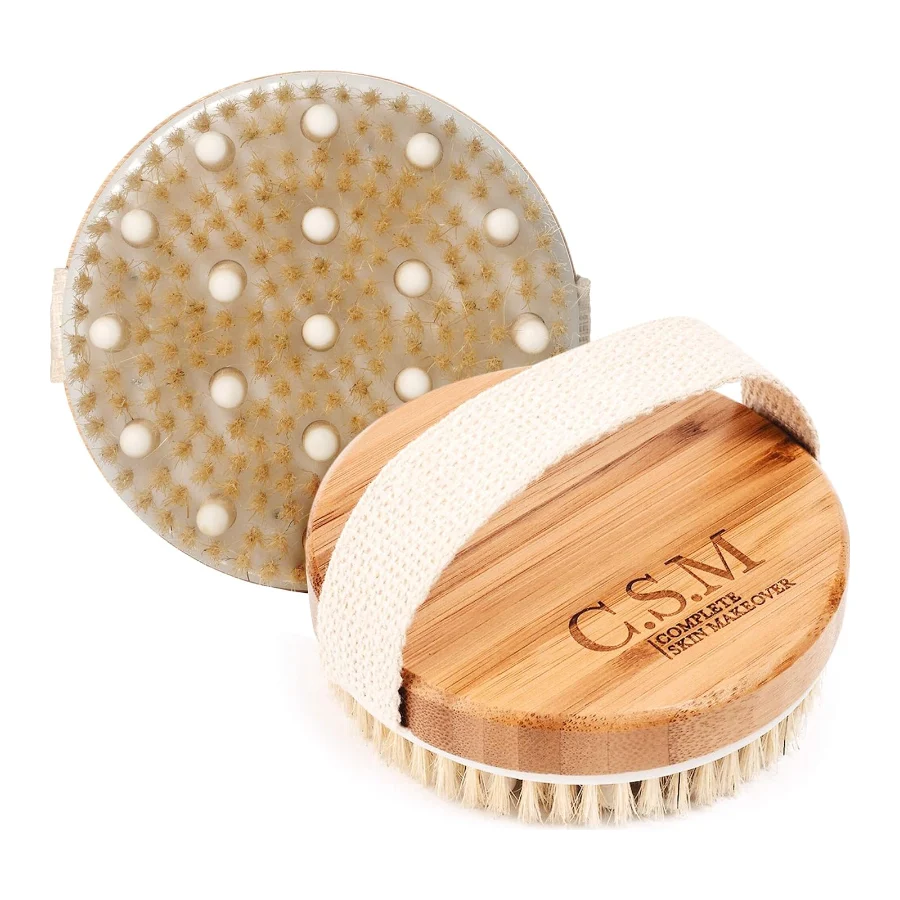
C.S.M Dry Brushing Body Brush Set
Best fit: legs, arms, back and thighs, on dry skin right before the shower, 2 to 3 times a week.
Why we use it: it’s our quick way to exfoliate legs and arms before a shower. Regular exfoliation is a common tip for preventing ingrowns, though dry brushing itself isn’t a proven ingrown-hair treatment. The set comes with a smaller, softer brush too.
Watch: brush gently in long strokes; skip the bikini line, face, broken skin and fresh ingrowns.
Check on Amazon
In our home
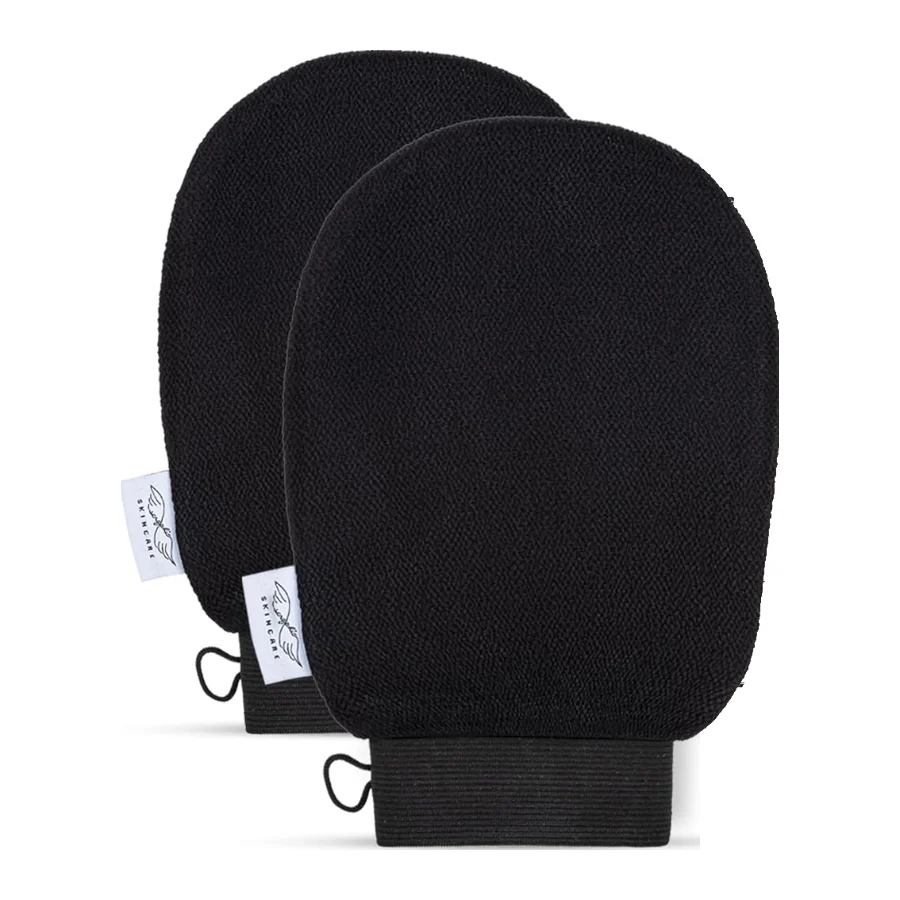
Seraphic Skincare Exfoliating Gloves (2 pack)
Best fit: legs, underarms and the bikini line in the shower, 2 to 3 times a week.
Why we use it: gentle enough for the bikini line and easy to control, and they don’t need any product.
Watch: light pressure only, not on freshly shaved or waxed skin; rinse and let them dry between uses.
Check on Amazon
In our home
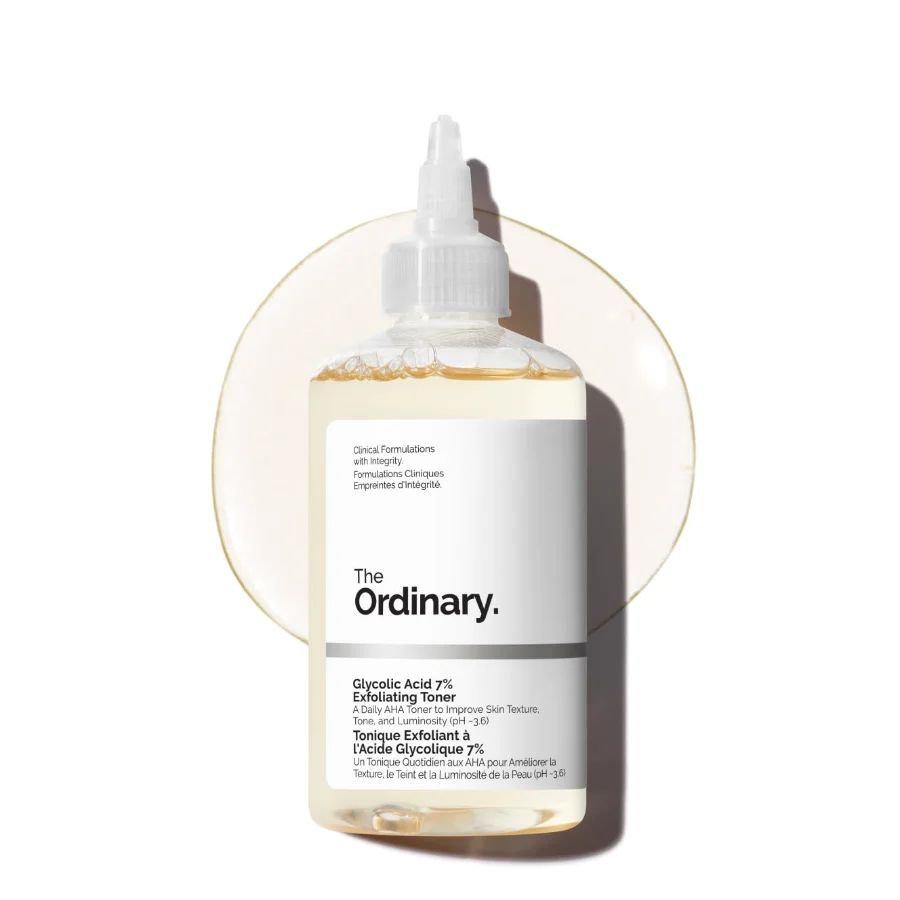
The Ordinary Glycolic Acid 7% Exfoliating Toner
Best fit: legs and the bikini line, on dry skin in the evening, a day or more after hair removal.
Why we use it: it’s our chemical exfoliant for the body. Mayo Clinic notes that a lotion with glycolic acid can help reduce the chance of hairs growing back into the skin, and it may also help fade the dark marks old ingrowns leave.
Watch: it stings on freshly shaved or broken skin; start a few times a week and use SPF on exposed areas.
Check on Amazon
In our home
Viva Naturals Organic Extra Virgin Coconut Oil
Best fit: body after the shower: legs, arms and the bikini line.
Why we use it: it’s what we use to keep skin soft after the shower, and a jar lasts us ages. Moisturizing is a common prevention tip, but coconut oil isn’t a proven ingrown-hair treatment.
Watch: it can clog pores on acne-prone skin, so keep it off your face and back if you break out.
Check on Viva NaturalsWorth Comparing
Worth comparing
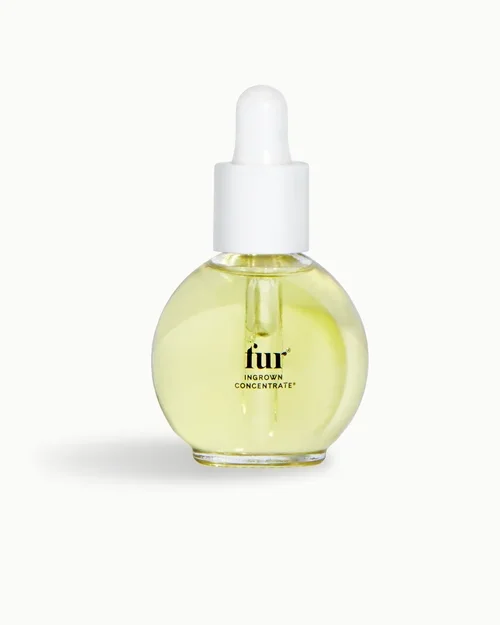
Fur Ingrown Concentrate
Best fit: spot-treating single ingrowns on the bikini line, underarms, face and neck. Fur lists chamomile, coconut oil, tamanu and tea tree oil, and it comes with a textured finger mitt.
Why compare: a soothing oil for bumps that are already there, plus a mitt for gentle exfoliation.
Watch: tea tree can irritate sensitive skin; patch test first.
Check on Amazon
Worth comparing
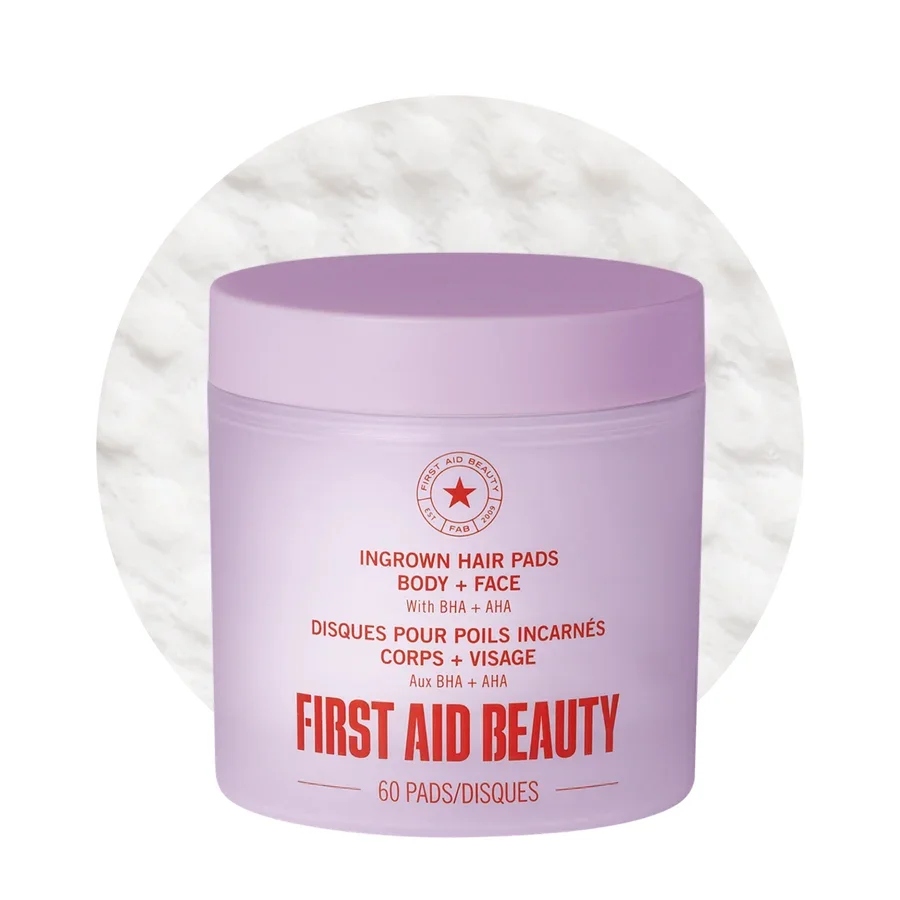
First Aid Beauty Ingrown Hair Pads
Best fit: body and face, between hair removal sessions, once the skin is calm and unbroken. First Aid Beauty describes them as pads with BHA and AHA for ingrown hairs and razor bumps.
Why compare: pre-soaked pads are the easiest way to add an exfoliating acid to your routine.
Watch: don’t use them on the same day as another acid, or on broken skin.
Check on AmazonWhen to See a Dermatologist

- The bump is hot, spreading, very painful, or you have a fever.
- A cyst is large or keeps coming back.
- Ingrowns leave dark marks or scars.
- You get them constantly despite changing your routine; prescription creams or laser hair removal can help.
Frequently Asked Questions
How long does an ingrown hair last?
Should I pop an ingrown hair?
Can an ingrown hair turn into a cyst?
What is the best treatment for ingrown hairs?
Do ingrown hair serums and pads work?
Why do I get ingrown hairs on my bikini line?
Does laser hair removal help with ingrown hairs?
Final Thoughts
Ingrown hairs are annoying but rarely serious: a warm cloth, gentle exfoliation, moisturizer and a bit of patience fix most of them. The real win is prevention, so the next one never starts. If shaving is the main trigger, start with the razor bumps guide; if you’re ready to shave less, read about permanent hair removal at home.
Hands off the bumps, gentle on the skin, and smooth enough to forget about it.
Anna
Safety Notes
Safety Notes
- Never dig into the skin with tweezers, needles or pins.
- Don’t squeeze a cyst or a painful bump.
- Don’t use acids or scrubs on freshly shaved, waxed or broken skin.
- See a doctor for spreading redness, warmth, pus with a fever, or a bump that keeps growing.
- If you have diabetes or a weakened immune system, have an infected-looking bump checked early.