Last updated: November 2026. New guide based on research, family routines and dermatology guidance.
Affiliate disclosure: This post contains affiliate links. If you buy through them, Comfort Mind Body may earn a commission at no extra cost to you.
How this guide was made: I compared American Academy of Dermatology and MedlinePlus guidance with the top-ranking winter moisturizer guides, then chose products by texture, ingredients and how dry skin gets. Family products are mentioned as examples only.
Please note: This guide is for general education, not medical advice. Cracked, bleeding, very itchy or painful skin, or a rash that keeps spreading, deserves a dermatologist’s look.
Every winter, my mom’s skin tells her when the heating comes on. Her cheeks feel tight, her hands crack, and the cream that was enough in October suddenly isn’t.
Welcome to Comfort Mind Body, where we test the advice against real routines before we pass it on.
The best moisturizer for dry skin in winter isn’t one magic jar. It’s the right texture for how dry your skin gets: a cream for everyday dryness, a balm for rough or flaky patches, and an ointment for cracked spots. In this guide, I’ll help you find your level, then share face, body and hand picks, including what my mom and I actually use.
If you want to understand why your skin gets so dry in the first place, start with my Dry Skin In Winter guide. For the full winter routine, see Winter Skincare Routine.
Quick Navigation
ToggleQuick Answer: What Is the Best Moisturizer for Dry Skin in Winter?
Look for a fragrance-free cream that combines humectants (glycerin, hyaluronic acid) that pull water in, ceramides that support the skin barrier, and occlusives (petrolatum, shea butter, squalane) that seal the water in. A light lotion or gel is often not enough once the heating is on.
Put it on while your skin is still slightly damp, after washing your face and after every shower, and reapply during the day when skin feels tight. If a cream still isn’t enough, add a thin layer of balm on the driest spots at night.
Compare the Top Picks
| Best for | Product | Why consider it | How we know it |
|---|---|---|---|
| Very dry face | Olay Regenerist Micro-Sculpting Cream, Fragrance-Free | Rich daily cream my mom reapplies all winter | Family-tested |
| Very dry face and body | ILLIYOON Ceramide Ato Concentrate Cream | Big tube of fragrance-free ceramide cream | Research pick |
| Very dry, budget-friendly | CeraVe Moisturizing Cream | Thick ceramide cream for face and body | Research pick |
| Dry and sensitive | AESTURA Atobarrier365 Cream | Barrier-focused ceramide cream | Research pick |
| Dry with redness or fine lines | Alpyn Barrier Repair Cream | Peptides plus barrier support | Research pick |
| Oily skin that gets dry | La Roche-Posay Toleriane Double Repair | Lighter everyday moisturizer | Personally used |
| Flaky patches | La Roche-Posay Cicaplast Balm B5+ | Targeted balm for dry spots | Personally used, family-tested |
| Dry body skin | Vaseline Advanced Repair Body Lotion, Unscented | Easy lotion right after a shower | Personally used |
| Very dry hands | O’Keeffe’s Working Hands | Concentrated hand cream | Personally used |
How Dry Is Your Skin? Pick the Right Texture
Winter air holds less water, and indoor heating dries it out even more. Hot showers and harsh cleansers strip away the oils that normally keep skin soft. That’s why a moisturizer that worked in summer can feel like nothing in January.
The fix is usually a richer texture, not a fancier brand. Creams hold more oil than lotions, and ointments hold the most. Match the texture to how your skin feels:
| How your skin feels | Texture to try | What to look for |
|---|---|---|
| Slightly tight after washing | Light cream or rich lotion | Glycerin, hyaluronic acid, ceramides |
| Tight most of the day, a little flaky | Cream | Ceramides plus shea butter, squalane or petrolatum |
| Rough, flaky patches that come back | Cream, plus balm on the patches | Panthenol (B5), ceramides, petrolatum |
| Cracked, sore spots on hands, lips or heels | Ointment or very thick balm on those spots | Petrolatum; fragrance-free if sensitive |
Oily or acne-prone skin can feel dry in winter too. You don’t need a heavy cream all over; a light ceramide moisturizer plus a little balm only on the dry spots usually works better. For more, see Oily Skin In Winter.
Ingredients That Help Dry Winter Skin
- Glycerin and hyaluronic acid
Pull water into the skin. Best under or inside a cream; on their own, they can leave skin tight in dry air. - Ceramides
Help rebuild the barrier that keeps water in. Useful for every skin type in winter. - Petrolatum
The strongest seal. Ideal for lips, hands and cracked spots; on the face, a thin layer at night is plenty. - Shea butter and squalane
Richer, softening lipids for dry or mature skin. Watch for clogged pores if you’re acne-prone. - Panthenol (vitamin B5)
Soothing and moisturizing, good on flaky or irritated patches. - Use carefully
Fragrance and essential oils, which commonly irritate cracked skin, and strong acids or retinoids on skin that already feels raw.
Best Face Moisturizers for Dry Skin in Winter
These are grouped by how dry your skin gets. My mom’s and my picks are marked; the others are well-reviewed formulas with the ingredients above.
For Very Dry Skin
Our own photo
Family-tested: my mom’s pick
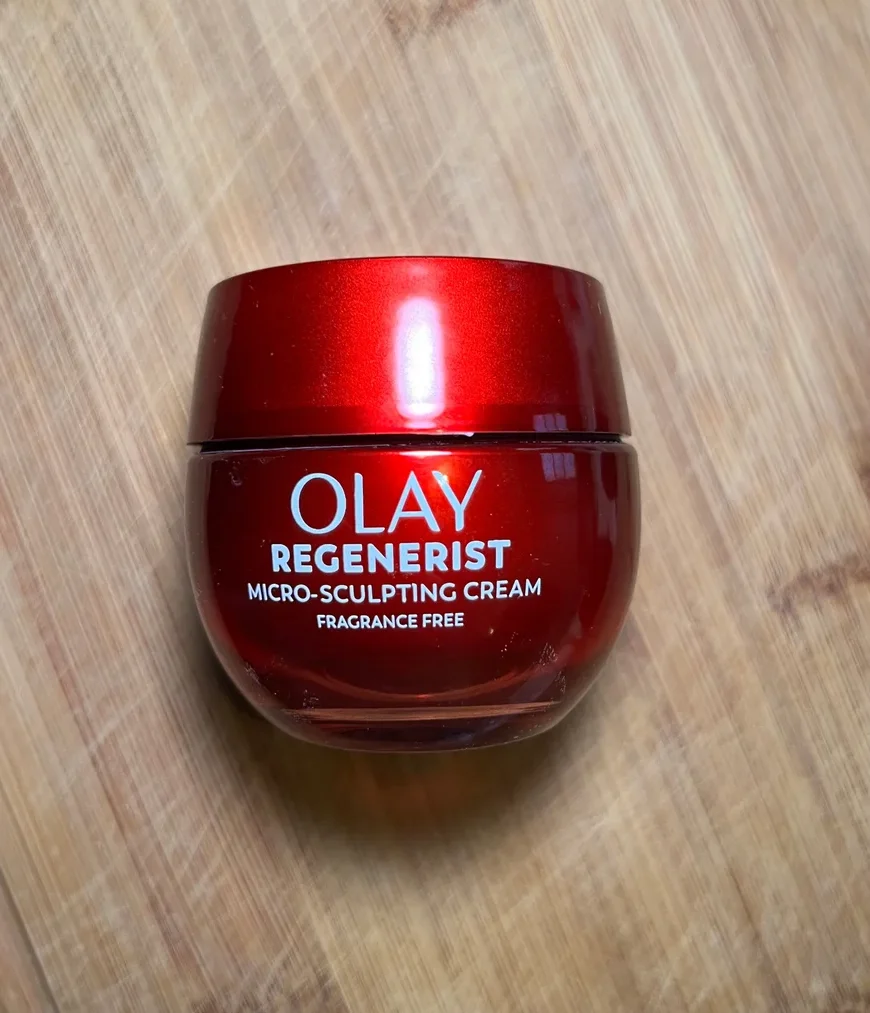
Olay Regenerist Micro-Sculpting Cream, Fragrance-Free
Best fit: Very dry, mature skin that needs more in winter.
Her experience: My mom's main cream. In winter, she puts it on up to 3 times a day.
Watch: Rich. On oily or combination skin, it may feel like too much.
View on Amazon
Product image
Research pick
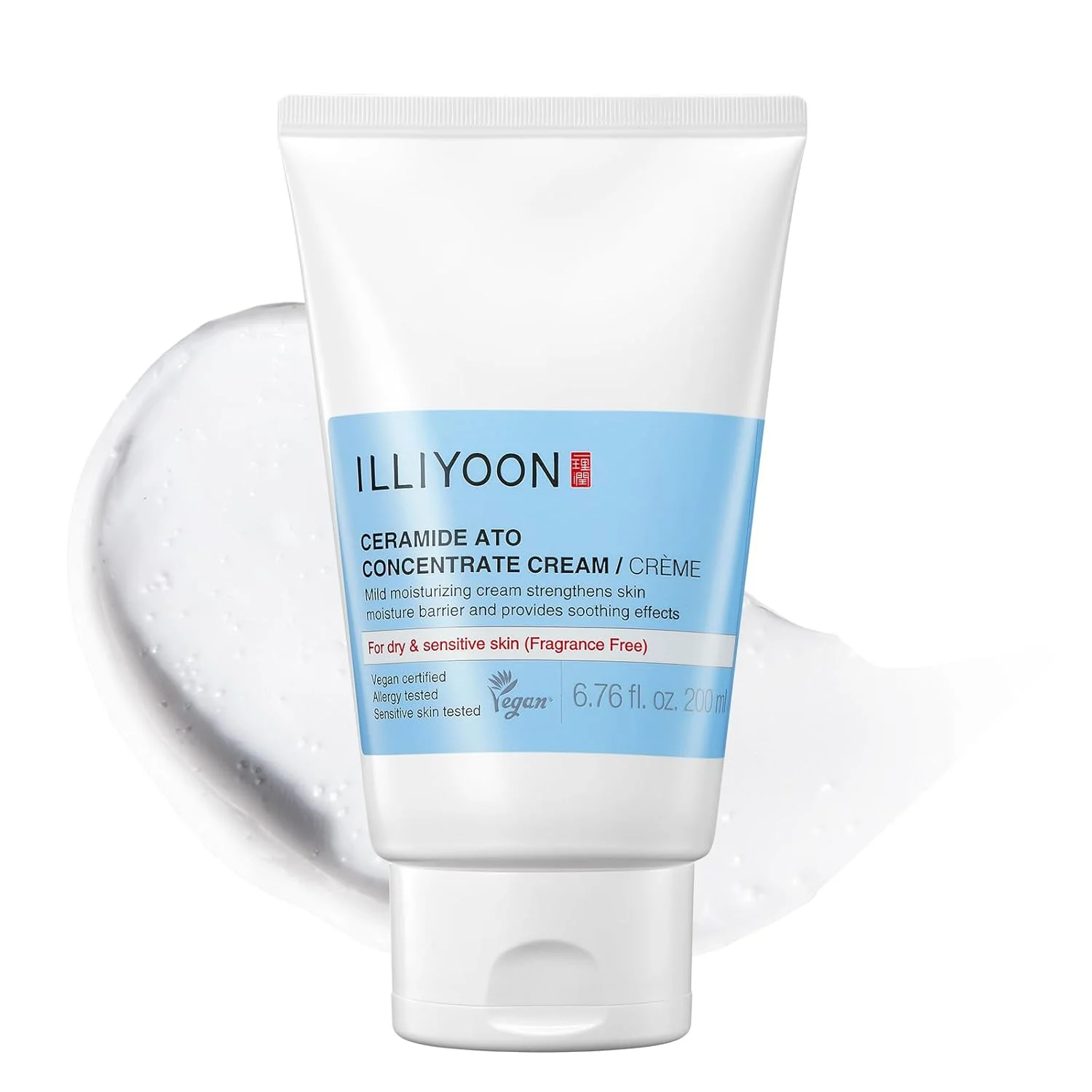
ILLIYOON Ceramide Ato Concentrate Cream
Best fit: Very dry or eczema-prone skin, face and body.
Why compare: A big tube of fragrance-free ceramide cream you can use everywhere.
Watch: Thick. Use less on the face if you break out easily.
View at Stylevana
Product image
Research pick
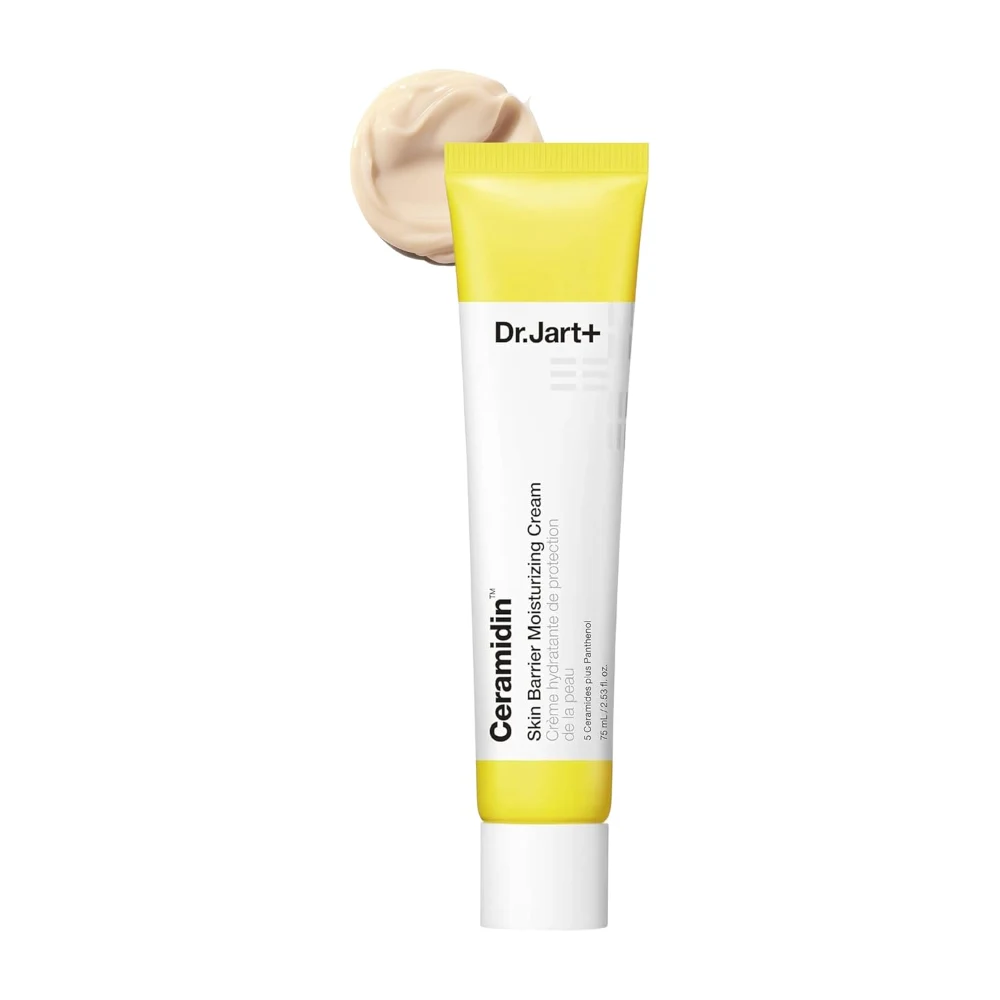
Dr.Jart+ Ceramidin Skin Barrier Moisturizing Cream
Best fit: Dry, tight skin that wants a rich ceramide cream for winter.
Why compare: Built around ceramides to support a dry, weakened barrier; a popular choice for winter.
Watch: Rich texture; use a thinner layer in the morning under sunscreen.
View at Stylevana
Product image
Research pick
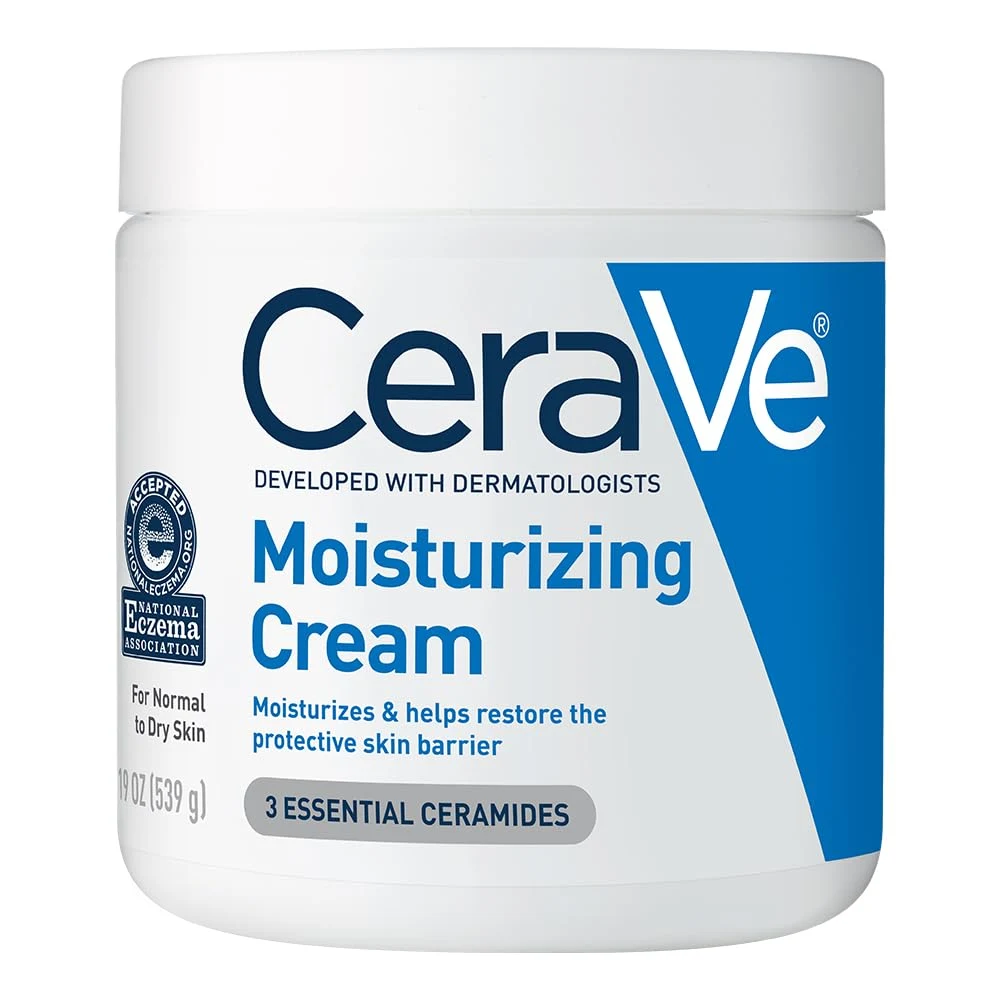
CeraVe Moisturizing Cream
Best fit: Very dry skin on the face and body.
Why compare: A fragrance-free ceramide cream for face and body, and a budget-friendly way to go richer in winter.
Watch: Thick; on the face, a small amount goes a long way.
View on AmazonFor Dry, Sensitive or Redness-Prone Skin
Product image
Research pick
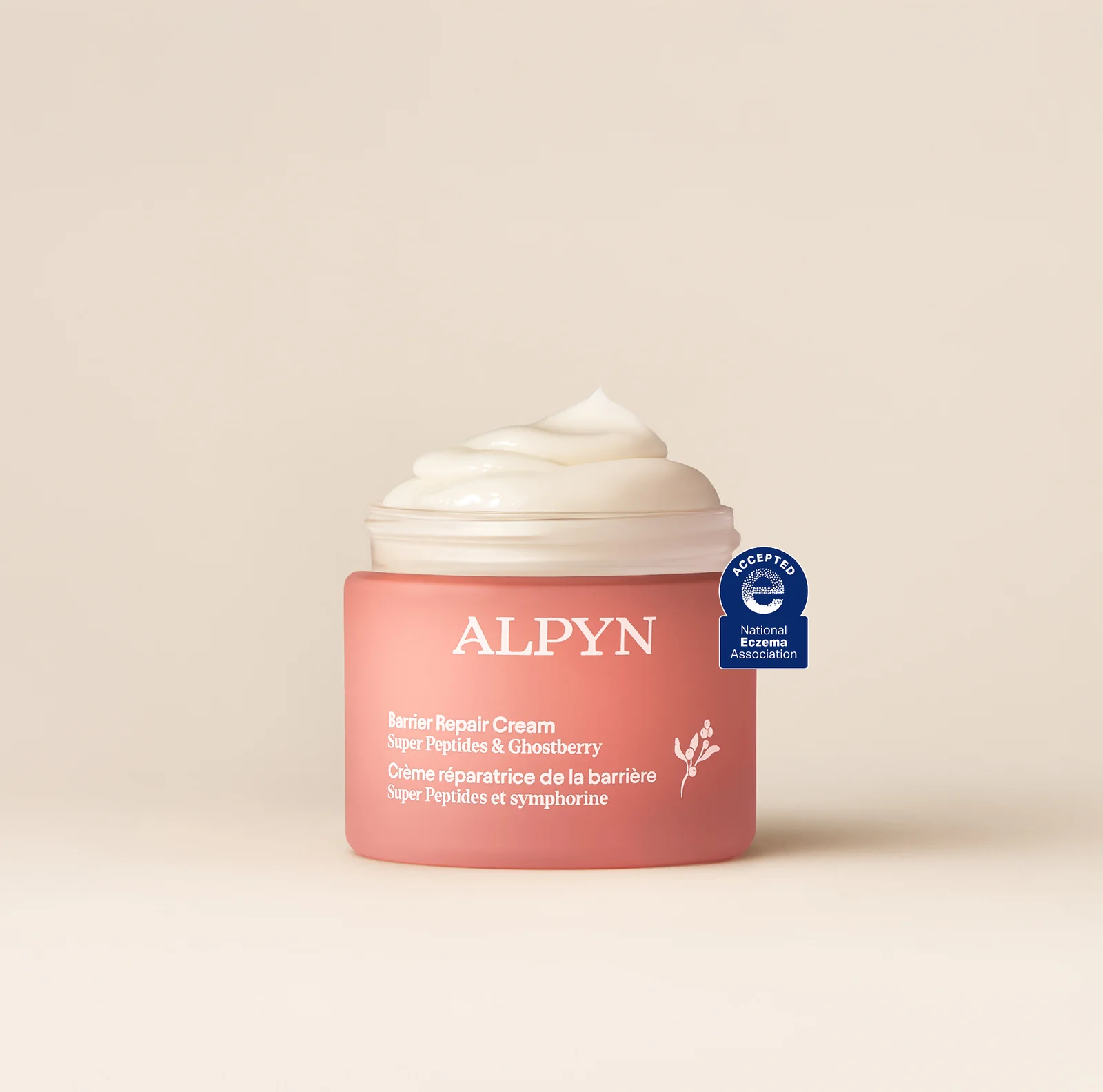
Alpyn Barrier Repair Cream with Peptides & Ghostberry
Best fit: Dry skin with redness or sensitivity, plus fine lines.
Why compare: Made for barrier repair and redness relief, with peptides for fine lines.
Watch: Pricier than drugstore creams. Patch test first if you react to plant extracts.
View at Alpyn
Product image
Research pick
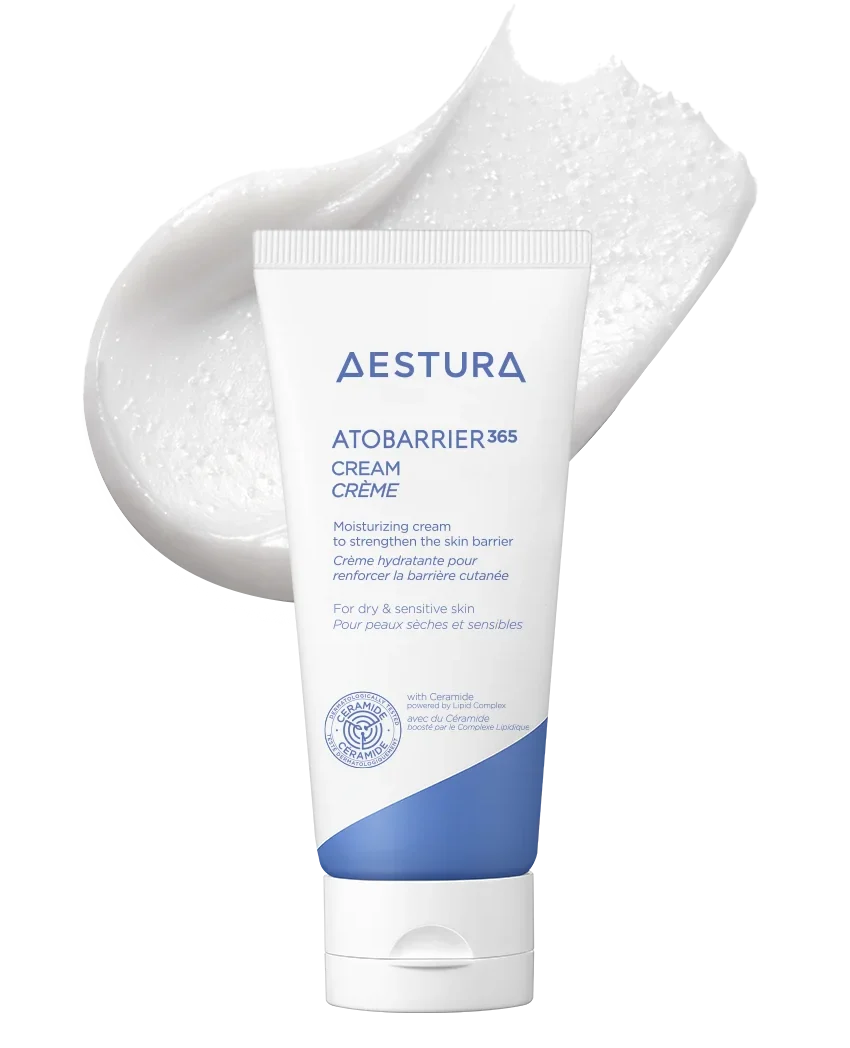
AESTURA Atobarrier365 Cream
Best fit: Dry, reactive or barrier-stressed skin.
Why compare: A ceramide cream from a dermatology-focused Korean brand.
Watch: Check the full ingredient list if you have known allergies.
View at Stylevana
Product image
Research pick
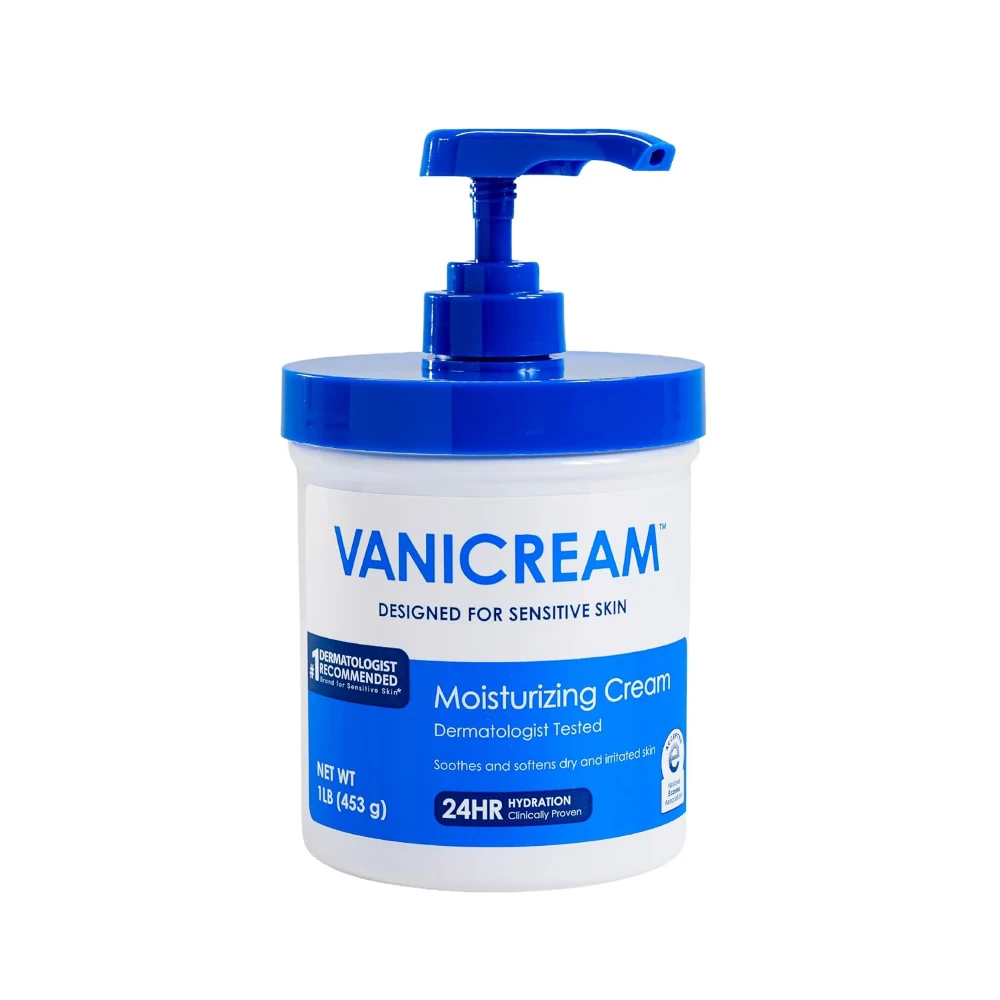
Vanicream Moisturizing Skin Cream
Best fit: Very sensitive or eczema-prone dry skin.
Why compare: Made without common irritants like fragrance and dyes; a simple choice for reactive skin.
Watch: Plain and thick, with no extra actives. Great for that reason, but not for glow.
View on AmazonFor Normal to Dry Skin
Product image
Research pick
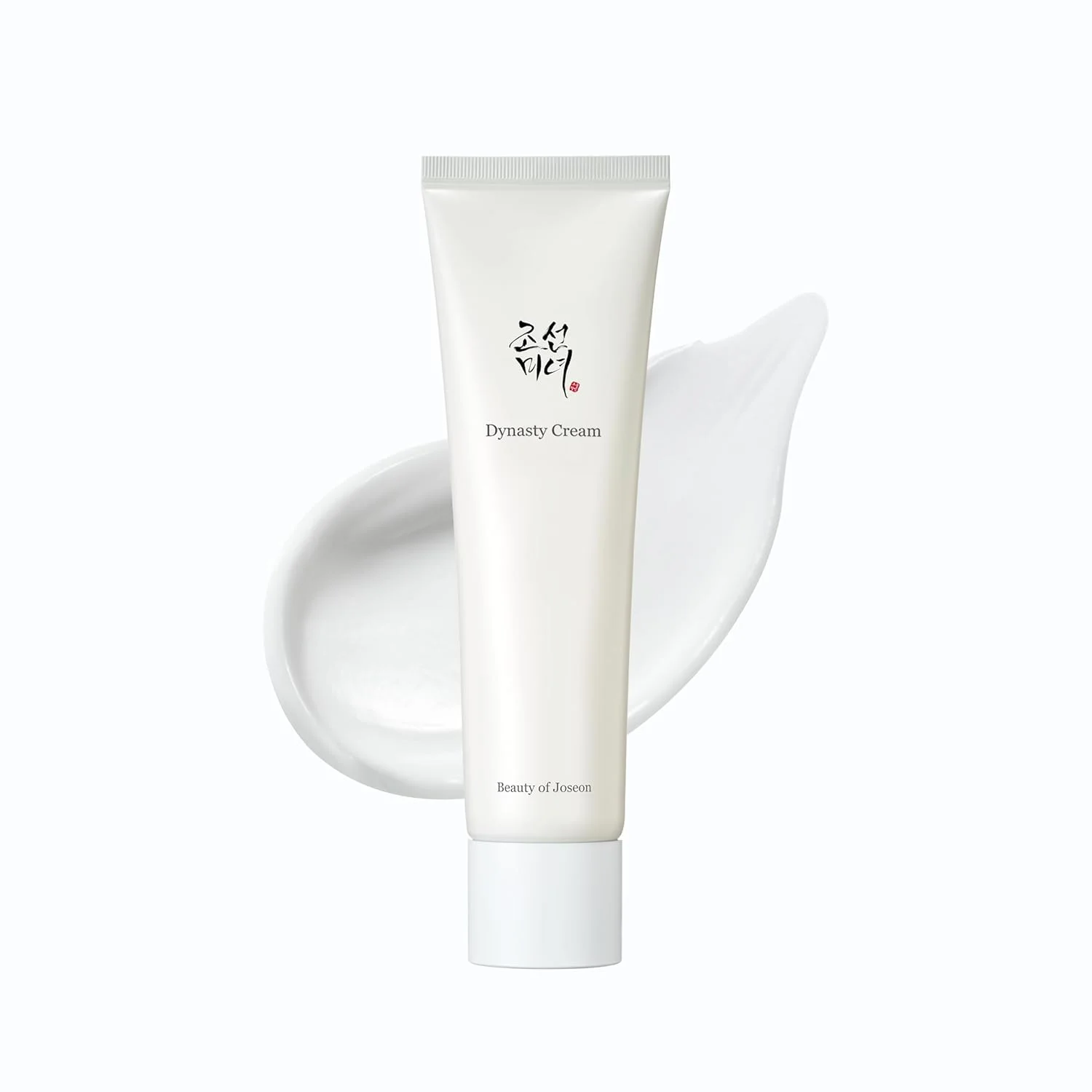
Beauty of Joseon Dynasty Cream
Best fit: Normal to dry skin that wants a rich but not greasy cream.
Why compare: A step up from a lotion for everyday winter dryness.
Watch: May not be enough on its own for very dry skin.
View at StylevanaFor Oily or Acne-Prone Skin That Gets Dry in Winter
Our own photo
Personally used: my everyday cream
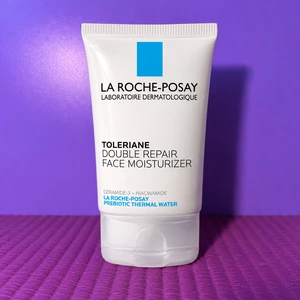
La Roche-Posay Toleriane Double Repair Face Moisturizer
Best fit: Oily, combination or sensitive skin that gets dry in winter.
My experience: My main moisturizer all year. In winter, I keep it and add balm where needed.
Watch: On very dry skin, it may feel too light on its own.
View on AmazonFor Flaky Patches and the Neck
Our own photo
Personally used and family-tested
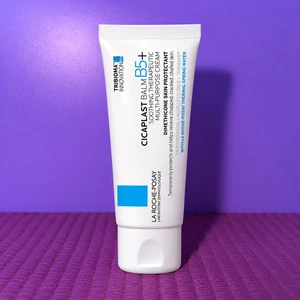
La Roche-Posay Cicaplast Balm B5+
Best fit: Flaky patches, the neck, elbows and hands.
Our experience: My mom uses it almost everywhere. I use it on my neck all year and on my face in the coldest months.
Watch: Thick balm. On oily skin, use a thin layer only on dry spots.
View on AmazonIn my routine: My oily skin is happy with one cream and a little balm. My mom’s very dry skin needs cream again and again through the day. Same season, very different needs, which is why this guide is organized by how dry you get, not by brand.
Best Body Moisturizer for Winter
Body skin, especially shins, arms and hips, often gets drier than the face in winter, because it gets the hot showers and rough clothing. A body lotion is easier to spread over large areas; switch to a cream on the driest spots.
Our own photo
Personally used
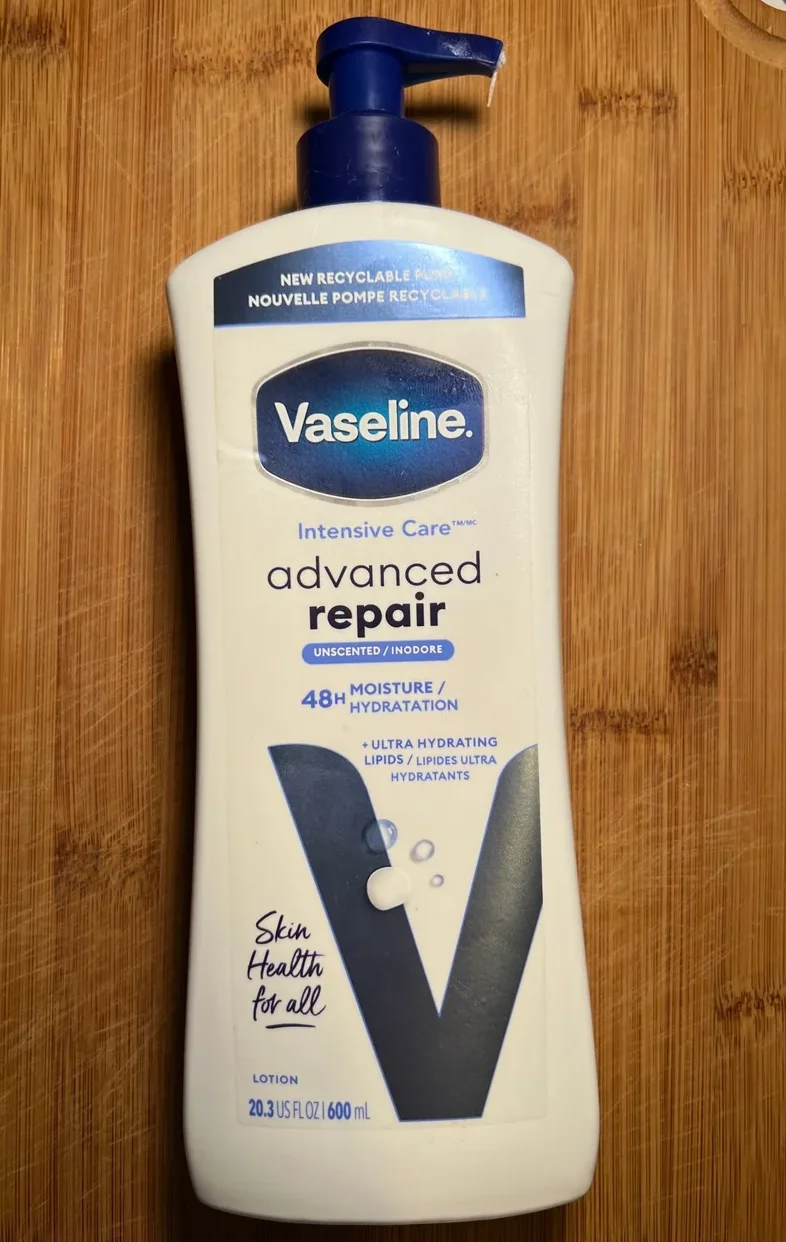
Vaseline Advanced Repair Body Lotion, Unscented
Best fit: Dry, itchy body skin, especially legs and arms.
My experience: My body moisturizer in winter, when my skin needs extra.
Watch: Unscented. Put it on within a few minutes of a shower.
View on Amazon
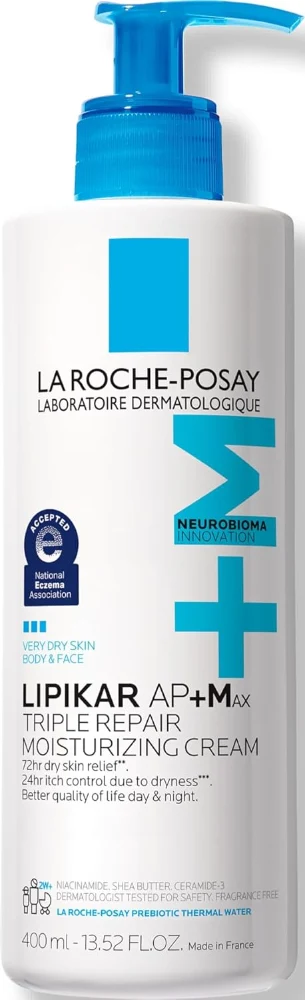
Product image
Research pick
La Roche-Posay Lipikar AP+MAX Triple Repair Moisturizing Body Cream
Best fit: Very dry, itchy body skin in winter.
Why compare: A rich body cream made for very dry, rough skin on legs and arms.
Watch: Richer than a lotion; best right after a shower.
View on AmazonMy mom puts Cicaplast Balm B5+ almost everywhere, and if her skin still feels dry, she adds a little coconut oil on top. Her feet and elbows get extra cream again and again through the day.
The ILLIYOON Ceramide Ato Concentrate Cream above also works on the body; its big tube makes it practical for legs and arms.
Best Hand Cream for Winter
Hands get washed many times a day, so they lose moisture faster than any other skin. The trick isn’t only a richer cream; it’s putting it on after every wash and wearing gloves outside.
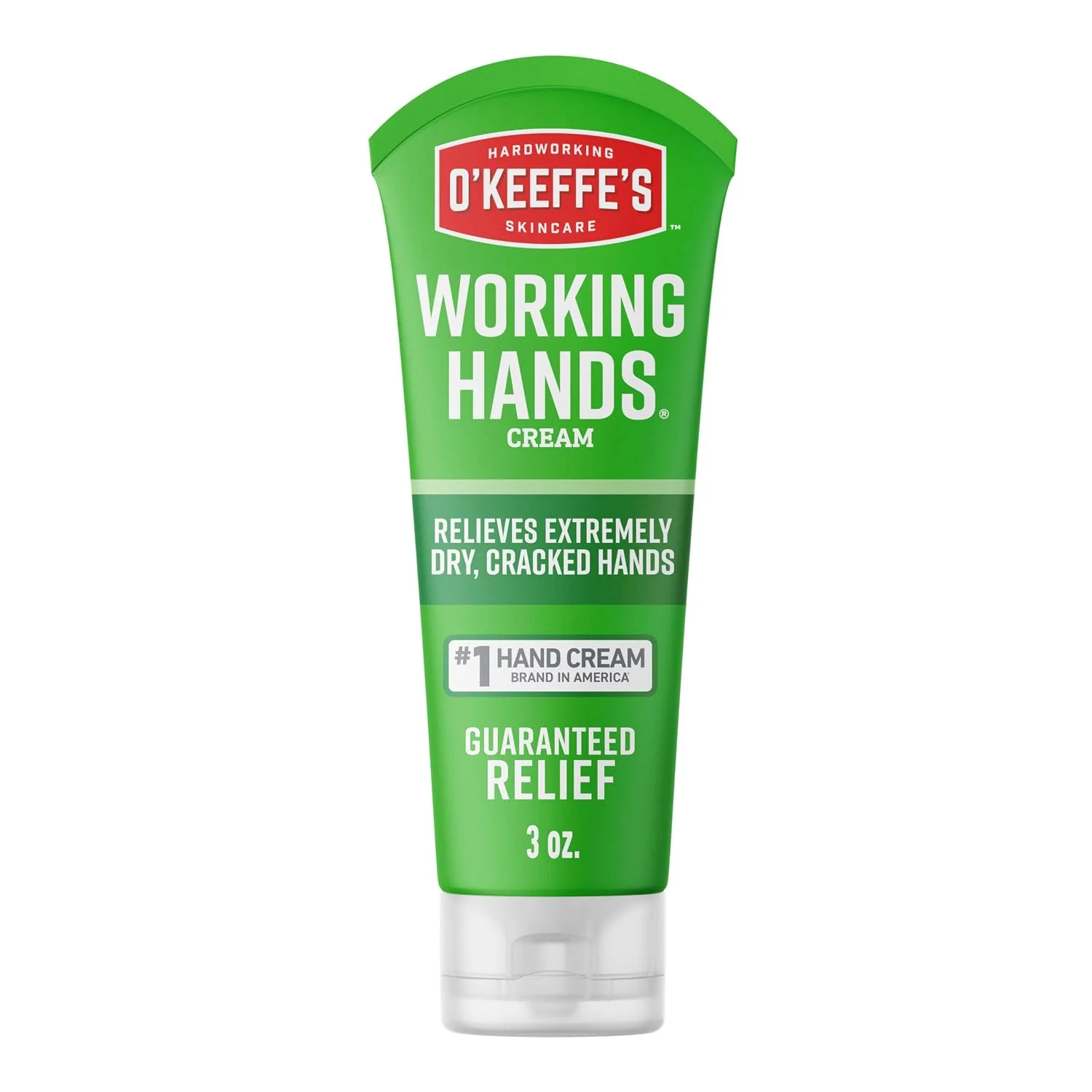
Product image
Personally used
O'Keeffe's Working Hands Hand Cream
Best fit: Very dry or cracked hands.
My experience: My main hand cream in winter.
Watch: Made for extremely dry hands. Reapply after washing.
View on Amazon
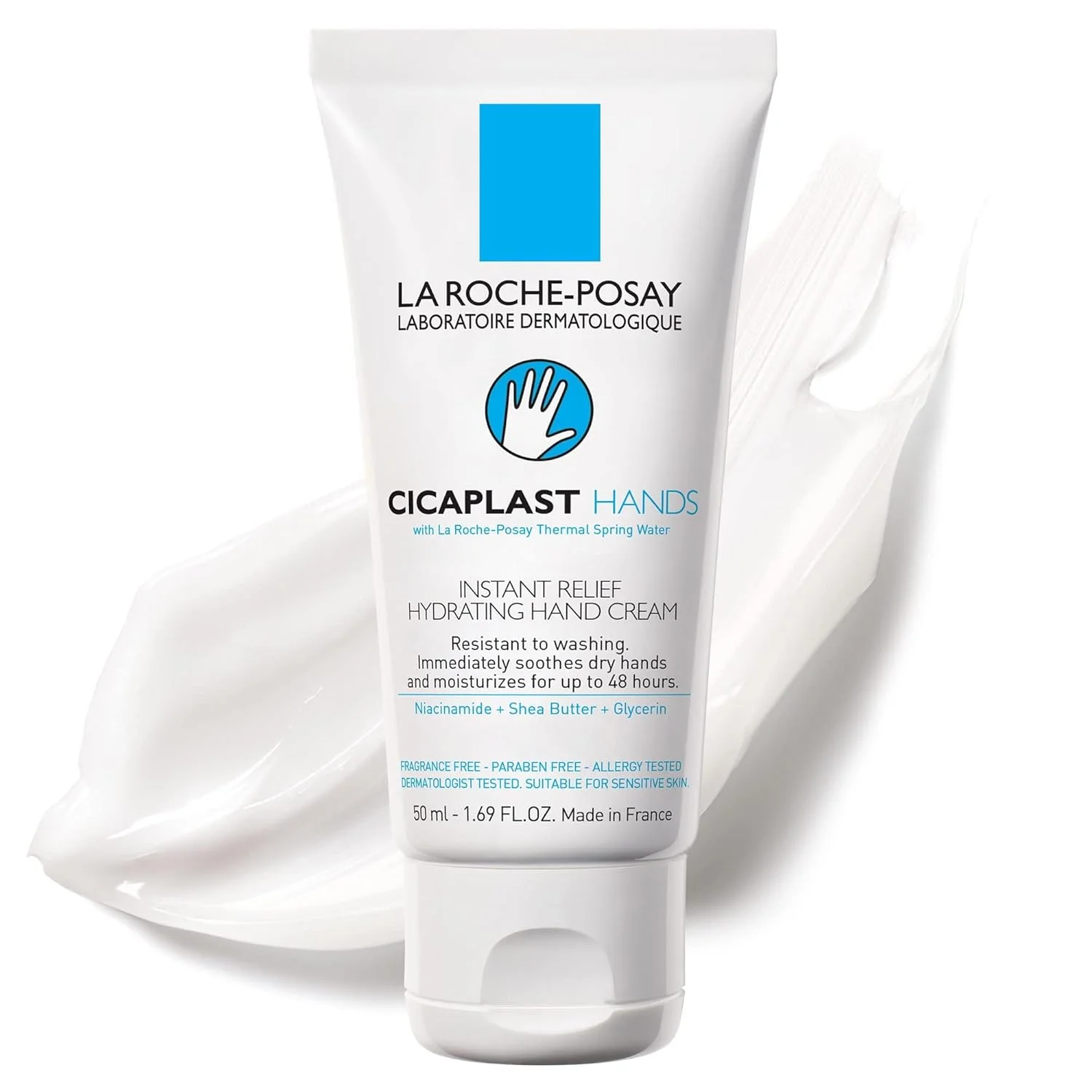
Product image
Personally used
La Roche-Posay Cicaplast Hand Cream
Best fit: Dry, rough hands that get washed a lot.
My experience: I keep it by the sink in winter and put it on after every wash. It has panthenol (B5) and sinks in fast.
Watch: Lighter than O’Keeffe’s; for cracks, add an ointment at night.
View on Amazon
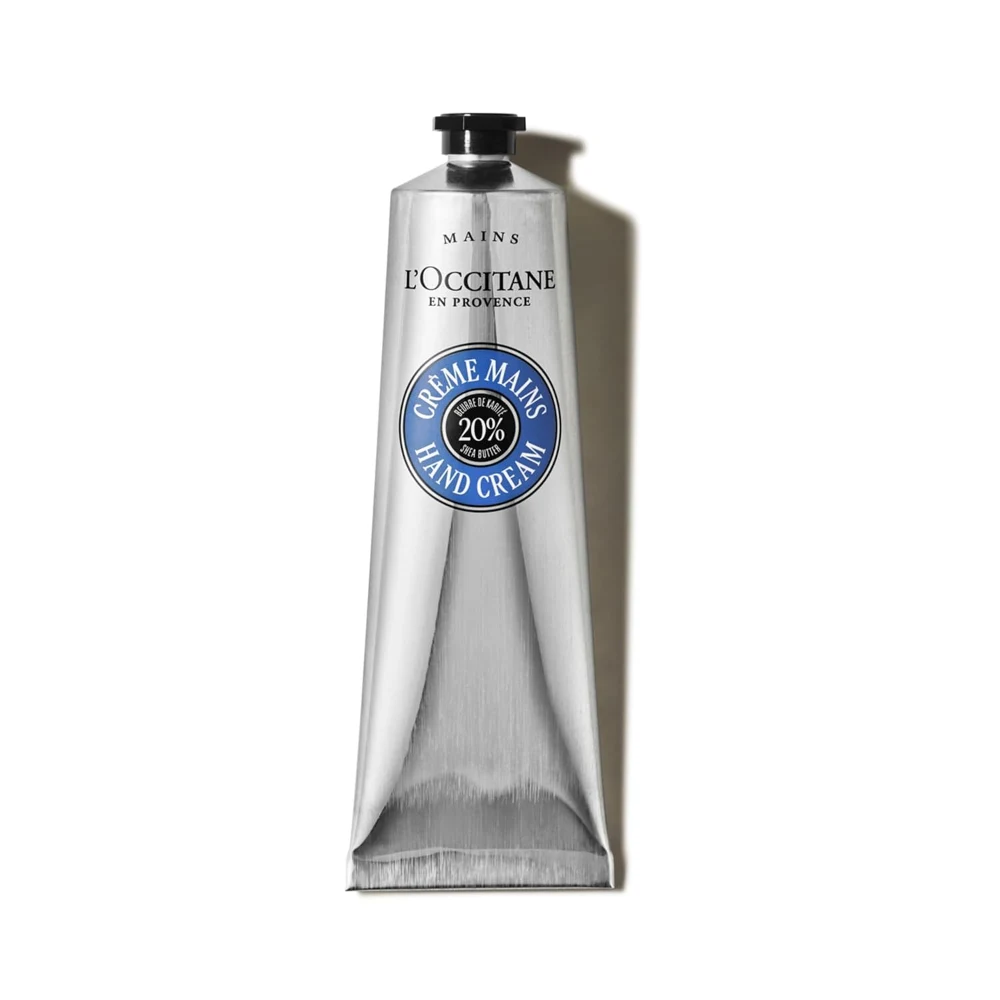
Product image
Research pick
L'Occitane Shea Butter Hand Cream
Best fit: Dry hands that want a rich, comforting cream.
Why compare: Made with 20% shea butter, a classic for winter hands, and a lovely one to keep in your bag.
Watch: Lightly scented; choose a fragrance-free cream if your hands are cracked or sensitive.
View on AmazonFor cracked knuckles and fingertips at night, a thin layer of an ointment like Aquaphor Healing Ointment works well under cotton gloves. For lips, my mom swears by plain petroleum jelly. For cracked lips and other winter problems, see Winter Beauty Problems.
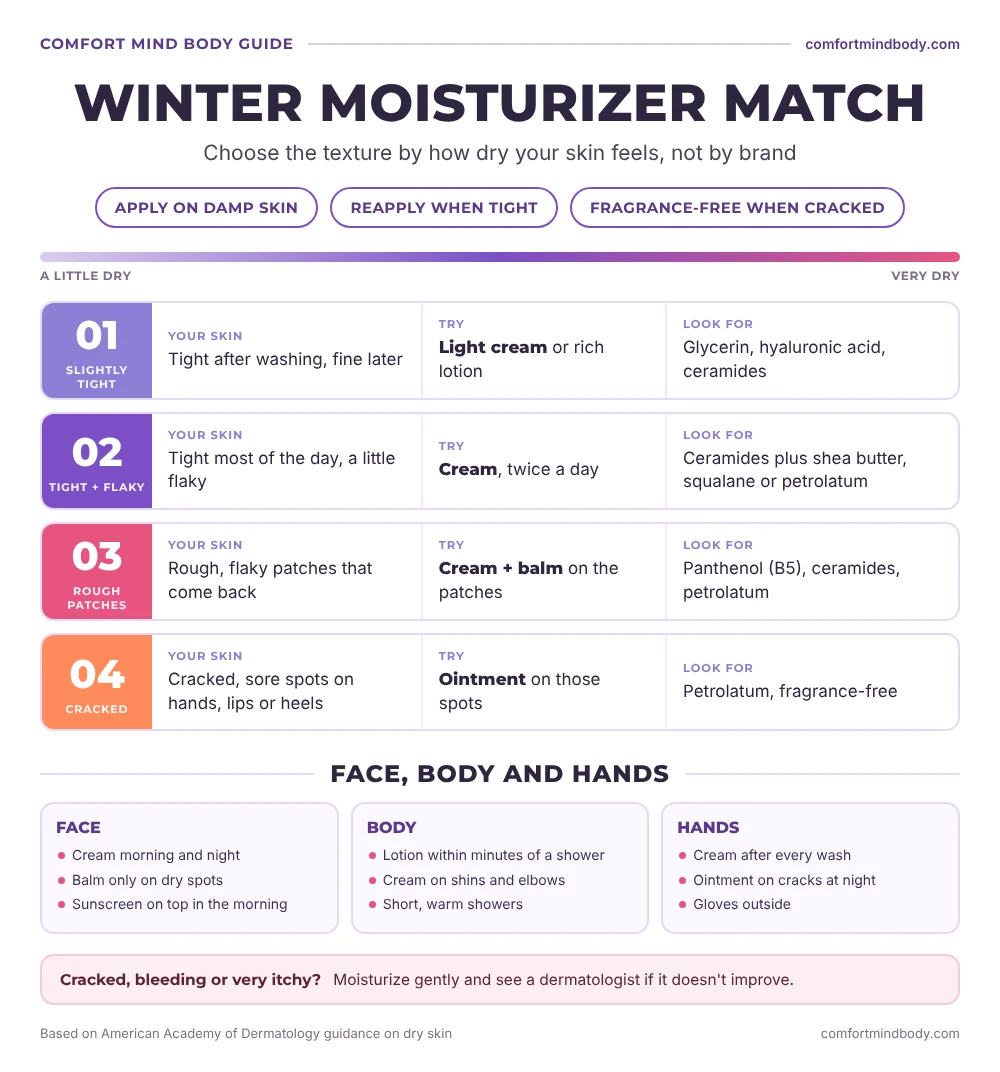
How To Moisturize Dry Skin in Winter So It Actually Lasts
- Keep showers to 5 to 10 minutes, in warm water, not hot.
- Pat skin dry and put moisturizer on within a few minutes, while skin is still slightly damp.
- Use enough to cover the area in a thin, even layer; on very dry skin, a second layer is fine.
- Reapply on the face and hands whenever skin feels tight, not only at bedtime.
- At night, add a thin layer of balm on the driest spots.
- Keep sunscreen in the morning; winter sun and snow still reflect UV.
- Run a humidifier in the bedroom if the heating is strong.
Using a retinoid this winter? If the flaking comes from your retinol or tretinoin, see my guide to tretinoin and retinol peeling.
Read the infographic text
Winter Moisturizer Match: choose the texture by how dry your skin feels, not by brand. Apply on damp skin, reapply when tight, and stay fragrance-free when skin is cracked.
01 Slightly tight: tight after washing, fine later. Try a light cream or rich lotion with glycerin, hyaluronic acid and ceramides. 02 Tight and flaky: tight most of the day, a little flaky. Try a cream twice a day with ceramides plus shea butter, squalane or petrolatum. 03 Rough patches: rough, flaky patches that come back. Try a cream plus a balm on the patches, with panthenol (B5), ceramides or petrolatum. 04 Cracked: cracked, sore spots on hands, lips or heels. Try an ointment on those spots: petrolatum, fragrance-free.
Face: cream morning and night, balm only on dry spots, sunscreen on top in the morning. Body: lotion within minutes of a shower, cream on shins and elbows, short warm showers. Hands: cream after every wash, ointment on cracks at night, gloves outside.
Cracked, bleeding or very itchy? Moisturize gently and see a dermatologist if it doesn’t improve.

Winter Moisturizer Mistakes That Keep Skin Dry
- Switching to a heavier cream but still taking long, hot showers
Hot water strips the oils your cream is trying to protect.
Better move: Keep showers short and warm, and moisturize right after. - Using only a serum or gel
Humectants alone can’t hold water in dry winter air.
Better move: Put a cream on top to seal it in. - Scrubbing off flakes
Scrubs and peels irritate skin that is already dry.
Better move: Moisturize for a few days first; flakes usually soften on their own. - Adding fragrance or essential oils to cracked skin
Fragrance is a common irritant on a damaged barrier.
Better move: Stay fragrance-free until skin heals. - Moisturizing once a day only
Dry winter air pulls moisture out all day.
Better move: Reapply on hands and face whenever they feel tight.
Frequently Asked Questions
What is the best moisturizer for very dry skin in winter?
A fragrance-free cream with ceramides and an occlusive such as petrolatum or shea butter, plus a balm on the driest patches at night. Very dry skin often needs reapplying during the day too.
Should I use a different moisturizer in winter?
Often, yes. Many people need a richer texture in winter than in summer. Oily skin may only need to add a balm to dry spots rather than switch completely.
Is a lotion or a cream better for winter?
A cream is usually better for dry winter skin, because it holds more oil and seals water in. Lotions work well for large body areas and for oily skin.
How often should I moisturize in winter?
At least twice a day on the face, after every shower and hand wash, and again whenever skin feels tight.
Can oily or acne-prone skin get dry in winter?
Yes. Use a light, non-comedogenic ceramide moisturizer and put a thin balm only on dry patches. See my guide to the best moisturizer for acne-prone skin.
Is petroleum jelly good for dry winter skin?
It’s one of the strongest seals and works well on lips, hands, heels and cracked spots. On the face, a very thin layer at night is enough; it can feel heavy on oily skin.
Do I still need sunscreen in winter?
Yes. UV reaches skin on cloudy days, and snow reflects it. Put your moisturizer on first, then sunscreen in the morning.
Why is my skin still dry even with moisturizer?
Common causes are hot showers, harsh cleansers, too little product, or a texture that’s too light. If dryness cracks, bleeds or itches badly, see a dermatologist; it can be eczema or another condition.
Final Thoughts: Moisturize for How Dry You Get
The best moisturizer for dry skin in winter is the one that matches how dry your skin really is, and that you put on often enough. Start with a fragrance-free cream, add balm where the patches are, take shorter showers, and keep a hand cream by every sink.
My mom and I use completely different amounts of cream all winter, and both of our routines work. Yours will too, once the texture fits.
Stay soft and warm until spring,
Anna
Safety Notes
Safety Notes
- This guide is educational and not a substitute for medical advice.
- Patch test a new moisturizer on a small area for a few days, especially on sensitive or eczema-prone skin.
- See a dermatologist if skin cracks, bleeds, is very itchy, keeps you awake, or doesn’t improve with regular moisturizing.
- Stop a product that burns, stings badly, or causes a rash or swelling.
- Babies, children and anyone with a diagnosed skin condition should follow their doctor’s advice on moisturizers.