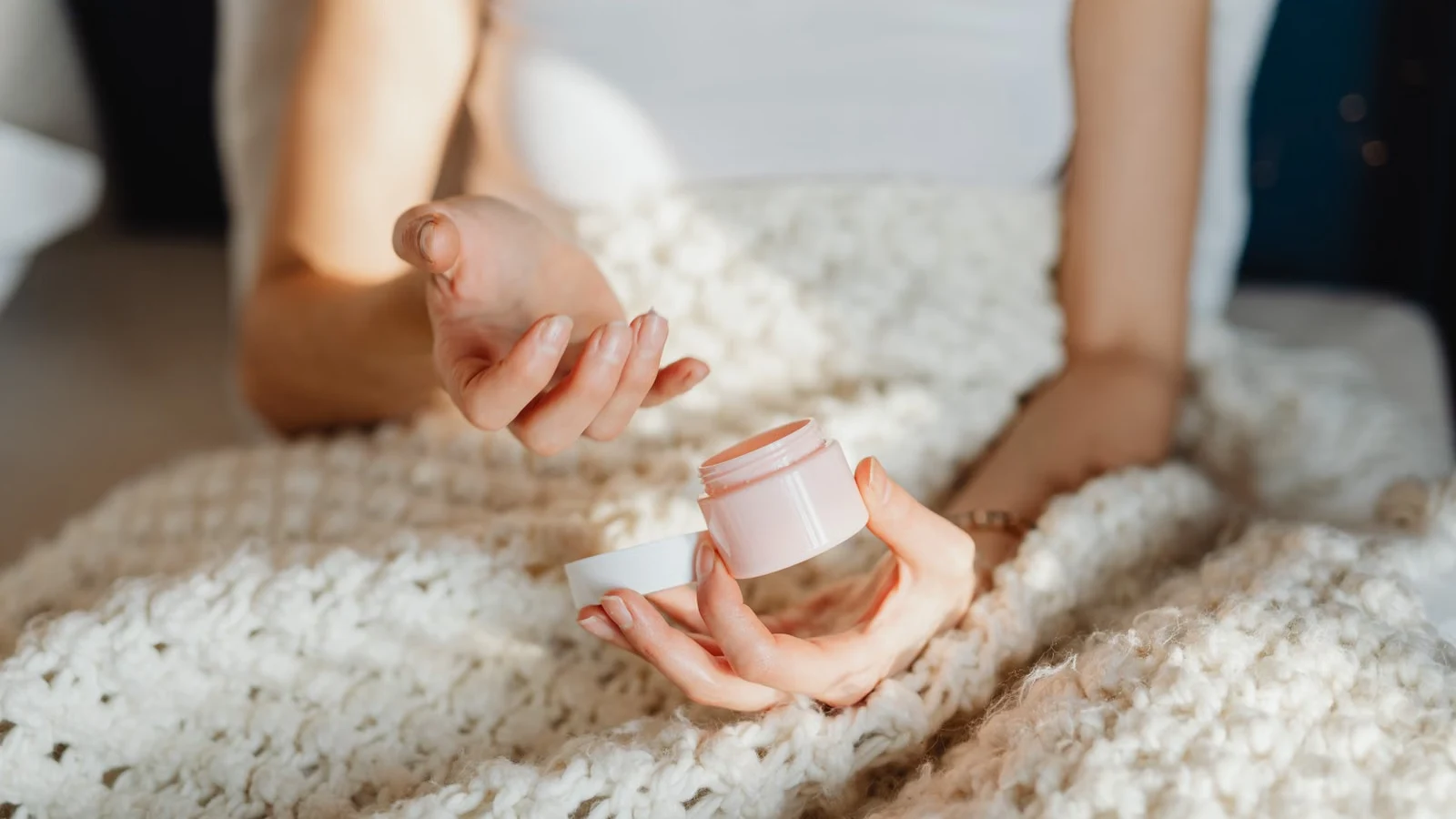
Woman under a chunky knit blanket holding an open jar of moisturizer

Best Moisturizer for Dry Skin in Winter: Picks for Face, Body and Hands

Last updated: November 2026. New guide based on research, family routines and dermatology guidance.

Affiliate disclosure: This post contains affiliate links. If you buy through them, Comfort Mind Body may earn a commission at no extra cost to you.

How this guide was made: I compared American Academy of Dermatology and MedlinePlus guidance with the top-ranking winter moisturizer guides, then chose products by texture, ingredients and how dry skin gets. Family products are mentioned as examples only.

Please note: This guide is for general education, not medical advice. Cracked, bleeding, very itchy or painful skin, or a rash that keeps spreading, deserves a dermatologist’s look.

Every winter, my mom’s skin tells her when the heating comes on. Her cheeks feel tight, her hands crack, and the cream that was enough in October suddenly isn’t.

Welcome to Comfort Mind Body, where we test the advice against real routines before we pass it on.

The best moisturizer for dry skin in winter isn’t one magic jar. It’s the right texture for how dry your skin gets: a cream for everyday dryness, a balm for rough or flaky patches, and an ointment for cracked spots. In this guide, I’ll help you find your level, then share face, body and hand picks, including what my mom and I actually use.

If you want to understand why your skin gets so dry in the first place, start with my Dry Skin In Winter guide. For the full winter routine, see Winter Skincare Routine.

Look for a fragrance-free cream that combines humectants (glycerin, hyaluronic acid) that pull water in, ceramides that support the skin barrier, and occlusives (petrolatum, shea butter, squalane) that seal the water in. A light lotion or gel is often not enough once the heating is on.

Put it on while your skin is still slightly damp, after washing your face and after every shower, and reapply during the day when skin feels tight. If a cream still isn’t enough, add a thin layer of balm on the driest spots at night.

Compare the Top Picks

Best forProductWhy consider itHow we know it
Very dry faceOlay Regenerist Micro-Sculpting Cream, Fragrance-FreeRich daily cream my mom reapplies all winterFamily-tested
Very dry face and bodyILLIYOON Ceramide Ato Concentrate CreamBig tube of fragrance-free ceramide creamResearch pick
Very dry, budget-friendlyCeraVe Moisturizing CreamThick ceramide cream for face and bodyResearch pick
Dry and sensitiveAESTURA Atobarrier365 CreamBarrier-focused ceramide creamResearch pick
Dry with redness or fine linesAlpyn Barrier Repair CreamPeptides plus barrier supportResearch pick
Oily skin that gets dryLa Roche-Posay Toleriane Double RepairLighter everyday moisturizerPersonally used
Flaky patchesLa Roche-Posay Cicaplast Balm B5+Targeted balm for dry spotsPersonally used, family-tested
Dry body skinVaseline Advanced Repair Body Lotion, UnscentedEasy lotion right after a showerPersonally used
Very dry handsO’Keeffe’s Working HandsConcentrated hand creamPersonally used

See every pick in detail

How Dry Is Your Skin? Pick the Right Texture

Winter air holds less water, and indoor heating dries it out even more. Hot showers and harsh cleansers strip away the oils that normally keep skin soft. That’s why a moisturizer that worked in summer can feel like nothing in January.

The fix is usually a richer texture, not a fancier brand. Creams hold more oil than lotions, and ointments hold the most. Match the texture to how your skin feels:

How your skin feelsTexture to tryWhat to look for
Slightly tight after washingLight cream or rich lotionGlycerin, hyaluronic acid, ceramides
Tight most of the day, a little flakyCreamCeramides plus shea butter, squalane or petrolatum
Rough, flaky patches that come backCream, plus balm on the patchesPanthenol (B5), ceramides, petrolatum
Cracked, sore spots on hands, lips or heelsOintment or very thick balm on those spotsPetrolatum; fragrance-free if sensitive

Oily or acne-prone skin can feel dry in winter too. You don’t need a heavy cream all over; a light ceramide moisturizer plus a little balm only on the dry spots usually works better. For more, see Oily Skin In Winter.

Ingredients That Help Dry Winter Skin

  • Glycerin and hyaluronic acid
    Pull water into the skin. Best under or inside a cream; on their own, they can leave skin tight in dry air.
  • Ceramides
    Help rebuild the barrier that keeps water in. Useful for every skin type in winter.
  • Petrolatum
    The strongest seal. Ideal for lips, hands and cracked spots; on the face, a thin layer at night is plenty.
  • Shea butter and squalane
    Richer, softening lipids for dry or mature skin. Watch for clogged pores if you’re acne-prone.
  • Panthenol (vitamin B5)
    Soothing and moisturizing, good on flaky or irritated patches.
  • Use carefully
    Fragrance and essential oils, which commonly irritate cracked skin, and strong acids or retinoids on skin that already feels raw.

Best Face Moisturizers for Dry Skin in Winter

These are grouped by how dry your skin gets. My mom’s and my picks are marked; the others are well-reviewed formulas with the ingredients above.

For Very Dry Skin

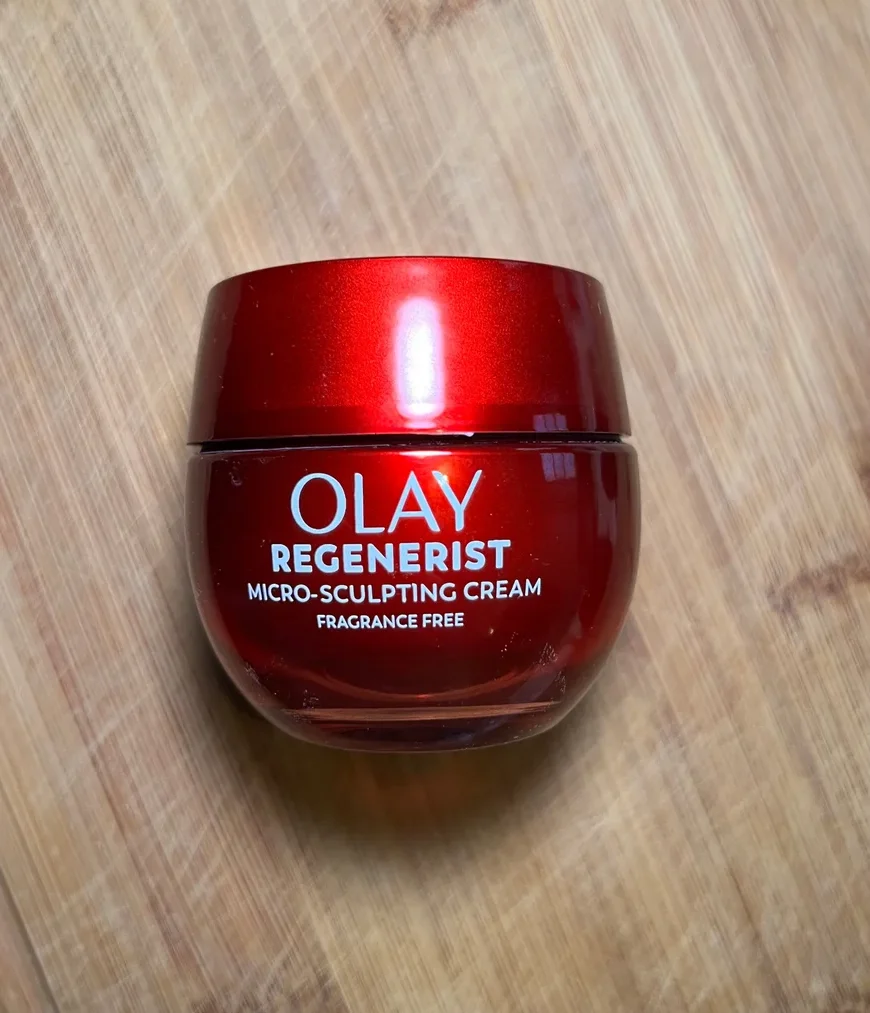
My mom's jar of Olay Regenerist Micro-Sculpting Cream, Fragrance-Free

Our own photo

Family-tested: my mom’s pick

Olay Regenerist Micro-Sculpting Cream, Fragrance-Free

Best fit: Very dry, mature skin that needs more in winter.

Her experience: My mom's main cream. In winter, she puts it on up to 3 times a day.

Watch: Rich. On oily or combination skin, it may feel like too much.

View on Amazon
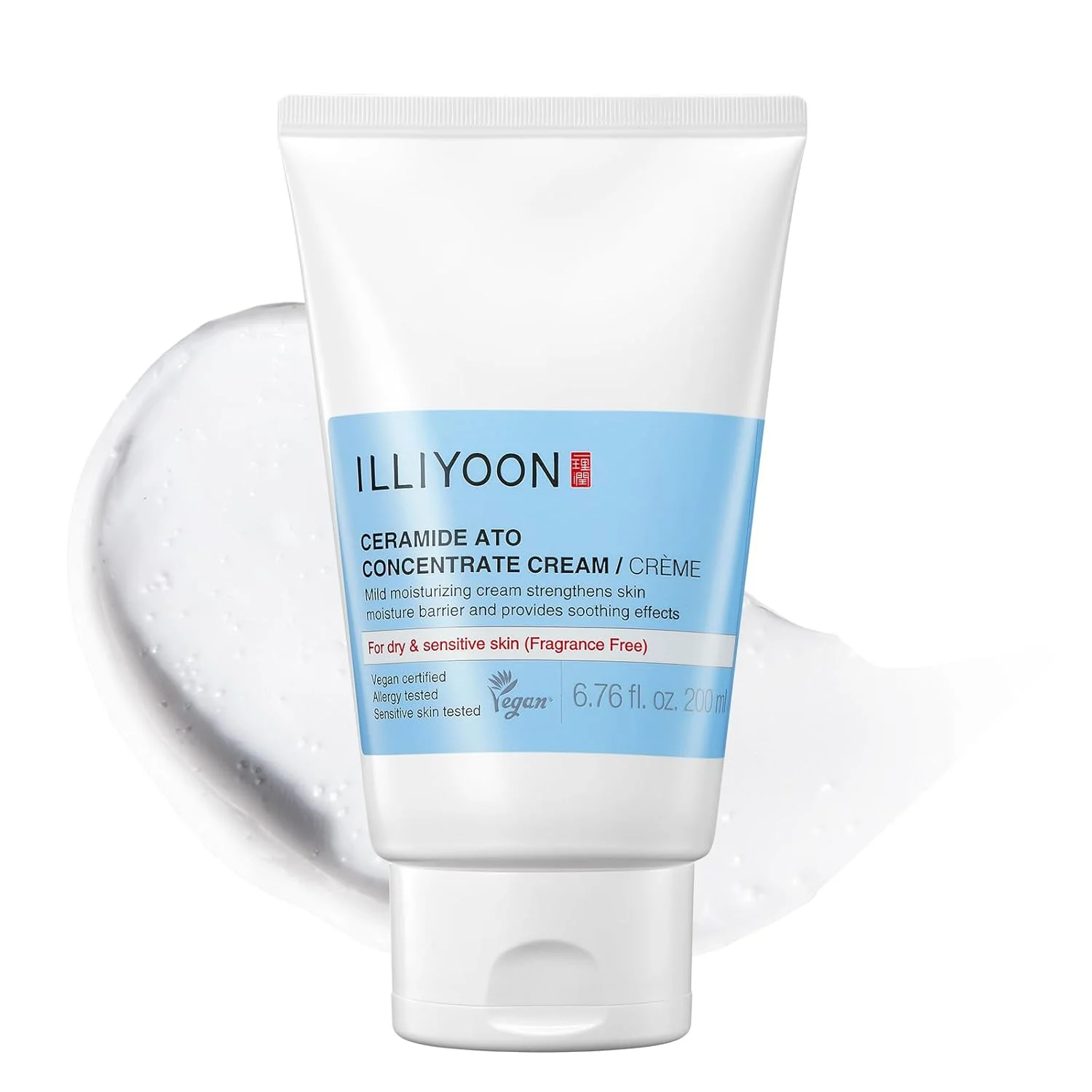
ILLIYOON Ceramide Ato Concentrate Cream tube

Product image

Research pick

ILLIYOON Ceramide Ato Concentrate Cream

Best fit: Very dry or eczema-prone skin, face and body.

Why compare: A big tube of fragrance-free ceramide cream you can use everywhere.

Watch: Thick. Use less on the face if you break out easily.

View at Stylevana
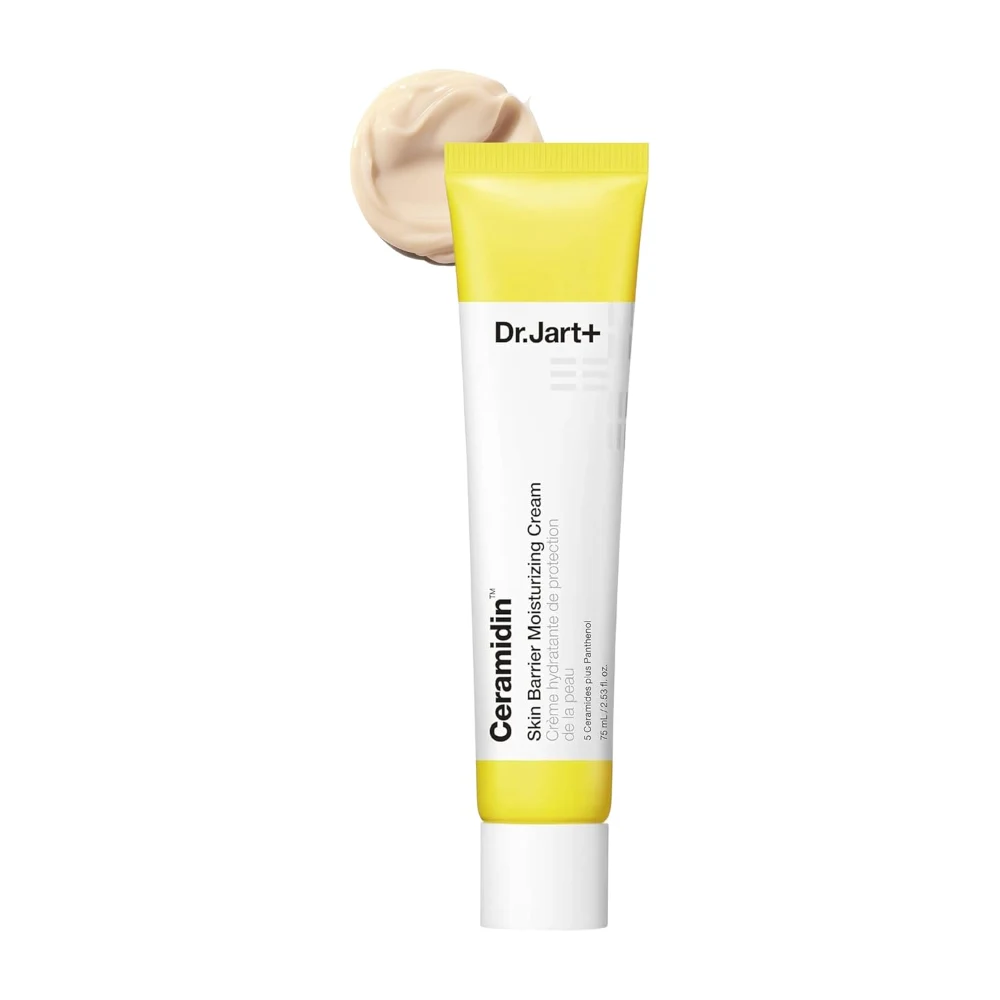
Yellow tube of Dr.Jart+ Ceramidin Skin Barrier Moisturizing Cream

Product image

Research pick

Dr.Jart+ Ceramidin Skin Barrier Moisturizing Cream

Best fit: Dry, tight skin that wants a rich ceramide cream for winter.

Why compare: Built around ceramides to support a dry, weakened barrier; a popular choice for winter.

Watch: Rich texture; use a thinner layer in the morning under sunscreen.

View at Stylevana
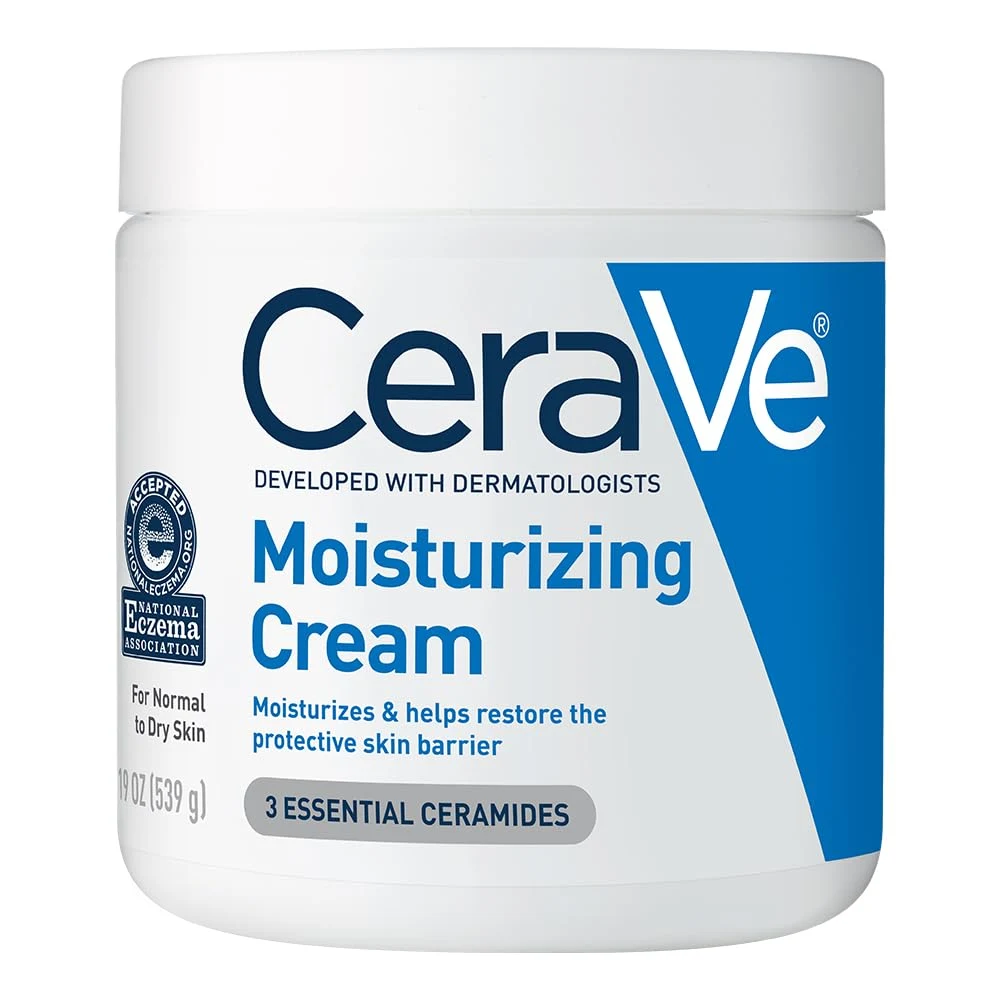
CeraVe Moisturizing Cream tub, 19 oz

Product image

Research pick

CeraVe Moisturizing Cream

Best fit: Very dry skin on the face and body.

Why compare: A fragrance-free ceramide cream for face and body, and a budget-friendly way to go richer in winter.

Watch: Thick; on the face, a small amount goes a long way.

View on Amazon
For Dry, Sensitive or Redness-Prone Skin

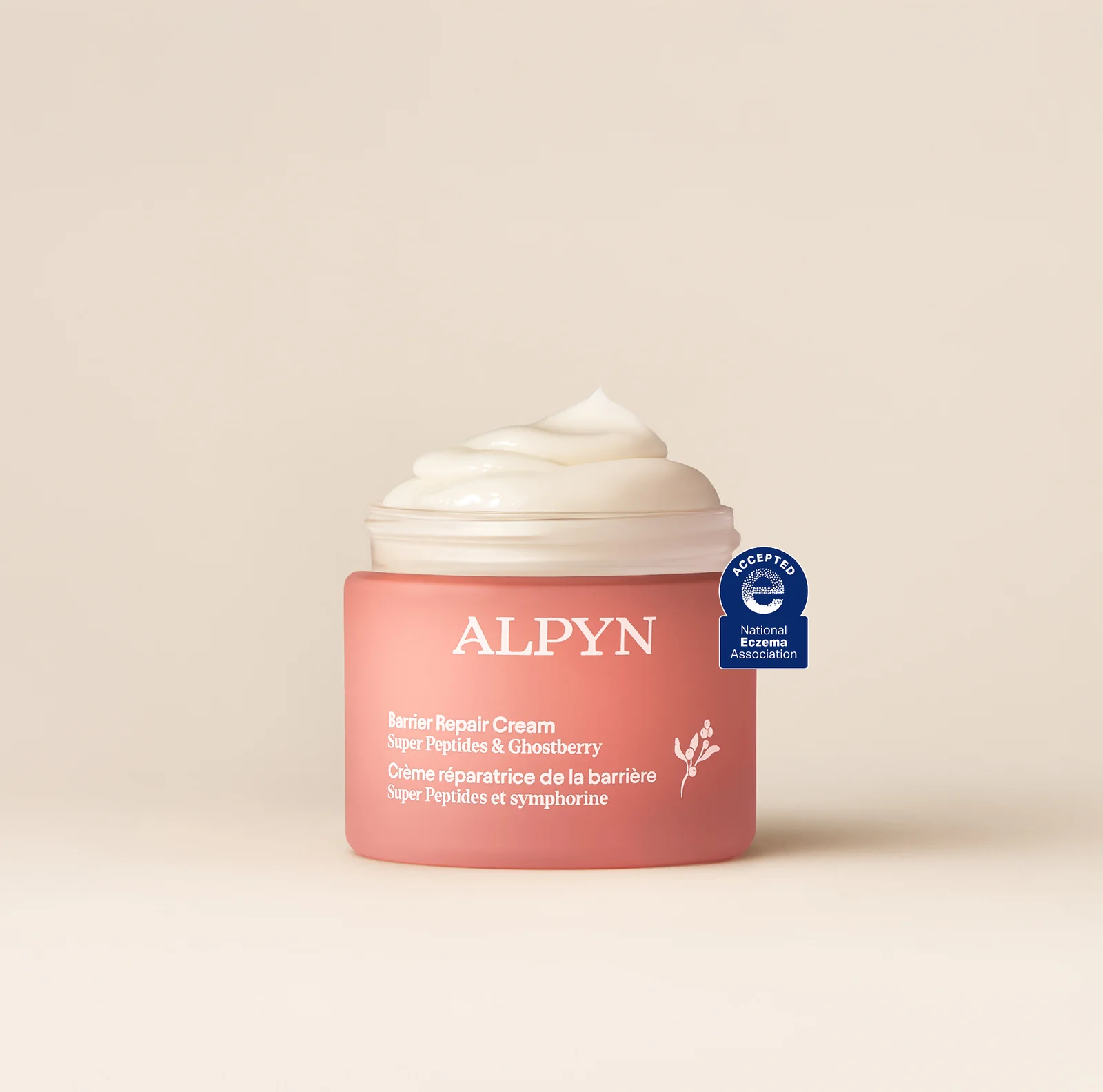
Open coral jar of Alpyn Barrier Repair Cream with peptides and ghostberry

Product image

Research pick

Alpyn Barrier Repair Cream with Peptides & Ghostberry

Best fit: Dry skin with redness or sensitivity, plus fine lines.

Why compare: Made for barrier repair and redness relief, with peptides for fine lines.

Watch: Pricier than drugstore creams. Patch test first if you react to plant extracts.

View at Alpyn
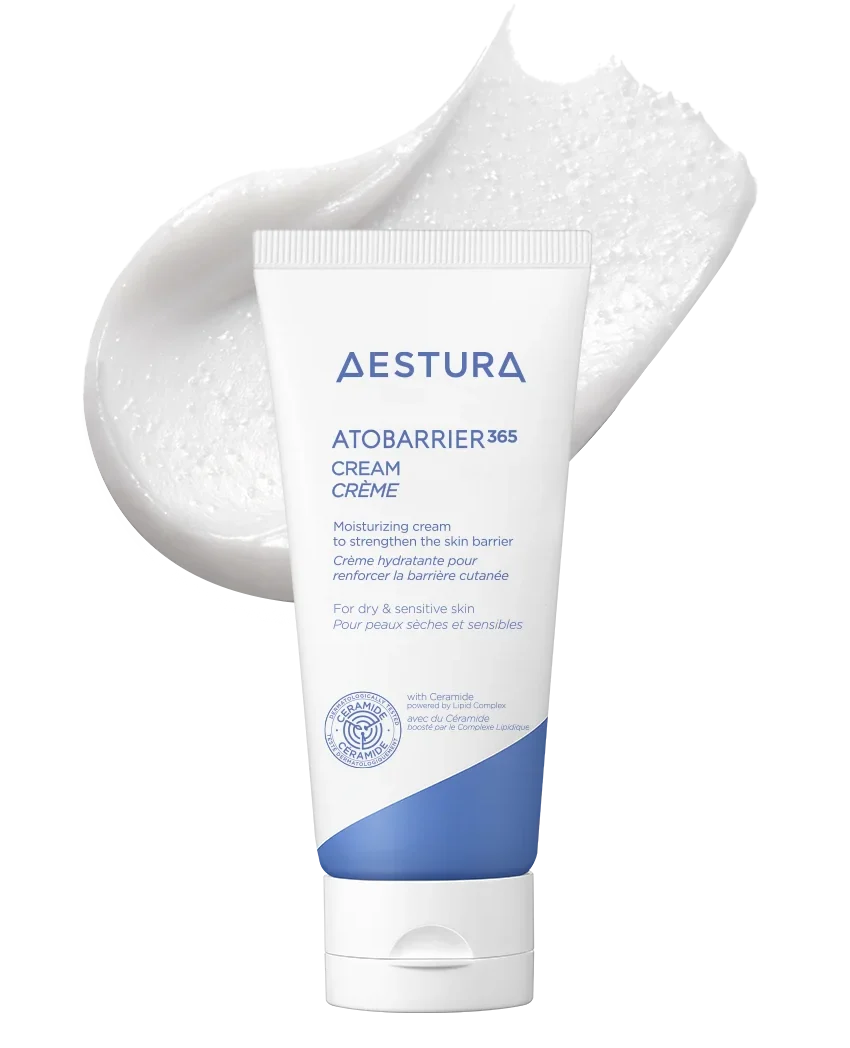
White and blue tube of AESTURA Atobarrier365 Cream

Product image

Research pick

AESTURA Atobarrier365 Cream

Best fit: Dry, reactive or barrier-stressed skin.

Why compare: A ceramide cream from a dermatology-focused Korean brand.

Watch: Check the full ingredient list if you have known allergies.

View at Stylevana
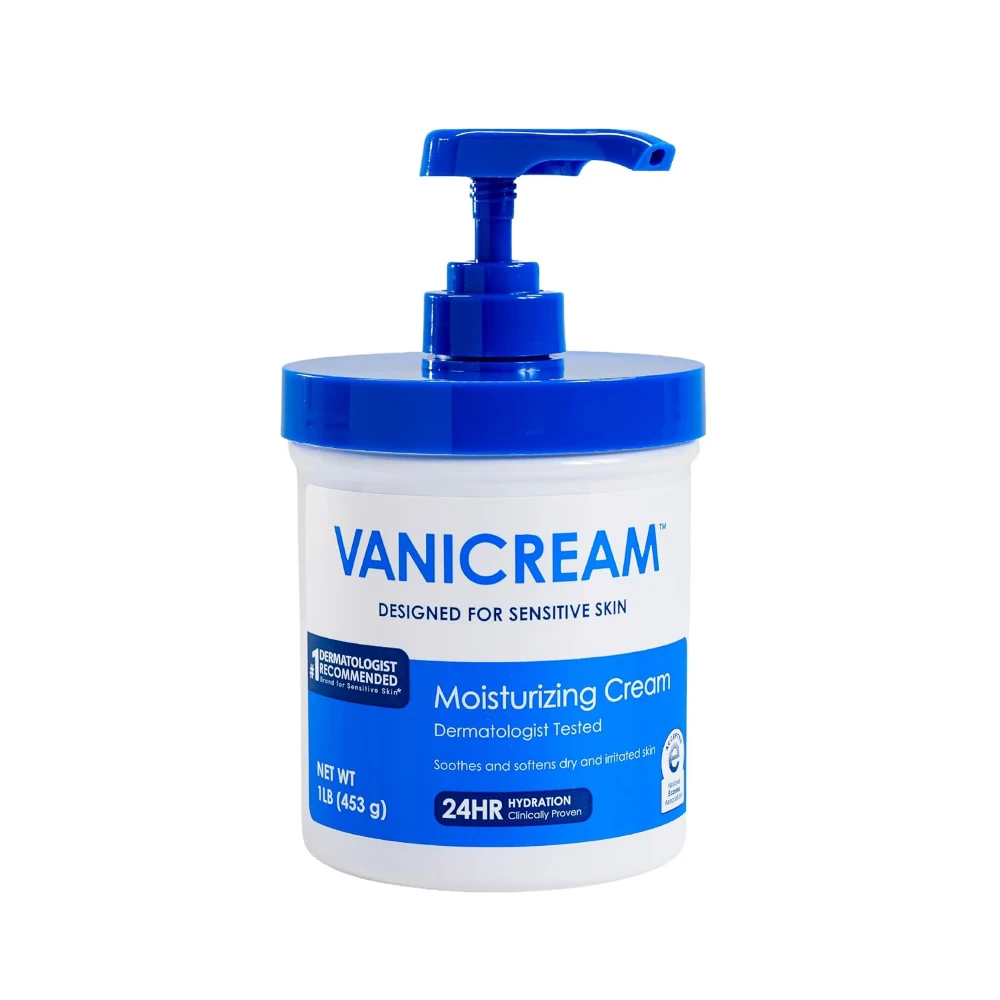
Vanicream Moisturizing Skin Cream pump bottle, 16 oz

Product image

Research pick

Vanicream Moisturizing Skin Cream

Best fit: Very sensitive or eczema-prone dry skin.

Why compare: Made without common irritants like fragrance and dyes; a simple choice for reactive skin.

Watch: Plain and thick, with no extra actives. Great for that reason, but not for glow.

View on Amazon
For Normal to Dry Skin

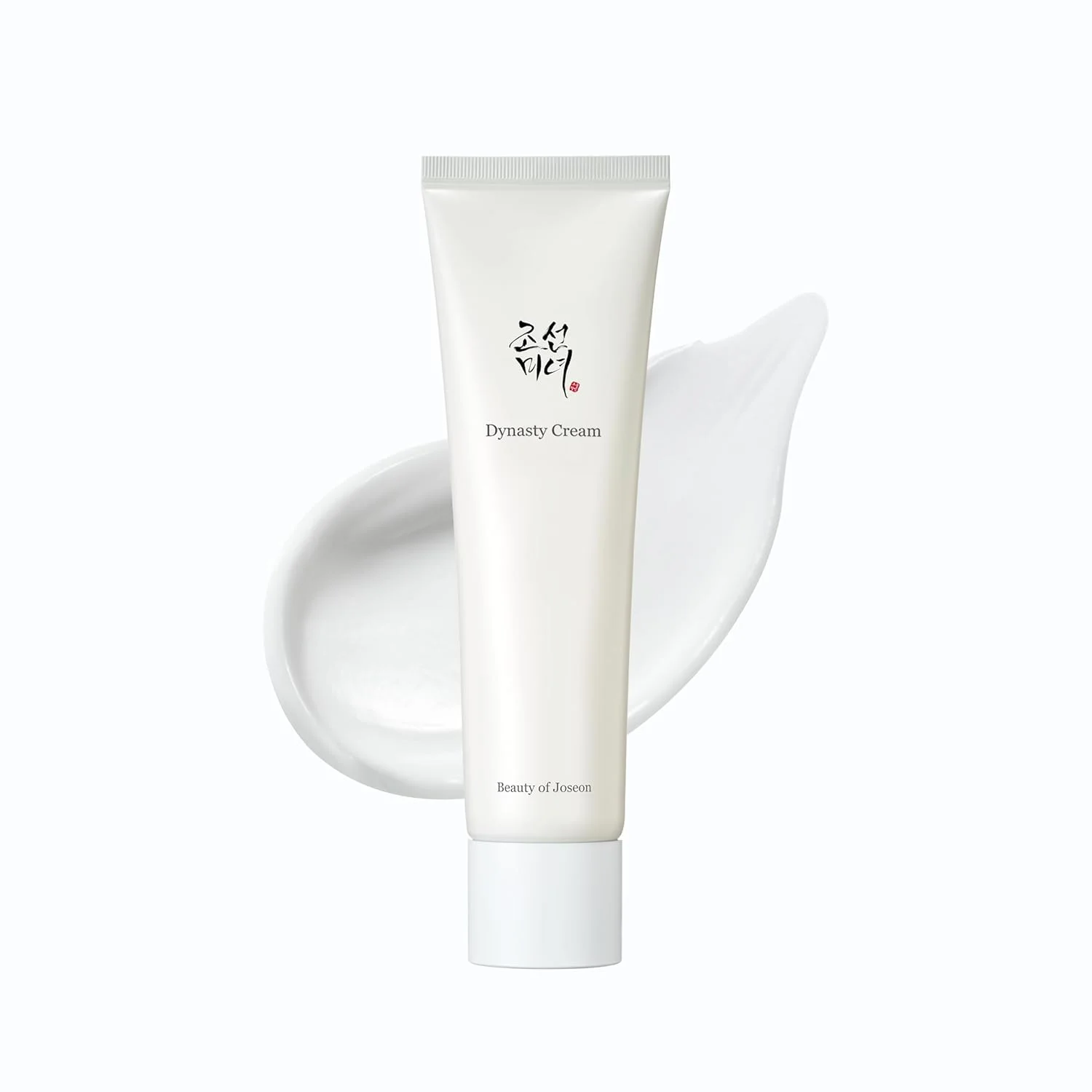
Beauty of Joseon Dynasty Cream tube

Product image

Research pick

Beauty of Joseon Dynasty Cream

Best fit: Normal to dry skin that wants a rich but not greasy cream.

Why compare: A step up from a lotion for everyday winter dryness.

Watch: May not be enough on its own for very dry skin.

View at Stylevana
For Oily or Acne-Prone Skin That Gets Dry in Winter

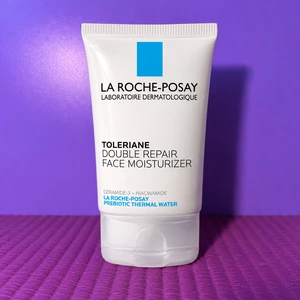
My tube of La Roche-Posay Toleriane Double Repair Face Moisturizer

Our own photo

Personally used: my everyday cream

La Roche-Posay Toleriane Double Repair Face Moisturizer

Best fit: Oily, combination or sensitive skin that gets dry in winter.

My experience: My main moisturizer all year. In winter, I keep it and add balm where needed.

Watch: On very dry skin, it may feel too light on its own.

View on Amazon
For Flaky Patches and the Neck

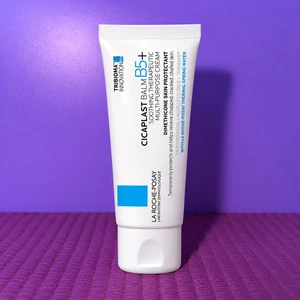
My tube of La Roche-Posay Cicaplast Balm B5+

Our own photo

Personally used and family-tested

La Roche-Posay Cicaplast Balm B5+

Best fit: Flaky patches, the neck, elbows and hands.

Our experience: My mom uses it almost everywhere. I use it on my neck all year and on my face in the coldest months.

Watch: Thick balm. On oily skin, use a thin layer only on dry spots.

View on Amazon
In my routine: My oily skin is happy with one cream and a little balm. My mom’s very dry skin needs cream again and again through the day. Same season, very different needs, which is why this guide is organized by how dry you get, not by brand.

Best Body Moisturizer for Winter

Body skin, especially shins, arms and hips, often gets drier than the face in winter, because it gets the hot showers and rough clothing. A body lotion is easier to spread over large areas; switch to a cream on the driest spots.

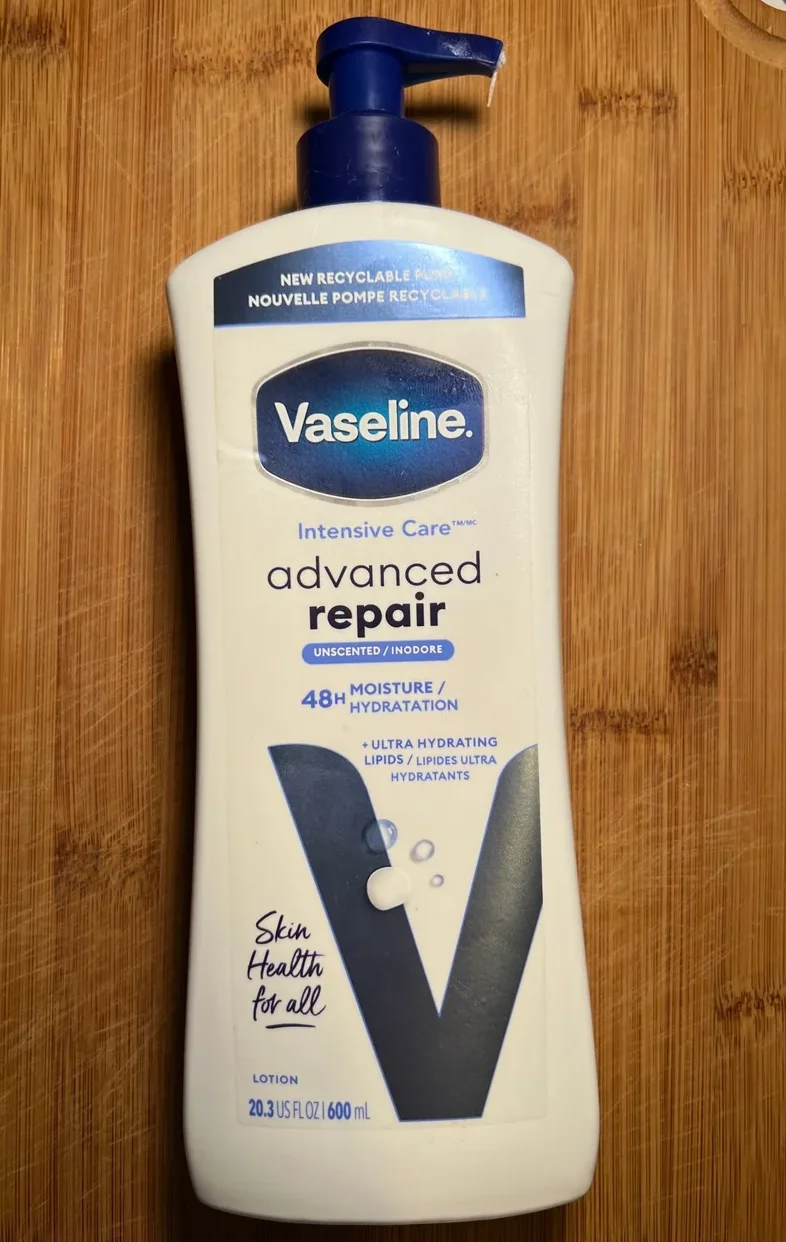
My bottle of Vaseline Advanced Repair Body Lotion, Unscented

Our own photo

Personally used

Vaseline Advanced Repair Body Lotion, Unscented

Best fit: Dry, itchy body skin, especially legs and arms.

My experience: My body moisturizer in winter, when my skin needs extra.

Watch: Unscented. Put it on within a few minutes of a shower.

View on Amazon
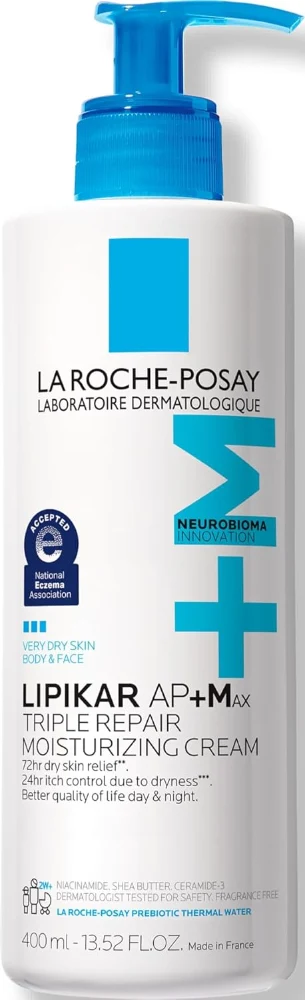
La Roche-Posay Lipikar AP+MAX Triple Repair Moisturizing Body Cream

Product image

Research pick

La Roche-Posay Lipikar AP+MAX Triple Repair Moisturizing Body Cream

Best fit: Very dry, itchy body skin in winter.

Why compare: A rich body cream made for very dry, rough skin on legs and arms.

Watch: Richer than a lotion; best right after a shower.

View on Amazon
My mom puts Cicaplast Balm B5+ almost everywhere, and if her skin still feels dry, she adds a little coconut oil on top. Her feet and elbows get extra cream again and again through the day.

The ILLIYOON Ceramide Ato Concentrate Cream above also works on the body; its big tube makes it practical for legs and arms.

Best Hand Cream for Winter

Hands get washed many times a day, so they lose moisture faster than any other skin. The trick isn’t only a richer cream; it’s putting it on after every wash and wearing gloves outside.

O'Keeffe's Working Hands hand cream tube

Product image

Personally used

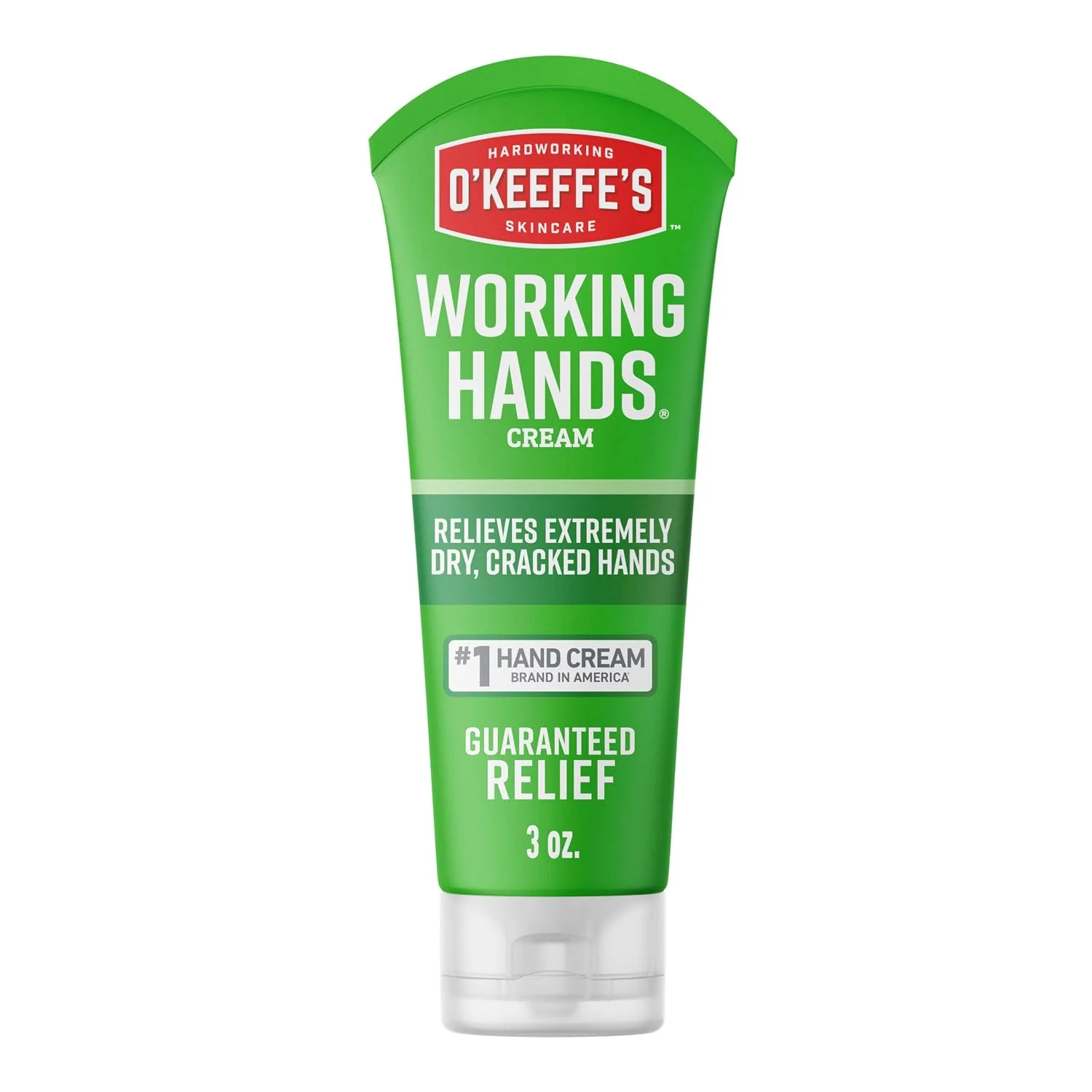
O'Keeffe's Working Hands Hand Cream

Best fit: Very dry or cracked hands.

My experience: My main hand cream in winter.

Watch: Made for extremely dry hands. Reapply after washing.

View on Amazon
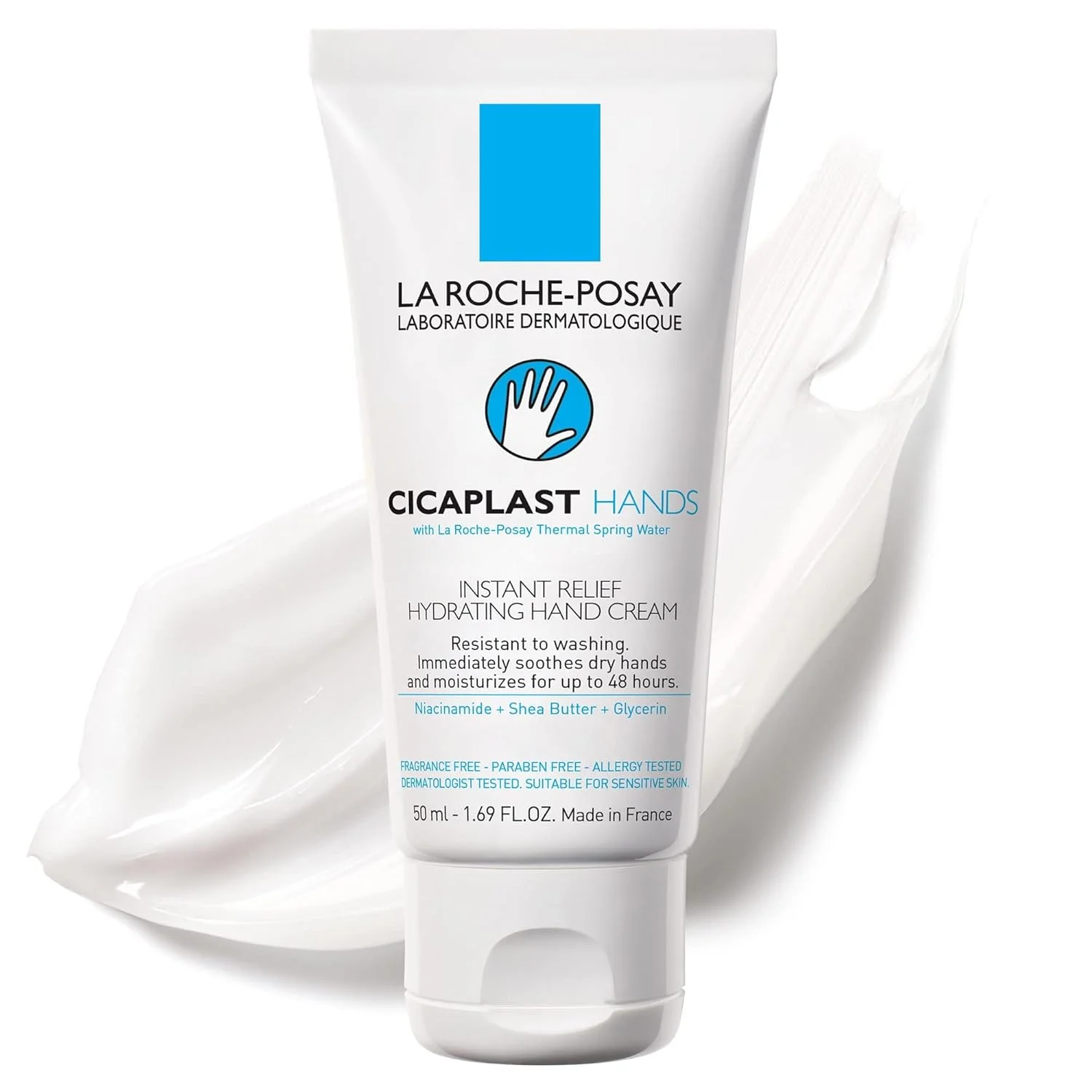
La Roche-Posay Cicaplast Hand Cream tube

Product image

Personally used

La Roche-Posay Cicaplast Hand Cream

Best fit: Dry, rough hands that get washed a lot.

My experience: I keep it by the sink in winter and put it on after every wash. It has panthenol (B5) and sinks in fast.

Watch: Lighter than O’Keeffe’s; for cracks, add an ointment at night.

View on Amazon
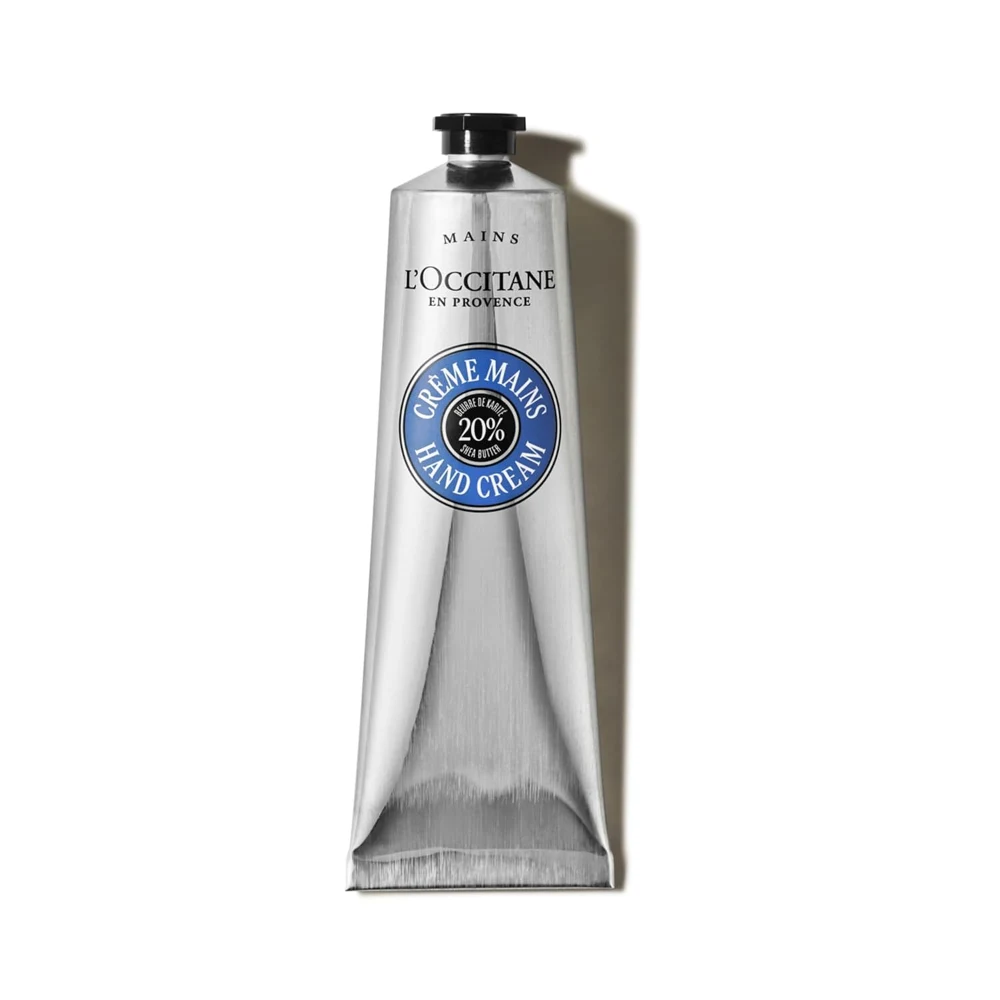
L'Occitane Shea Butter Hand Cream tube, 5.1 fl oz

Product image

Research pick

L'Occitane Shea Butter Hand Cream

Best fit: Dry hands that want a rich, comforting cream.

Why compare: Made with 20% shea butter, a classic for winter hands, and a lovely one to keep in your bag.

Watch: Lightly scented; choose a fragrance-free cream if your hands are cracked or sensitive.

View on Amazon
For cracked knuckles and fingertips at night, a thin layer of an ointment like Aquaphor Healing Ointment works well under cotton gloves. For lips, my mom swears by plain petroleum jelly. For cracked lips and other winter problems, see Winter Beauty Problems.

How To Moisturize Dry Skin in Winter So It Actually Lasts

  1. Keep showers to 5 to 10 minutes, in warm water, not hot.
  2. Pat skin dry and put moisturizer on within a few minutes, while skin is still slightly damp.
  3. Use enough to cover the area in a thin, even layer; on very dry skin, a second layer is fine.
  4. Reapply on the face and hands whenever skin feels tight, not only at bedtime.
  5. At night, add a thin layer of balm on the driest spots.
  6. Keep sunscreen in the morning; winter sun and snow still reflect UV.
  7. Run a humidifier in the bedroom if the heating is strong.

Using a retinoid this winter? If the flaking comes from your retinol or tretinoin, see my guide to tretinoin and retinol peeling.

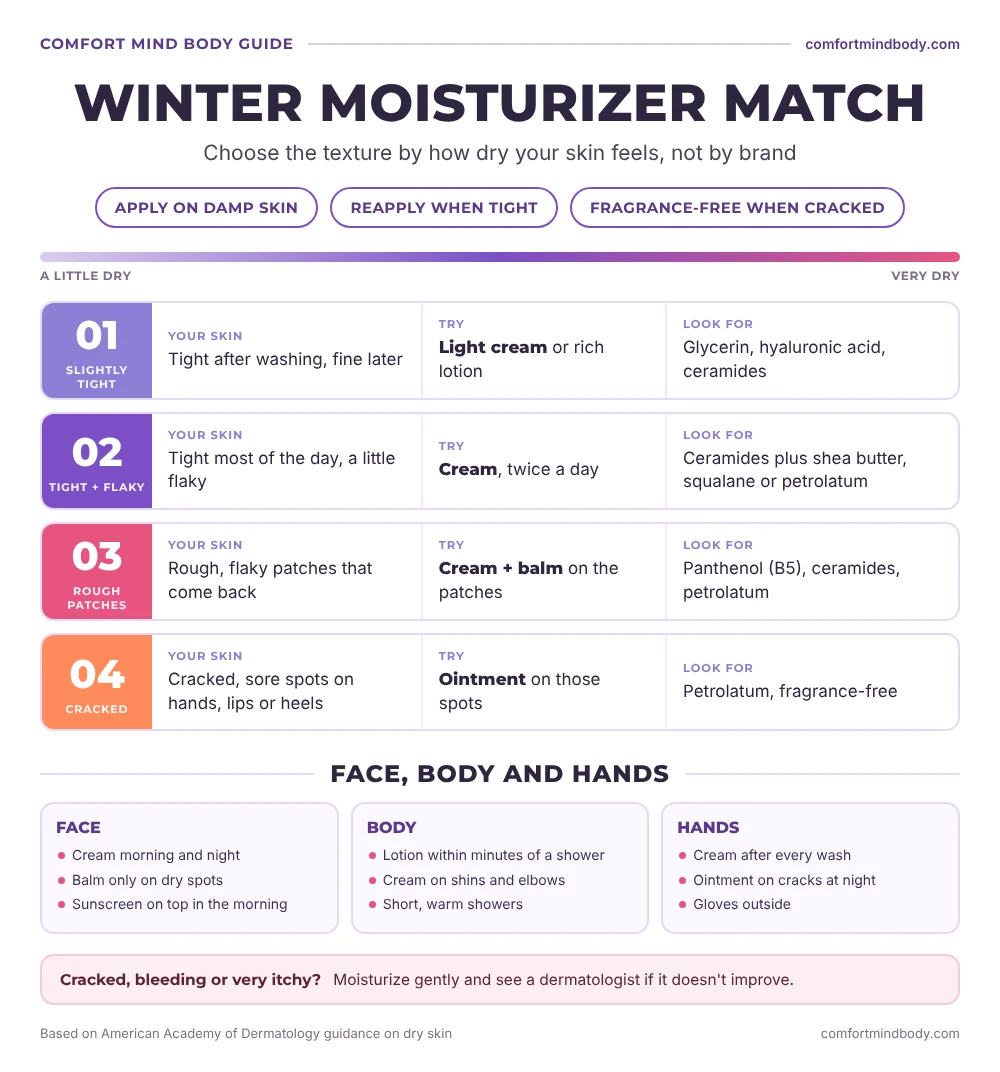
Winter Moisturizer Match infographic: four levels of dry skin from slightly tight to cracked, with the texture and ingredients to try for each, plus face, body and hand tips
Save it: the winter moisturizer match
Read the infographic text

Winter Moisturizer Match: choose the texture by how dry your skin feels, not by brand. Apply on damp skin, reapply when tight, and stay fragrance-free when skin is cracked.

01 Slightly tight: tight after washing, fine later. Try a light cream or rich lotion with glycerin, hyaluronic acid and ceramides. 02 Tight and flaky: tight most of the day, a little flaky. Try a cream twice a day with ceramides plus shea butter, squalane or petrolatum. 03 Rough patches: rough, flaky patches that come back. Try a cream plus a balm on the patches, with panthenol (B5), ceramides or petrolatum. 04 Cracked: cracked, sore spots on hands, lips or heels. Try an ointment on those spots: petrolatum, fragrance-free.

Face: cream morning and night, balm only on dry spots, sunscreen on top in the morning. Body: lotion within minutes of a shower, cream on shins and elbows, short warm showers. Hands: cream after every wash, ointment on cracks at night, gloves outside.

Cracked, bleeding or very itchy? Moisturize gently and see a dermatologist if it doesn’t improve.


Winter Moisturizer Mistakes That Keep Skin Dry

  • Switching to a heavier cream but still taking long, hot showers
    Hot water strips the oils your cream is trying to protect.
    Better move: Keep showers short and warm, and moisturize right after.
  • Using only a serum or gel
    Humectants alone can’t hold water in dry winter air.
    Better move: Put a cream on top to seal it in.
  • Scrubbing off flakes
    Scrubs and peels irritate skin that is already dry.
    Better move: Moisturize for a few days first; flakes usually soften on their own.
  • Adding fragrance or essential oils to cracked skin
    Fragrance is a common irritant on a damaged barrier.
    Better move: Stay fragrance-free until skin heals.
  • Moisturizing once a day only
    Dry winter air pulls moisture out all day.
    Better move: Reapply on hands and face whenever they feel tight.

Frequently Asked Questions

What is the best moisturizer for very dry skin in winter?

A fragrance-free cream with ceramides and an occlusive such as petrolatum or shea butter, plus a balm on the driest patches at night. Very dry skin often needs reapplying during the day too.

Should I use a different moisturizer in winter?

Often, yes. Many people need a richer texture in winter than in summer. Oily skin may only need to add a balm to dry spots rather than switch completely.

Is a lotion or a cream better for winter?

A cream is usually better for dry winter skin, because it holds more oil and seals water in. Lotions work well for large body areas and for oily skin.

How often should I moisturize in winter?

At least twice a day on the face, after every shower and hand wash, and again whenever skin feels tight.

Can oily or acne-prone skin get dry in winter?

Yes. Use a light, non-comedogenic ceramide moisturizer and put a thin balm only on dry patches. See my guide to the best moisturizer for acne-prone skin.

Is petroleum jelly good for dry winter skin?

It’s one of the strongest seals and works well on lips, hands, heels and cracked spots. On the face, a very thin layer at night is enough; it can feel heavy on oily skin.

Do I still need sunscreen in winter?

Yes. UV reaches skin on cloudy days, and snow reflects it. Put your moisturizer on first, then sunscreen in the morning.

Why is my skin still dry even with moisturizer?

Common causes are hot showers, harsh cleansers, too little product, or a texture that’s too light. If dryness cracks, bleeds or itches badly, see a dermatologist; it can be eczema or another condition.

Final Thoughts: Moisturize for How Dry You Get

The best moisturizer for dry skin in winter is the one that matches how dry your skin really is, and that you put on often enough. Start with a fragrance-free cream, add balm where the patches are, take shorter showers, and keep a hand cream by every sink.

My mom and I use completely different amounts of cream all winter, and both of our routines work. Yours will too, once the texture fits.

Stay soft and warm until spring,

Anna

Sushi the tabby cat curled up in her fluffy gray bed by a sunny window
Sushi’s winter moisturizer: a fluffy bed by the window
P.S. from Sushi: My fur never gets dry in winter. My secret is twelve hours of sleep in the softest bed in the house. Mom says that’s not a skincare tip. I disagree.

Safety Notes

Safety Notes

  • This guide is educational and not a substitute for medical advice.
  • Patch test a new moisturizer on a small area for a few days, especially on sensitive or eczema-prone skin.
  • See a dermatologist if skin cracks, bleeds, is very itchy, keeps you awake, or doesn’t improve with regular moisturizing.
  • Stop a product that burns, stings badly, or causes a rash or swelling.
  • Babies, children and anyone with a diagnosed skin condition should follow their doctor’s advice on moisturizers.

Helpful Resources

Scroll to Top