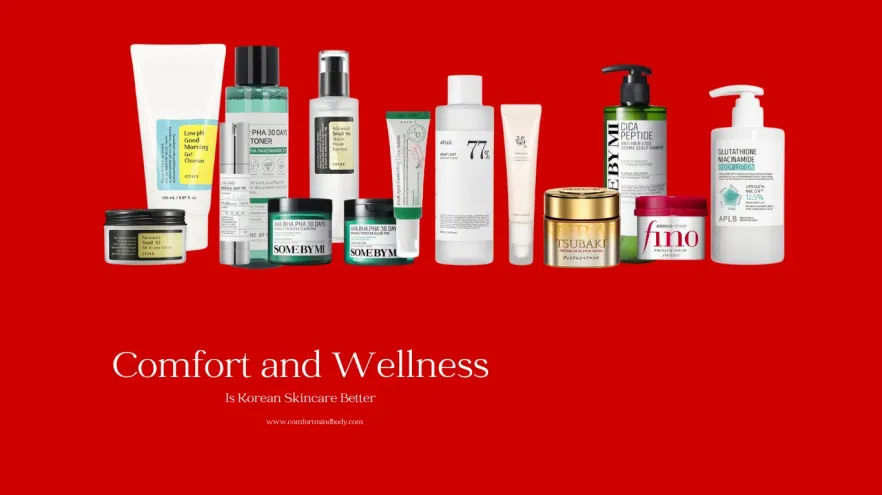
Korean skincare is often praised for glowing skin, hydrating layers, soft textures, elegant sunscreens, and routines that feel gentle instead of aggressive. Western skincare has a different reputation: targeted actives, retinoids, acne treatments, exfoliating acids, dermatologist-guided care, and simplified routines.
So, is Korean skincare better than Western skincare? Not automatically. Korean skincare and Western skincare are not two teams fighting for one winner. They are different approaches to skin care, and each one can be useful depending on the skin concern, sensitivity level, budget, climate, product tolerance, and how much of a routine feels realistic long term.
Korean skincare often works well when the goal is hydration, barrier comfort, sunscreen consistency, soothing layers, and healthy-looking glow. Western skincare often works well when the goal is acne treatment, retinoids, dark spot care, exfoliation, prescriptions, or a dermatologist-guided plan.
The strongest routine is often not fully Korean or fully Western. For many readers, it is a careful mix: Korean-style hydration and barrier support, Western-style active ingredients when needed, and sunscreen every morning.
Anna’s note: I would not treat Korean skincare like magic or Western skincare like harsh medicine. Both can help. Both can irritate skin when the wrong products are used too often. The real goal is not choosing a side. The real goal is building a routine the skin can tolerate and repeat.
Quick Navigation
ToggleQuick Answer: Is Korean Skincare Better Than Western Skincare?
Quick answer
No, Korean skincare is not automatically better than Western skincare. Korean skincare often emphasizes hydration, barrier support, prevention, gentle layering, cosmetic elegance, and daily sunscreen habits. Western skincare often emphasizes targeted treatments, acne care, retinoids, exfoliating acids, prescriptions, and dermatologist-guided routines.
The better choice depends on what the skin needs most right now: comfort and consistency, targeted treatment, or a careful mix of both.
If skin feels dry, tight, dull, dehydrated-looking, or barrier-stressed, a Korean-inspired routine may feel easier to tolerate because it often focuses on hydration and comfort. If the main concern is persistent acne, scarring, melasma, rosacea, eczema-like irritation, advanced sun damage, or a medical skin condition, Western dermatologist-guided care may be the smarter starting point.
For a deeper look at the Korean skincare philosophy, read why Korean skincare is known for healthy-looking skin. For a basic routine foundation before adding trends or actives, see this step-by-step skincare routine guide.
What Counts As Korean Skincare And Western Skincare?
Korean skincare usually refers to K-beauty products and routine habits shaped by Korean beauty culture. This often includes hydrating toners, essences, ampoules, sheet masks, sleeping masks, cushiony moisturizers, lightweight sunscreens, and ingredients such as centella, snail mucin, rice, ginseng, green tea, heartleaf, propolis, peptides, and newer trends like PDRN or spicules.
Western skincare is a broader label. It can include U.S. and European pharmacy brands, dermatologist-recommended brands, clinical skincare, drugstore skincare, prestige skincare, prescription treatments, and active-led routines. This side is often associated with retinoids, benzoyl peroxide, salicylic acid, glycolic acid, azelaic acid, vitamin C, ceramides, petrolatum, mineral sunscreens, and professional treatment plans.
These categories overlap more than people think. Korean brands now make retinoids, exfoliating acids, vitamin C serums, and barrier creams. Western brands now make gentle hydrating serums, milky toners, barrier-repair products, and sensitive-skin formulas. The label matters less than the formula, the ingredient list, and how the skin responds.
What About Indian, African, And Latin American Skincare Traditions?
Korean skincare is often compared with Western skincare, but it is not the only beauty philosophy worth learning from. Indian, African, Latin American, Japanese, Middle Eastern, French, and other skincare traditions all include useful ideas.
The important point is not which culture is best. The useful question is which habits, ingredients, textures, and safety practices support the skin well.
Indian Skincare Traditions
Indian skincare traditions are commonly associated with ingredients such as turmeric, sandalwood, neem, aloe, oils, and herbal blends. Modern Indian skincare also includes dermatologist-led brands, sunscreen education, acne care, pigmentation support, and climate-aware routines.
These ingredients and habits may be useful in some routines, but they still need the same caution as any skincare ingredient. Natural does not automatically mean gentle, and DIY mixes can irritate or stain skin.
African Skincare Traditions
African skincare traditions are very diverse because Africa includes many climates, skin tones, local ingredients, and beauty histories. Shea butter, African black soap, baobab oil, marula oil, moringa, and aloe are often discussed in African-inspired skincare.
Modern African and African diaspora beauty brands also focus on melanin-rich skin, hyperpigmentation, dryness, sunscreen, and barrier support. The formula still matters more than the origin story.
Latin American Skincare Traditions
Latin American skincare is also diverse, with routines shaped by climate, sun exposure, botanicals, body care traditions, pharmacy products, dermatologist access, and concerns such as pigmentation or sun damage.
Ingredients such as aloe, oils, clay, botanical extracts, and exfoliating treatments may appear in different traditions, but they still need thoughtful use.
The Main Lesson
Korean skincare can teach readers about hydration, barrier support, sunscreen consistency, and enjoyable textures. Western skincare can teach readers about targeted actives and dermatologist-guided treatment.
Indian, African, and Latin American skincare traditions can remind readers that cultural beauty rituals, plant oils, butters, and herbs may have value too, but they should still be used with patch testing, realistic expectations, and care.
Korean Skincare Vs Western Skincare At A Glance
Swipe left or right to view the full table on mobile.
| Category | Korean Skincare Often Emphasizes | Western Skincare Often Emphasizes | Best Takeaway |
|---|---|---|---|
| Routine style | Layering, hydration, essences, ampoules, toners, masks, and gradual care. | Fewer steps, targeted treatments, active ingredients, and direct problem-solving. | More steps are optional, not required. |
| Main goal | Hydration, glow, barrier comfort, sunscreen consistency, and prevention. | Acne, wrinkles, pigmentation, exfoliation, prescriptions, and visible correction. | Choose by skin concern, not by trend. |
| Common ingredients | Centella, snail mucin, rice, ginseng, green tea, heartleaf, propolis, ferments, peptides, and PDRN trends. | Retinoids, benzoyl peroxide, salicylic acid, glycolic acid, azelaic acid, vitamin C, ceramides, petrolatum, and niacinamide. | Ingredients matter more than country. |
| Texture | Watery, gel-like, cushiony, lightweight, and layerable. | Creams, gels, treatment serums, ointments, medicated formulas, and pharmacy-style products. | Texture affects consistency. |
| Sunscreen | Often loved for lightweight daily textures that sit well under skincare or makeup. | Often includes mineral, sport, water-resistant, sensitive-skin, and drugstore options. | The best sunscreen is one used consistently. |
| Best fit | Readers who want hydration, glow, barrier support, soothing layers, and enjoyable daily care. | Readers who want targeted acne, aging, dark spot, or dermatologist-guided treatment support. | Many routines can borrow from both. |
| Main risk | Buying too many layers, chasing trends, or assuming gentle means irritation-proof. | Overusing strong actives or treating every concern aggressively. | Simple usually wins first. |
The Best Choice By Skin Goal
For readers who want the shortest practical answer, this is the easiest way to think about it:
- For hydration and glow: Korean skincare may be easier to start with.
- For acne treatment: Western skincare or dermatologist-guided care may be more direct.
- For sensitive or barrier-stressed skin: a simple mix may work best: gentle cleanser, soothing hydration, barrier moisturizer, and sunscreen.
- For aging support: Western retinoids and sunscreen can pair well with Korean-style hydration and barrier support.
- For dark spots: sunscreen matters first, then one targeted ingredient at a time.
- For beginners: start with cleanser, moisturizer, sunscreen, and only one extra treatment if needed.

The Real Difference Is Philosophy, Not Superiority
Korean skincare and Western skincare are often presented as opposites, but the real difference is philosophy. Korean skincare is commonly built around comfort, hydration, prevention, barrier support, and long-term consistency. Western skincare is commonly built around identifying a specific concern and treating it more directly with an active ingredient, prescription, or professional plan.
That does not mean Korean skincare is weak, and it does not mean Western skincare is harsh. Korean brands now make products with retinal, vitamin C, exfoliating acids, peptides, and barrier-support ingredients. Western brands also make gentle moisturizers, hydrating serums, mineral sunscreens, and fragrance-free formulas for sensitive skin.
The label matters less than the formula. A Korean toner can irritate reactive skin if it contains fragrance, acids, or too many plant extracts. A Western retinoid can be helpful when it is introduced slowly with moisturizer and sunscreen. A simple routine from either side can be better than a complicated routine the skin cannot tolerate.
Myth 1: Korean Skincare Is Always Gentler
Korean skincare is often associated with soothing ingredients, soft textures, and gentle layers. Many products do fit that style. Still, Korean skincare is not automatically gentle for every face.
A product can be Korean, beautifully packaged, and popular online while still causing stinging, clogged pores, redness, bumps, itching, or irritation. Some formulas include fragrance, essential oils, exfoliating acids, retinoids, many plant extracts, spicules, or strong toner pads. These ingredients are not bad by default, but they may be too much for sensitive, acne-prone, rosacea-prone, or barrier-damaged skin.
Gentle marketing does not guarantee gentle results. If skin feels hot, itchy, swollen, bumpy, or increasingly tight after a new product, the routine may need to be simplified. For extra help, read how to protect the skin barrier.
Myth 2: Western Skincare Is Always Harsh
Western skincare is sometimes described as aggressive because it is known for actives such as retinoids, benzoyl peroxide, salicylic acid, glycolic acid, azelaic acid, and prescription treatments. These ingredients can irritate skin when they are overused, but that does not make all Western skincare harsh.
Many Western-style brands focus on gentle, fragrance-free, barrier-supporting formulas. Examples readers may recognize include CeraVe, Vanicream, La Roche-Posay, Avène, Eucerin, Cetaphil, and Paula’s Choice. These products are not automatically better than Korean skincare, but they show that Western skincare can also be gentle, practical, and supportive.
The problem is usually not Western skincare itself. The problem is often using too many strong products at once: a retinoid, exfoliating acid, vitamin C serum, acne wash, toner pad, and spot treatment in the same routine or same week. For more guidance, see skincare products that should not be mixed too quickly.
Myth 3: More Korean Skincare Steps Mean Better Skin
A long Korean skincare routine can feel relaxing and intentional, but more steps do not automatically mean better skin. A 10-step routine may work for some people, but many readers do better with three to five clear steps.
A useful Korean-inspired routine might include cleanser, hydrating toner or essence, moisturizer, and sunscreen in the morning. At night, the routine might include cleanser, one treatment if needed, and moisturizer. Masks, ampoules, toner pads, sleeping packs, and face oils can be optional rather than required.
More layers can also create problems. Skin may pill, feel sticky, clog more easily, or react to too many new ingredients. Every step should have a reason. For a full routine breakdown, see this K-beauty skincare routine steps guide.
Myth 4: Korean Skincare Is More Natural And Therefore Safer
Natural does not automatically mean safer, and synthetic does not automatically mean bad. Skin does not judge ingredients by marketing language. It responds to the full formula, concentration, texture, fragrance, preservatives, pH, and personal tolerance.
Korean skincare often uses ingredients that sound soft and botanical, such as centella, rice, green tea, ginseng, snail mucin, heartleaf, mugwort, birch juice, propolis, and fermented extracts. Many readers enjoy these ingredients, and some can support hydration, comfort, and a healthy-looking glow.
Still, any ingredient can irritate the wrong skin at the wrong time. A “natural” extract can trigger redness. A rich oil can clog some acne-prone routines. A DIY mask can stain, burn, or disrupt the barrier if it is too strong or poorly mixed.
Western skincare often uses ingredients that sound more clinical, such as adapalene, benzoyl peroxide, azelaic acid, glycolic acid, niacinamide, vitamin C, ceramides, petrolatum, and urea. These names may sound less romantic, but many of them can be very useful when they are matched to the right skin concern.
Official note
In the United States, the FDA regulates cosmetics, but most cosmetic products are not FDA-approved before they are sold. This is one reason skincare claims should be read carefully, especially when a product sounds like it can treat, cure, or repair everything.
Myth 5: Western Skincare Is Always Better For Acne And Aging
Western skincare has strong options for acne and aging because of ingredients such as retinoids, benzoyl peroxide, salicylic acid, azelaic acid, glycolic acid, vitamin C, and prescription treatments. These can be helpful when the routine is chosen carefully and introduced at a pace the skin can tolerate.
That does not mean Korean skincare has no place in acne or aging routines. A soothing toner, centella serum, lightweight gel moisturizer, barrier cream, or comfortable sunscreen can make a treatment routine easier to repeat. For example, a Western retinoid may be more tolerable when the rest of the routine is gentle, hydrating, and barrier-supporting.
The better answer is usually not Korean or Western. It may be Western active plus Korean-style comfort. Strong treatment without barrier support can make skin angry, while hydration without a targeted active may not be enough for persistent acne, deep wrinkles, or stubborn pigmentation.
Korean Skincare Ingredients Vs Western Skincare Ingredients
Korean skincare and Western skincare often use many of the same ingredient families, but they may package them differently. K-beauty often makes ingredients feel softer and more layerable through toners, essences, ampoules, gel creams, and watery sunscreens.
Western skincare often uses more direct formats, such as treatment serums, medicated washes, prescription creams, exfoliating liquids, ointments, and pharmacy-style moisturizers. Neither format is automatically better. The best choice depends on the skin goal and how the product is used.
Swipe left or right to view the full table on mobile.
| Skin Goal | Often Seen In K-Beauty | Often Seen In Western Skincare | Reality Check |
|---|---|---|---|
| Hydration | Hyaluronic acid, glycerin, beta-glucan, panthenol, birch juice, rice water. | Glycerin, hyaluronic acid, urea, panthenol, thermal water. | Both sides can support hydration well. |
| Barrier support | Ceramides, centella, heartleaf, snail mucin, cica creams. | Ceramides, cholesterol, fatty acids, petrolatum, dimethicone, squalane. | Texture and tolerance matter more than label. |
| Acne | Centella, heartleaf, tea tree, gentle exfoliating toners, soothing gel creams. | Benzoyl peroxide, adapalene, salicylic acid, azelaic acid, prescription treatments. | Persistent acne may need proven treatment or a dermatologist. |
| Aging support | Peptides, ginseng, rice, ferments, retinal, PDRN trends, sunscreen. | Retinoids, vitamin C, peptides, exfoliating acids, sunscreen. | Sunscreen and consistency matter more than trends. |
| Dark spots | Niacinamide, tranexamic acid, rice, vitamin C, sunscreen. | Vitamin C, niacinamide, azelaic acid, retinoids, tranexamic acid, sunscreen. | Dark spots need sunscreen support every day. |
| Trends | PDRN, exosomes, spicules, reedle products, toner pads, milky toners. | Retinoid upgrades, peptide formulas, barrier creams, clinical serums. | Trends are optional after basics are stable. |
Product Examples: Korean Skincare Vs Western Skincare
This section is not meant to be a full product roundup. It is a practical comparison of product types readers may see when choosing between Korean skincare and Western skincare.
The best product is not always the most viral one. A product should match the skin goal, fit comfortably into the routine, and avoid adding unnecessary irritation. Formulas, labels, and availability can change, so the current ingredient list should always be checked before buying.
Swipe left or right to view the full table on mobile.
| Skin Goal | Korean-Style Examples | Western-Style Examples | Best Use |
|---|---|---|---|
| Hydration | Torriden DIVE-IN Serum, COSRX Advanced Snail 96 Mucin Power Essence, ANUA Rice 70 Glow Milky Toner. | La Roche-Posay Hyalu B5, The Ordinary Hyaluronic Acid, CeraVe Hydrating Serum. | Add before moisturizer when skin feels tight or dehydrated-looking. |
| Barrier comfort | ILLIYOON Ceramide Ato Concentrate Cream, AESTURA ATOBARRIER365 Cream, SKIN1004 Centella Ampoule. | CeraVe Moisturizing Cream, Vanicream Moisturizing Cream, La Roche-Posay Cicaplast Balm B5. | Use when skin feels dry, tight, over-treated, or stressed. |
| Acne-prone skin | ANUA Heartleaf 77 Soothing Toner, COSRX BHA Blackhead Power Liquid, Beauty of Joseon Red Bean Water Gel. | Differin Adapalene Gel, PanOxyl Benzoyl Peroxide Wash, Paula’s Choice 2% BHA Liquid. | Use one acne active at a time and keep moisturizer consistent. |
| Glow and dullness | Goodal Green Tangerine Vita C Sun Serum, rice toners, ginseng formulas, milky toners. | Vitamin C serums, azelaic acid, niacinamide serums, gentle exfoliating acids. | Start slowly and avoid adding too many brightening products together. |
| Night comfort | Laneige Water Sleeping Mask, barrier creams, soothing ampoules. | Vanicream, CeraVe Healing Ointment, Aquaphor, fragrance-free night creams. | Use as comfort support, not as a replacement for treatment when treatment is needed. |
Product note: Product examples are for education and comparison only. Skin that is acne-prone, sensitive, allergic, pregnant, nursing, or using prescription skincare may need extra caution. For more Korean product ideas, see this guide to Korean skincare products by routine step.
Which Style Fits Which Skin Type?
Most readers do not need to choose one skincare style forever. The better question is which approach solves the current skin concern without making the routine harder to maintain.
Korean skincare may be helpful when the skin needs comfort, hydration, and routine consistency. Western skincare may be helpful when the skin needs a stronger treatment direction. A mix can work well when the routine stays simple and each product has a clear job.
Swipe left or right to view the full table on mobile.
| Skin Type Or Concern | Korean Skincare May Help With | Western Skincare May Help With | Smart Mix |
|---|---|---|---|
| Dry skin | Hydrating toners, essences, sleeping masks, cushiony creams. | Ceramide creams, ointments, urea, petrolatum, fragrance-free moisturizers. | Hydrating layer plus stronger barrier cream. |
| Oily skin | Light gel creams, watery toners, and comfortable sunscreen textures. | Salicylic acid, adapalene, benzoyl peroxide, or oil-control formulas when needed. | Light hydration plus one targeted acne or pore active. |
| Acne-prone skin | Soothing support, lightweight moisturizers, calming toners. | Evidence-backed acne ingredients and prescriptions. | Treatment first, comfort support around it. |
| Sensitive skin | Centella, panthenol, barrier creams, and gentle hydration. | Fragrance-free moisturizers, mineral sunscreens, and simple pharmacy formulas. | Fewer steps, fragrance-free choices, and slow testing. |
| Aging support | Hydration, peptides, ginseng, sunscreen comfort, and barrier support. | Retinoids, vitamin C, sunscreen, and dermatologist-guided treatments. | Retinoid plus Korean-style hydration and sunscreen. |
| Dark spots | Niacinamide, tranexamic acid, rice, vitamin C, and elegant sunscreen textures. | Azelaic acid, retinoids, vitamin C, prescriptions, and sunscreen. | Daily sunscreen plus one brightening active at a time. |
Can You Mix Korean And Western Skincare?
Yes. For many readers, mixing Korean and Western skincare is more practical than choosing one side completely. Korean skincare can make a routine feel more comfortable and consistent, while Western skincare can bring targeted ingredients when a specific concern needs more than hydration.
The key is not to mix everything at once. Add one new product at a time, keep the basic routine stable, and watch how the skin responds. If the skin becomes irritated, pause the extras and return to cleanser, moisturizer, and sunscreen.
Simple Morning Routine
- Gentle cleanser, or a water rinse if the skin does not need a full cleanse.
- Korean-style hydrating toner, essence, or serum if the skin feels tight.
- Lightweight moisturizer or barrier cream.
- Broad-spectrum sunscreen.
Simple Night Routine With A Western Active
- Gentle cleanser.
- Moisturizer.
- Retinoid, adapalene, azelaic acid, or acne treatment if tolerated.
- Extra barrier cream on dry areas if needed.
Barrier Recovery Routine
- Gentle cleanser.
- Soothing toner or serum if it does not sting.
- Barrier moisturizer.
- No exfoliating acids, retinoids, spicules, or strong toner pads until the skin feels calm again.
Sushi note: A routine does not need to perform tricks to be useful. If it can sit, stay, and repeat without drama, it is already doing something right.
What Not To Mix Too Quickly
Most routine problems happen when too many helpful products are used together too soon. Korean skincare and Western skincare can work well together, but strong actives and trend products need space.
The safest approach is to keep one main treatment at a time. A routine can still feel complete without stacking every active, toner pad, serum, and mask in the same week.
- Do not start retinoids and exfoliating acids at the same time.
- Do not use benzoyl peroxide with several other drying products without a plan.
- Do not combine acid toner pads, retinol, and spicule products in the same routine when starting.
- Do not add multiple brightening products at once if the skin is sensitive.
- Do not assume tingling, burning, or peeling means a product is working well.
- Do not introduce several new Korean layers in one week.
If the routine includes retinoids, acids, benzoyl peroxide, vitamin C, or spicule products, slower is usually safer. Skin can benefit more from one consistent active than five products used inconsistently.
2026 Trends: What Is Useful And What Is Hype?
Korean skincare trends move quickly, and Western skincare trends do too. Some trends are useful because they make good habits easier. Others are optional extras that should wait until the basic routine is stable.
The strongest 2026 direction is not buying more products. It is building routines that protect the barrier, support sunscreen use, and avoid overwhelming the skin with too many actives at once.
Proven Basics Worth Keeping
- Gentle cleansing.
- Daily sunscreen.
- Moisturizer that fits the skin type.
- Barrier support when the skin feels dry, tight, or irritated.
- Retinoids when appropriate and tolerated.
- Acne treatments when acne is persistent.
- Consistency over product overload.
Trends To Treat As Optional
- PDRN: A popular Korean skincare and aesthetic trend. Treat topical PDRN as an optional trend ingredient, not a miracle repair step.
- Exosomes: A high-interest trend, especially in aesthetic spaces. Claims should be read carefully.
- Spicules and reedle products: Viral texture-focused products that may irritate sensitive or barrier-damaged skin.
- Toner pads: Convenient, but acid pads can be easy to overuse.
- Milky rice toners: Useful for soft hydration and glow, but still optional.
- Glass skin: A pretty goal, but not a medical standard and not always realistic for every skin type.
- Slow-aging routines: A more useful trend because it focuses on sunscreen, hydration, barrier care, and consistency.
Trends should be treated as add-ons after the basic routine works. A cleanser, moisturizer, sunscreen, and one targeted treatment can do more for the skin than a shelf full of viral products.
When Korean Skincare May Be The Better Fit
Korean skincare may be the better fit when the main goal is comfort, hydration, glow, and routine consistency. It may be especially helpful when the skin feels tight after cleansing, dull from dehydration, or uncomfortable from using too many strong actives.
Readers may prefer Korean skincare if they enjoy lightweight textures, hydrating layers, soothing ingredients, and sunscreens that feel easier to wear daily. Korean skincare may also help when the routine feels too harsh and the skin needs a softer reset.
Good signs Korean skincare may fit:
- Skin feels tight, dry, or dehydrated-looking.
- Sunscreen is hard to wear because many formulas feel heavy.
- The current routine feels too aggressive.
- The skin barrier needs comfort and consistency.
- The goal is prevention, glow, and daily maintenance.
When Western Skincare May Be The Better Fit
Western skincare may be the better fit when the main concern needs a targeted active or a professional plan. This is especially true for persistent acne, deep cystic breakouts, scarring, stubborn dark spots, melasma, rosacea-like redness, eczema-like irritation, or advanced sun damage.
Western skincare can also be a better fit for readers who want fewer steps. A simple routine with cleanser, moisturizer, sunscreen, and one active can be more realistic than a long layered routine.
Good signs Western skincare may fit:
- Acne keeps returning or is leaving scars.
- Dark spots are stubborn or worsening.
- Retinoids, azelaic acid, benzoyl peroxide, or prescriptions may be needed.
- Skin reacts badly to many plant extracts or fragrance-heavy products.
- A short routine is easier to repeat.
- A dermatologist has recommended a treatment plan.
Free Skincare Checklist
Mix Korean And Western Skincare Safely
Download the Korean Vs Western Skincare Routine Mixer Checklist to choose one skin goal, audit the current routine, pick one support step, and avoid adding too many actives at once.
Educational only. Not medical advice. Ask a qualified professional for severe, ongoing, or unusual skin concerns.
When To Ask A Dermatologist
Skincare can support the skin, but some concerns need professional help. A dermatologist or qualified healthcare professional can help when symptoms are painful, persistent, spreading, or not improving with a simple routine.
This matters whether the routine is Korean, Western, or a mix of both. A product routine should not replace medical care when the skin is inflamed, infected-looking, severely irritated, or changing in an unusual way.
Ask for professional guidance for:
- Deep, painful, or cystic acne.
- Acne that is causing scars or dark marks.
- Burning, swelling, blistering, hives, or a spreading rash.
- Skin that reacts badly to nearly every product.
- Rosacea, eczema, psoriasis-like symptoms, or ongoing redness.
- Sudden or changing pigmentation.
- Severe dryness, cracking, or bleeding.
- Pregnancy, nursing, prescription skincare use, or medical conditions that affect ingredient choices.
Free Printable: Korean Vs Western Skincare Routine Mixer Checklist
A printable checklist is useful for this topic because the goal is not choosing one side. The goal is helping readers combine Korean-style comfort with Western-style actives without overloading the skin.
The checklist can help readers slow down, choose one clear skin goal, and avoid adding too many products at once. It can also make the article more useful after readers leave the page.
The checklist can include:
- The main skin goal.
- The current routine count.
- One Korean-style support step to consider.
- One Western-style active to use carefully.
- Products to pause if skin feels irritated.
- A sunscreen reminder.
- A 7-day tracker for adding only one new product at a time.
- Signs that it may be time to ask a professional.
FAQ: Korean Skincare Vs Western Skincare
Is Korean skincare better than Western skincare?
Is Korean skincare better for sensitive skin?
Is Korean skincare better for acne?
Is Western skincare better for aging?
Can Korean skincare be used with retinol?
Can Korean skincare be used with benzoyl peroxide?
Are Korean sunscreens better than Western sunscreens?
Is glass skin realistic?
Are PDRN, exosomes, and spicules necessary?
Should readers switch their whole routine to Korean skincare?
Safety Notes
- This article is educational and is not medical advice.
- Patch testing is useful when trying new skincare, especially for sensitive or reactive skin.
- Introduce one new product at a time so irritation triggers are easier to identify.
- Retinoids, exfoliating acids, benzoyl peroxide, vitamin C, spicules, and strong toner pads may irritate skin when used too often or combined too quickly.
- Sunscreen should be used consistently when using retinoids, exfoliating acids, brightening products, or acne treatments that may increase sun sensitivity.
- Pregnant or nursing readers, people using prescription skincare, and anyone with a medical skin condition should ask a qualified professional before using strong actives.
Helpful Resources
Final Thoughts
Korean skincare and Western skincare are not enemies. Korean skincare can make daily care feel more comfortable, hydrating, and consistent. Western skincare can bring targeted actives, prescriptions, and dermatologist-guided problem-solving when skin needs more than glow.
The best routine is not the one with the most steps or the strongest ingredients. It is the routine that fits the skin, solves the real concern, avoids unnecessary irritation, and feels repeatable.
For many readers, that means borrowing the best from both worlds: Korean-style hydration and barrier support, Western-style actives when needed, and sunscreen every morning.
Affiliate Disclosure
This article may contain affiliate links. If readers buy through these links, Comfort Mind Body may earn a small commission at no extra cost. Product mentions are for education and comparison only. Always check the current product label and choose based on skin needs, tolerance, and professional guidance when needed.

