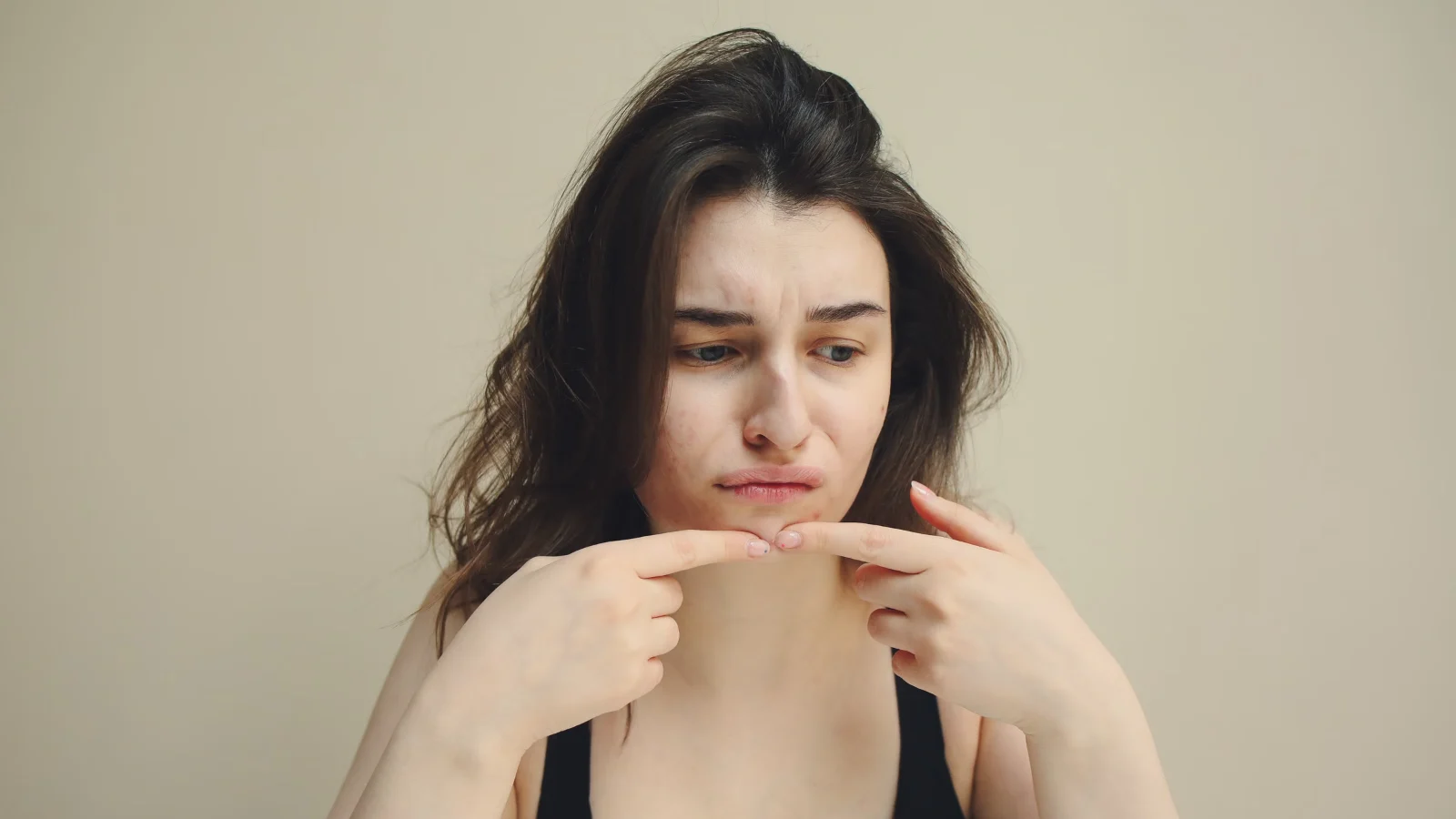
Woman checking a breakout on her chin

Skincare For Hormonal Acne: My Routine, What Works And What Doesn’t

Last updated: November 2026. Rewritten with research, my own routine and published dermatology guidance.

Affiliate disclosure: This post contains affiliate links. If you buy through them, Comfort Mind Body may earn a small commission at no extra cost to you. As an Amazon Associate I earn from qualifying purchases. Read my affiliate disclosure.

How this guide was made: I compared AAD guidance with the top-ranking guides and my own experience with hormonal breakouts. Products are marked "Personally used" or "Research pick". Drafted with AI help, then edited by Anna.

Please note: This guide is for education, not medical advice.

Hormonal acne doesn’t play fair. It comes back to the same spots, often the same week every month, and the usual acne tips only get you so far.

Welcome to Comfort Mind Body, where we do the research so you don’t have to. Here’s how to spot hormonal acne, the simple routine that helps, what to change the week before your period, and when it’s time to see a dermatologist.

Skincare can calm hormonal acne, but it can’t change your hormones. The routine that helps most is simple: a gentle cleanser, one proven acne treatment (benzoyl peroxide, adapalene, or azelaic acid), a non-comedogenic moisturizer that suits your skin type, and daily SPF.

Early improvement can take a few weeks, and clearer skin can take up to 3 months. See a dermatologist sooner if breakouts are deep, painful, or leave marks. They can prescribe stronger options, including spironolactone or birth control, which work on the hormonal side.

Pregnant or trying to conceive? Skip retinoids like adapalene and tretinoin.

Breastfeeding? Ask your doctor before starting any acne treatment.

What Causes Hormonal Acne?

Hormonal acne starts when hormone shifts make your oil glands produce more oil. That oil mixes with dead skin and bacteria, clogs pores and leads to inflamed spots.

It often flares around your period, during pregnancy or perimenopause, or after starting or stopping birth control. It doesn’t always mean your hormones are out of balance. Some skin is simply more sensitive to normal monthly changes.

Skincare can calm the clogged pores and inflammation. Treatments that work on the hormones themselves, like spironolactone or birth control, come from a doctor.

Is Your Acne Hormonal? 5 Common Clues

  • It sits on your chin, jawline and lower cheeks.
  • It flares the week before or during your period.
  • The spots are deep, tender bumps rather than lots of small blackheads.
  • It started or got worse in your 20s, 30s or 40s, or after stopping birth control.
  • It keeps coming back in the same places.

These are clues, not a diagnosis. Where acne shows up can’t prove the cause on its own, and hormonal acne can appear in other places too. If you also have irregular periods, extra hair growth or thinning hair, ask your doctor about PMOS (formerly PCOS).

Anna's Note: I've had hormonal breakouts on my chin and jawline for as long as I can remember. Of everything I've tried, tretinoin is what helps the most.

My Hormonal Acne Skincare Routine (AM And PM)

Before you choose an active: if you are pregnant or trying to conceive, skip retinoids like adapalene and tretinoin (AAD pregnancy guidance). If you are breastfeeding, ask your doctor first.

StepMorningNight
CleanseGentle gel or foam cleanserSame, or a cleansing oil first if you wear makeup or SPF
TreatOptional: niacinamide serumStart with ONE active: a retinoid (adapalene or tretinoin) OR benzoyl peroxide
MoisturizeNon-comedogenic gel or lotionSame, or a richer cream on dry spots
ProtectSPF 30+ every dayPimple patch on new spots

Follow the directions on the product label or your prescription, and if your skin gets red or flaky, ask your doctor or pharmacist about using it less often. Use a pea-sized amount of retinoid for your whole face.

If you’re new to acne treatments, add one active at a time so you can see how your skin reacts. Some combinations, like adapalene with benzoyl peroxide, are established acne treatments, but together they can cause more dryness and irritation. If you use prescription tretinoin, follow your dermatologist’s advice on combining it.

For moisturizer and sunscreen picks, see my guides to the best moisturizer for acne-prone skin and how to choose sunscreen. For the full step-by-step, see my skincare routine for acne.

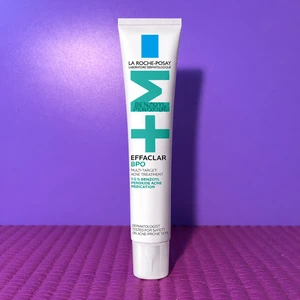
Anna's Note: I've used tretinoin for 2 years now. I started at 0.025% and use it every other night. My breakouts have improved, and dryness is the side effect I still deal with. On the nights in between I use benzoyl peroxide (La Roche-Posay Effaclar BPO) or an exfoliating pad, one or the other, never both. If my skin flakes, I put Cicaplast B5 only on those spots and go easy to protect my skin barrier. More in my tretinoin peeling guide. This schedule is what works for my skin and my prescription, not one to copy.

What Hasn't Worked For Me

Castor oil. I tried it on my face, and my breakouts got worse, not better. So castor oil is not part of my acne routine. That’s my experience, not proof it causes acne for everyone, and there’s little research on it as an acne treatment. More about it in my castor oil for face post.

What To Do If You Break Out Before Your Period

If your breakouts follow your cycle, plan ahead instead of chasing spots.

  • Stay consistent with your acne treatment all month. It works best as prevention.
  • Add a spot treatment or pimple patches to your bag before the flare usually starts.
  • Skip new products and strong peels that week, when skin can be more reactive.
  • Keep hands off your chin. Picking turns a spot into a mark that lasts for weeks.
  • Protect your sleep and manage stress that week. Poor sleep and stress can make flares worse for some people, though good habits won’t replace your treatment.
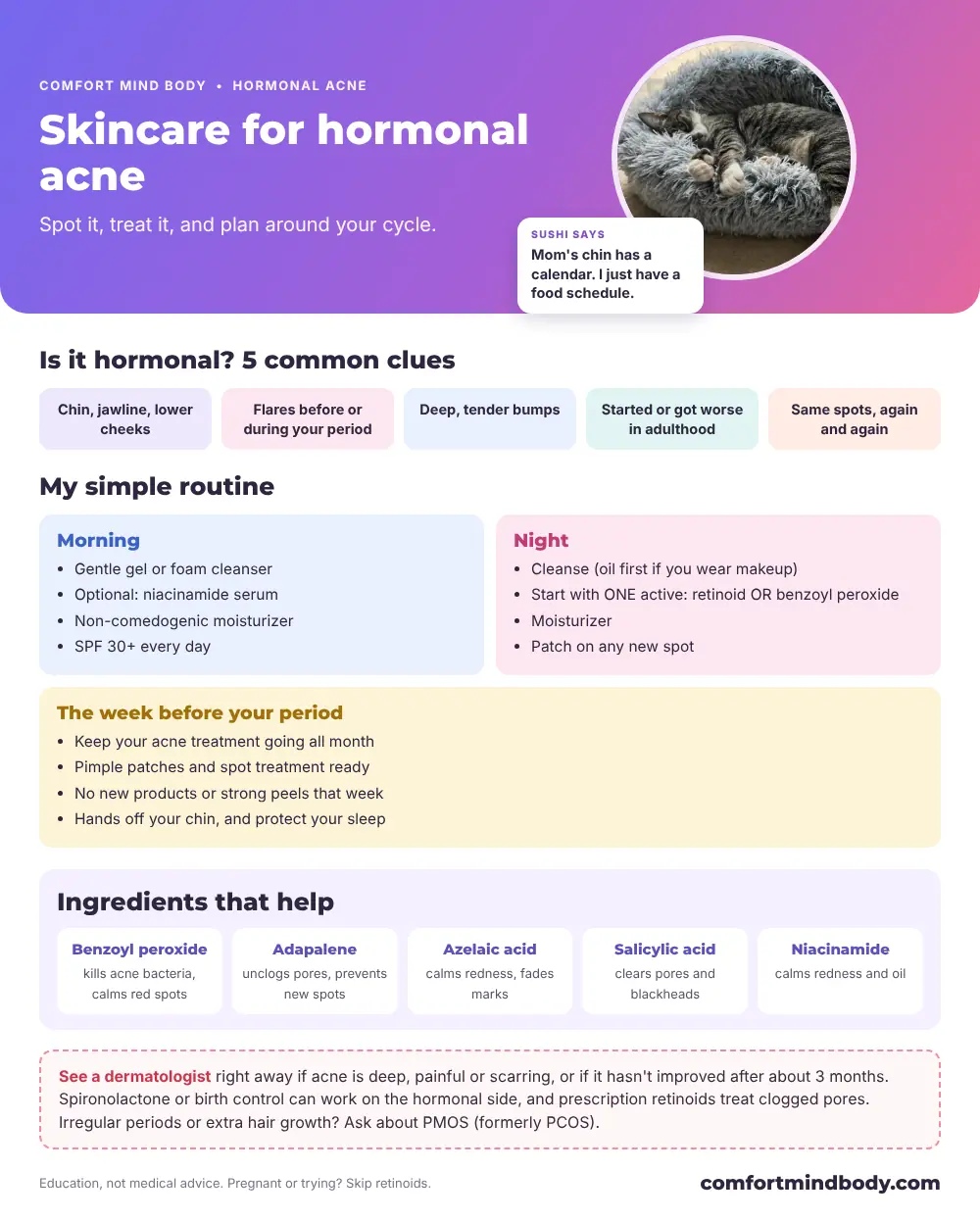
Infographic: skincare for hormonal acne, 5 common clues your acne is hormonal, a simple morning and night routine, what to change the week before your period, ingredients that help and when to see a dermatologist, plus Sushi the cat
Save it: a simple skincare plan for hormonal acne
Read the infographic text

Is it hormonal? 5 common clues. Chin, jawline and lower cheeks. Flares before or during your period. Deep, tender bumps. Started or got worse in adulthood. Same spots, again and again.

Morning. Gentle gel or foam cleanser, optional niacinamide serum, non-comedogenic moisturizer, SPF 30+ every day.

Night. Cleanse (oil first if you wear makeup), start with ONE active: a retinoid OR benzoyl peroxide, moisturizer, and a patch on any new spot. Pregnant or trying to conceive? Skip retinoids.

The week before your period. Keep your acne treatment going all month, have pimple patches and a spot treatment ready, no new products or strong peels that week, hands off your chin, and protect your sleep.

Ingredients that help. Benzoyl peroxide kills acne bacteria and calms red spots. Adapalene unclogs pores and prevents new spots. Azelaic acid calms redness and may help fade marks. Salicylic acid clears pores and blackheads. Niacinamide calms redness and oil.

See a dermatologist right away if acne is deep, painful or scarring, or if it hasn't improved after about 3 months. Spironolactone or birth control can work on the hormonal side, and prescription retinoids treat clogged pores. Irregular periods or extra hair growth? Ask about PMOS (formerly PCOS).
Ingredients That Help Hormonal Acne

IngredientWhat it doesHow to use itAAD recommendation
Benzoyl peroxideKills acne bacteria, calms red spotsWash or leave-on, start at 2.5% to 5%Strong
Adapalene (Differin)Unclogs pores, prevents new spotsPea-sized amount at nightStrong
Azelaic acidCalms redness and may help fade marksOnce or twice a day, gentle enough for many sensitive typesConditional
Salicylic acidClears pores and blackheadsCleanser or pad, a few times a weekConditional
NiacinamideCalms redness and oilSerum in the morningOptional skincare support (not graded)

AAD recommendation follows the American Academy of Dermatology's acne guidelines: benzoyl peroxide and topical retinoids get strong recommendations, azelaic and salicylic acid conditional ones.

Which Hormonal Acne Treatment Should You Start With?

You don’t need every acne ingredient in your routine. Pick one treatment based on your main concern and how your skin handles it. If you already use a prescription acne medication, ask your dermatologist before adding anything new.

Your main concernWhat to consider
Red, inflamed pimplesBenzoyl peroxide
Clogged pores that keep coming backAdapalene
Breakouts plus dark marksAzelaic acid
Blackheads and whiteheadsSalicylic acid
Dryness or stinging from treatmentA gentle cleanser and a barrier-supporting moisturizer
Deep, painful or scarring acneA dermatologist visit

Myths That Don't Help

  • Drying everything out. Over-cleansing damages your skin barrier and makes irritation worse.
  • Tea tree oil as a cure. It may help a little, but it’s not as proven as the actives above.
  • Scrubbing. It irritates acne-prone skin and can make inflamed spots worse.
  • Switching products every week. Give one routine up to 3 months.

More habits that backfire are in my guide to common skincare mistakes.

Sushi's Note: Mom checks her chin in the mirror every morning. I check my food bowl. We both hope for good news.

When Skincare Isn't Enough

See a dermatologist if your acne is deep and painful, leaves scars or dark marks, or hasn’t improved after 2 to 3 months of a steady routine. For hormonal acne, they may suggest:

  • Prescription retinoids like tretinoin, which treat clogged pores and inflammation rather than hormones.
  • Spironolactone, a pill that blocks the hormones that drive oil.
  • Combined birth control pills.
  • Clascoterone cream, a topical that works on hormones in the skin.

If you have PMOS (formerly PCOS) or irregular periods, your doctor may also check your hormones. Retinoids and spironolactone aren’t safe in pregnancy, so tell your doctor if you’re pregnant or planning to be.

Best Skincare For Hormonal Acne

These are the products I’d start with. Use one treatment at a time, not all of them at once. Only benzoyl peroxide and Differin (adapalene) are acne treatments here. The rest are optional add-ons that support your routine.

La Roche-Posay Effaclar BPO acne treatment with 5.5% benzoyl peroxide

Our own photo

Personally used

La Roche-Posay Effaclar BPO Multi-Target Acne Treatment

Best fit: Oily skin with red, inflamed pimples on the chin and jawline.

Why compare: 5.5% micronized benzoyl peroxide in a leave-on you can use as a thin layer or on single spots. It's my pick for the nights I don't use tretinoin.

Watch: It can dry skin and bleach towels and pillowcases. 5.5% is what I use; a 2.5% product is gentler if you're new to benzoyl peroxide. I don't use it on my tretinoin nights.

View on Amazon
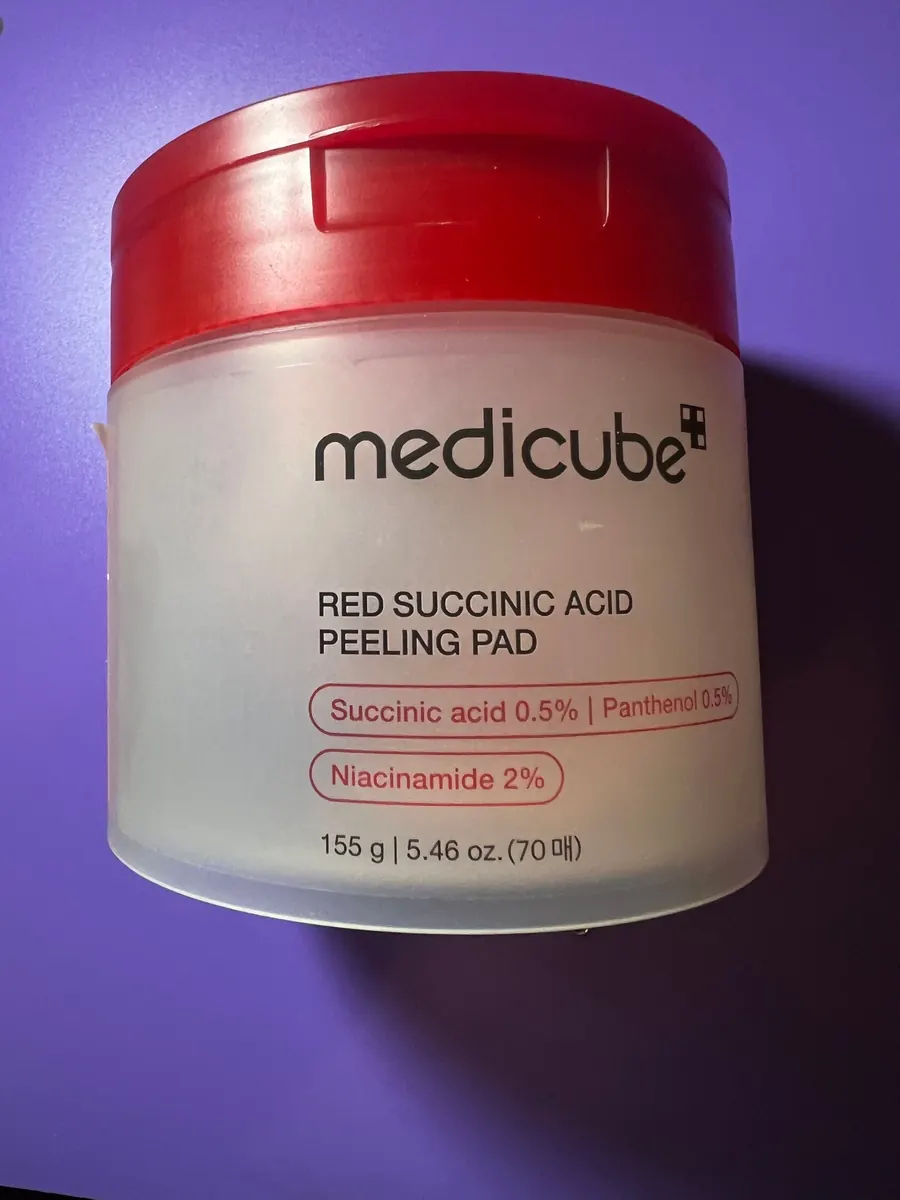
Anna's Medicube Red Succinic Acid Peeling Pad jar with succinic acid 0.5%, panthenol 0.5% and niacinamide 2% on the label

Our own photo

Personally used

Medicube Red Succinic Acid Peeling Pad

Best fit: Clogged pores or bumpy texture, if your skin already handles exfoliation.

Why compare: The pads combine succinic acid, salicylic acid and soothing panthenol for an optional exfoliation step.

Watch: It's not a main hormonal acne treatment. The acids can irritate retinoid-treated skin, so skip it on tretinoin nights and whenever your skin is peeling or stinging.

View at Stylevana
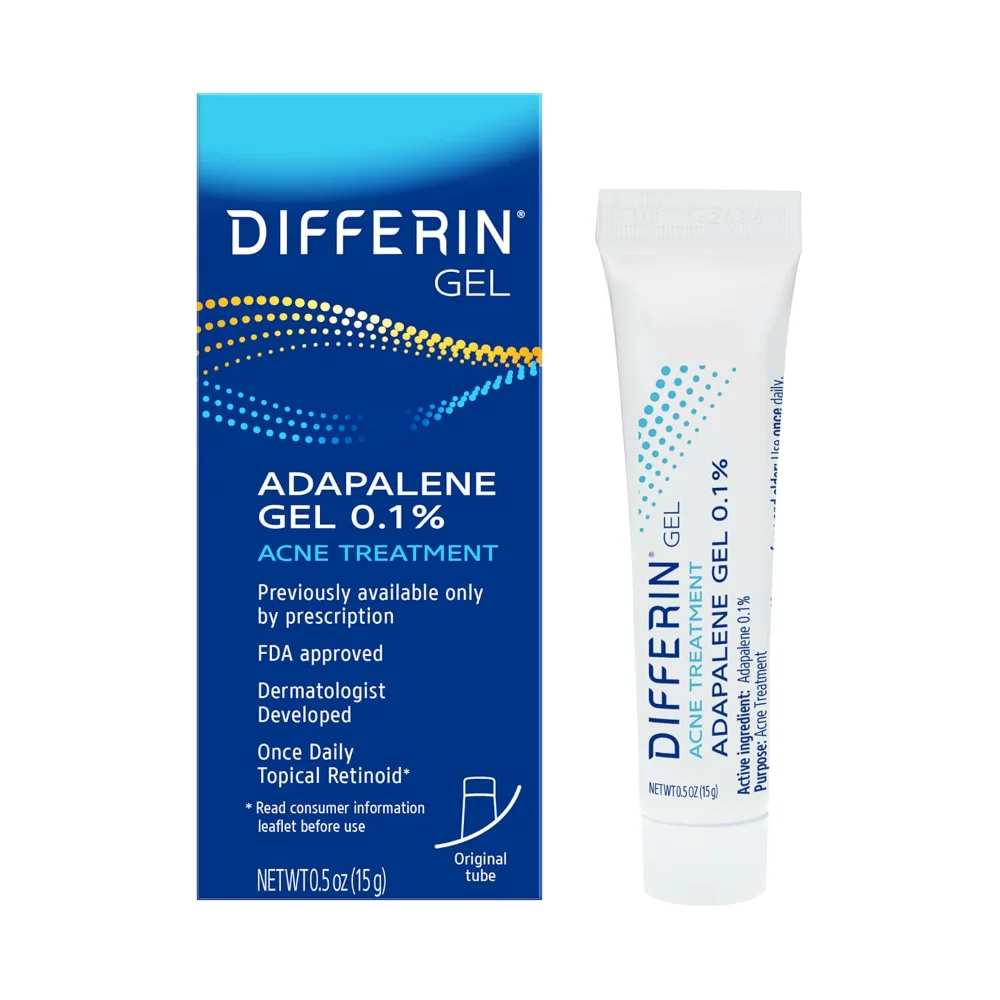
Differin Gel 0.1% adapalene box and tube

Product image

Research pick

Differin Gel (0.1% adapalene)

Best fit: A retinoid without a prescription.

Why compare: Adapalene unclogs pores and helps prevent new spots, which matters most for breakouts that come back every month.

Watch: Expect some dryness in the first weeks. Avoid it in pregnancy, and ask your doctor if you're breastfeeding.

View on Amazon
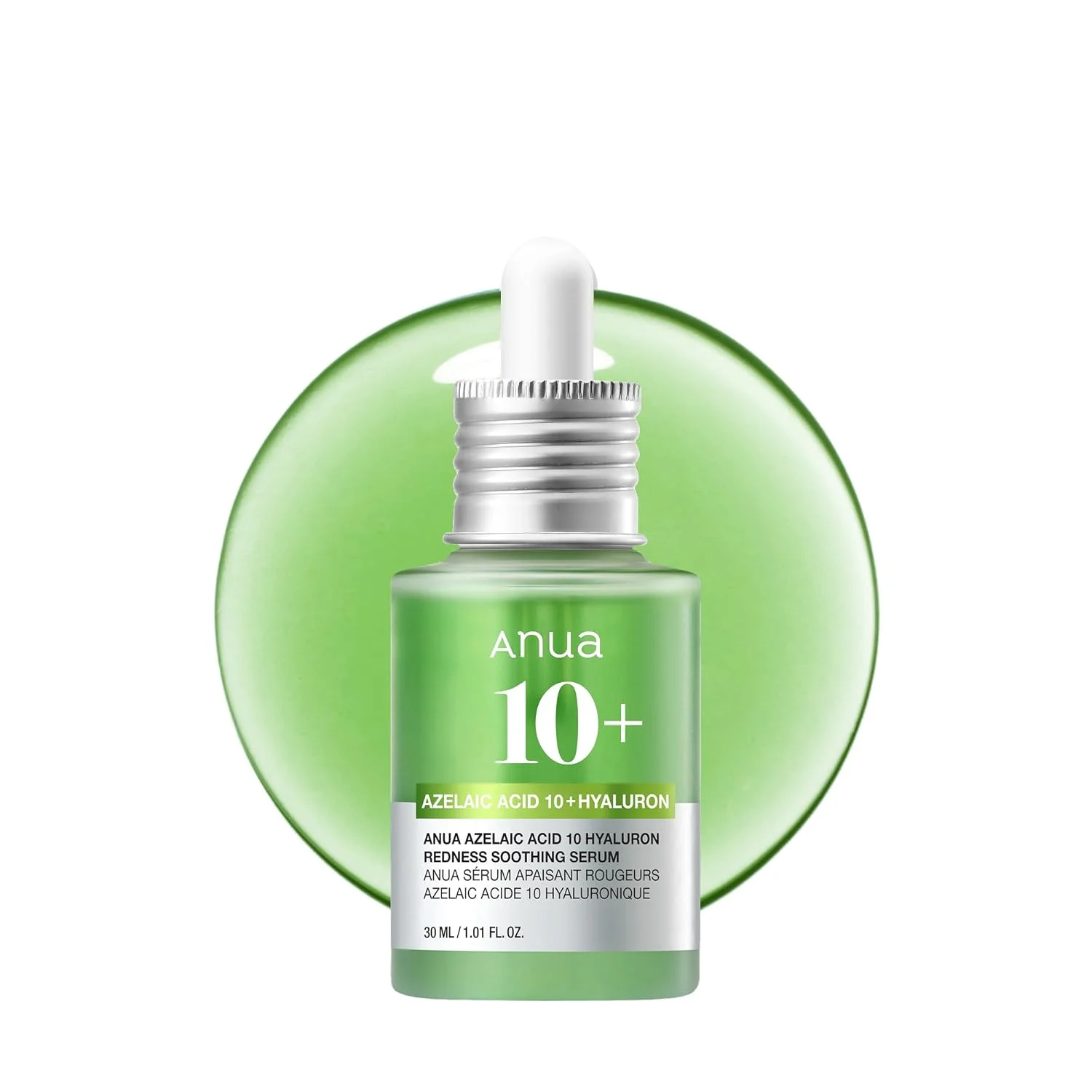
ANUA Azelaic Acid 10 Hyaluron Redness Soothing Serum dropper bottle

Product image

Research pick

ANUA Azelaic Acid 10 Hyaluron Redness Soothing Serum

Best fit: Redness, marks and sensitive acne-prone skin.

Why compare: Azelaic acid calms redness and may help fade marks. The serum also has betaine salicylate and niacinamide, so it isn't a single-active formula.

Watch: It can tingle at first. It's a cosmetic serum, not the prescription azelaic acid used in studies.

View on Amazon
ANUA Niacinamide 10% + TXA 4% serum dropper bottle

Product image

Research pick

ANUA Niacinamide 10% + TXA 4% Serum

Best fit: Dark marks left after breakouts. It may help fade the look of marks; it doesn't treat acne itself.

Why compare: Niacinamide calms redness and oil, and tranexamic acid (TXA) targets post-acne marks.

Watch: 10% niacinamide can sting sensitive skin, so patch test first.

View at Stylevana
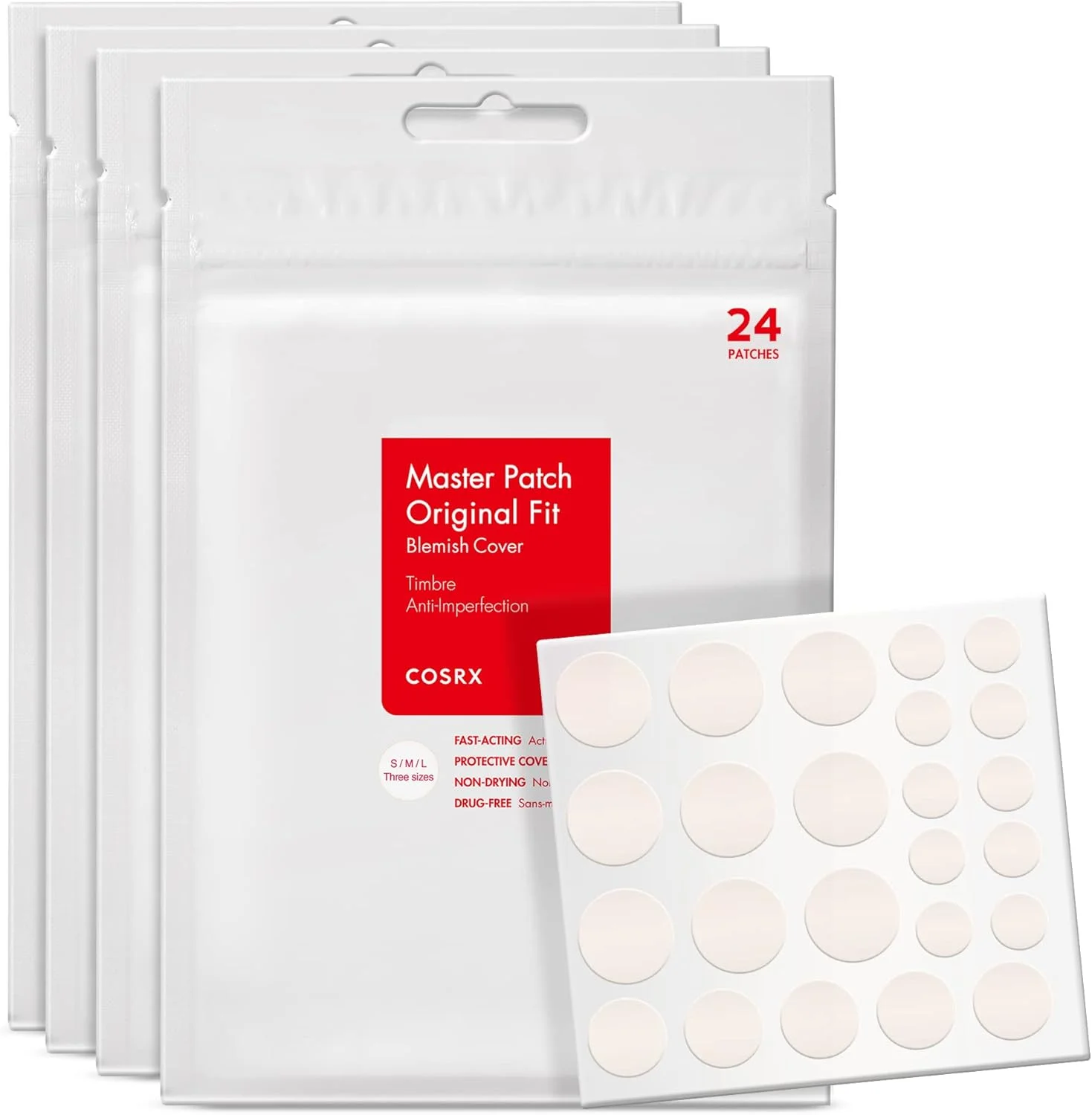
COSRX Acne Pimple Master Patch hydrocolloid patches in three sizes

Product image

Research pick

COSRX Acne Pimple Master Patch

Best fit: A surface spot you want to protect.

Why compare: Hydrocolloid patches protect a spot, soak up fluid and stop you from picking.

Watch: They work best on surface spots, not deep, painful cysts.

View at StyleKorean

Korean Skincare For Hormonal Acne

Most of these picks are Korean (Medicube, ANUA, COSRX). Korean skincare can be a nice fit when it focuses on gentle cleansing, hydration and barrier support, but a product isn’t gentle just because it’s Korean. Check each formula, and keep one proven active. More in my Korean skincare routine.

Hormonal Acne In Men

Men get hormonal acne too, especially in the teens and twenties when testosterone runs high. The routine is the same: a gentle cleanser, one acne treatment, a non-comedogenic moisturizer that suits his skin and SPF.

Anna's Note: My brother Artem is 20 and has oily, acne-prone skin like mine. A simple La Roche-Posay routine, plus a good diet and exercise, gave him small but steady results. His full routine is in my oily skin routine for men.

Lifestyle Habits That Help

Sleep, stress and diet don’t cause hormonal acne on their own, but they can make flares worse. Aim for steady sleep, find a stress outlet you’ll actually use, and notice whether sugary foods or dairy line up with your breakouts. Change one thing at a time so you can tell what helps.

Frequently Asked Questions

How do I know if my acne is hormonal?

Common clues are spots on the chin and jawline, flares around your period, and deep, tender bumps. They're clues, not a diagnosis, so ask a dermatologist if you're unsure.

Can skincare get rid of hormonal acne?

It can calm it and prevent many spots, but it can't change your hormones. Stubborn hormonal acne often needs a prescription.

How long does it take to see results?

Early improvement can take a few weeks with one consistent routine, and clearer skin can take up to 3 months. See a dermatologist sooner if acne is deep, painful or scarring.

Is Korean skincare good for hormonal acne?

It can be, as long as you add one proven active like benzoyl peroxide, adapalene or azelaic acid.

What helps hormonal acne fast?

A pimple patch or spot treatment for single spots. For a painful cyst, a dermatologist can give a cortisone injection.

Do men get hormonal acne?

Yes, especially in their teens and twenties.

Does hormonal acne mean I have a hormone imbalance?

Not necessarily. Many people's skin is simply sensitive to normal monthly hormone changes. Irregular periods, extra facial hair or thinning hair are worth checking with a doctor.

Benzoyl peroxide or adapalene: which should I start with?

Benzoyl peroxide is a good fit for red, inflamed spots. Adapalene helps prevent clogged pores and treats both inflamed spots and blackheads or whiteheads. Both have strong support in dermatology guidelines, so pick based on your acne and how sensitive your skin is. Start with one, and add the other later if your skin handles it.

Why does my hormonal acne keep coming back?

Because the things behind it, like hormone shifts, oil production and how sensitive your skin is to androgens, keep going. Steady treatment helps prevent new breakouts, and acne that stays deep, painful or keeps leaving marks is worth a dermatologist visit.

Safety Notes

Safety Notes

  • This article is for education, not medical advice.
  • Use one strong active at a time, and patch test new products.
  • Don't use retinoids (adapalene, tretinoin) if you're pregnant or trying to get pregnant. If you're breastfeeding, ask your doctor first.
  • Benzoyl peroxide can bleach towels and pillowcases.
  • See a dermatologist for deep, painful or scarring acne, or acne with irregular periods or extra hair growth.

Final Thoughts

Hormonal acne is stubborn, but it’s not hopeless. Pick one treatment, give it up to 3 months, and plan around your cycle instead of chasing every spot. And if it’s deep or leaving marks, a dermatologist can do what skincare can’t.

Kindly, from one jawline to another,

Anna

Sushi the cat peeking out of her play tunnel
Sushi, ready for her nightly zoomies
P.S. from Sushi: Mom gets a few spots every month. I get the zoomies every night. Hormones are weird.
Scroll to Top