Hi, and welcome! I’m Anna, and I’m so glad you’re here. If you’ve ever paused on a Korean skincare video and wondered how anyone’s skin looks that smooth and calm, you’re in very good company. I’ve wondered the same thing, so let’s look at it together, honestly and without the hype.
Korean skin looks almost unreal online: smooth close-ups, 10-step routines and a new must-have ingredient every season. The reasons behind it are far less mysterious, and much easier to borrow than the photos suggest. This guide sorts out what’s worth copying and what’s safe to skip.
It covers what comes from genetics and what comes from habit, why Korean sunscreens feel so different, how double cleansing and barrier care fit in, and a simple routine for each skin type. Whenever a topic deserves a deeper look, I’ll point you to the guide that covers it.
Anna's Note: I use Korean skincare myself, and I love it. It feels light, unique and modern in a way my old routine never did. But when every glowing face online seems to have a secret, it's easy to believe one more product will be the answer, and that's how a shelf fills up fast.
Quick Navigation
ToggleQuick Answer: Why Do Koreans Have Good Skin?
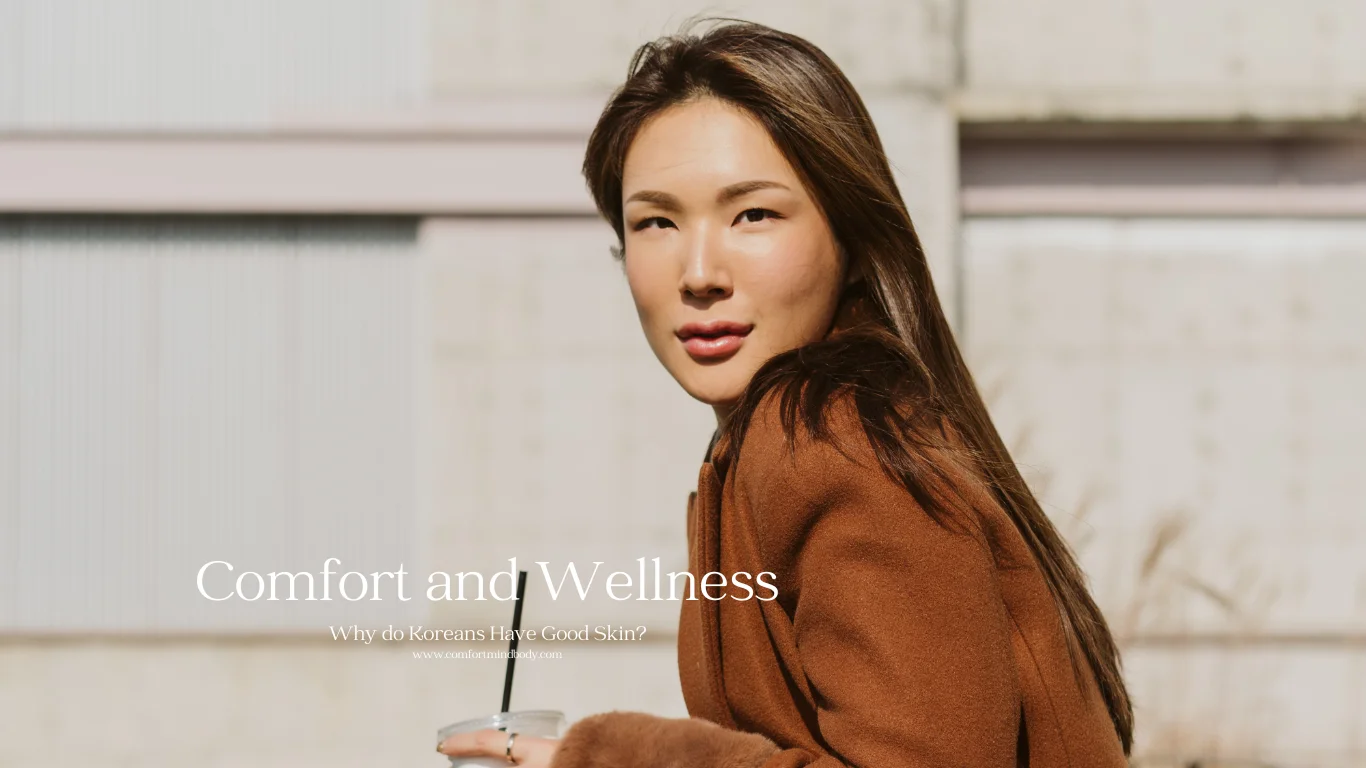
Korean skin often looks healthy and glowing because Korean skincare culture tends to focus on prevention, hydration, sunscreen, barrier support, gentle routines and long-term consistency.
Genetics may play a part too: a few studies, mostly of Chinese and Japanese women, found that East Asian skin tended to wrinkle later than white skin, though dark spots showed up earlier. The genes, the lighting, and the filters can’t be copied, but the habits can. If there’s only one to borrow, it’s daily sunscreen.
The habits most worth borrowing:
- Daily sunscreen on skin that sees daylight
- Gentle cleansing that doesn’t leave skin tight
- A hydrating layer when skin feels tight or dull
- A moisturizer that supports the skin barrier
- Strong treatments added slowly, one at a time
- Consistency before complexity
K-drama close-ups make a poor comparison. Those faces have good habits behind them, but also makeup, studio lighting, and editing. The more useful question is which of these habits skin would actually notice. The rest of this guide covers that: what Korean skincare gets right, what to skip, and where to start.
Is It Genetics, Skincare, Or Culture?
All three matter, and it helps to be honest about each one, because only one of them can be changed.
Genetics are one part of it. In a 2016 dermatology review, comparison studies found that wrinkles appeared about ten years later in Chinese women than in French women. Sun damage also showed up later and less severely in Japanese women than in French women.
The authors link this to a thicker, more compact deeper skin layer and more protective melanin. The same studies also found that dark spots were more common and appeared earlier in East Asian women.
A 2022 review adds that the wrinkle gap narrows with age, with scores looking similar by the 50s and 60s. These are a handful of studies, mostly of Chinese and Japanese women rather than Korean women, so they show a tendency, not a rule about any one face.
Culture matters too. Korean skincare advice tends to treat skin care as everyday maintenance rather than something to start once a problem appears, with daily sunscreen and gentle products at the center. That’s the part anyone can copy.
Then there is what shows up online. Close-ups in dramas, ads, and social media usually include makeup, careful lighting, sometimes professional treatments, and often editing. Real skin, in Korea and everywhere else, still has pores, texture, and bad days.
The realistic version: Korean skin doesn’t look good because of one secret. Some of it is genetics, some of it is the camera, and a large part is habits anyone can borrow.
Does Korean Food Make A Difference?
It’s a fair question, especially since Korean food can be rich, oily, or spicy. The honest answer is that food plays a smaller, less certain role than social media suggests.
The American Academy of Dermatology says that high-glycemic foods, such as white bread and sugary drinks, and cow’s milk may worsen acne for some people, while yogurt and cheese haven’t been shown to. The studies are small and sometimes conflicting.
No single food creates “glass skin”. For anyone who suspects a food triggers their breakouts, the AAD suggests noticing patterns and testing one change at a time, alongside good skincare rather than instead of it.
Why Is Korean Skincare So Good?
Korean skincare became popular because it solves everyday skin problems in a gentle, wearable way. Many formulas focus on comfort before correction: lightweight hydration, calming ingredients, and textures that sit well under sunscreen and makeup. That matters more than it sounds, because people keep using what feels good, and consistency is where results come from.
A few things it does especially well:
- It makes sunscreen pleasant enough to wear every day.
- It respects hydration, so skin feels softer before anyone reaches for strong actives.
- It supports the skin barrier with ingredients like centella, panthenol, ceramides, and glycerin.
- It gives oily and acne-prone skin lighter options than a thick cream.
- It encourages adding treatments slowly instead of all at once.
The prevention mindset is the real lesson. Instead of treating skin only when it looks “bad”, the Korean approach tries to keep it comfortable, hydrated, and protected every day.

Korean Skincare Habits Worth Copying
Swipe left or right to view the full table on mobile.
| Habit | Why it helps | Simple way to start | Watch for |
|---|---|---|---|
| Prevention first | Reduces damage before it is harder to manage | Sunscreen, gentle cleansing and moisturizer every day | Don't wait until skin is irritated to simplify |
| Gentle cleansing | Keeps skin comfortable instead of tight | A mild cleanser at night; an oil cleanser only for makeup or heavy SPF | Over-cleansing can make oily or acne-prone skin worse |
| Hydrating layers | Skin looks smoother and softer | One toner, essence or serum before moisturizer | Too many layers can pill, clog or irritate |
| Barrier support | Skin feels calmer and less tight | Ceramides, panthenol, centella, glycerin or squalane | A stressed barrier may need fewer actives first |
| Daily sunscreen | Helps protect against sunburn and visible sun damage | Broad-spectrum SPF 30 or higher every morning | Only works if you apply enough and reapply |
| Slow treatments | Fewer reactions to exfoliants, retinoids and brighteners | One active at a time, a few nights a week | Stacking trends can cause burning, peeling or breakouts |
Sunscreen And Prevention: The Step Korean Skincare Gets Right
If one Korean habit explains more than any serum, it’s daily sun protection. Korean skincare treats sunscreen as a morning step, not something saved for the beach. Daylight adds up over the years as sunburn, dark spots, uneven tone, and earlier lines, and studies suggest dark spots tend to show up earlier in East Asian skin.
The American Academy of Dermatology recommends a broad-spectrum, water-resistant sunscreen with SPF 30 or higher, every day, on skin that clothing doesn’t cover. Clouds don’t cancel it: up to 80% of UV rays can get through. Outdoors, reapply about every two hours, and after swimming or sweating.
A simple morning can be just this:
- A gentle rinse or cleanser
- A light moisturizer, if skin feels dry
- Sunscreen, applied generously
- Makeup, if you wear it
Comfort Mind Body Take: The one change worth making first: sunscreen every morning for a month, before buying a new serum. It's the habit every other product depends on.
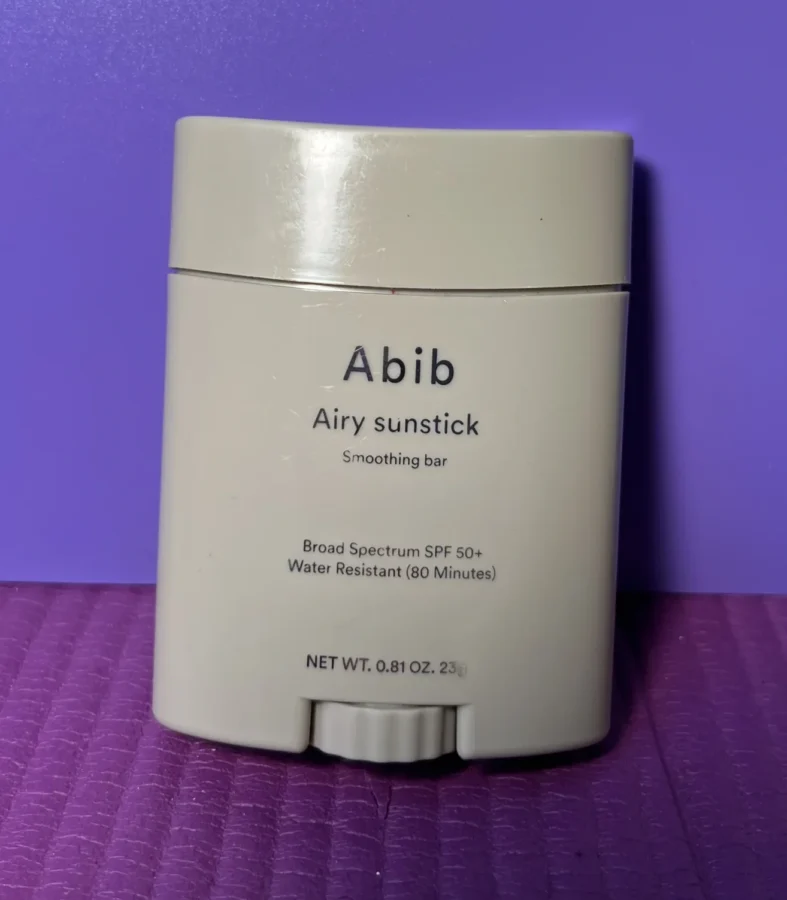
Anna's Everyday Sunscreen
Abib Airy Sunstick
US version, labeled Broad Spectrum SPF 50+ and Water Resistant (80 Minutes). Versions sold in other countries can differ, so check the active ingredients in the Drug Facts box.
Find Your Sunscreen MatchAnna's Note: My everyday sunscreen is a stick, the Abib Airy Sunstick, and it's the one product I won't give up. Mine is the US version, labeled "Broad Spectrum SPF 50+" and "Water Resistant (80 Minutes)". With a stick, it's easy to put on too little, so go over your whole face generously.
To choose an SPF by skin type and finish, use the sunscreen match guide. For Korean picks, see the best Korean skincare products.
Why Korean Sunscreens Feel So Different
Part of the answer is regulation. In the United States, sunscreen is an over-the-counter drug, so every UV filter needs FDA approval, a process a legal review describes as taking years. South Korea treats sunscreen as a functional cosmetic, and approvals there take months.
The result shows on the ingredient list. A July 2026 comparison by board-certified dermatologist Dr. Jane Yoo counts more than 30 approved UV filters in South Korea and 17 in the US. More filters give formulators more options, which is one reason so many Korean sunscreens feel light and leave little white cast.
That’s the honest answer to “are Korean sunscreens better?” Often nicer to wear, not automatically more protective. The best sunscreen is the broad-spectrum one that actually gets worn every day.
Is the US Version Of A Korean sunscreen the same?
Not always. A sunscreen sold in the US can only use US-approved filters and must carry US labeling. So some Korean brands sell a different formula here, and some of their sunscreens aren’t sold here at all.
That may be why a sunscreen bought abroad can feel different from one with the same name bought in the US. To check, compare the active ingredients. On a US sunscreen, they’re listed in the Drug Facts box.
The gap is starting to close. In June 2026, the FDA added bemotrizinol to its list of permitted sunscreen ingredients, the first new option in about 20 years.
Gentle Cleansing And Double Cleansing
Korean routines are famous for double cleansing: an oil or balm first to melt sunscreen and makeup, then a water-based cleanser. It can be useful, but it isn’t the secret, and most people don’t need it every night.
The basics matter more. The AAD’s face-washing advice is simple. Wash twice a day and after sweating. Use lukewarm water and a mild cleanser. Make sure it is non-abrasive and alcohol-free. Apply it with your fingertips. Do not scrub. Pat your skin dry. Moisturize if your skin feels dry.
A practical way to decide:
- Heavy sunscreen, water-resistant sunscreen, or makeup: an oil cleanser first, then a gentle cleanser.
- A light day with little or no makeup: one gentle cleanser is enough.
- Skin feels tight or squeaky after washing: cleanse less, or switch to a milder formula.
Dermatologists agree it’s optional. A Cleveland Clinic dermatologist explains that for most people, one thorough wash with a gentle cleanser is enough, and that a second cleanse helps most with makeup, especially waterproof makeup or water-resistant sunscreen.
For breakout-prone skin, the usual worry is clogged pores. Rinse the oil off thoroughly, follow with a regular cleanser, and watch how your skin responds over a couple of weeks before deciding.
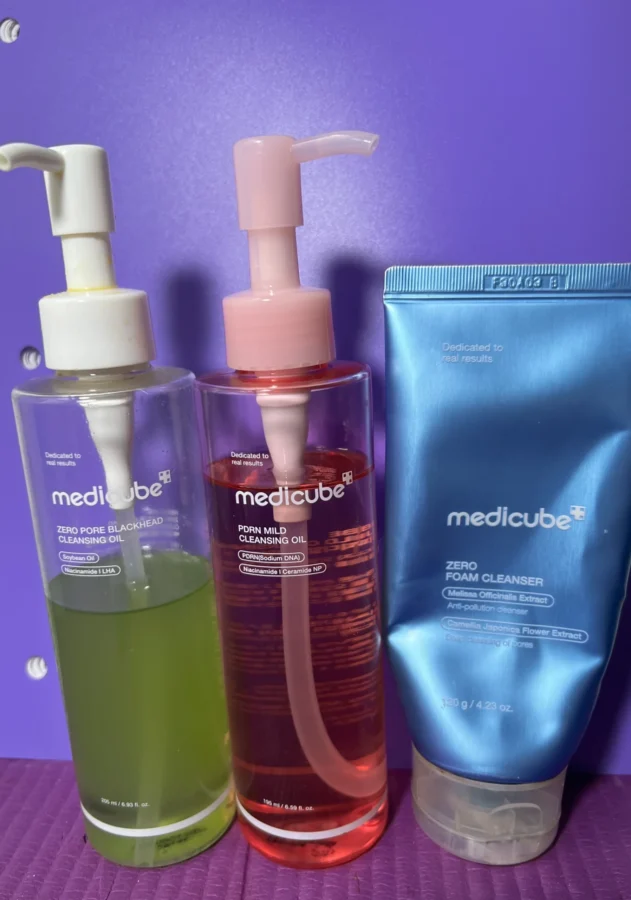
Anna's Double Cleanse
Medicube Cleansing Oils and Zero Foam Cleanser
Two cleansing oils, switched from one double-cleanse night to the next, followed by a gentle foam cleanser. One of the oils, the Zero Pore Blackhead Cleansing Oil, contains LHA.
Compare Korean CleansersAnna's Note: I don't double cleanse every night. I skip it one night, then double cleanse the next, switching between my two oils.
Hydration, Essences, Toners, And "Glass Skin"
Korean skincare is known for hydration first. Toners, essences, serums, and gel creams aren’t meant to drown the skin. They help its outer layer feel softer and less tight, and that hydrated, light-reflecting finish is what people call “glass skin”.
Glass skin doesn’t mean poreless or flawless. Real skin still has pores, texture, expression lines, and days that look different. The look is a finish, not a standard to measure anyone against.
Hydrating formulas often use glycerin, hyaluronic acid, panthenol, beta-glucan, aloe, centella, or snail mucin. They can make skin feel more comfortable and look plumper for a while, especially with a moisturizer on top to hold the water in.
The safest way to try this part of Korean skincare: use one hydrating layer before moisturizer. If it helps, keep it. If it pills, stings, causes bumps, or feels greasy, skip it. To tell whether skin needs water or oil, read hydrating vs moisturizing. For the order to apply layers, see how to layer skincare products.
The moisturizer on top matters as much as the hydrating layer underneath. To find one for each skin type, see how to choose a moisturizer for any skin type.
Barrier Care And Gentle Ingredients
A big reason Korean skincare caught on is comfort before correction. The skin barrier helps hold water in and keep irritants out. When it’s stressed, skin can look dull or red, feel tight or rough, or break out more, and adding strong actives at that point usually makes things worse.
Barrier-friendly Korean formulas often include ceramides, panthenol, centella asiatica, madecassoside, glycerin, squalane, beta-glucan, mugwort, heartleaf, or low-strength niacinamide. None of them needs to be trendy to be useful.
For irritated skin, a barrier routine can be this simple: a gentle cleanser, a hydrating layer if it helps, a moisturizer with barrier-support ingredients, sunscreen in the morning, and fewer actives until skin calms down. For the signs of a damaged barrier and a repair routine, read how to protect your skin barrier.
The barrier is one part of a bigger picture. For how skin works and what supports it day to day, read Your Skin Is a Hero.
Acne, Pores, And Texture In Korean Skincare
Korean skincare can support acne-prone skin, but it isn’t a cure. Acne often needs targeted ingredients: Mayo Clinic lists nonprescription options such as benzoyl peroxide, adapalene, and salicylic acid, and suggests seeing a dermatologist if acne hasn’t improved after two to three months.
Korean products help most with the support around those treatments: gentle cleansing, light moisturizers, and sunscreen that’s pleasant enough to wear daily.
The risk is stacking. Many Korean products now contain exfoliating acids or micro-spicules, and they add up fast when several are used at once.
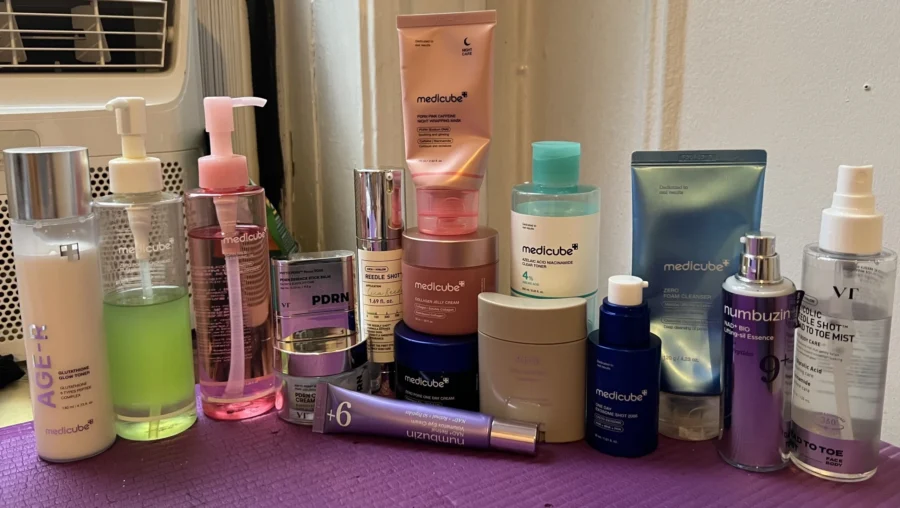
Anna's Note: When I lined up my own shelf, six products had an acid or micro-spicules on the label: a cleansing oil with LHA, a toner with 4% azelaic acid, a serum with AHA, BHA and PHA, a cream with BHA, a head-to-toe mist with 7% glycolic acid (I use that one only on my body), and a spicule serum. I don't use them all at once. I use my spicule serum every other day, and on those nights I pair it with tretinoin. My skin can handle that a few days a week, but it took time to learn where my limit is.
What works for one person’s skin isn’t a recipe for anyone else’s. Tretinoin is a prescription retinoid, and combining it with spicules or acids can be too much for many people. If you use tretinoin or any prescription treatment, ask your dermatologist before adding a spicule serum or a new acid.
Keep it simple: one new treatment at a time, and stop adding products when skin feels irritated. For anyone new to acids and retinoids, a good starting point is the active ingredients explained.
Before combining actives, check skincare products you shouldn’t mix. For full morning and night steps, see the skincare routine for acne, and for a moisturizer that won’t clog pores, read how to choose a moisturizer for acne-prone skin.
Do You Need A 10-Step Korean Skincare Routine?
No. The 10-step routine helped make Korean skincare famous, but it also created its biggest misunderstanding: more steps don’t mean better skin.
For most people, a Korean-inspired routine works well with a cleanser, a moisturizer, sunscreen in the morning, and one treatment if there’s a clear concern. Cleansing oils, toners, essences, ampoules, sheet masks, eye creams, and sleeping masks can all earn a place, but none of them is required.
Four questions help before buying anything new. What is it for? Does something already on the shelf do that? How will it be clear whether it suits the skin? Does it fit with the rest of the routine? If any answer is unclear, it can wait.
Anna's Note: When I started, I bought way too many things. Some worked, some didn't. It was a waste of money, and my skin doesn't like change: with too many new products at once, I ended up having to rebuild my skin barrier. Now I keep it moderate and pick what actually works for me.
For the full order of steps, in 3-, 5-, and 10-step versions, see how to build a Korean skincare routine.
What People Get Wrong About Korean Skincare
Most of the confusion comes from treating “Korean skin” as one thing with one secret. These are the ideas worth letting go of:
- “It’s all genetics, so I can’t copy it.” Genes play a part, but sunscreen, gentle cleansing, and consistency are habits anyone can borrow.
- “It’s the food.” Diet may affect acne for some people, but the evidence is small and mixed, and no food creates glass skin.
- “The photos show real skin.” Most close-ups include makeup, lighting, and editing.
- “One product is the secret.” Healthy-looking skin comes from repeatable habits, not one bottle.
- “Korean means gentle.” Many Korean products contain exfoliating acids, micro-spicules, or fragrance, and can irritate like any other.
- “More steps mean better skin.” Skin responds to ingredients, frequency, and tolerance, not to the number of bottles.
For myths about Korean versus Western skincare, see Korean vs Western skincare.
Simple Korean-Inspired Routine By Skin Type
A Korean-inspired routine should match the skin type, feel comfortable and be easy to repeat. Use this as a starting point, not a rulebook.
Korean-Inspired Routine By Skin Type
Swipe left or right to view the full table on mobile.
| Skin type | Morning | Night | Focus |
|---|---|---|---|
| Dry | Hydrating toner or essence, moisturizer, sunscreen | Gentle cleanser, hydrating layer, richer moisturizer | Hydration and barrier support |
| Oily | Light gel moisturizer if needed, lightweight sunscreen | Gentle cleanser, light serum or gel cream | Light textures without stripping |
| Combination | Light hydration, moisturizer where needed, sunscreen | Gentle cleanser, hydrating serum, balanced moisturizer | Different care for different areas |
| Sensitive | Simple moisturizer, gentle sunscreen | Gentle cleanser, calming moisturizer | Fewer steps, less irritation |
| Acne-prone | Light moisturizer, non-heavy sunscreen | Cleanser, one acne treatment if used, moisturizer | Light barrier support |
| Mature | Hydrating layer, moisturizer, sunscreen | Gentle cleanser, treatment if tolerated, moisturizer | Sunscreen, hydration, consistency |
The smallest useful routine is even simpler. Morning: sunscreen. Night: cleanser and moisturizer. Once that feels easy, add one product for a clear reason, such as a hydrating essence for tightness or a salicylic acid product for clogged pores.
To see what goes first, the free Korean skincare routine order checklist lists each step in order. For a routine that isn’t specifically Korean, see the step-by-step skincare routine.
Can Men Use Korean Skincare?
Yes. Skin needs do not change by gender. Oiliness, dryness, breakouts, shaving irritation, and dark spots are common for everyone.
The simplest version is a gentle cleanser at night, a light moisturizer if skin feels tight, sunscreen every morning, and one treatment only for a specific concern.
Barrier-support ingredients like panthenol, centella, and ceramides can also make skin feel more comfortable after shaving.
For skin that turns oily by midday, the skincare routine for oily skin in men covers the steps and product types.
Is Korean Skincare Better Than Western Skincare?
Not automatically. Korean skincare often wins on everyday experience: lightweight sunscreens, hydrating layers, and calming textures that make consistency easier. Western skincare is often stronger for targeted treatment, such as benzoyl peroxide, adapalene, prescription retinoids, and in-office dermatology.
Many good routines use both: a Korean sunscreen and hydrating toner in the morning, and a Western acne or retinoid treatment at night.
For the side-by-side comparison by skin type, ingredient, and myth, read Korean vs Western skincare. For how Korean and Japanese routines differ, see K-beauty vs J-beauty.
Korean Skincare Trends: What To Try After The Basics
Korean skincare moves fast. PDRN, exosomes, NAD+, spicule serums, snail mucin, toner pads, and ferments all have fans, and they can be fun to try.
None of them replace sunscreen, gentle cleansing, and a good moisturizer, and the evidence behind many of them as everyday skincare is still thin and varies from product to product.
Treat trends as optional add-ons once a basic routine has been steady for a few weeks, and add one at a time. Spicule serums can sting or tingle, so skip them while skin feels irritated, and don’t pair them with strong acids on the same night.
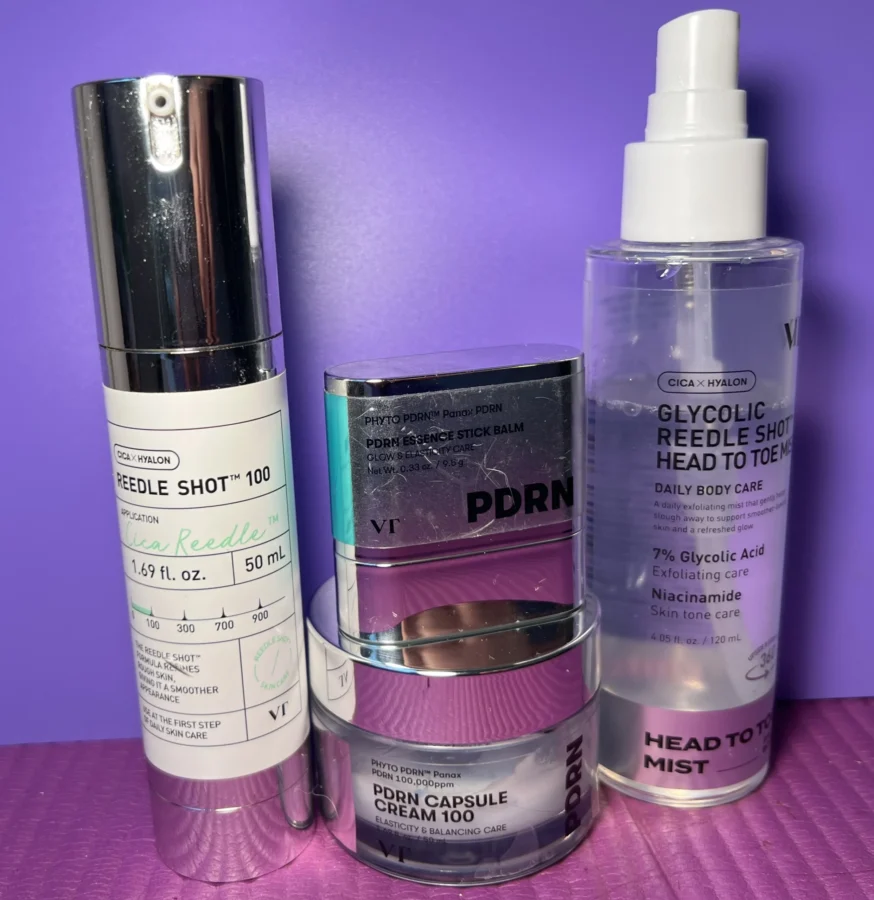
On Anna's Trend Shelf
VT Reedle Shot and PDRN Products
Reedle Shot 100 (a spicule serum), PDRN Capsule Cream 100, PDRN Essence Stick Balm and the Glycolic Reedle Shot Head to Toe Mist, used on the body only. Trend add-ons, best added one at a time.
See New Korean TrendsAnna's Note: I'm not immune to trends. My shelf has PDRN creams and balms, an exosome serum, a NAD+ essence and eye cream, and spicule serums. If I had to choose, the two I'd keep are my spicule serum and double cleansing in summer.
For what’s new this season and the cautions that come with each trend, see new Korean skincare products and trends.
Products To Compare Without Overbuying
Korean products are worth comparing when they fill a real gap. For example, try a lighter sunscreen or a gentle cleanser. You can also try a hydrating essence or a barrier cream. The categories worth knowing:
- An oil cleanser or cleansing balm, for heavy sunscreen and makeup
- A mild water-based cleanser
- A hydrating toner or essence
- A lightweight serum for one skin goal
- A barrier-support moisturizer
- A broad-spectrum sunscreen
- A sleeping mask or sheet mask, for occasional use
Start with the missing step, not the trendiest one. If sunscreen feels heavy, compare Korean sunscreens first. If skin feels tight after cleansing, look at gentler cleansers or a hydrating toner. A routine that already works may not need anything new.
For specific picks and comparison tables, see the best Korean skincare products.
Free Korean Skincare Planner
Build A Simple Korean-Inspired Routine
Map your morning and night steps, choose one skin goal, and decide which trends can wait until the basics are steady.
Educational only. Not medical advice.
When To See A Dermatologist
A Korean-inspired routine can support healthy-looking skin, but it shouldn’t replace medical care when symptoms are persistent, painful, or getting worse. See a dermatologist or qualified health professional if you have:
- Severe or painful acne, or acne that leaves scars or dark marks
- A rash that spreads, burns, blisters, or doesn’t improve
- Persistent redness, swelling, crusting or bleeding
- Severe dryness, cracking or itching
- Skin that reacts to almost every product
- Suspected eczema, rosacea, psoriasis, infection or allergy
- Dark spots that change quickly, or a mole that changes in size, shape, color, or feel
It matters even more for children, teens with severe acne, during pregnancy or breastfeeding, with medication-related skin changes, or with prescription skincare.
Frequently Asked Questions About Korean Skincare
Why do Koreans have such good skin?
Is Korean skin genetic?
How do Koreans keep good skin?
What do Koreans eat to get glass skin?
Do I need a 10-step Korean skincare routine?
What is glass skin?
What is the most important Korean skincare step?
Is snail mucin necessary?
Are PDRN, exosomes and spicules worth trying?
Are Korean sunscreens better?
Is the US version of a Korean sunscreen the same?
Can Korean skincare help acne?
Is Korean skincare good for mature skin?
What Korean skincare product should I try first?
Final Thoughts: Korean Skincare Is About Habits, Not Perfection
Koreans don’t have good skin because of one secret. Some of it is genetics, some of it is the camera, and a large part is a culture that treats skincare as quiet, daily maintenance. That last part is the one anyone can bring home.
So borrow the habits, not the whole shelf. Wear sunscreen every morning, cleanse gently, keep your barrier comfortable, and let any new product prove itself before the next one arrives. Skin that feels calm, comfortable, and protected is a sign the routine is already doing its job.
If you’ve been curious about Korean skincare, my answer is simple: try it. Enjoy how light it feels, and let your own skin tell you what stays.
With warmth,
Anna
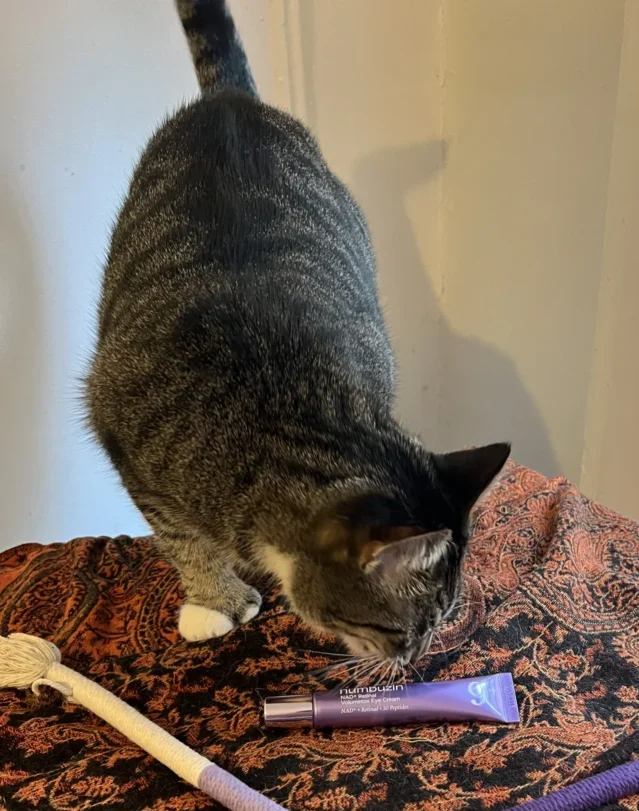
Quality control: Sushi
P.S. from Sushi: Nothing touches Mommy's face until it passes my sniff check. This eye cream: shiny purple tube, faintly suspicious smell, zero tuna. Approved, for humans only. The rope toy remains mine.
How this guide was made: researched from the dermatology and regulatory sources below, drafted with AI help, then checked and written up by Anna.
Safety Notes
Helpful Resources
- American Academy of Dermatology: Sunscreen FAQs
- American Academy of Dermatology: Face Washing 101
- American Academy of Dermatology: How to Test Skin Care Products
- Cleveland Clinic: Double Cleansing Explained (2022)
- Mayo Clinic: Nonprescription Acne Treatment (2024)
- American Academy of Dermatology: Can the Right Diet Get Rid of Acne?
- FDA: Sunscreen: How to Help Protect Your Skin from the Sun
- Vashi, Maymone and Kundu: Aging Differences in Ethnic Skin (J Clin Aesthet Dermatol, 2016)
- Chan et al.: Intrinsic Ethnic Differences in Skin Aging (SKIN, 2022)
- Dr. Jane Yoo, MD: Approved Sunscreen UV Filters by Country (2026)
- FDA: FDA Expands Sunscreen Options for the First Time in 20 Years (June 9, 2026)
- University of Miami International and Comparative Law Review: Blocking Sunblock (2024)