Last updated: November 2026. Updated based on research, our family’s picks and dermatology guidance.
Affiliate disclosure: This post contains affiliate links. If you buy through them, Comfort Mind Body may earn a small commission at no extra cost to you. As an Amazon Associate I earn from qualifying purchases. Read my affiliate disclosure.
How this guide was made: the steps are based on guidance from the American Academy of Dermatology, Yale Medicine and Cleveland Clinic. Products marked “In our home” are ones my husband uses. Products marked “Worth comparing” are popular picks we haven’t tried; for those I rely on the brands’ own descriptions and the active ingredients dermatologists recommend.
Please note: this is general information, not medical advice. A rash that won’t clear, hurts or spreads needs a dermatologist.
White flakes on a dark sweater are usually the first sign of beard dandruff. Welcome to Comfort Mind Body, where I share what really sits on our bathroom shelf. My husband has a beard, so the skin under it gets its own spot in our bathroom routine.
Here’s what causes beard dandruff and beard itch, how to get rid of both, which shampoos are worth trying, and a simple beard care routine that keeps the flakes from coming back.
Quick Navigation
ToggleQuick Answer: How Do You Get Rid of Beard Dandruff?
Brush your beard gently before you wash it, then wash the beard and the skin under it with a dandruff shampoo that has 1% ketoconazole, 2% zinc pyrithione or 1% selenium sulfide. Leave it on for a few minutes, rinse well and follow with a fragrance-free moisturizer. Do it at least once a week, and keep going after the flakes clear, because beard dandruff tends to come back.
What Causes Beard Dandruff?
Most beard dandruff is a mild form of seborrheic dermatitis, the same thing behind scalp dandruff. It’s an inflammatory reaction to Malassezia, a yeast that lives on everyone’s skin, and it shows up where there are lots of oil glands: the scalp, eyebrows, sides of the nose and the beard. It isn’t a hygiene problem, and it isn’t contagious.
Dry skin can cause flakes too, and the two can overlap. Greasy or yellowish scales, itch that keeps coming back, and flakes on the scalp, eyebrows or sides of the nose point more toward seborrheic dermatitis. Treat the table below as clues, not a diagnosis; if a rash doesn’t settle, a dermatologist can tell you what it is.
Is It Beard Dandruff or Dry Skin Under Your Beard?
| Beard dandruff (seborrheic dermatitis) | Dry skin under the beard | |
|---|---|---|
| Flakes | Larger, white or yellowish, can look greasy | Small, white, dusty |
| Skin under it | Often pink or red (or darker than the skin around it on deeper skin tones), sometimes scaly patches | Tight and rough, no redness |
| Also shows up on | Scalp, eyebrows, sides of the nose | Cheeks, hands, after hot showers |
| Worse when | Stressed, in winter, after skipping washes | Cold, dry air and harsh soap |
| What helps | Dandruff shampoo, then moisturizer | Gentle cleanser, then moisturizer or beard oil |
How to Get Rid of Beard Dandruff, Step by Step
The American Academy of Dermatology suggests a simple plan you can do at home:
- Brush first. Gently brush your beard every day before you wash your face. It loosens the flakes so the shampoo can reach the skin. Brushing too hard can make dandruff worse.
- Wash with a dandruff shampoo. Use one with 1% ketoconazole, 2% zinc pyrithione or 1% selenium sulfide on your beard and scalp, at least once a week. Work it down to the skin, not just through the hair.
- Give it a few minutes. Yale Medicine suggests leaving a 1% ketoconazole shampoo on for about five minutes before you rinse. Rinse well, because leftover shampoo can irritate.
- Moisturize. Pat dry and use a fragrance-free moisturizer. Hydrated skin is less likely to flare (AAD).
- Keep going. Once the flakes are gone, keep using the dandruff shampoo once a week so they don’t come back.
Check your shampoo’s label too: how long to leave it on and how often to use it differ by product. The skin on your face can be more sensitive than your scalp, so use it less often if it stings or dries your skin, and ask a dermatologist if you’re not sure.
For a stubborn flare, the AAD’s home plan also includes a 1% hydrocortisone on the skin under the beard at night for the first week. Ask a pharmacist first, and don’t use it for weeks on end on your face without a doctor’s OK.
What to Avoid When You Have Beard Dandruff
- Fragrance, alcohol and deodorant soaps on the face and beard, including fragranced shaving cream
- Petroleum jelly, which can make seborrheic dermatitis worse
- Scrubbing or picking at the flakes
- Stopping treatment the minute the flakes clear
One honest note: after the flakes clear, dark or light spots can stay on the skin for weeks or even months. They usually fade slowly; if they don’t, a dermatologist can help.
Why Does Beard Dandruff Keep Coming Back?
Seborrheic dermatitis is a long-term condition. The yeast behind it lives on everyone’s skin, so the treatment controls flares rather than removing the cause, and flakes often return a few weeks after people stop. Cold, dry weather and stress can set off a new flare too.
- Keep a maintenance wash: a dandruff shampoo once a week, even when your beard looks clear.
- Don’t rely on moisturizer alone: it helps dryness, but it doesn’t control the yeast behind beard dandruff.
- Treat the scalp too: dandruff on your head can keep re-seeding your beard.
- Get help if it keeps flaring: if flakes come back within days, or the rash spreads to your eyebrows, nose or chest, a dermatologist can prescribe a stronger plan.
Best Beard Dandruff Shampoos to Try
The brand matters less than the active ingredient. If one doesn’t help after a few weeks, try a different ingredient, or alternate two. A regular zinc pyrithione shampoo, like Head & Shoulders, works too.
Worth comparing
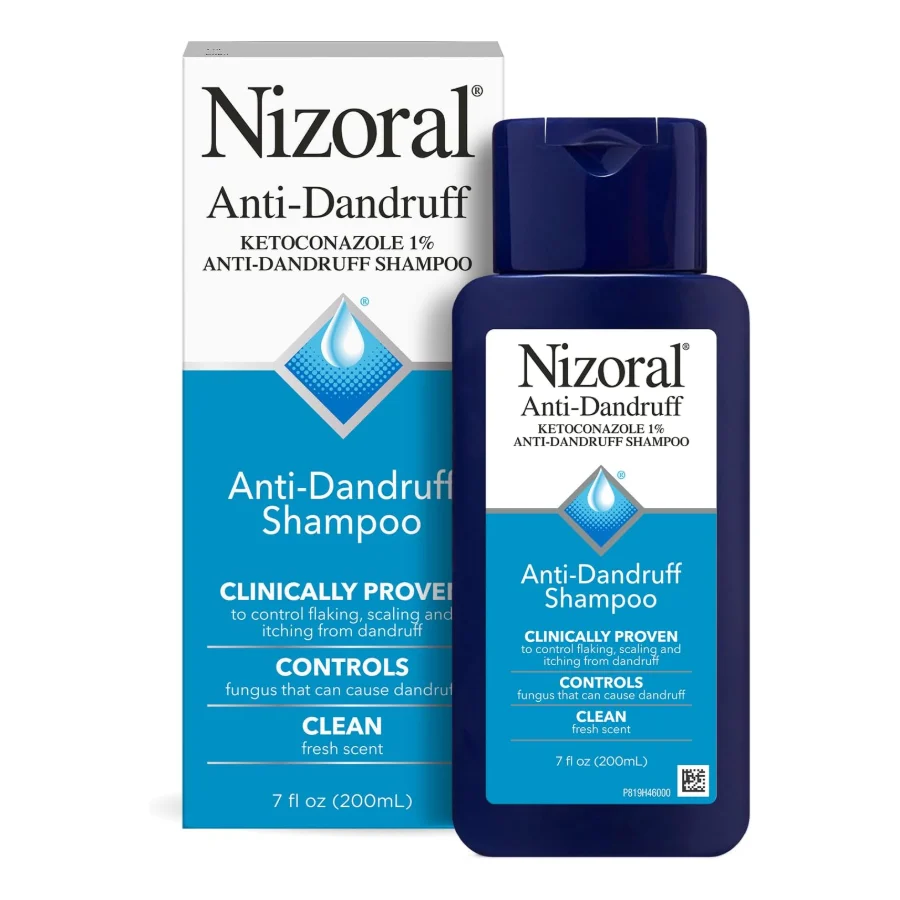
Nizoral Anti-Dandruff Shampoo, 1% Ketoconazole
Best fit: classic beard dandruff, with redness under the flakes.
Why compare: ketoconazole is the ingredient dermatologists name first for seborrheic dermatitis. Work it into the skin under your beard and leave it on for about five minutes before rinsing.
Watch: it can dry out beard hair, so follow with a moisturizer or a few drops of beard oil. Skip broken or irritated skin.
Check on Amazon
Worth comparing
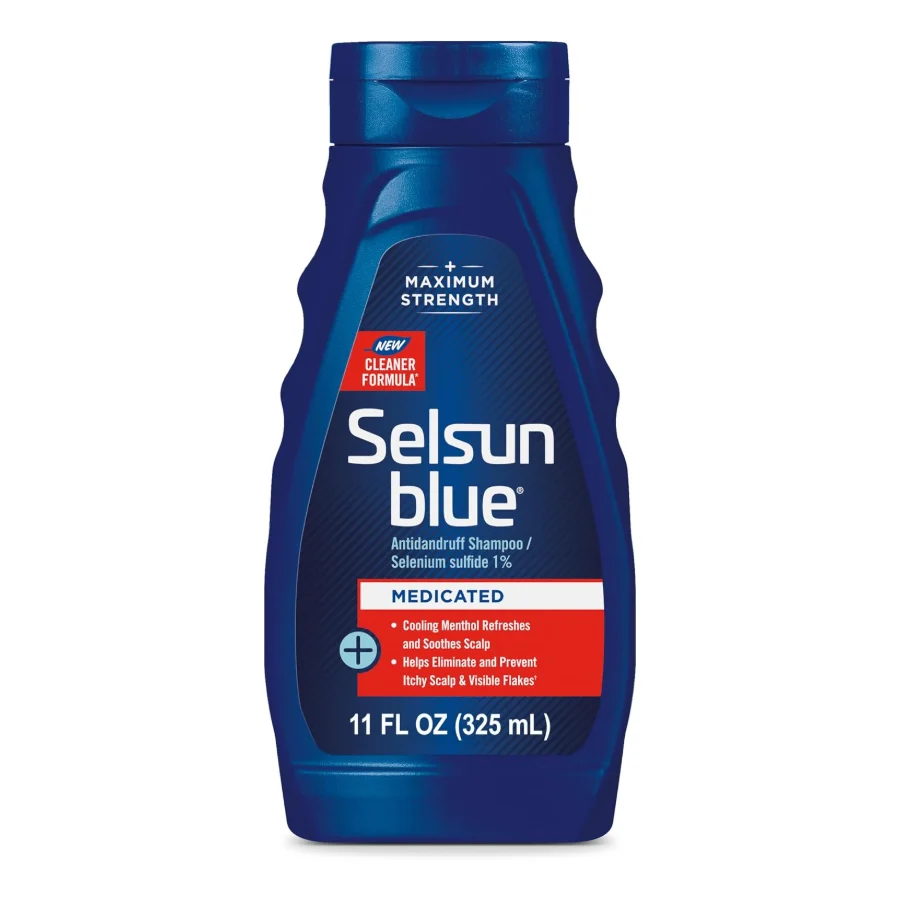
Selsun Blue Medicated, 1% Selenium Sulfide
Best fit: flakes that keep coming back, or a second shampoo to alternate with ketoconazole.
Why compare: a different active ingredient, so it’s a good option if ketoconazole alone isn’t enough.
Watch: it contains menthol, so it tingles. Rinse very well, especially on a light or gray beard.
Check on Amazon
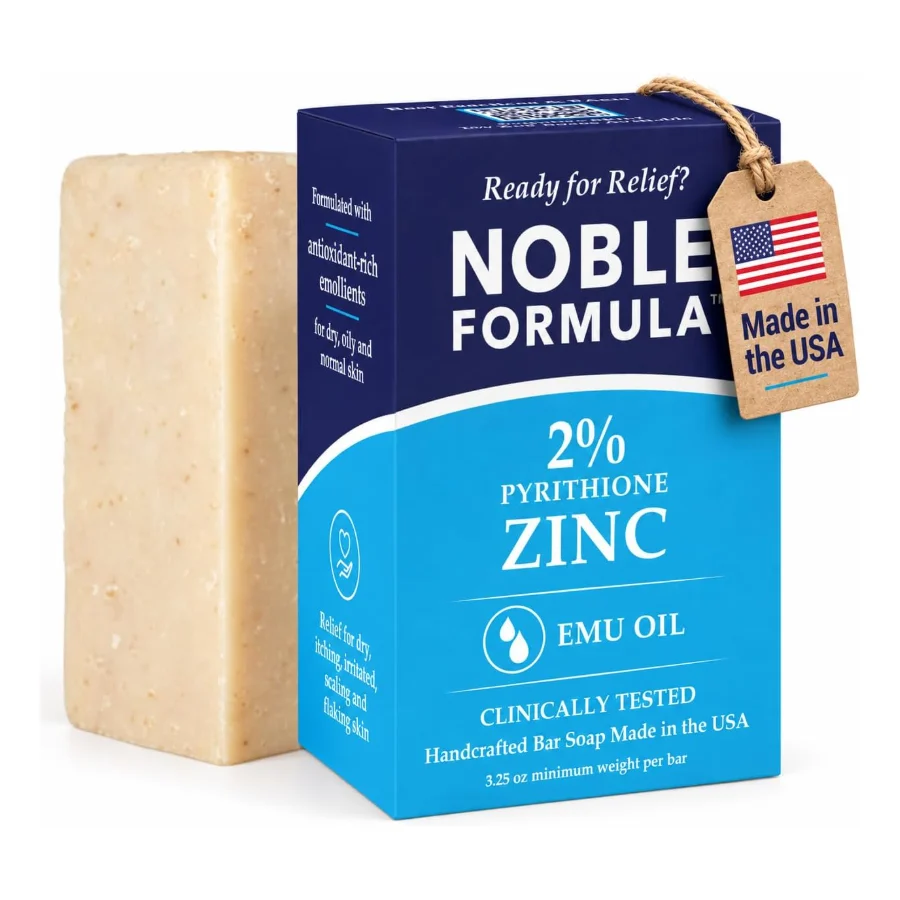
Worth comparing
Noble Formula 2% Zinc Pyrithione Soap Bar
Best fit: a bar you can use on the face and beard a few times a week, between shampoo days.
Why compare: 2% zinc pyrithione is one of the three ingredients the American Academy of Dermatology names for beard dandruff, in an easy bar.
Watch: it can feel drying, and it contains emu oil, so it isn’t vegan.
Check on AmazonWhy Does My Beard Itch?
Beard itch usually comes from one of these:
- A new beard. Freshly cut hairs have sharp tips that poke the skin as they grow out. The itch usually eases as the hairs get longer and softer.
- Dry skin. Cold weather, hot showers and harsh soap dry out the skin under the beard.
- Beard dandruff. Seborrheic dermatitis itches as well as flakes.
- Ingrown hairs and razor bumps along the edges you shave, like the neck and cheeks.
- Folliculitis. Bacteria can get into the hair follicles and cause itchy, red bumps, sometimes with pus.
- Less often, an infection of the beard area (bacterial or fungal) that needs a doctor’s treatment.
How to Stop Itching in Your Beard
- Wash your face and beard every day with a gentle, fragrance-free cleanser instead of bar soap.
- Moisturize right after washing, while the skin is still a little damp. Cleveland Clinic notes that oil-based moisturizers usually hold more moisture than water-based ones.
- If you also see flakes, add a dandruff shampoo.
- Stop touching and stroking your beard; it spreads oil and germs to the skin.
- Don’t scratch. If the itch keeps you up, ask a pharmacist about a short course of an anti-itch cream.
Does New Beard Itch Go Away?
Usually, yes. Keep the skin moisturized, brush gently and resist shaving it off in week two. If the itch comes with bumps, pus or patches of hair falling out, it’s not ordinary new-beard itch, so see a dermatologist.
How to Keep Your Beard From Itching
The routine below is the prevention: wash daily, moisturize, brush, and use a dandruff shampoo once a week if you’re prone to flakes.
A Simple Beard Care Routine That Keeps Flakes and Itch Away
The American Academy of Dermatology’s beard routine has three steps: wash, moisturize, groom.
Every Day
- Brush gently before you wash, to lift flakes.
- Wash your face and beard with a gentle cleanser. Oily or acne-prone skin can use a gel with salicylic acid; dry or sensitive skin does better with a creamy, fragrance-free one.
- Moisturize while the skin is still a little damp. The AAD suggests a beard conditioner for acne-prone skin, beard oil for normal to dry skin, and a fragrance-free moisturizer for sensitive skin. Use oil sparingly; you can always add more.
- Comb it through so the product spreads evenly.
Once a Week
- Dandruff shampoo on the beard and scalp, if you’re prone to flakes.
- Trim with an electric trimmer or scissors, and clean the trimmer guards afterwards.
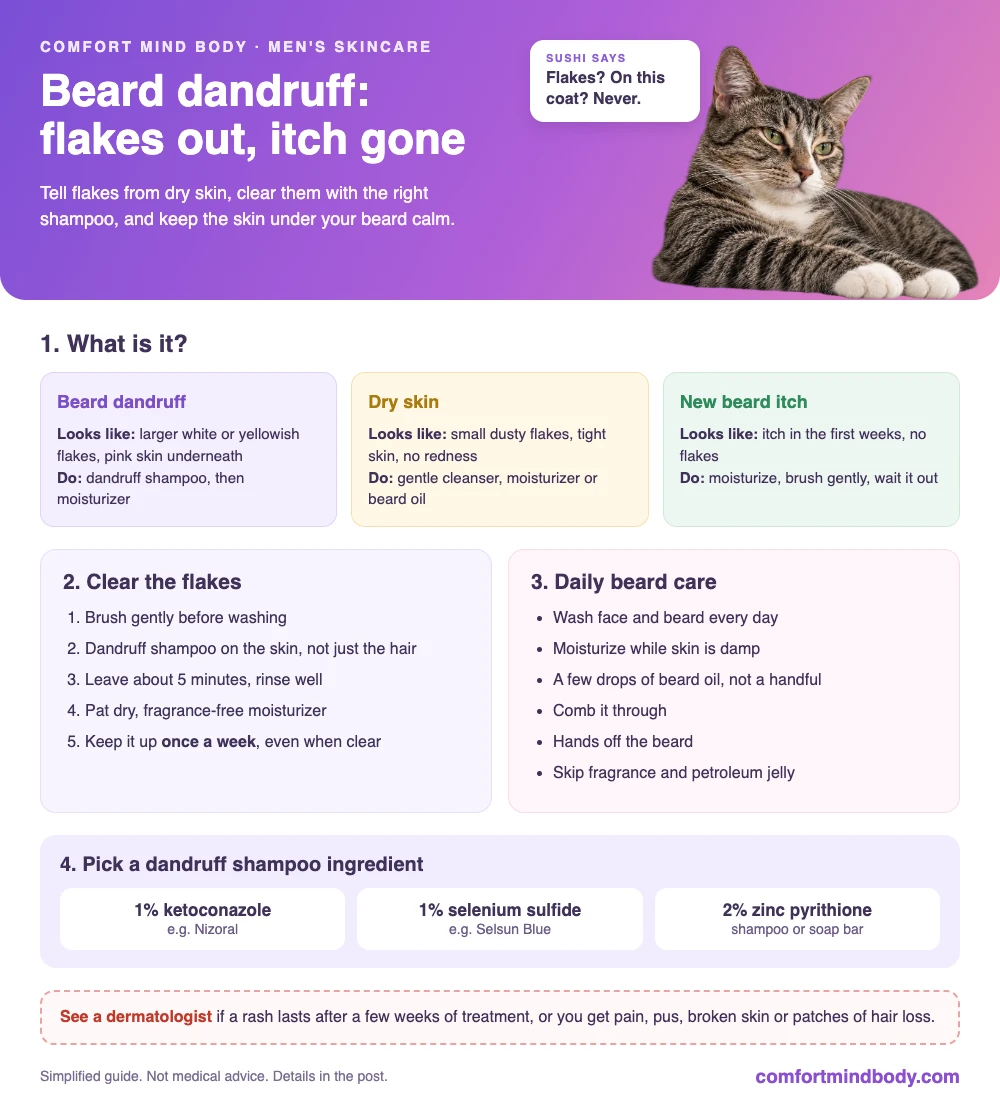
Read the infographic text
Sushi says: Flakes? On this coat? Never.
What is it: Beard dandruff has larger white or yellowish flakes with redness or darker skin underneath: use a dandruff shampoo, then a moisturizer. Dry skin has small dusty flakes and tight skin with no redness: use a gentle cleanser and a moisturizer or beard oil. New beard itch shows up in the first weeks with no flakes: moisturize, brush gently and wait it out.
Clear the flakes: Brush gently before washing. Put a dandruff shampoo on the skin, not just the hair. Leave it on as long as the label says and rinse well. Pat dry and use a fragrance-free moisturizer. Keep it up once a week, even when the flakes are gone.
Daily beard care: Wash your face and beard every day. Moisturize while the skin is still damp. Use a few drops of beard oil, not a handful. Comb it through. Keep your hands off your beard. Skip fragrance and petroleum jelly.
Pick a dandruff shampoo ingredient: 1% ketoconazole (for example, Nizoral), 1% selenium sulfide (for example, Selsun Blue) or 2% zinc pyrithione (a shampoo or a soap bar).
See a dermatologist if a rash lasts after a few weeks of treatment, or you get pain, pus, broken skin or patches of hair loss.
What My Husband Uses
My husband’s routine is one real example. He washes with a gentle cleanser (or the medicube cleansing oil from my Korean skin care for men guide), uses a face cream, puts a few drops of beard oil on his beard and brushes it out. Coconut oil is his extra. Your products can be different; the steps are what matter.
In our home
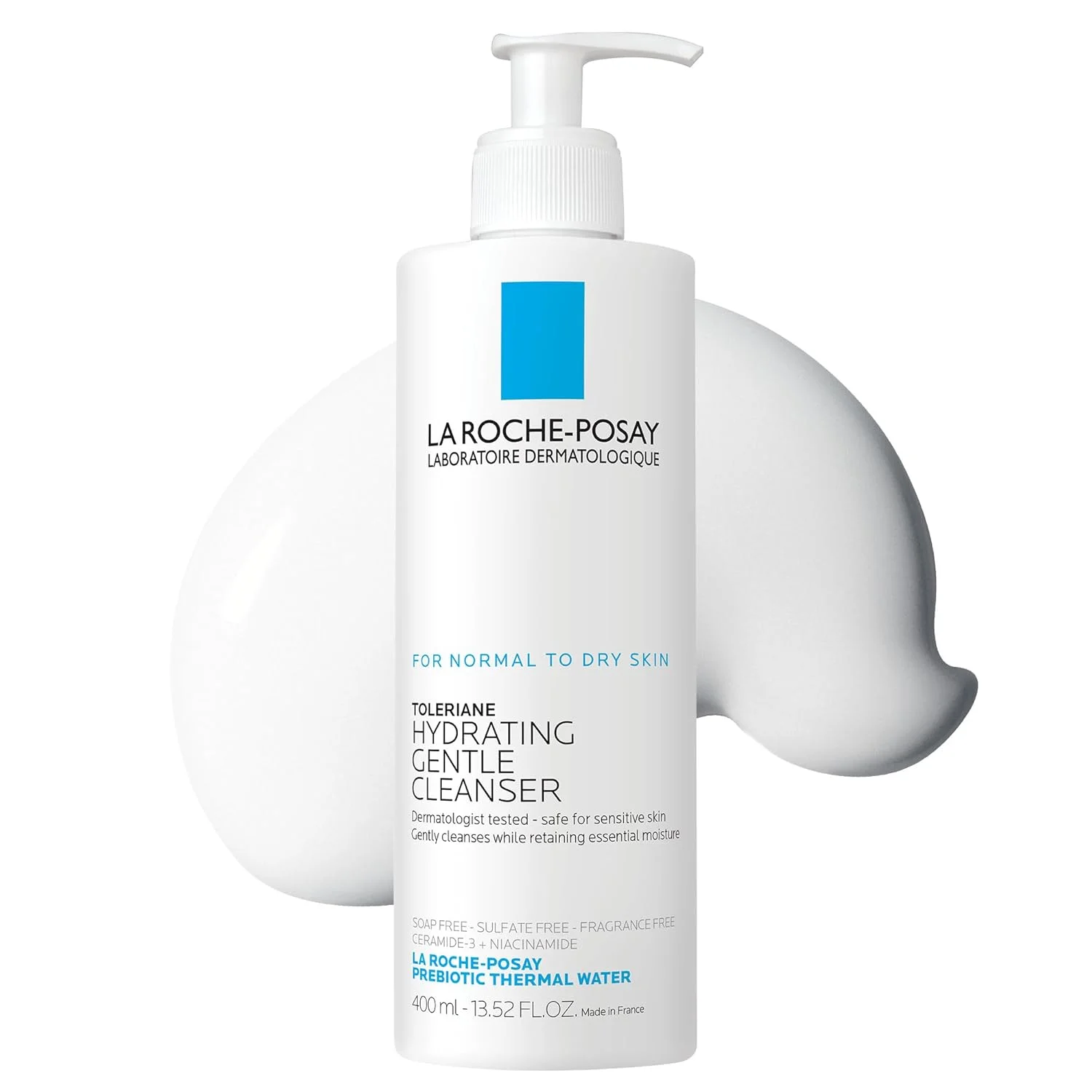
La Roche-Posay Toleriane Hydrating Gentle Cleanser
Best fit: an everyday wash for the face and beard, especially dry or sensitive skin.
Why we use it: it’s one of my husband’s face washes (he switches between this and the medicube cleansing oil). It’s fragrance-free and soap-free.
Watch: it’s gentle, so it won’t treat dandruff on its own; keep a dandruff shampoo for flakes.
Check on Amazon
In our home
medicube Hyaluronic Ceramide Jelly Cream
Best fit: a lightweight daily moisturizer for the skin around and under a short beard.
Why we use it: it’s one of his two face creams, the lighter one.
Watch: on a longer beard, a beard oil or conditioner reaches the skin more easily.
Check on Amazon
In our home
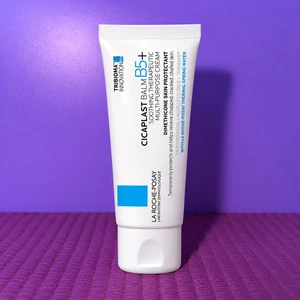
La Roche-Posay Cicaplast Baume B5+
Best fit: dry, rough patches and the edges of the beard after shaving.
Why we use it: it’s his other face cream, the richer one.
Watch: rich texture; a thin layer is enough.
Check on Amazon
In our home
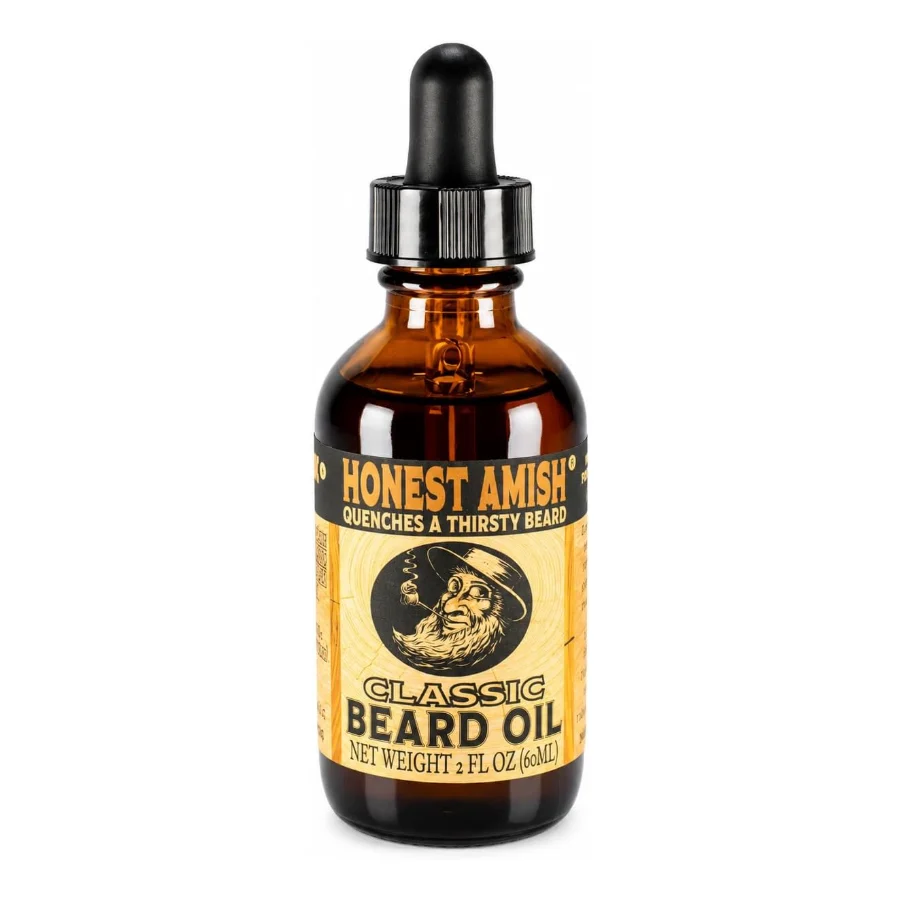
Honest Amish Classic Beard Oil
Best fit: normal to dry skin and a beard that feels coarse.
Why we use it: it’s the beard oil my husband uses after washing.
Watch: it’s scented with essential oils. If your skin is sensitive or the flakes get worse, switch to a fragrance-free moisturizer.
Check on Amazon
In our home
Viva Naturals Organic Coconut Oil
Best fit: a little on the beard ends on very dry winter days.
Why we use it: my husband uses it as an extra on his beard, alongside the beard oil.
Watch: it’s heavy and can clog pores on acne-prone skin, so keep it off breakout areas and away from flaky patches.
Check on Viva Naturals
In our home
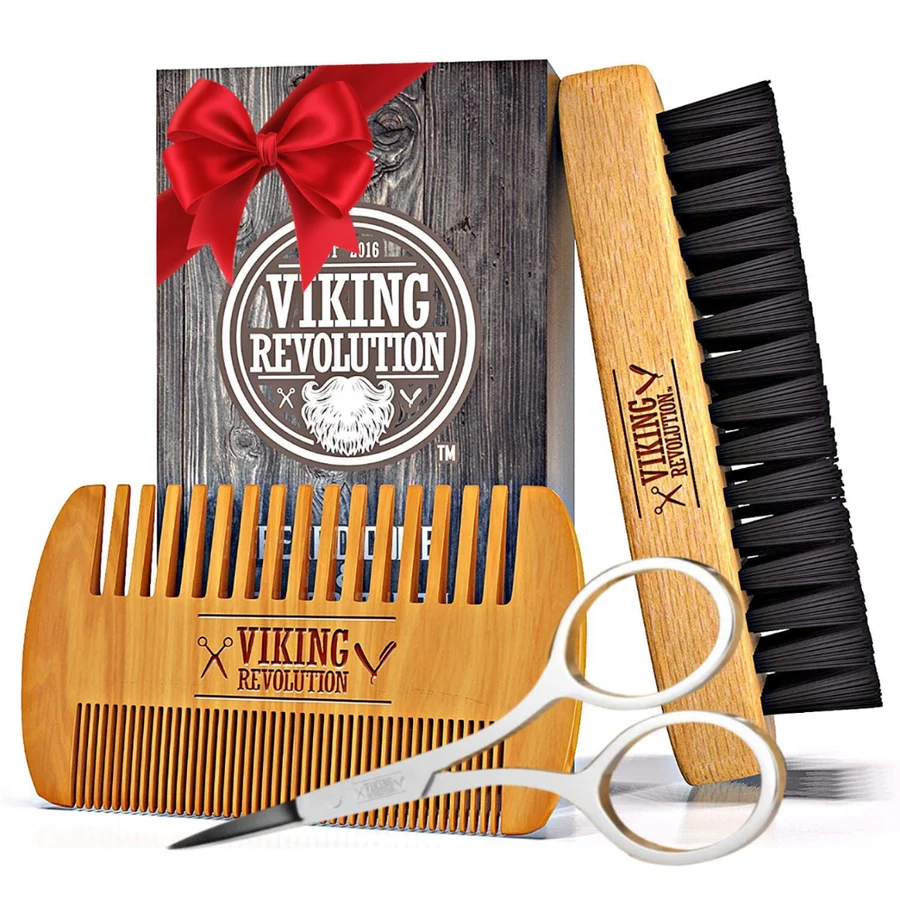
Viking Revolution Beard Comb and Brush Set
Best fit: brushing before you wash, and spreading oil evenly.
Why we use it: it’s my husband’s beard brush and comb set. The natural boar bristles are soft enough to brush daily.
Watch: brush gently. Scrubbing hard makes beard dandruff worse.
Check on AmazonShaving Around Your Beard Without Bumps
The edges you shave, usually the neck and upper cheeks, are where razor bumps and ingrown hairs show up. My husband shapes those areas with an electric shaver and still gets razor bumps on his neck, so this part of the routine matters as much as the beard itself.
- Shave at the end of a shower, when the hair is soft.
- Use a fragrance-free shaving cream or gel, and shave in the direction the hair grows.
- Moisturize or oil the skin right after.
For more, see my guides on how to get rid of razor bumps and ingrown hair. For the rest of the routine, see my skincare routine for men and the beard picks in my best skin care for men guide.
When to See a Dermatologist
- The rash or flakes are still there after a few weeks of dandruff shampoo
- You get acne-like bumps, pain, pus or broken skin under the beard
- Patches of beard hair fall out
- The redness spreads, or you get a fever
- A lump or spot grows, bleeds or changes; skin cancer can hide under a beard
A dermatologist can prescribe stronger antifungal or anti-inflammatory treatments when over-the-counter shampoos aren’t enough.
Frequently Asked Questions
Is beard dandruff caused by not washing?
Can I use regular dandruff shampoo on my beard?
How often should I wash my beard with dandruff shampoo?
Does beard oil help beard dandruff?
Is beard dandruff a fungal infection?
Can beard dandruff be cured for good?
Why does my new beard itch so much?
Should I shave my beard to get rid of dandruff?
Final Thoughts
Beard dandruff and beard itch both start with the skin under the beard, not the hair. Brush, wash, moisturize, and keep a dandruff shampoo in the shower for once a week. If it still won’t clear, a dermatologist can help. For more men’s skin basics, start with my skin care for men guide.
Brush it, wash it, moisturize it, and keep the flakes off your favorite sweater.
Safety Notes
Safety Notes
- This guide is general education, not medical advice.
- Medicated shampoos are for external use. Keep them out of your eyes, and stop if they burn or cause a rash.
- Don’t use hydrocortisone on your face for more than a week or two without a doctor’s OK.
- Pain, pus, spreading redness, fever or patches of hair loss need a doctor, not more shampoo.
- If you use prescription skin treatments, check with your dermatologist before adding a medicated shampoo to your face.