
Last updated: November 2026. Rewritten with real winter routines for oily and dry skin.
Affiliate disclosure: This post contains affiliate links. If you buy through them, Comfort Mind Body may earn a small commission at no extra cost to you. As an Amazon Associate I earn from qualifying purchases. Read my affiliate disclosure.
How this guide was made: products Anna and her mom use in winter, checked against advice from the American Academy of Dermatology and Mayo Clinic. Personal notes aren't controlled tests. Prices change, so the buttons open each store's current price.
Welcome to Comfort Mind Body, where we test skincare on real skin and check it against the research, so you can skip the hype.
Winter changes almost everyone’s skin, even oily skin like mine. Cold air outside, dry heat inside, and long hot showers all pull water from your skin. The good news? A winter skincare routine doesn’t need to be new. A few small swaps usually do the job, whatever your skin type.
In this guide, you’ll see why skin changes in winter and what to change in your morning and night routine. You’ll also see two real examples: my routine for oily skin and my mom’s routine for dry skin.
Finally, there are tips for every skin type, winter itch, sunscreen, and tretinoin, plus a free 7-day winter planner.
Quick Navigation
ToggleQuick Answer: What Is A Good Winter Skincare Routine?
- Wash less and use a gentle, hydrating cleanser.
- Switch to a richer moisturizer, or add a layer on top of your usual one.
- Moisturize right after washing, while your skin is still damp.
- Keep showers short and warm, not hot.
- Wear sunscreen every day. Winter sun still reaches your skin.
- Use lip balm and hand cream often, and run a humidifier at night.
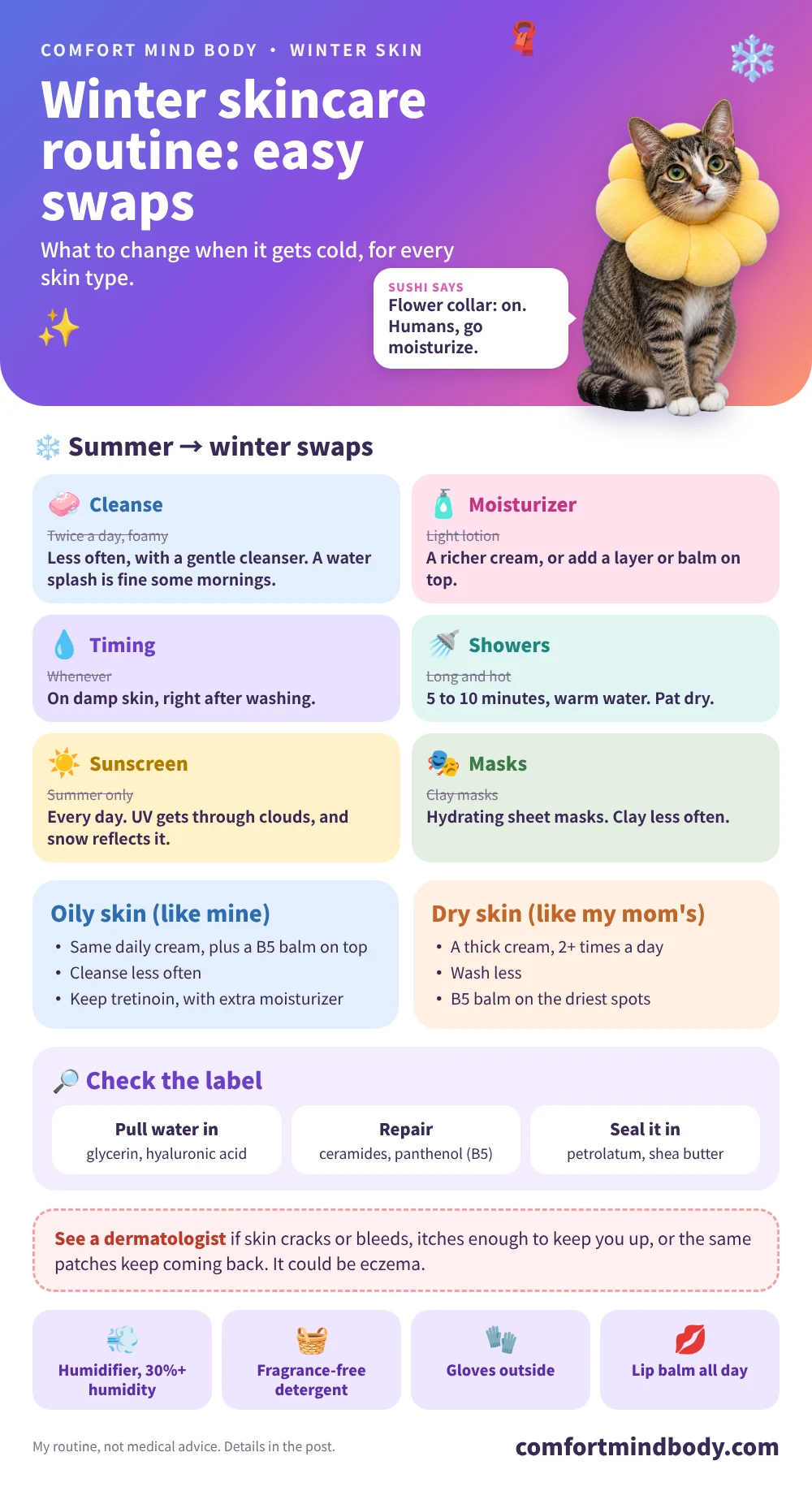
Read the infographic text
Sushi says: Flower collar: on. Humans, go moisturize.
Summer to winter swaps: Cleanse less often, with a gentle cleanser (a water splash is fine some mornings). Swap a light lotion for a richer cream, or add a layer or balm on top. Moisturize on damp skin, right after washing. Keep showers to 5 to 10 minutes in warm water and pat dry. Wear sunscreen every day, because UV gets through clouds and snow reflects it. Choose hydrating sheet masks and use clay less often.
Oily skin (like mine): same daily cream plus a B5 balm on top, cleanse less often, keep tretinoin with extra moisturizer.
Dry skin (like my mom's): a thick cream 2 or more times a day, wash less, B5 balm on the driest spots.
Check the label: to pull water in, glycerin and hyaluronic acid. To repair, ceramides and panthenol (B5). To seal it in, petrolatum and shea butter.
See a dermatologist if skin cracks or bleeds, itches enough to keep you up, or the same patches keep coming back. It could be eczema.
Simple rules: a humidifier for 30% or more humidity, fragrance-free detergent, gloves outside, lip balm all day. My routine, not medical advice.

Why Skin Changes In Winter
Your skin has a thin outer layer, called the skin barrier, that holds water in. In winter, that barrier works harder. Cold air outside holds less moisture. Then indoor heating dries the air even more. Hot showers and harsh soaps strip away the oils that help your skin stay soft.
So skin loses water faster than usual. That’s why it can feel tight, look flaky, or start to itch, even if it’s oily the rest of the year. Not sure if your skin needs water or oil? My guide to hydrating vs. moisturizing explains the difference.
Dry skin isn’t the same, though. Dry skin is low on oil, so it needs a richer cream. Dehydrated skin is low on water, and even oily skin can be dehydrated. My dry skin in winter guide goes deeper on both.
Winter Skincare Routine: What To Change
You don’t need new products for every step. Most of the change comes from how much you wash, how rich your moisturizer is, and when you put it on. For the basics of each step, see my step-by-step skincare routine.
Morning
- Cleanse lightly. On many winter mornings, a splash of lukewarm water is enough. Save a full cleanse for night.
- Add hydration if your skin feels tight. A light hydrating serum or essence on damp skin works well, as long as you seal it in with moisturizer. In very dry air, a serum on its own can leave skin feeling tighter. Not sure what goes first? See how to layer skincare products.
- Moisturize. Use a cream that feels a little richer than your summer one.
- Wear sunscreen, SPF 30 or higher, every day.
Night
- Remove sunscreen and makeup with a gentle cleanser. Skip scrubs and foaming cleansers that leave you squeaky.
- On a treatment night, pat your face dry and wait until it’s fully dry. Then use tretinoin or retinol the way its label or your prescriber says.
- Moisturize. On a recovery night, do it while your skin is still a little damp. On a treatment night, put it on after your treatment.
- Add a balm to dry spots, like around the nose, the neck, or the corners of the mouth.
Treatment Nights And Recovery Nights
Winter gets easier when you split your nights in two. A treatment night is when you use your retinoid or acid. A recovery night is simple on purpose: no actives, just care. A recovery night looks like this:
- Remove makeup and sunscreen gently.
- Use a gentle cleanser, if you need one.
- Add one hydrating layer, if you like.
- Moisturize.
- Put a little ointment on very dry lips or patches.
Put recovery nights between treatment nights, or use one whenever your skin feels less calm. With a prescription, follow the schedule your prescriber gave you. And if even a simple routine still burns, itches, or cracks, see a dermatologist.
Change One Thing First
When something feels off, don’t swap your whole routine. Ask a few quick questions first. Does your cleanser leave your skin tight or squeaky? Does your moisturizer last until midday? Have you added several new products in one week? Are your lips, hands, and neck getting care too?
Then fix the weakest step, give it a week or two, and decide what’s next. And if your skin is already irritated, be patient. A stressed skin barrier can take 3 to 4 weeks to recover.
Weekly Extras: Masks And Exfoliation
Once or twice a week, a hydrating or overnight mask gives tight winter skin a boost. You’ll find the ones I use in my best face mask products. On very dry skin, a few drops of face oil on top of your cream can also help seal moisture in.
Exfoliation goes the other way. In winter, keep it to once or twice a week at most, and pick a gentle chemical exfoliant over a gritty scrub. Skip masks with strong acids and any exfoliant on tretinoin nights, or when your skin stings.
Oily Vs Dry Skin In Winter: What Changes
| Step | Oily skin in winter | Dry skin in winter |
|---|---|---|
| Cleansing | Once a day can be enough. Keep a gentle cleanser. | Wash less, with a cream or hydrating cleanser. |
| Moisturizer | Keep your usual light cream, and add a hydrating layer or a thin balm on dry spots. | Switch to a thick cream, and reapply during the day. |
| Treatments | Keep them, with extra moisturizer and recovery nights in between. With a prescription, follow your prescriber. | Fewer retinol nights, with a rich cream. With a prescription, follow your prescriber. |
| Masks | Clay less often. Hydrating sheet masks are a good swap. | Hydrating or overnight masks only. |
| Sunscreen | Every day | Every day, in a moisturizing formula |
Winter Skincare Routine By Skin Type
Winter doesn’t turn every skin type into dry skin. So start small and change the step your skin needs most. Here’s the first change to try for each type.
- Normal skin: keep your routine. If tightness or flakes show up, put a little more moisturizer on dry or exposed spots before you replace anything.
- Dry skin: switch to a thick cream, wash less, and reapply during the day. That’s my mom’s winter, and you’ll see her routine below.
- Oily skin: keep a light moisturizer and cleanse more gently before you switch to a heavy cream. Add a thin balm only where you’re dry. That’s my winter routine, also below.
- Combination skin: change how much moisturizer you use, and where, before you change the product. A balm on dry cheeks and your usual cream everywhere else works well.
- Acne-prone skin: protect your acne treatment with moisturizer and recovery nights, not more scrubs.
- Sensitive skin: drop the optional products and go back to the smallest routine that feels comfortable. Then add one soothing product, if you still need it.
- Mature skin: make your moisturizer more comfortable and use treatments on fewer nights before you replace serums.
- Deeper skin tones: dryness can look ashy, and irritation can leave dark marks. So calm the irritation first, before adding another dark-spot treatment.
For acne in any season, see my skincare routine for acne.
Free Winter Skincare Planner
Build A Calmer Winter Routine In 7 Days
Download the 7-Day Winter Skincare Reset And Routine Builder to identify the clearest skin signal, review one routine step at a time, schedule treatment and recovery nights, and create a practical AM and PM routine.
- One detailed worksheet for each day
- Cleanser, moisturizer, SPF and active-treatment checks
- Winter shopping filter and four-week tracker
Free 14-page printable (PDF). Educational only. Not medical advice.
Two Real Winter Routines: Oily Skin And Dry Skin
Here’s how this looks in real life. My skin is oily, and I use tretinoin. My mom’s skin is dry all year, so winter is her hardest season.
My winter routine (oily skin)
- I cleanse less.
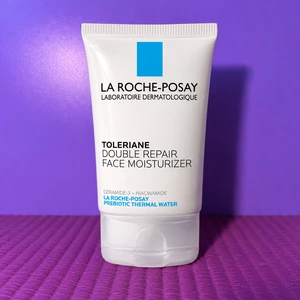
- My everyday moisturizer stays the same: La Roche-Posay Toleriane Double Repair.
- Extra hydration for my face.
- Cicaplast Balm B5+ on my face when it's cold. On my neck, all year.
- A heavier moisturizer for my neck and under my eyes.
- Tretinoin stays, with extra moisturizer.
- Extra cream for my body, lip balm all the time, and hand cream.
- B5 on my hands and elbows too.
- A humidifier at home, and fragrance-free laundry detergent, always.
- I have eczema on my hands, and winter makes it worse. B5, plain petroleum jelly and a prescription cream for bad days help.
My mom's winter routine (dry skin)
- Her skin is dry all year.
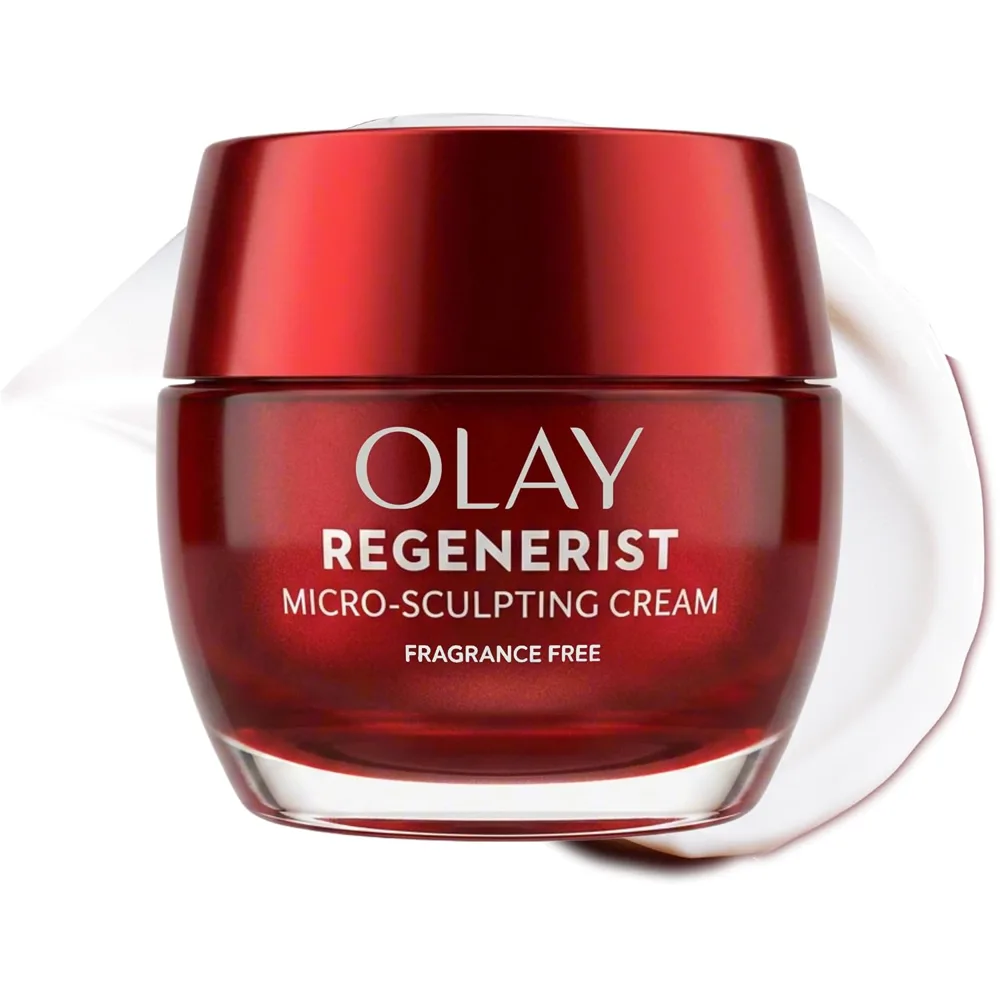
- In winter, she switches to an extra heavy moisturizer: her Olay Regenerist Micro-Sculpting Cream.
- She puts it on more than 2 times a day.
- She uses Cicaplast Balm B5+ too.
- She adds coconut oil to her body and face in winter.
- She washes less.
See the pattern? We both wash less and add more moisture. The difference is how heavy we go. Oily skin usually needs one extra layer. Dry skin needs a thick cream, again and again.
One note on my mom’s coconut oil: it works for her very dry skin, but it can clog pores for some people. So if your face is oily or breaks out easily, keep it to your body.
Winter SPF: Do You Still Need Sunscreen?
Yes. The sun’s UV rays reach your skin all year. Clouds don’t stop much of it either. The American Academy of Dermatology says up to 80% of UV rays can get through clouds. Snow also reflects UV back at your face, so a sunny ski day can burn fast.
So keep a broad-spectrum sunscreen, SPF 30 or higher, as the last step every morning. Outdoors, reapply about every 2 hours, and after sweating. In winter, a creamy, moisturizing formula often feels better than a matte one.
Don’t forget your neck, your ears, and the backs of your hands. For help picking one, see my sunscreen guide.
Tretinoin, Retinol And Acids In Winter
Retinoids and exfoliating acids can feel stronger in winter because your skin is already drier. You don’t have to stop them. Just make them easier on your skin.
- Add extra moisturizer. I still use tretinoin all winter, and I pair it with more moisturizer than in summer.
- Put tretinoin on fully dry skin, then your moisturizer, unless your prescriber tells you otherwise.
- With retinol or acids you buy yourself, use them fewer nights and add recovery nights in between. Don’t stack strong products either. One active a night is plenty, and here are the skincare products you shouldn’t mix.
- Cut back on scrubs, peels, and clay masks. My clay mask guide explains when to skip clay.
- With prescription tretinoin, follow your prescriber’s schedule, and call them if stinging or peeling doesn’t settle.
Winter Itch: Why Your Body Gets Itchy In Winter
Winter itch is dry, itchy skin that shows up when the air turns cold and dry. It’s common on the legs, arms, and sides. Hot showers make it worse because they wash away the oils that protect your skin.
What helps:
- Keep showers short, about 5 to 10 minutes, with warm water instead of hot.
- Use a gentle, fragrance-free body wash, only where you need it.
- Pat your skin dry, and put on body cream within a few minutes.
- Pick creams over thin lotions when your skin is very dry. They hold water in better.
- Wear soft, loose clothes. Wool right against your skin can make itching worse.
If the itch keeps you up at night, spreads, or doesn’t get better with moisturizer, see a dermatologist. It could be eczema or another skin condition.
Winter Eczema Or Dry Skin? What I Do For My Hands
Dry skin and eczema can look alike in winter. Both can feel rough, tight, and itchy. But eczema is a skin condition, and atopic dermatitis is one type of it. The skin barrier doesn’t hold moisture well, so patches get red or darker, very itchy, and they tend to flare. Cold, dry air is a common trigger, which is why many people notice it more in winter.
I have eczema on my hands, and winter makes it worse. Here’s what helps me:
- Cicaplast Balm B5+ on my hands.
- Plain petroleum jelly to seal in moisture.
- A prescription cream for bad days.
So if your “dry skin” keeps coming back in the same spots, itches a lot, or doesn’t get better with moisturizer, ask a dermatologist. Eczema often needs a treatment plan, not just a richer cream.
Hands And Lips In Winter
Hands and lips dry out first because they’re always exposed and get washed or licked often. Lips also have no oil glands of their own, so they can’t protect themselves.
So keep a hand cream by the sink and a lip balm in your pocket. Put hand cream on after every wash, and wear gloves outside. At night, a thicker layer of balm or plain petroleum jelly on your lips helps them heal.
For cracked fingers, split knuckles, and badly chapped lips, see my guide to winter beauty problems. It goes deeper on each one.
Best Winter Moisturizer: What We Use
First, what to look for on the label. Humectants like glycerin and hyaluronic acid pull water into your skin. Ceramides help repair the barrier.
Richer ingredients like petrolatum and shea butter seal the water in. For rough, thick skin on legs or feet, urea or lactic acid can help, but they may sting on your face. For more help, see how to choose the best moisturizer for your skin.
With that in mind, these are the products my mom and I actually use in winter. For a bigger list of winter products to compare, see my winter skincare shopping guide.
For Your Face
My own tube
My everyday moisturizer
La Roche-Posay Toleriane Double Repair Face Moisturizer
Best fit: Oily, combination or sensitive skin that wants a light, fragrance-free daily cream
Size: 3.38 fl oz tube
My experience: My main moisturizer, every day, all year. In winter, I keep it and add Cicaplast Balm B5+ when my skin needs more.
Watch: It has ceramides, niacinamide and glycerin, and it's oil-free. On very dry winter skin, it may not be rich enough alone, so layer a balm on top.
Check price on Amazon
My own tube
My winter extra
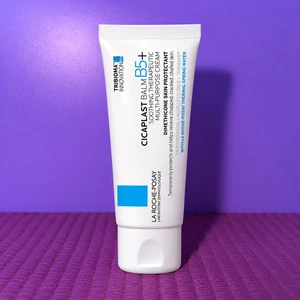
La Roche-Posay Cicaplast Balm B5+
Best fit: Dry, rough patches, plus the neck, hands and elbows
Size: 3.38 fl oz tube
My experience: In colder months, I add it to my face. I use it on my neck all year, and on my hands and elbows in winter. My mom uses it too, along with her Olay.
Watch: It's a thick balm. On oily skin, use a thin layer, or put it only on the dry spots.
Check price on Amazon
The lighter version
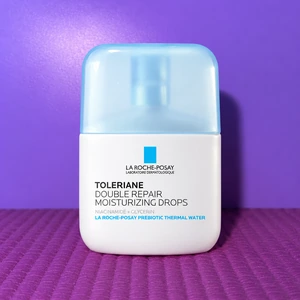
This summer, I used La Roche-Posay Toleriane Double Repair Moisturizing Drops when I wanted something lighter than the cream. On their own, they're light for dry winter skin, so in cold months they work best under a cream.
For Very Dry Skin: My Mom's Pick
Product image
My mom's pick
Olay Regenerist Micro-Sculpting Cream, Fragrance-Free
Best fit: Dry skin like my mom's, when it needs more in winter
Size: 1.7 oz jar
Her experience: My mom's favorite. In winter, she puts it on more than 2 times a day.
Watch: My mom finds it rich enough for winter. On oily or combination skin, it may feel like too much.
Check price on AmazonFor Your Body
Product image
What I use
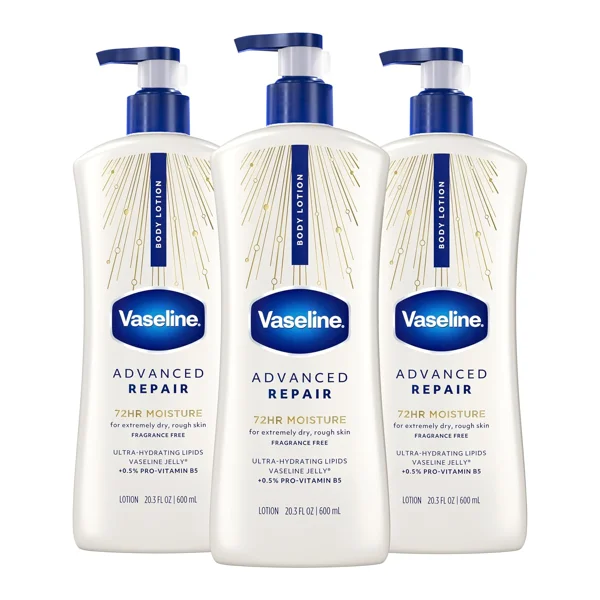
Vaseline Advanced Repair Body Lotion, Unscented
Best fit: Dry, itchy body skin, especially legs and arms
Size: 20.3 fl oz, pack of 3
My experience: I like it. It's my body cream in winter, when my skin needs extra.
Watch: It's unscented. For best results, put it on within a few minutes of a shower.
Check price on AmazonFor Your Hands
Product image
What I use
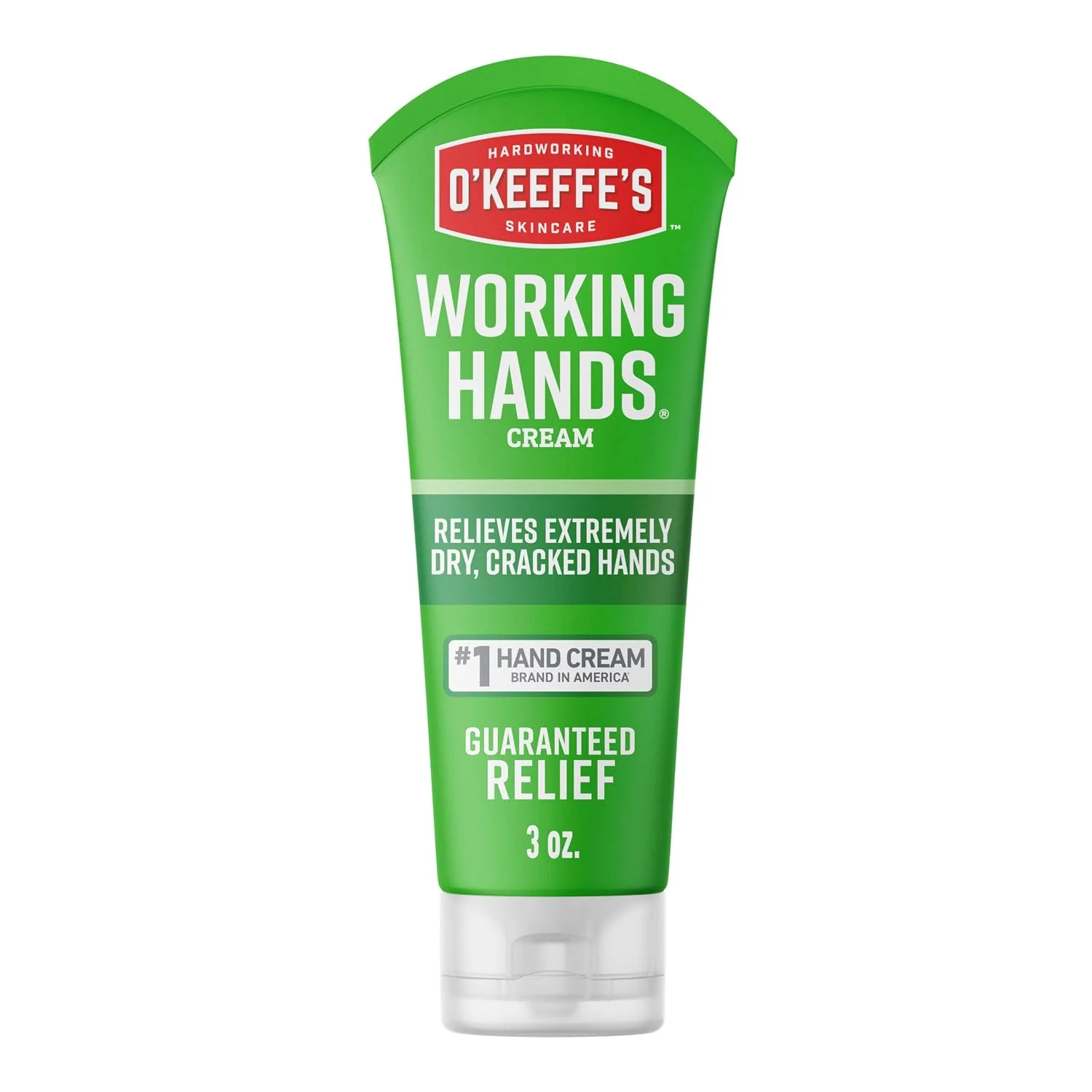
O'Keeffe's Working Hands Hand Cream
Best fit: Very dry or cracked hands
Size: 3 oz tube
My experience: My main hand cream in winter.
Watch: It's made for extremely dry hands. Reapply after washing, and wear gloves outside.
Check price on Amazon
Also in my winter routine
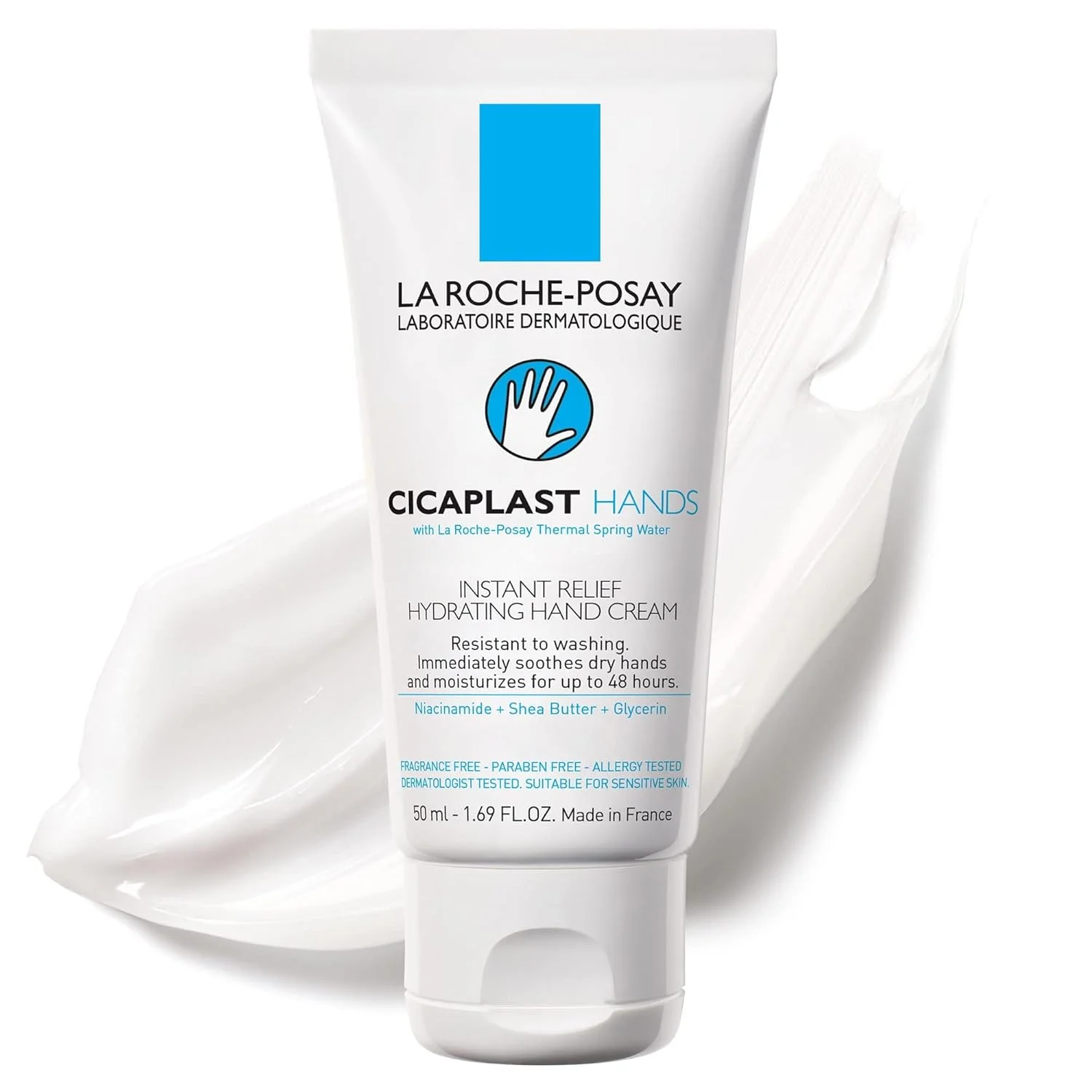
I also use La Roche-Posay Cicaplast Hand Cream in winter. Put it on after every wash.

Winter Skincare Habits That Help
Products help, but habits do a lot of the work. These tips come from the American Academy of Dermatology, Harvard Health, Columbia University dermatologists, and, for humidity, the U.S. EPA.
- Keep showers and baths to 5 to 10 minutes, with warm water.
- Pat your skin dry instead of rubbing.
- Moisturize within a few minutes of washing, while skin is still damp.
- Choose creams or ointments over thin lotions. They hold water in better.
- Pick fragrance-free products when your skin is dry or itchy.
- Run a humidifier, especially in your bedroom at night, and aim for 30 to 50% indoor humidity. If your windows fog up, turn it down. I have one at home. Change the water daily and clean it every few days, so mold doesn’t grow.
- Wear gloves outside and for washing dishes.
- Wear soft, loose clothes, and keep wool off bare skin.
- Use a fragrance-free laundry detergent, and skip dryer sheets. Fragrance-free detergent is the only kind I buy.
- For very dry hands or feet, put on a thick ointment at bedtime, then put on cotton gloves or socks.
Common Winter Skincare Mistakes
- Long, hot showers. They feel great but dry you out fast.
- Washing your face too often. In winter, once or twice a day is plenty.
- Skipping moisturizer because your skin is oily. Oily skin can still get dehydrated.
- Using scrubs or peels to remove flakes. They can make dryness worse.
- Skipping sunscreen because it’s cold or cloudy.
- Licking chapped lips. It dries them out even more.
When To See A Dermatologist
Most winter skin changes get better with gentler habits and a richer moisturizer. See a dermatologist if your skin:
- Stays dry, itchy, or flaky even with daily moisturizer.
- Cracks or bleeds.
- Itches so much that it keeps you up at night.
- Has large scaly or red patches. This could be eczema or psoriasis. A dermatologist can confirm it and suggest the right treatment.
And don’t wait if you see signs of infection, like pus, warmth, swelling or pain that keeps getting worse. Get medical care soon.
Winter Skincare Routine: FAQs
How should I change my skincare routine for winter?
Can oily skin get dry in winter?
What is the best winter moisturizer?
How often should I moisturize in winter?
Do I need sunscreen in winter?
How do I stop winter itch?
Should I stop tretinoin or retinol in winter?
Does a humidifier help dry skin?
What is a good winter skincare routine for oily skin?
Final Thoughts
A winter skincare routine doesn’t need to be complicated, whatever your skin type. Wash a little less, moisturize a little more, and keep wearing sunscreen. Oily skin usually needs one extra layer. Dry skin needs a rich cream, again and again. For more winter help, see my winter luxury skincare picks, my skincare routine for your 30s, and my best creams for neck wrinkles. And on tight-skin nights, a hydrating sheet mask from my best face mask products is a nice treat.
Stay cozy and moisturized,
Anna
P.S. from Sushi: Meow. Dry skin? Not my problem. I come with a built-in fur coat and zero bath time. My winter routine is simple: find the fluffiest bed, curl into a donut, nap until spring. Humans could learn a thing or two.

Safety Notes
Safety Notes
- Patch test any new product on a small spot for 7 to 10 days, as the AAD suggests.
- Retinoids and acids can sting more in winter. Use prescription tretinoin exactly as your prescriber directs, and call them if irritation lasts.
- Don't use scrubs or peels on cracked or raw skin.
- Use prescription creams only as your dermatologist directs, and don't share them.
- Change your humidifier's water daily and clean it every few days to prevent mold.
- See a dermatologist if dry skin cracks, bleeds or itches enough to keep you up at night. Get care soon for signs of infection, like pus, warmth or growing pain.
Resources
- American Academy of Dermatology: Dermatologists' top tips for relieving dry skin
- American Academy of Dermatology: Sunscreen FAQs
- Mayo Clinic: Dry skin, symptoms and causes
- Harvard Health: Banishing dry winter skin
- Columbia University Irving Medical Center: A dermatologist's guide to healthy winter skin
- American Academy of Dermatology: How to test skin care products
- American Academy of Dermatology: How to pick the right moisturizer
- American Academy of Dermatology: Hand eczema
- U.S. EPA: The Inside Story, a guide to indoor air quality
- Mass General Brigham: How to keep skin hydrated in winter